
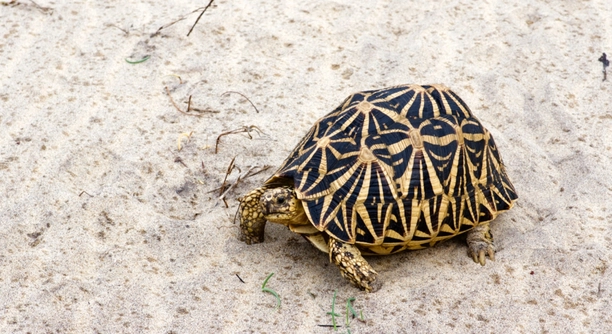
Indian Star Tortoises are fascinating creatures, and if you are lucky enough to have one, understanding their behavior is key. One important aspect of tortoise care is recognizing when they are about to lay eggs.
The signs that your Indian Star Tortoise is preparing to lay eggs include changes in behavior, nesting behavior, and physical signs such as a more rounded belly. Observing these early clues can help you provide the right care during this time.
Being aware of these signs helps you create a safe and comfortable environment for your tortoise. Keep reading to learn more about how to identify when your tortoise is getting ready to lay eggs.
Changes in Behavior
When your Indian Star Tortoise is preparing to lay eggs, you may notice a shift in her behavior. One of the most obvious changes is increased restlessness. She may become more active during certain parts of the day, walking around her enclosure repeatedly. This can be a sign that she is searching for a suitable spot to lay her eggs.
It’s also common for a female tortoise to become more withdrawn. She might seem more interested in being alone or hiding. This behavior can be linked to her instinct to protect herself and her eggs once she finds a nesting area.
These changes aren’t always obvious, but if you keep a close eye on your tortoise, you’ll likely notice the difference. If your tortoise is suddenly more active or seems to be avoiding interaction, it’s a good idea to provide her with more space to roam.
Nesting Behavior
In the days leading up to laying her eggs, your tortoise will begin to search for a nesting site. She may dig, often using her back legs to create a small hole. This behavior is a clear sign that she is getting ready to lay eggs.
As she digs, make sure to provide her with a soft, sandy substrate that allows her to build her nest comfortably. This helps her feel more secure and encourages proper egg-laying behavior. She will typically look for a secluded spot to keep the eggs safe.
It’s crucial to monitor the digging behavior, as it can indicate the onset of egg-laying. If she starts digging more frequently and seems to focus on one area, that’s when you should prepare the nesting area. It’s a good idea to leave her to complete the process without disturbance to ensure she feels at ease.
Physical Changes
As your Indian Star Tortoise nears egg-laying, you may notice some physical changes. Her body will appear slightly rounder, especially around the belly area. This is due to the developing eggs inside. The shape of her shell may also appear a bit more distended as she carries them.
The noticeable swelling can happen gradually over a few weeks as the eggs grow. While not all tortoises show dramatic signs, a slight change in their body shape is a strong indicator that egg-laying is near. Be sure to monitor her closely during this time to ensure she’s comfortable.
You may also observe that she becomes heavier as her eggs mature. It’s a good idea to provide extra care during this period. Make sure she has access to clean water and nutritious food to support her health while she prepares for laying eggs.
Changes in Appetite
Before laying eggs, a tortoise’s appetite might decrease. This can be seen in Indian Star Tortoises as they prepare for nesting. They may eat less or even show a lack of interest in food for a short period.
During this time, the focus is on finding a suitable nesting site rather than feeding. Although this behavior is normal, it’s important to still offer fresh, nutritious food. If she isn’t eating, it’s essential not to force-feed her. Instead, make sure she has access to a variety of safe food choices and clean water.
Some tortoises, however, may eat a little more as they seek additional energy before laying eggs. It’s not uncommon for them to graze or nibble more frequently in the days leading up to the egg-laying process. Keep monitoring her and adjust her food intake based on her needs.
Increased Hiding
As your Indian Star Tortoise prepares to lay eggs, she may begin to hide more often. This behavior is typical, as she is instinctively searching for a safe place to nest. You might find her seeking out corners or secluded areas in her enclosure.
She may not want to interact much during this time, as her focus shifts to finding the perfect spot to lay her eggs. If she’s hiding more than usual, it’s important not to disturb her. This gives her the space to complete her process and feel secure.
Restlessness
Restlessness is another sign that egg-laying is approaching. Your tortoise may pace back and forth, unable to settle in one spot. She may also try to dig or burrow in various places around her enclosure.
This restless behavior is her way of preparing for the process ahead. It can last for several days, with periods of increased activity followed by moments of stillness. If she’s moving around constantly, it’s a sign that she’s preparing to lay eggs soon.
Breathing Changes
Some tortoises show slight changes in their breathing as they near egg-laying. Their breathing might become more labored or deep as they start preparing to lay eggs. This can occur as the body adjusts to the pressure of carrying eggs.
Breathing changes are usually subtle but can be noticed when observing her closely. It’s important to keep her environment calm during this time. If you notice any excessive difficulty breathing, consider contacting a vet to rule out any complications.
FAQ
How can I help my Indian Star Tortoise during egg-laying?
To support your tortoise during the egg-laying process, ensure she has a quiet, stress-free environment. Offer her a suitable nesting area with soft, loose substrate like sand or soil, which will make it easier for her to dig and feel secure. Make sure she has access to fresh water and nutritious food to keep her hydrated and healthy. Avoid handling her excessively during this time, as it may cause stress. It’s also important to provide enough space for her to roam around, as restlessness is common. If she starts digging frequently, that’s a good sign she’s preparing to lay eggs.
How do I know if my tortoise is having difficulty laying eggs?
Signs of egg-laying difficulty include prolonged digging without laying eggs, distress, or signs of exhaustion. If your tortoise appears to be struggling, is not eating or drinking, or seems unusually lethargic, it may be a sign that something is wrong. Sometimes, a tortoise may retain eggs due to stress or lack of suitable nesting space. If you notice these symptoms, consult a vet immediately to ensure her well-being. Keeping the environment calm and ensuring proper humidity can also help her through the process.
How long does it take for Indian Star Tortoises to lay eggs?
The egg-laying process can take several hours to a day, depending on the individual tortoise. Typically, once she begins digging and preparing her nest, the actual laying of eggs may happen in intervals. The tortoise may lay a few eggs at a time, resting between each one. This process can vary, but it’s important to be patient and allow her to complete it on her own without unnecessary interruptions.
Can I touch my tortoise when she is laying eggs?
It’s best to avoid handling your tortoise while she is in the process of laying eggs. Interrupting her can cause stress, which may prevent her from completing the egg-laying process successfully. Allow her to do so in peace. If you need to check on her, do so quietly and from a distance. Make sure her enclosure is safe and quiet, free from distractions, during this time.
Should I move my tortoise if she starts digging in the wrong place?
If your tortoise starts digging in an area you don’t want her to, gently guide her to a more suitable spot without causing distress. You can create a designated nesting area by providing soft, loose substrate in a corner of her enclosure. However, do not force her to move if she is already set on digging in a particular location. It’s important to maintain the balance between respecting her instincts and ensuring she has the proper space to nest safely.
How many eggs do Indian Star Tortoises usually lay?
The number of eggs laid by an Indian Star Tortoise can vary. Typically, they lay between 2 and 5 eggs per clutch, though some tortoises may lay more. The eggs are usually white or slightly opaque and have a hard shell. After laying, she may cover the eggs with substrate to keep them safe and hidden. It’s important to leave her to complete this process without interference, as she instinctively knows how to care for her eggs.
What should I do with the eggs after my tortoise lays them?
Once your tortoise has laid her eggs, leave them undisturbed. If you plan to incubate them, carefully collect them after the tortoise has covered them, making sure not to rotate them. The eggs should be kept at a consistent temperature, typically around 80-85°F (27-29°C), and maintain humidity between 60-80%. An incubator can be used to regulate the conditions, or you can place them in a container with slightly damp sand to mimic natural conditions. Be sure to check on the eggs regularly for any signs of molding or issues.
How long does it take for Indian Star Tortoise eggs to hatch?
The incubation period for Indian Star Tortoise eggs is typically between 60 to 90 days. The time can vary depending on factors like temperature and humidity. It’s important to keep the eggs in the correct conditions to ensure proper development. If the temperature is too high or too low, it can impact the hatch rate. You should see signs of hatching when the eggs begin to show small cracks, signaling that the baby tortoises are ready to emerge.
Is it necessary to provide a nesting area for my tortoise?
Yes, providing a suitable nesting area is essential for a female tortoise when she is about to lay eggs. A designated area with soft, loose soil or sand allows her to dig and feel comfortable while laying. Without a proper nesting area, she may become stressed, which could lead to retained eggs or other health issues. Make sure this area is quiet and private to encourage natural egg-laying behavior.
What are the signs that my tortoise has finished laying eggs?
Once your tortoise has finished laying her eggs, she will typically stop digging and begin covering the nest. She may also exhibit calmer behavior after the process is complete. If she has covered her eggs and seems content or starts to move around normally, it’s a sign that she’s finished. You can gently check the area to ensure the eggs are securely covered, but avoid disturbing her too much.
Final Thoughts
Recognizing the signs that your Indian Star Tortoise is preparing to lay eggs is essential for her well-being. By observing changes in her behavior, physical appearance, and overall activity, you can make sure she has a safe and comfortable environment to lay her eggs. Restlessness, increased hiding, and digging are all signs that she’s preparing for this natural process. Her body will also change as she gets closer to laying eggs, and it’s important to monitor her closely during this time. Providing her with a suitable nesting area with soft, loose substrate will help her feel secure and reduce stress.
Being mindful of your tortoise’s needs during the egg-laying process is crucial for her health. Avoid unnecessary disturbances and allow her the time and space she needs. If she’s digging or hiding more than usual, ensure that she has a quiet, calm space to do so. During this time, she may also eat less or become more focused on finding a safe nesting spot. If you notice that she is becoming lethargic, stressed, or has difficulty laying her eggs, it’s important to seek veterinary advice. A calm and secure environment will make the egg-laying process easier for her and can help prevent complications.
Lastly, once the eggs are laid, it’s essential to respect your tortoise’s instinctual behavior. Allow her to cover the eggs and leave them undisturbed. If you plan to incubate the eggs, make sure to do so in a controlled environment with the right temperature and humidity. The incubation period can take a couple of months, so patience is important. By being observant, respectful, and providing the right conditions, you can support your tortoise through this natural process and ensure that both she and her eggs are cared for properly.

Hello,
If you enjoy the content that we create, please consider saying a "Thank You!" by leaving a tip.
Every little bit helps us continue crafting quality advice that supports the health, happiness, and well-being of pets around the world, for pets of all shapes, sizes, and species.
We really appreciate the kindness and support that you show us!