
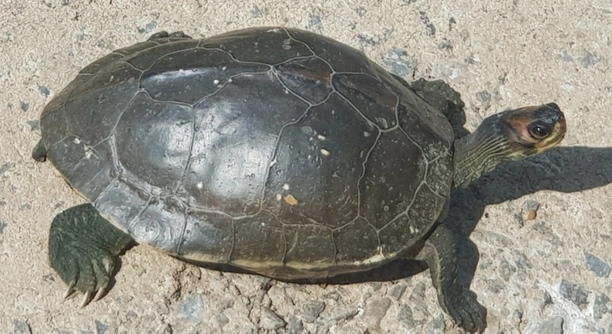
If your Indian Roofed Tortoise’s skin is flaking, it might be a sign of a common health issue. This condition can be caused by various factors that are important to identify and address for its well-being.
Skin flaking in Indian Roofed Tortoises is often linked to improper humidity levels, dehydration, or a lack of essential nutrients. These factors can lead to dry, shedding skin. Regular care and environmental adjustments are necessary to manage this condition effectively.
Addressing these factors will help ensure your tortoise remains healthy. Understanding these causes allows for practical steps to prevent further issues.
Common Causes of Skin Flaking in Indian Roofed Tortoises
One of the main reasons your Indian Roofed Tortoise’s skin may begin to flake is due to an imbalance in its environment. These tortoises need specific conditions to thrive. If the humidity is too low or if they aren’t receiving enough hydration, it can lead to dry, flaky skin. Additionally, a lack of proper UVB lighting can affect their ability to metabolize calcium and other essential nutrients. Without these factors, skin problems such as shedding or flaking can become more noticeable. Ensuring the environment is set up correctly is the first step in addressing the issue.
If your tortoise’s enclosure is too dry, consider using a humidity gauge. Adjusting the humidity and ensuring access to clean, fresh water can be the quickest way to resolve the problem.
Pay attention to your tortoise’s diet as well. A balanced diet with proper nutrients, especially calcium and vitamin D3, plays a vital role in maintaining healthy skin and overall well-being.
How to Adjust Your Tortoise’s Habitat
Start by ensuring that your tortoise’s enclosure is properly equipped with a humidifier or a water dish. This will help maintain the right level of humidity. It’s also essential to provide UVB lighting to help your tortoise absorb calcium and prevent dehydration.
Keeping your tortoise’s enclosure well-maintained is key to preventing skin issues. Consider checking the humidity and temperature daily, as these factors can fluctuate quickly. Regular cleaning of their habitat and providing fresh water can go a long way in keeping their skin healthy and preventing the shedding of flakes. Additionally, you may want to add a small soaking dish for your tortoise to help with hydration. This can help maintain skin moisture and reduce flaking caused by dehydration.
Nutrient Deficiencies That Cause Skin Flaking
A lack of essential nutrients can also lead to your tortoise’s skin flaking. Calcium, vitamin D3, and other vitamins are crucial for their health. If your tortoise isn’t getting enough of these, its skin may dry out and shed abnormally.
To address nutrient deficiencies, make sure you’re feeding your tortoise a balanced diet. Offer a variety of leafy greens, vegetables, and some fruits. Dust the food with a calcium supplement, particularly one with vitamin D3, to ensure they’re getting the nutrients they need. It’s important to provide a proper UVB light source as well since it helps with the absorption of calcium.
If your tortoise is not getting enough nutrients, it can affect their skin and overall health. You may also want to consult a veterinarian for a proper diagnosis. They can recommend specific supplements and diet adjustments. With the right care and nutrition, your tortoise’s skin should improve, and the flaking will likely stop.
Proper Hydration to Prevent Skin Issues
Keeping your tortoise well-hydrated is another essential part of preventing skin flaking. A dry environment or lack of access to water can quickly lead to dehydration and dry skin.
Ensure your tortoise always has access to fresh, clean water. You can also offer a shallow soaking dish to allow your tortoise to soak in water, which helps with hydration. Consider the humidity levels in the enclosure as well. A slightly humid environment is beneficial for keeping the skin moist and preventing excessive shedding. If your tortoise appears dehydrated, increasing the humidity and offering more soaking opportunities can make a difference.
Overheating and Its Effect on Skin Health
Excessive heat in your tortoise’s enclosure can also cause skin problems, including flaking. When temperatures are too high, it can lead to dehydration and dry skin.
Make sure the temperature in your tortoise’s habitat is stable and within the recommended range. Avoid placing heating lamps too close to their habitat, as they can raise the temperature too much. A temperature gradient is key, allowing your tortoise to move between warmer and cooler areas as needed.
The Role of Shedding in Skin Flaking
Skin flaking in tortoises can also be a natural part of their shedding process. As they grow, their old skin sloughs off to make room for new skin underneath.
Shedding is common and happens periodically. If your tortoise’s flaking is part of this process, it may not require any special treatment. Just make sure your tortoise’s environment supports healthy shedding conditions, including proper humidity and hydration. Over time, their skin will shed naturally as they grow, and the flaking should subside.
FAQ
Why is my Indian Roofed Tortoise’s skin flaking?
Skin flaking in Indian Roofed Tortoises is often caused by dehydration, low humidity, or a lack of proper nutrients. When the environment is too dry, it affects their skin, causing it to become flaky. Additionally, insufficient UVB light can hinder calcium absorption, which may contribute to dry, shedding skin. Ensuring proper hydration, humidity, and a balanced diet can help improve skin health.
How can I prevent my tortoise’s skin from flaking?
To prevent skin flaking, focus on maintaining proper humidity and hydration levels in the enclosure. Use a humidity gauge to ensure the environment isn’t too dry. Make sure your tortoise always has access to fresh water, and offer a shallow soaking dish to keep them hydrated. Additionally, providing proper UVB lighting will support calcium absorption and overall skin health.
Should I be concerned if my tortoise is shedding skin?
Shedding is a natural process for tortoises. If the flaking is part of the shedding cycle, it may not be a cause for concern. However, if the skin is excessively dry or the shedding seems abnormal, it could indicate other issues, such as dehydration or an imbalance in their diet. Keep an eye on the frequency and intensity of the flaking to ensure it is not a sign of a larger problem.
Can a lack of calcium cause skin flaking?
Yes, calcium deficiencies can lead to various health issues, including skin flaking. Without enough calcium, your tortoise may have difficulty maintaining healthy skin. Calcium is essential for shell and bone health, but it also supports skin growth. Dusting your tortoise’s food with calcium supplements can help ensure they receive enough of this important nutrient.
What should I feed my tortoise to help with skin flaking?
To improve skin health, offer a variety of leafy greens, such as collard greens, dandelion greens, and mustard greens. You can also feed them vegetables like squash, carrots, and bell peppers. Don’t forget to supplement their diet with calcium, either through powdered calcium supplements or calcium-rich foods like kale. Avoid feeding too much fruit, as it can be too sugary for tortoises and disrupt their diet.
Is humidity important for my tortoise’s skin health?
Yes, humidity plays a significant role in skin health. Low humidity can cause dehydration, which often results in dry, flaky skin. Aim for a humidity level between 50-70% in your tortoise’s enclosure. You can increase humidity by misting the habitat or using a humidity-controlled substrate, such as coconut coir.
How often should I bathe my tortoise to prevent skin problems?
While tortoises don’t need frequent baths, offering occasional soaks in shallow, lukewarm water can help with hydration and prevent dry skin. Soak your tortoise once or twice a week for 15-20 minutes. Avoid using soap or harsh chemicals in the water, as they can irritate the skin. Always supervise your tortoise during the bath to ensure it’s safe.
Can stress cause skin problems in tortoises?
Yes, stress can contribute to skin issues, including flaking. Stress can weaken the immune system, making the tortoise more prone to infections or other health problems. Factors like improper handling, environmental changes, or a lack of hiding places can cause stress. Providing a stable and quiet environment for your tortoise is key to reducing stress and supporting its overall health.
How can I tell if my tortoise is dehydrated?
Dehydration can lead to dry, flaky skin, among other signs. If your tortoise has sunken eyes, feels lightweight, or is not eating or drinking properly, it may be dehydrated. You can also gently pinch the skin on its neck or leg; if the skin doesn’t return to normal quickly, it may be a sign of dehydration. Offering a soak in lukewarm water and ensuring access to fresh water can help rehydrate your tortoise.
Should I use a special substrate to help with skin health?
Choosing the right substrate is important for maintaining humidity levels and preventing skin issues. Avoid substrates like sand or gravel, which can be too dry and abrasive. Coconut coir, organic soil, or a combination of both works well for maintaining moisture in the environment. These substrates are gentle on your tortoise’s skin and help regulate humidity levels.
Can I use moisturizers on my tortoise’s skin?
It’s generally not recommended to use human moisturizers or creams on your tortoise’s skin. These products can irritate their sensitive skin and cause more harm than good. Instead, focus on adjusting the humidity and hydration in their environment. If you notice severe skin issues, it’s best to consult a vet for proper treatment.
Is there a risk of infection if my tortoise’s skin is flaking?
In some cases, excessive skin flaking may be a sign of infection or underlying health problems. If your tortoise’s skin is swollen, bleeding, or appears infected, it’s important to consult a veterinarian. Skin infections can arise from improper care or injuries, so it’s important to address any issues promptly to avoid further complications.
Final Thoughts
Skin flaking in Indian Roofed Tortoises can be a sign of a variety of factors, such as dehydration, humidity issues, or even a natural shedding process. Understanding the cause of your tortoise’s skin flaking is key to ensuring their overall health. In most cases, addressing environmental factors like humidity, temperature, and hydration can help resolve the problem. A balanced diet, proper UVB lighting, and access to fresh water are all essential components of keeping your tortoise’s skin healthy. It’s important to observe your tortoise’s behavior and look for any other symptoms, such as lethargy or lack of appetite, which could indicate a more serious health issue.
When dealing with skin flaking, it’s always best to start by checking the basic conditions of your tortoise’s habitat. Ensuring that their enclosure has the right temperature, humidity, and UVB lighting can make a huge difference in their skin health. Regular soaking and providing fresh water are simple steps you can take to support hydration. If skin flaking is due to shedding, it will generally resolve itself over time, but if the problem persists or worsens, seeking advice from a vet is a good option. Additionally, making sure your tortoise’s diet is nutrient-rich with enough calcium can help maintain healthy skin and shells.
In conclusion, most instances of skin flaking in Indian Roofed Tortoises can be managed with proper care and attention to their environment and diet. Ensuring a well-maintained habitat and a balanced diet can go a long way in preventing these issues. If the flaking is part of natural shedding, it will usually resolve itself. However, if you notice other concerning signs, it’s always a good idea to consult a vet. By staying attentive and making necessary adjustments to their care routine, you can help your tortoise stay healthy and comfortable.

Hello,
If you enjoy the content that we create, please consider saying a "Thank You!" by leaving a tip.
Every little bit helps us continue crafting quality advice that supports the health, happiness, and well-being of pets around the world, for pets of all shapes, sizes, and species.
We really appreciate the kindness and support that you show us!