
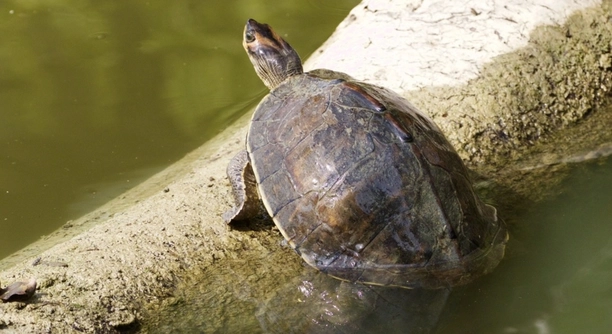
Breeding Indian Roofed Tortoises can be a rewarding experience, but it requires careful preparation and knowledge. Understanding their needs and the best practices will ensure the process is successful and healthy for the tortoises.
Breeding Indian Roofed Tortoises involves providing the right environment, diet, and temperature. It’s crucial to mimic their natural habitat, ensuring proper humidity levels, UV light exposure, and adequate space. These steps promote successful breeding and the overall well-being of the tortoises.
Knowing these essential factors will help you prepare for breeding, ensuring the safety and success of your tortoises’ growth and development.
Creating the Right Environment for Breeding
A suitable environment is one of the most important factors when breeding Indian Roofed Tortoises. These tortoises are native to warm climates, so it is essential to recreate conditions similar to their natural habitat. A well-maintained enclosure should have areas for both basking and hiding. This balance helps them feel secure and encourages proper behavior. The enclosure should be large enough to allow for movement and exercise, ensuring they stay healthy.
Proper temperature control is also vital. You’ll need to maintain a warm environment with a basking area heated to about 90°F and a cooler area around 75°F. Nighttime temperatures should drop to around 65°F, mimicking natural shifts in their habitat. Lighting is crucial as well. A combination of UVB lights and natural sunlight ensures your tortoises receive the necessary exposure for healthy shell growth and vitamin D production.
Keeping the habitat clean and providing enough space will create a stress-free environment that encourages breeding. A well-planned space improves the chances of successful reproduction.
Diet and Nutrition
A proper diet is essential when breeding Indian Roofed Tortoises. Their food should be varied, including leafy greens, fruits, and vegetables.
Offering a mix of nutritious food ensures they receive the proper vitamins and minerals to support healthy breeding. Proper hydration is also crucial.
Providing Proper Lighting and UVB Exposure
Lighting is key to ensuring your Indian Roofed Tortoises stay healthy. They need UVB light to help with calcium absorption and shell development.
UVB light should be provided for 10-12 hours a day. It’s essential to use high-quality UVB bulbs that mimic natural sunlight. Placing the light close enough to the tortoises allows them to bask and absorb the UV rays efficiently. Avoid using regular incandescent bulbs, as they don’t provide the necessary UVB radiation. Regularly replacing the UVB bulbs is crucial to maintaining optimal health.
Natural sunlight can be beneficial if you can provide access to a secure outdoor area. However, be sure to provide shelter from extreme weather conditions and predators. Too much direct sunlight can also cause overheating, so always provide shade. The right lighting and UVB exposure are essential for breeding success.
Managing Temperature and Humidity
Temperature and humidity must be carefully managed to ensure your tortoises are comfortable. A warm, humid environment supports proper health and breeding behavior.
Keep the basking area around 90°F while the cooler side should stay around 75°F. Maintaining these temperatures encourages healthy digestion and overall well-being. During the night, temperatures should drop to 65°F to simulate natural cycles. The humidity level should be between 50-70%. Excessively dry conditions can lead to respiratory issues, while too much moisture can cause fungal infections. Use a hygrometer to monitor the humidity accurately.
You may need to adjust these conditions based on the specific needs of the tortoises and the climate of your home. Make sure the temperature and humidity are consistent to promote proper growth and successful breeding.
Monitoring Breeding Behavior
It’s essential to observe your tortoises closely to understand when they’re ready to breed. Breeding behavior can include increased activity and males attempting to mount females.
Mating usually happens during the warmer months when the conditions are right. Male tortoises will often chase the females, attempting to mate. You should monitor the process closely to ensure no injuries occur, especially if the males become overly aggressive.
If breeding doesn’t occur right away, don’t worry. It may take time for the female to become receptive. Patience is key when trying to breed Indian Roofed Tortoises.
Egg Laying Conditions
Once mating is successful, it’s important to prepare for egg-laying. The female will need a safe, secluded place to lay her eggs.
Provide a nesting box with soft soil or sand that’s deep enough for her to dig. Ensure the environment is quiet, as stress can prevent the tortoise from laying eggs. Avoid disturbing her during the process, as this can make her anxious. Keep the temperature consistent to help her feel secure and comfortable in her nesting area.
FAQ
What should I do if my tortoises aren’t mating?
If your tortoises aren’t mating, check the environmental conditions first. Make sure the temperature, humidity, and lighting are correct. Sometimes, stress or poor diet can affect their readiness to breed. It may take time for them to mate, so don’t worry too much if it doesn’t happen immediately. Ensure the male isn’t too aggressive, as this can deter the female from mating.
How do I know if my tortoise is pregnant?
A female tortoise may show signs of pregnancy, such as increased appetite or a noticeable belly. If she has mated with a male, there’s a possibility she could be carrying eggs. However, the best way to confirm pregnancy is to take her to a vet who can perform an ultrasound. Pregnant females will need extra care, including a proper diet and suitable nesting conditions.
How long does it take for Indian Roofed Tortoises to lay eggs after mating?
Indian Roofed Tortoises typically lay eggs about 30 to 60 days after mating. The time can vary depending on environmental factors, such as temperature and humidity. The female will start digging and looking for a place to lay her eggs once she’s ready. Once she’s done, make sure to provide her with a quiet, stress-free environment for the egg-laying process.
Can I leave the eggs in the enclosure?
It’s not recommended to leave the eggs in the enclosure with the mother, as other tortoises or animals may damage them. Once the eggs are laid, gently remove them and place them in an incubator. Set the incubator to the right temperature, usually around 85°F, and make sure to monitor the humidity levels closely. This will help ensure the eggs develop properly.
What temperature should I keep the incubator at for Indian Roofed Tortoise eggs?
For Indian Roofed Tortoise eggs, the temperature in the incubator should be between 85°F and 90°F. This range mimics the natural conditions they would experience. It’s also important to maintain a humidity level of around 70-80%. Check the temperature and humidity regularly to avoid any drastic changes that might affect the eggs.
How long does it take for the eggs to hatch?
The incubation period for Indian Roofed Tortoise eggs typically lasts around 60 to 90 days. The exact duration can vary depending on the temperature and humidity in the incubator. Warmer temperatures may shorten the incubation time, while cooler temperatures can extend it. Always ensure the eggs are in a stable environment to avoid complications during hatching.
What should I do if the eggs don’t hatch?
If the eggs don’t hatch within the expected timeframe, it’s important to check the conditions of the incubator. Too much or too little humidity, or fluctuating temperatures, could cause the eggs to fail. Sometimes, eggs can develop improperly, and in such cases, you may need to consult a reptile vet for advice. If the eggs do not hatch after a long period, they may not be viable.
How can I tell if an egg is fertile?
You can check the fertility of the eggs by candling them. This involves holding a bright light against the egg to see the internal structure. Fertile eggs will show a small, dark mass, often accompanied by veins. Infertile eggs typically appear clear. Candling should be done gently to avoid damaging the egg.
Do I need to separate the male and female after mating?
It’s a good idea to separate the male and female after mating if you don’t want them to continue mating. Male tortoises can become quite persistent, and prolonged mating attempts can stress the female. If you’re not ready for another breeding cycle, separating them will give the female some time to rest.
How do I care for the hatchlings?
Once the eggs hatch, the baby tortoises should be kept in a separate, safe enclosure with similar temperature and humidity conditions to what they would experience in the wild. Ensure they have access to water, and offer them small portions of the same diet as the adults, including leafy greens and soft fruits. Make sure they have plenty of space to move around and hide when needed. Keeping the hatchlings in a secure and stress-free environment will allow them to grow and thrive.
Final Thoughts
Breeding Indian Roofed Tortoises can be a rewarding experience if done with the right knowledge and care. By ensuring the correct temperature, humidity, lighting, and proper diet, you can help your tortoises stay healthy and prepared for breeding. The key is to provide a stable and stress-free environment for both the male and female tortoises. Regular monitoring of their behavior and habitat conditions is essential to ensure a successful breeding process.
While the process may seem daunting at first, following the steps carefully and with patience can lead to successful egg laying and hatching. Understanding the needs of both the female and the male tortoise will make the breeding process smoother. Make sure you’re prepared for the long-term commitment that comes with raising hatchlings. From managing the eggs to caring for the baby tortoises, this process requires a dedicated approach and attention to detail.
Overall, breeding Indian Roofed Tortoises is an intricate yet fulfilling process. It requires research, understanding, and time. By providing the right care for your tortoises, you can help ensure the health and well-being of both the adults and their future offspring. Whether you’re breeding for personal enjoyment or as a means of conservation, these tortoises can thrive with proper care. It’s important to stay patient, observant, and prepared to adapt as needed to the different stages of the breeding cycle.

Hello,
If you enjoy the content that we create, please consider saying a "Thank You!" by leaving a tip.
Every little bit helps us continue crafting quality advice that supports the health, happiness, and well-being of pets around the world, for pets of all shapes, sizes, and species.
We really appreciate the kindness and support that you show us!