
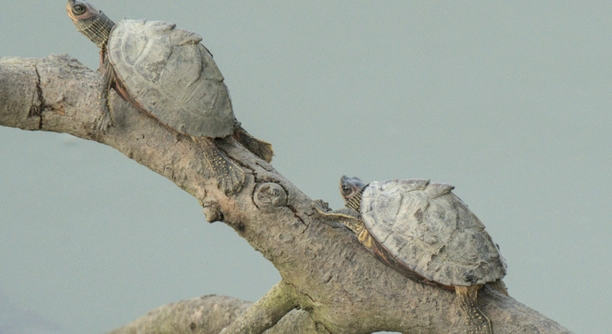
Providing enrichment for your Indian Roofed Tortoise is essential for its health and happiness. These tortoises require stimulation beyond their basic needs to thrive and live a fulfilled life. It can be simple to implement.
Offering a variety of activities, like hiding food, providing safe spaces to explore, and introducing different textures, can significantly improve your tortoise’s mental and physical well-being. Consistent enrichment helps mimic natural behaviors and fosters overall health.
There are many ways to create an engaging environment for your tortoise. By following these simple methods, you can help your pet lead a more active and enriching life.
Hiding Food and Treats
Hiding food for your Indian Roofed Tortoise can be a simple yet effective way to provide enrichment. You can place their food in different areas of the enclosure to encourage exploration. Tortoises naturally forage for food, so hiding their meals gives them the opportunity to engage in this behavior. You can hide the food under leaves, in small boxes, or behind rocks. This not only provides physical stimulation but also mental challenge. If you mix it up occasionally, your tortoise will look forward to mealtime with enthusiasm.
While food hiding seems like a small task, it has big rewards. It adds variety and promotes natural instincts. These activities keep your tortoise engaged, reducing stress and the risk of boredom.
Changing the location of food often helps your tortoise stay active. Adding a few more obstacles or even using new scents can make the experience more exciting and rewarding. They will enjoy the hunt for their food, which keeps them mentally sharp and physically active.
Provide Hiding Spots
Hiding spots are essential for your tortoise to feel secure. They offer a safe space to retreat when needed.
Tortoises, like many reptiles, need privacy to rest and feel safe. Adding small hiding spaces in their environment can help them feel more comfortable and reduce stress. You can use logs, overturned pots, or even plastic shelters to create these hiding spots. Placing these in different corners will give your tortoise the chance to choose where to rest. It is important to ensure that these spaces are easily accessible and free from hazards.
These hiding spots help replicate their natural environment, where they would seek shelter in the wild. By providing this opportunity, you contribute to your tortoise’s overall well-being. A secure and calm space is essential for mental health, especially for an animal that spends time in a controlled environment. These spots can also be used as places for them to sleep, retreat from light, or simply relax after a long day of activity.
Offer Varied Textures
Introducing various textures in your tortoise’s environment is an excellent way to stimulate its senses. Items like smooth rocks, rough bark, or soft moss will keep them curious. This variety encourages exploration and provides physical challenges as your tortoise interacts with the different surfaces. These textures are essential for promoting healthy movement and preventing shell degradation.
You can also add different types of flooring, such as coconut coir or sand, to mimic natural surfaces. Over time, the varied textures will keep your tortoise engaged, as they will instinctively explore new textures and materials. Incorporating textures that are safe and comfortable for your tortoise will prevent them from experiencing stress or discomfort.
Textures in the habitat help create a more engaging environment. They encourage your tortoise to move around, stimulating physical activity, and making the space feel more natural. Over time, your tortoise will find more enjoyment in exploring its surroundings.
Create a Balanced Light-Dark Cycle
Creating a balanced light-dark cycle is crucial for the health of your tortoise. Ensure there is a distinct period of light and darkness, mimicking natural day and night cycles. This will regulate their sleep patterns and help with digestion. The light should be bright enough for them to bask and receive vitamin D, which is essential for their well-being.
Artificial lights can be used to control the lighting environment, with UVB lights being particularly important for tortoises. This helps them maintain a healthy metabolic rate and prevents conditions like shell deformities or metabolic bone disease. Just be sure to follow proper guidelines for light exposure, as too much or too little light can cause problems.
A well-maintained light-dark cycle promotes better overall health for your tortoise. It not only mimics their natural environment but also helps establish a routine that supports their biological needs. This natural rhythm is essential for long-term happiness and vitality.
Add Water Features
Including a small water feature in your tortoise’s enclosure can be beneficial. It can provide hydration and allow for some enrichment. A shallow dish or small pond can be added to encourage natural drinking and bathing behavior. Make sure the water is always fresh and easily accessible.
Tortoises enjoy soaking in water, especially after eating, which helps with digestion. A shallow pool or dish gives them the option to submerge if needed without posing a drowning risk. You can also place small stones around the water to provide a natural appearance and further encourage exploration.
Water features help mimic their natural environment. A well-maintained water source promotes hydration and keeps your tortoise active as it interacts with its surroundings.
Rotate Toys and Objects
Rotating toys and objects in the enclosure can keep things interesting. Switching up items like small tunnels, toys, or climbing obstacles keeps the space from becoming monotonous. It also stimulates their curiosity, which helps maintain their mental health.
Tortoises are intelligent and thrive when there is something new to explore. By rotating objects, you keep their environment fresh and ensure they remain mentally challenged. Simple toys, such as small wooden blocks or natural objects like branches, can be used for this. A change of scenery also gives your tortoise new tasks, making them more engaged with their habitat.
These rotations don’t need to happen often but should be done regularly enough to prevent boredom. Keeping things new and exciting is one of the easiest ways to enrich your tortoise’s life.
Encourage Natural Foraging Behavior
Foraging for food is a natural behavior that provides mental and physical stimulation. Hiding food in different spots or scattering it around the enclosure can encourage your tortoise to search for its meals. This stimulates its instincts and prevents overeating from easy-to-reach food.
Foraging also helps prevent stress and boredom. Tortoises enjoy the challenge of searching for food, as it mimics the experience of foraging in the wild. The activity can keep them active and engaged, providing both mental and physical enrichment. You can vary the types of food and places to increase the challenge.
This simple activity helps keep your tortoise engaged and healthy. It also provides variety in their diet, which is important for maintaining a balanced nutritional intake.
FAQ
How much space does an Indian Roofed Tortoise need?
Indian Roofed Tortoises require a spacious environment to move around freely. A minimum of 4 feet by 2 feet of space is recommended for one tortoise. This allows them to explore, roam, and forage, which is crucial for their well-being. Larger enclosures are always better, especially if you plan to keep more than one tortoise.
A bigger space encourages activity and helps prevent stress. The enclosure should include areas for basking, hiding, and walking, providing both physical and mental stimulation. Remember to include places for them to retreat to when they feel insecure or need rest.
The more space you offer, the more opportunities your tortoise will have to engage with its surroundings. Enclosures should have enough room for objects like rocks or logs for climbing and other forms of enrichment.
What temperature is ideal for an Indian Roofed Tortoise?
Indian Roofed Tortoises require a temperature gradient in their enclosure. The basking area should be around 90°F (32°C), while the cooler side should be between 75°F (24°C) and 80°F (27°C). This range helps them regulate their body temperature and maintain proper health.
Proper temperature regulation is vital for digestion and metabolism. During the night, temperatures can drop to around 70°F (21°C), but it should not go below 65°F (18°C) for long periods. Using a combination of heat lamps and a thermostat will help you maintain these temperatures consistently.
Ensuring the right temperature encourages natural behavior, such as basking and foraging, which are necessary for a healthy tortoise. Avoid placing the heat source too close to the tortoise to prevent overheating.
Can I keep multiple Indian Roofed Tortoises together?
Indian Roofed Tortoises are generally solitary animals and may not tolerate the presence of other tortoises in close quarters. If kept together, they should have enough space to establish their own territories. Conflicts can arise if one tortoise feels crowded or threatened, leading to stress or even aggression.
If you plan to keep multiple tortoises, ensure that their enclosure is large enough for each to have its own basking spot and hiding place. Monitor their behavior closely, as some tortoises may display territorial aggression, especially during feeding times or mating seasons.
It’s best to observe your tortoises’ interactions and make changes if necessary to avoid conflict. Individual care may be the best solution if aggression continues.
What should I feed an Indian Roofed Tortoise?
Indian Roofed Tortoises are herbivores and should be fed a diet rich in leafy greens, grasses, and vegetables. Foods like dandelion greens, collard greens, and mustard greens are excellent choices. Avoid feeding them too many fruits, as this can cause digestive issues.
In addition to vegetables, you can offer them flowers like hibiscus and clover, which add variety to their diet. It’s important to avoid high-oxalate foods like spinach and rhubarb, as they can cause kidney issues if fed in large quantities.
Supplementing their diet with calcium powder or cuttlefish bone helps prevent shell deformities and supports overall bone health. Fresh water should always be available for drinking and soaking.
How often should I feed my tortoise?
Indian Roofed Tortoises should be fed every day, especially when they are young. As they grow, they can be fed every other day. The amount of food depends on the size of the tortoise, but it should be enough to allow them to graze and eat without overeating.
Offering fresh food daily encourages natural foraging behavior. You should ensure that any leftover food is removed from the enclosure to maintain a clean environment. Fresh, clean water should always be available for drinking and soaking, as dehydration can lead to serious health issues.
Do I need to provide UVB lighting for my tortoise?
Yes, UVB lighting is essential for Indian Roofed Tortoises. UVB rays help them synthesize vitamin D3, which is crucial for calcium absorption and overall bone health. Without UVB light, your tortoise may develop metabolic bone disease or other health issues.
Use a UVB bulb specifically designed for reptiles, and ensure it is positioned correctly in the enclosure. The bulb should be replaced every 6 to 12 months, as its effectiveness decreases over time. Aim to provide 10-12 hours of UVB light each day, mimicking natural sunlight.
You can also allow your tortoise some outdoor time in a secure, safe area to absorb natural sunlight. Just be sure the temperature is appropriate, and they are not exposed to any hazards like predators or toxic plants.
How can I tell if my tortoise is sick?
Sick tortoises may display a variety of symptoms, such as a lack of appetite, lethargy, respiratory issues (wheezing, nasal discharge), or abnormal behavior. If your tortoise is not eating or drinking, this is a sign of potential health problems and should be addressed quickly.
Other signs of illness include shell deformities, discoloration, or softening. Check for swollen eyes, labored breathing, or changes in their feces. Any noticeable change in behavior or appearance warrants a trip to a reptile vet for proper diagnosis and treatment.
Regular monitoring and proper care can help prevent many health problems. Ensure your tortoise has a suitable environment and diet to minimize risks of illness.
Can I bathe my tortoise?
Bathing your Indian Roofed Tortoise is a great way to help with hydration and cleanliness. You can offer a shallow bath using lukewarm water, ensuring it’s deep enough for your tortoise to soak comfortably but not so deep that it risks drowning.
Bathing can help soften the skin and encourage your tortoise to drink water. It’s especially beneficial if they are showing signs of dehydration. You should never leave them unattended in water, and always remove them after 15 to 20 minutes to prevent stress.
Bathing is not required daily but can be done once a week or as needed, particularly during shedding or if they are not drinking enough water.
Taking care of an Indian Roofed Tortoise requires understanding their needs and providing the right environment. These animals thrive in spacious enclosures with proper temperature control, and access to UVB light is crucial for their health. Their diet should consist mainly of leafy greens and some flowers, with occasional vegetables. Regular hydration and access to fresh water are important for their overall well-being.
Maintaining their habitat with plenty of hiding spots, climbing structures, and natural elements like rocks and logs encourages them to move around and stay active. This type of enrichment is not only good for their physical health but also supports their mental stimulation. Stress is something to watch out for, as it can lead to health issues. Therefore, it’s essential to ensure that they have enough space to feel comfortable.
By following the proper guidelines for diet, habitat, and care, an Indian Roofed Tortoise can live a long, healthy life. Regular check-ups with a reptile vet can help ensure that they are free from illness and that their living conditions remain optimal. Providing them with an enriching environment will allow them to thrive and enjoy a peaceful, active life.

Hello,
If you enjoy the content that we create, please consider saying a "Thank You!" by leaving a tip.
Every little bit helps us continue crafting quality advice that supports the health, happiness, and well-being of pets around the world, for pets of all shapes, sizes, and species.
We really appreciate the kindness and support that you show us!