
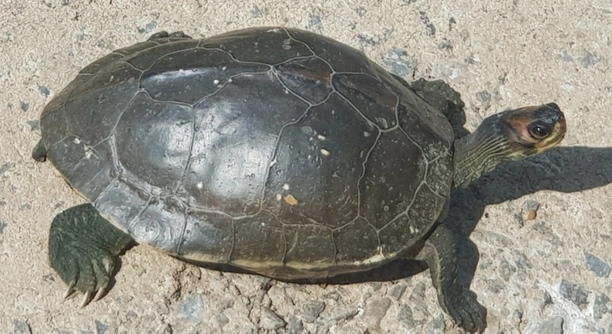
Do you have an Indian roofed tortoise and wonder why it is stomping its feet?
The stomping behavior of an Indian roofed tortoise is typically a sign of territoriality, discomfort, or an attempt to communicate with its surroundings. This action could also stem from excitement or frustration in certain situations.
Understanding the reasons behind this behavior will help ensure your tortoise stays happy and healthy. Keep reading to discover more about the stomping and how to address any concerns.
Understanding Your Tortoise’s Stomping Behavior
Indian roofed tortoises may stomp their feet for a variety of reasons. One common cause is that they feel threatened or want to establish dominance in their environment. This could happen if there are other animals nearby or if they are startled. Sometimes, stomping occurs when they are trying to get your attention, especially if they are kept in captivity. They might also stomp as a way of navigating their space, as this action helps them feel more secure. It is essential to observe your tortoise’s surroundings and routine to understand if there are changes that could trigger this behavior.
If your tortoise stomps frequently, it’s important to consider its living conditions. Ensure the habitat is comfortable, with enough space and proper temperature. Too much stress or a lack of stimulation could cause your tortoise to act out. This behavior might also be related to the presence of a mate or another animal in its territory.
In some cases, the stomping may indicate excitement or frustration. When they feel a sense of urgency or anticipation, such as during feeding time, the stomping could be a response to those emotions. Understanding the context of when the stomping happens will help you figure out what your tortoise needs or is experiencing.
How Environment Affects Stomping
Your tortoise’s environment plays a big role in its behavior. If it feels crowded or uncomfortable, stomping can be a way of coping with stress.
A clean, spacious, and enriching habitat will help reduce negative behaviors. Adding hiding spots, rocks, or plants can create a more secure environment, leading to less stomping.
Stomping During Mating Season
During mating season, stomping can become more frequent. Male tortoises, in particular, stomp to assert their presence and attract a mate. This behavior is part of their natural instincts to show dominance and to signal their readiness to reproduce.
If your tortoise is stomping around this time, it’s likely due to these mating behaviors. It is important to monitor their activity to make sure they are not overly stressed or injuring themselves. Female tortoises may also stomp, especially if they feel the need to defend their space. Understanding these seasonal changes helps in ensuring the comfort and well-being of your tortoise.
If you’re keeping both male and female tortoises together, they may exhibit heightened stomping, as the males may become more territorial. At this point, providing a separate space for each tortoise can reduce the amount of stress caused by constant interaction. Keeping a balanced environment will minimize the negative effects of these natural instincts.
Tortoise Stomping as a Sign of Hunger
Stomping could be a sign that your tortoise is hungry and looking for food. Some tortoises stomp to get attention when they’re in need of nourishment.
It’s important to feed them a balanced diet regularly. Their stomping may increase around feeding times or when they’re anticipating a meal. Make sure they’re getting the right amount of nutrients and that their feeding schedule is consistent.
Stress and Anxiety in Tortoises
Tortoises may stomp if they are feeling stressed or anxious. Changes in their environment, such as new animals or loud noises, can trigger this behavior. Stress can also occur if they are handled too often or if their habitat isn’t suited to their needs.
It’s important to create a stable, quiet environment for your tortoise. Keeping their living area consistent and free of sudden disturbances will help them feel more secure. The stomping behavior should decrease once the source of stress is removed. If the behavior persists, try observing their daily routine for signs of discomfort.
Temperature and Stomping Behavior
If the temperature in your tortoise’s habitat is too high or too low, it could cause them to stomp. Tortoises are highly sensitive to temperature changes, and improper conditions can make them feel uncomfortable or restless.
Ensure that your tortoise’s environment maintains a consistent temperature, with a warm basking area and cooler shaded spaces. Adjusting the temperature to meet their needs can help reduce stress-related stomping.
FAQ
Why does my Indian roofed tortoise stomp its feet?
Tortoises stomp for a variety of reasons. It could be to communicate with their environment, establish territory, or signal discomfort. They might also stomp when they are hungry or excited. Understanding the context in which it happens can help determine the exact cause.
Is stomping normal for tortoises?
Yes, stomping is generally normal for tortoises, especially when they are adjusting to their surroundings, trying to get attention, or expressing excitement. It is often seen in Indian roofed tortoises when they feel playful, anxious, or hungry. As long as it’s not excessive, there is usually no need for concern.
Can stomping be a sign of illness in my tortoise?
While stomping can be linked to various natural behaviors, it can sometimes signal discomfort or pain. If your tortoise is stomping along with other signs like lethargy, loss of appetite, or unusual shell behavior, it could indicate an illness. It’s best to monitor for any additional symptoms and consult a vet if necessary.
How can I reduce stomping if it’s caused by stress?
If your tortoise is stomping due to stress, the first step is to examine their environment. Ensure their habitat is peaceful, with no loud noises or aggressive animals nearby. Additionally, providing hiding spaces, consistent temperatures, and minimizing handling can help reduce their anxiety and stomping behavior.
Do I need to separate my tortoises if they’re stomping?
If you have multiple tortoises, particularly males, their stomping might be related to territorial disputes or mating behaviors. If the stomping becomes aggressive or too frequent, consider separating them into different enclosures to give each tortoise its own space. This can help reduce stress and prevent injuries.
Can stomping be a sign that my tortoise wants a mate?
Yes, stomping is a common behavior in male tortoises during mating season. They may stomp to attract females or to show dominance. Female tortoises may also stomp if they feel territorial. If you have multiple tortoises and notice increased stomping, it may be related to mating behavior.
How do I know if my tortoise is stomping because it’s hungry?
Tortoises often stomp around feeding time as a way to signal hunger. They may stomp repeatedly or pace back and forth when they expect food. If this behavior occurs consistently before meal times, it’s likely a sign that your tortoise is trying to communicate its hunger.
Can stomping affect my tortoise’s health?
Generally, occasional stomping does not harm a tortoise. However, if it is caused by stress, an uncomfortable environment, or poor living conditions, it may affect their overall health. Prolonged stress can lead to issues such as decreased appetite, weight loss, or shell problems. Ensure your tortoise’s habitat is suitable to reduce these risks.
How can I tell if my tortoise is stomping due to temperature issues?
If your tortoise is stomping frequently, check the temperature of their habitat. Tortoises need a warm basking spot and cooler shaded areas. If the temperature is too hot or cold, they may become restless, leading to stomping. Adjust the temperature to fit their needs to help them feel more comfortable.
Is stomping a sign of excitement or frustration?
Tortoises can stomp as a way to express excitement or frustration. If they are eagerly anticipating food, a mate, or a change in their environment, stomping might be their way of reacting. Frustration can also occur if they are unable to access something they want, such as food or space.
How can I ensure my tortoise is happy and stomping less?
To keep your tortoise happy and reduce excessive stomping, provide a well-maintained, spacious habitat. Ensure the temperature is appropriate, offer a varied diet, and minimize any stressors in their environment. Regularly interact with your tortoise and create an enriching space for them to explore, helping them feel secure and content.
Can stomping mean my tortoise is trying to communicate with me?
Yes, stomping can be a form of communication. Tortoises may stomp to get your attention, signal hunger, or express curiosity. They are not as vocal as some other pets, so physical actions like stomping become a way for them to let you know their needs or feelings.
Should I be worried if my tortoise is stomping a lot?
While stomping is a normal behavior, excessive stomping could be a sign of discomfort or stress. If the stomping becomes repetitive or paired with other concerning signs like changes in eating habits, lethargy, or shell damage, it’s important to assess the environment and consult a vet if needed.
Final Thoughts
Understanding why your Indian roofed tortoise is stomping its feet can help you provide a better environment for them. Stomping is often a natural behavior that tortoises use to communicate or express certain emotions. Whether it’s to show territorial dominance, get your attention, or signal hunger, this action is usually harmless. However, if stomping is accompanied by other signs of stress or illness, it’s important to address the underlying cause and ensure your tortoise feels comfortable in its habitat.
Taking steps to manage the environment of your tortoise can significantly reduce unnecessary stomping. Creating a calm, quiet space with appropriate temperature control and enrichment can help your tortoise feel secure and less stressed. If you have multiple tortoises, consider giving them enough space to avoid territorial disputes. Regularly observe their behavior to ensure they aren’t feeling overcrowded or disturbed. With a bit of attention to their needs, you can create an environment that minimizes stomping and promotes overall well-being.
Ultimately, stomping is just one of many ways your tortoise communicates. It’s important to pay attention to the context and other factors in their environment to understand what they might need. Whether it’s improving their living conditions, adjusting their diet, or addressing potential health concerns, ensuring that your tortoise is happy and healthy will help minimize behaviors like stomping. If you ever feel uncertain about your tortoise’s health or behavior, it’s always a good idea to consult with a vet who can guide you in the right direction.

Hello,
If you enjoy the content that we create, please consider saying a "Thank You!" by leaving a tip.
Every little bit helps us continue crafting quality advice that supports the health, happiness, and well-being of pets around the world, for pets of all shapes, sizes, and species.
We really appreciate the kindness and support that you show us!