
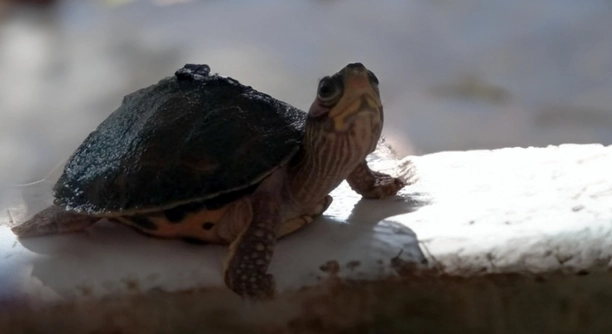
Indian Roofed Tortoises are fascinating creatures that thrive in a natural environment. However, sometimes they may need extra help to maintain their energy levels. In this article, we will discuss ways to boost their vitality naturally.
Improving an Indian Roofed Tortoise’s energy can be achieved through a variety of natural methods, including proper diet, environmental adjustments, and providing opportunities for exercise. These approaches help optimize their health and overall activity levels.
By making simple adjustments in your tortoise’s care routine, you can see improvements in their energy. These methods are easy to implement and contribute to your pet’s long-term well-being.
Proper Diet for Your Indian Roofed Tortoise
A balanced diet plays a vital role in an Indian Roofed Tortoise’s energy levels. Offering a variety of fresh vegetables, fruits, and leafy greens can help provide the essential nutrients they need to stay healthy and active. You can feed them dandelion greens, hibiscus flowers, and squash, which are not only nutritious but also help with digestion. It’s also crucial to avoid high-protein foods like meat or dairy products, as they can affect their health. Additionally, ensure that the food you offer is free from pesticides or harmful chemicals. You may want to rotate their food choices to prevent any nutritional imbalances, as variety keeps them interested in eating and promotes overall vitality.
A high-fiber diet helps support digestion and energy. Offering calcium-rich foods will also aid in their shell health.
Tortoises need access to fresh water at all times, as dehydration can leave them feeling sluggish. Make sure to clean their water bowl regularly to prevent any bacteria buildup. Adding fresh fruits like melon or berries occasionally can provide hydration along with nutrients, making it a great snack that boosts energy. A proper diet helps ensure they get the energy they need to stay active throughout the day.
Environmental Factors to Consider
The environment you provide for your tortoise can significantly impact their energy levels.
Temperature is one of the most important factors. Ensure they have a basking spot with appropriate heat, as it helps them digest food and regulate their body temperature. A warm environment encourages movement, which in turn increases their energy. Ensure that the cooler side of their enclosure remains low enough for them to escape the heat when needed. Using a UVB light is also essential as it helps them synthesize vitamin D, promoting healthy bones and shell growth.
It’s crucial to regularly clean their living space, as a dirty environment can lead to stress and lower energy. By providing a habitat that meets their needs, you are giving them the best chance to feel energized and active. Be sure to monitor humidity levels as well, especially if you live in a dry area. A balanced, safe environment will help your tortoise feel more comfortable, leading to higher activity levels and overall well-being.
Reducing Stress
Stress can drain your tortoise’s energy.
Tortoises need a calm and quiet environment to feel safe. Loud noises or sudden changes in their surroundings can cause stress, making them lethargic. To reduce stress, make sure their enclosure is in a low-traffic area and avoid handling them too much. Keep the environment stable to ensure they feel secure.
Introducing items like hide boxes or plants can help provide a sense of security. Keeping their space clean and free from excessive disturbance allows them to rest and recharge. A stress-free tortoise will be more energetic and active.
Hydration
Proper hydration is essential for energy.
Your tortoise should always have access to fresh, clean water. Dehydration can lead to sluggishness, so it’s important to monitor their water intake. You can also offer water-rich fruits like watermelon to keep them hydrated. Keeping water available at all times helps maintain their energy levels and overall health.
Shell Care
A healthy shell is key to your tortoise’s energy.
Regularly check your tortoise’s shell for any signs of damage or infections. A shell in good condition helps them move freely and with energy. It’s essential to provide a proper diet, good hygiene, and access to sunlight for optimal shell health.
FAQ
How can I tell if my tortoise is too tired or sick?
If your tortoise is not moving around much, has a lack of appetite, or seems unusually withdrawn, it could be a sign of illness or fatigue. Keep an eye on their behavior and overall appearance. Signs like cloudy eyes, difficulty breathing, or abnormal shell conditions should prompt an immediate visit to a veterinarian. Fatigue can also be caused by poor diet, improper lighting, or an unsuitable environment, so be sure to check their habitat and diet to rule out those factors.
Can I overfeed my tortoise to make it more energetic?
Overfeeding a tortoise is not the solution to boosting its energy. In fact, feeding them too much can lead to obesity and other health issues, which will negatively affect their energy levels. Focus on offering a balanced diet with appropriate portion sizes. Make sure to offer them a variety of leafy greens, vegetables, and occasional fruits, but never overdo it. Regular feeding times with the right amount of food will keep them healthy and energized in the long run.
What are the best foods to improve my tortoise’s energy?
To boost your tortoise’s energy, focus on high-fiber foods like dandelion greens, clover, and hibiscus flowers. Calcium-rich foods like kale and collard greens support shell health, while fruits like berries or melon can be offered occasionally as treats to keep them hydrated. Avoid foods that are too high in protein or sugar, as they can cause health problems. A variety of greens and veggies, combined with a consistent diet, will help your tortoise maintain the energy it needs.
Should I be concerned if my tortoise is not basking?
Basking is essential for a tortoise’s overall health, as it helps regulate their body temperature and allows them to absorb UVB rays, which are vital for producing vitamin D3. If your tortoise isn’t basking, it could indicate that the temperature of the basking area is too low or too high, or that the lighting is inadequate. Make sure the basking spot is between 85°F to 95°F (29°C to 35°C), with a UVB light to support their health. If your tortoise still avoids basking, it might be a sign of illness, so check for other symptoms and consult a vet.
How often should I let my tortoise outside?
Allowing your tortoise outside a few times a week, when the weather is appropriate, can help improve their energy levels. Fresh air, natural sunlight, and the opportunity to roam on grass are all beneficial for their health. However, make sure the outdoor area is secure and free from predators. It’s also important to supervise them while they are outside to prevent accidents. If you cannot take your tortoise outside, make sure they have a spacious and enriched indoor enclosure with access to proper lighting.
How can I make my tortoise’s enclosure more engaging?
To keep your tortoise active and mentally stimulated, add items like rocks, logs, or plants to their enclosure. These provide opportunities for climbing, hiding, and exploring. A variety of textures such as soft grass, sand, and soil also encourages natural behavior. Make sure the enclosure is large enough to allow them to roam freely. Regularly changing their environment will keep them interested and engaged. Always keep their space clean and check for any areas that could be hazardous, ensuring they stay safe while exploring.
Can I provide my tortoise with a friend for company?
Tortoises are solitary creatures by nature, and adding a companion to their enclosure can sometimes cause stress or aggression. If you do decide to introduce another tortoise, be prepared for potential territorial behavior or fights. It’s essential to monitor their interactions closely. In most cases, it’s best to keep your tortoise alone in a spacious, well-designed environment. However, if you provide enough enrichment, your tortoise will remain active and happy without the need for a companion.
Is it normal for my tortoise to sleep a lot?
Tortoises are naturally more active during certain times of the day, usually when it’s warm. If your tortoise is sleeping more than usual, check the temperature and humidity in their enclosure. If it’s too cold, they may become lethargic and sleep more than normal. It’s important to maintain a proper thermal gradient in their space, with a warm basking area and cooler zone to allow them to regulate their body temperature. Excessive sleep or inactivity could also signal an underlying health issue, so keep an eye on other signs like appetite changes or abnormal behavior.
How can I help my tortoise stay hydrated?
Hydration is crucial for your tortoise’s energy levels and overall health. Ensure fresh water is always available in their enclosure. Tortoises may not always drink from a water bowl, so offering foods with high water content, like watermelon or cucumber, can help with hydration. Additionally, you can lightly mist their food or their shell with water to encourage them to drink. Keeping their environment at an appropriate humidity level will also help prevent dehydration. If you’re concerned about hydration, offering water in a shallow dish that they can soak in might also be a good option.
What should I do if my tortoise isn’t eating?
If your tortoise is refusing to eat, check if there have been any changes in its environment, such as temperature or lighting. Stress, discomfort, or an illness can cause loss of appetite. Make sure that the food you’re offering is fresh and free from pesticides. Sometimes offering a variety of foods or offering them their favorites can stimulate appetite. If your tortoise still refuses to eat after a few days, it’s important to consult a veterinarian to rule out any potential health concerns.
Final Thoughts
Improving an Indian Roofed Tortoise’s energy levels requires a combination of natural care methods, from providing a proper diet to ensuring a suitable environment. By focusing on key factors such as diet, exercise, and sunlight, you can help your tortoise feel more active and healthy. A balanced approach will ensure that your tortoise thrives and maintains high energy levels throughout its life. These methods aren’t just quick fixes but long-term practices that can enhance your tortoise’s well-being.
Making small changes, such as offering a variety of fresh foods, ensuring proper hydration, and reducing stress, can have a noticeable impact on your tortoise’s energy. Providing opportunities for exercise, like space to roam and items to climb, will also keep your tortoise engaged and physically fit. Additionally, regular access to natural sunlight or a proper UVB light source helps your tortoise stay active and healthy by supporting essential processes like vitamin D3 production. By taking care of these elements, you are contributing to a better quality of life for your tortoise.
It’s essential to keep monitoring your tortoise’s health regularly. If you notice any signs of lethargy, poor appetite, or changes in behavior, it might be a good idea to consult with a veterinarian to rule out underlying issues. Paying attention to the details of their care routine, from the environment to their daily diet, helps you ensure your tortoise has the energy it needs to enjoy a long, active life. With these steps, you’ll be well on your way to supporting your Indian Roofed Tortoise’s overall health and vitality.

Hello,
If you enjoy the content that we create, please consider saying a "Thank You!" by leaving a tip.
Every little bit helps us continue crafting quality advice that supports the health, happiness, and well-being of pets around the world, for pets of all shapes, sizes, and species.
We really appreciate the kindness and support that you show us!