
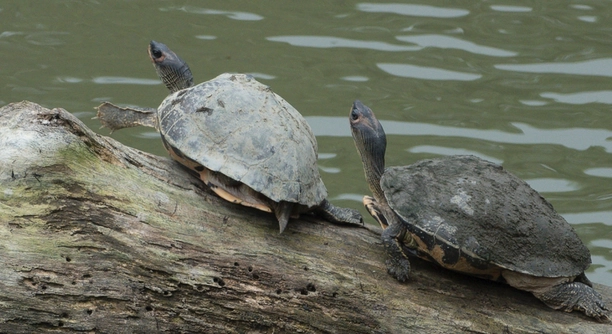
Indian Roofed Tortoises are known for basking in the sun to maintain their body temperature. But sometimes, they stop basking for reasons that are important to understand. Learning about these factors can help you care for them better.
Various factors can cause an Indian Roofed Tortoise to stop basking, including improper temperature, stress, illness, inadequate lighting, or environmental changes. These issues disrupt their natural behavior and can affect their overall well-being and health.
Understanding why your tortoise may not be basking can improve its environment and help prevent health issues. By adjusting its habitat, you can support its natural behaviors and ensure a happier, healthier life for your pet.
Temperature and Humidity Issues
One of the main reasons an Indian Roofed Tortoise may stop basking is improper temperature. These tortoises need a specific range of warmth to regulate their body temperature. If the basking area is too cold, they won’t feel the need to bask, as they are not getting the necessary heat. The temperature gradient in their enclosure should include both warm and cooler spots, allowing them to move between these areas depending on their needs. Humidity levels also play a role in their behavior. Too much moisture can make them uncomfortable, while too little can cause dehydration.
A basking spot should range from 90°F to 95°F (32°C to 35°C), while the cooler side of the enclosure can be kept around 75°F to 80°F (24°C to 27°C). A humidity level of around 50-60% is ideal. These conditions allow the tortoise to stay comfortable and enjoy basking. Without proper temperature and humidity, they may avoid basking altogether, even if their instinct tells them to do so.
When setting up their enclosure, use a thermometer and a hygrometer to monitor the conditions. Make sure the basking area is properly heated with a UVB light, as both are necessary for the tortoise’s overall health. Proper lighting will help your tortoise feel more secure and active, encouraging basking behavior.
Stress Factors
Stress can cause a tortoise to stop basking.
Changes in their environment, such as loud noises, new animals, or sudden movements, can create anxiety. This stress may prevent them from feeling safe enough to bask. The tortoise needs a quiet, calm space to feel at ease and enjoy basking. A stressful environment can lead to inactivity and reduced eating, which can negatively affect their health.
Illness or Injury
When an Indian Roofed Tortoise feels unwell, it may stop basking. Illness or injury can cause lethargy, making the tortoise avoid basking. If your tortoise is not basking as usual, check for other signs of health problems, like swelling, cuts, or changes in behavior.
Common signs of illness include watery eyes, nasal discharge, and loss of appetite. If your tortoise is not basking and showing these signs, it’s crucial to consult a veterinarian. An undiagnosed health issue can worsen quickly. Injuries, like a broken shell or limb, may also cause pain and discomfort, preventing normal basking.
Ensure the enclosure is clean and free from hazards that could cause injury. Regularly check your tortoise for any signs of distress or discomfort. Prompt treatment will help them return to normal behaviors like basking. Keeping your tortoise in a stress-free environment supports its health and encourages regular basking.
Inadequate Lighting
Proper lighting is essential for an Indian Roofed Tortoise to bask. UVB lighting helps them synthesize vitamin D3, which is crucial for their shell and bone health. Without adequate UVB light, they may avoid basking altogether.
If the UVB light is too weak or not positioned properly, your tortoise might not get enough exposure. This can lead to a deficiency in vitamin D3, resulting in lethargy and a lack of basking. The UVB light should cover the basking area for around 10-12 hours daily. Use a light that specifically provides UVB rays to mimic natural sunlight.
It’s important to replace UVB bulbs regularly, as their effectiveness diminishes over time, even if the bulb still produces light. A combination of UVB lighting and proper temperature will encourage your tortoise to bask and help maintain its health.
Environmental Changes
Any sudden environmental changes can make an Indian Roofed Tortoise stop basking. Moving their enclosure to a different location, changes in lighting, or altering temperature can all be disruptive. Tortoises thrive on routine and stability.
Even small adjustments to their environment can cause stress and discomfort. A change in location, like moving them to a room with higher foot traffic, can make them feel exposed and unsafe. They may avoid basking until they adjust. Maintaining a stable, quiet environment helps them feel secure, encouraging natural basking behavior.
Poor Diet
A poor diet can impact a tortoise’s energy levels, making it less likely to bask. Tortoises need a balanced diet with appropriate vegetables, fruits, and calcium to stay active.
If a tortoise isn’t getting the nutrients it needs, it may become lethargic and refuse to bask. A lack of calcium, in particular, can lead to soft shells and bone issues. Ensure your tortoise has a varied diet that includes high-fiber foods like grasses, leafy greens, and occasional fruit to maintain its health and natural basking habits.
Overcrowding
Overcrowding in the tortoise’s enclosure can lead to stress and hinder basking. If there are too many animals sharing the space, it can create competition for basking spots and make the tortoise feel unsafe.
FAQ
Why is my Indian Roofed Tortoise not basking anymore?
There are several reasons why your tortoise may not be basking. The most common causes are improper temperature, inadequate lighting, stress, illness, or an unstable environment. If the basking area is too cold or the UVB light is not strong enough, your tortoise may not feel the need to bask. Illness or injury can also cause your tortoise to avoid basking, as it may feel too unwell or uncomfortable to do so. Additionally, any changes in its environment, such as moving the enclosure or adding new animals, can disrupt its routine and cause stress.
How can I tell if my tortoise is sick?
A sick tortoise might show several signs such as lethargy, loss of appetite, nasal discharge, or watery eyes. If your tortoise is not basking as usual and is acting differently, it could be a sign of an underlying health issue. Check for any swelling, cuts, or signs of injury. If you notice these symptoms, it’s important to consult a veterinarian for an accurate diagnosis.
What temperature should my tortoise’s basking area be?
The basking area should be between 90°F and 95°F (32°C to 35°C). This temperature range allows the tortoise to regulate its body heat properly. If the basking area is too cool, your tortoise may avoid basking altogether. The cooler side of the enclosure should be around 75°F to 80°F (24°C to 27°C). Ensuring a proper temperature gradient will help your tortoise feel comfortable and encourage basking behavior.
What is the best lighting for an Indian Roofed Tortoise?
UVB lighting is essential for your tortoise’s health, as it helps them produce vitamin D3, which is necessary for calcium absorption. Use a UVB bulb that covers the basking area and is placed about 12-18 inches above the tortoise. The light should be on for 10-12 hours a day to mimic natural sunlight. Additionally, make sure the UVB light is replaced every 6-12 months, as the effectiveness of the bulb decreases over time, even if it still produces visible light.
Can stress make my tortoise stop basking?
Yes, stress can cause your tortoise to stop basking. Stress can come from many factors, such as changes in its environment, loud noises, new animals, or overcrowding. Tortoises are sensitive to their surroundings and may become anxious or scared in a disruptive environment. This anxiety can make them avoid basking spots. Creating a quiet, stable, and comfortable environment is key to reducing stress and encouraging your tortoise to bask.
How often should I feed my tortoise?
Indian Roofed Tortoises typically need to be fed every day or every other day, depending on their age and size. Young tortoises need more frequent feeding, while adults can go longer between meals. A healthy diet for your tortoise includes dark leafy greens like kale, dandelion greens, and collard greens. You can also offer small amounts of fruit and other vegetables. Make sure your tortoise has access to fresh water at all times. A balanced diet ensures your tortoise remains healthy, which is important for regular basking behavior.
How do I know if the humidity is right for my tortoise?
Humidity is an important factor in your tortoise’s well-being. For an Indian Roofed Tortoise, the humidity should be around 50-60%. Too much humidity can lead to respiratory issues, while too little can cause dehydration or skin shedding problems. To monitor the humidity, use a hygrometer in the enclosure. You can increase humidity by misting the enclosure lightly or adding a humidity hide, but make sure the area doesn’t become too damp.
Can I use a regular light bulb for my tortoise’s basking area?
Regular incandescent light bulbs do not provide the necessary UVB rays that your tortoise needs for calcium absorption and overall health. You should use a UVB bulb in addition to the basking light. A regular light bulb can be used to provide the necessary heat, but it should be paired with the UVB light to mimic natural sunlight. The two lights work together to ensure your tortoise stays healthy, active, and willing to bask.
What should I do if my tortoise is not eating?
If your tortoise isn’t eating, it’s important to first check the temperature, humidity, and lighting in its enclosure. A change in any of these factors could affect its appetite. Stress, illness, and improper diet can also cause a lack of appetite. Make sure you are offering the right foods and that they are fresh. If your tortoise still isn’t eating after checking these factors, it’s time to consult a veterinarian to rule out any health issues.
Can an Indian Roofed Tortoise be kept with other animals?
It’s best to keep an Indian Roofed Tortoise in its own enclosure, as they can become stressed when housed with other animals. Some tortoises may tolerate being with other species, but this depends on their individual temperament. If you do decide to house your tortoise with other animals, ensure there is enough space and that each animal has its own basking area. Overcrowding can create stress and lead to a lack of basking.
Is it okay to move my tortoise’s enclosure?
Moving your tortoise’s enclosure should be done carefully and only when necessary. Sudden changes can cause stress, making your tortoise avoid basking or eating. If you need to move it, do so gradually, allowing your tortoise to adjust to the new location. Ensure the new area has the right temperature, humidity, and lighting to provide a comfortable environment. Once your tortoise gets used to the new spot, it should resume its normal basking routine.
Final Thoughts
Understanding why your Indian Roofed Tortoise may stop basking is important for its well-being. Basking is a natural behavior for these tortoises, and when they avoid it, it could be a sign that something is wrong in their environment or health. Temperature, humidity, stress, and lighting all play key roles in encouraging basking. Without the right conditions, your tortoise may become uncomfortable or unwell, which can impact its behavior and overall health. Being aware of these factors will help you create a better environment for your tortoise and improve its quality of life.
If your tortoise isn’t basking, start by checking its enclosure. Make sure the temperature is correct and that the UVB light is functional and appropriately positioned. A stable and stress-free environment is crucial for your tortoise to feel safe and comfortable enough to bask. Small changes like adjusting the lighting or moving the enclosure can make a big difference. If you notice any signs of illness or injury, it’s important to take your tortoise to a veterinarian to ensure its health isn’t at risk. Keeping a close eye on your tortoise’s behavior can help you address issues early and prevent long-term problems.
The key to a healthy and happy tortoise is consistency. Providing a well-maintained, balanced habitat with the right temperature, lighting, and humidity will encourage your tortoise to bask regularly. Monitoring its diet and making sure it’s getting the proper nutrients also supports its health. When these factors are in place, your tortoise will likely return to basking as it naturally should. By following these simple guidelines, you can ensure that your Indian Roofed Tortoise enjoys its basking time, leading to better overall health and happiness.

Hello,
If you enjoy the content that we create, please consider saying a "Thank You!" by leaving a tip.
Every little bit helps us continue crafting quality advice that supports the health, happiness, and well-being of pets around the world, for pets of all shapes, sizes, and species.
We really appreciate the kindness and support that you show us!