
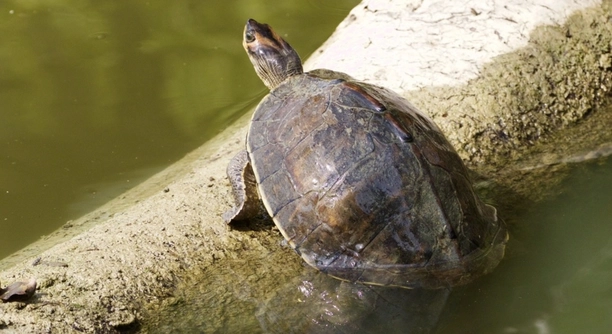
Is your Indian Roofed Tortoise scratching its head more often than usual? It might seem odd, but head scratching can be a sign of various issues that could be affecting your pet. Understanding these signs is important.
Frequent scratching of the head in Indian Roofed Tortoises may be caused by skin irritation, fungal infections, or even environmental stress. It’s essential to monitor your tortoise’s behavior and environment to address the issue promptly and prevent further discomfort.
There are a few simple ways you can help your tortoise feel better and avoid discomfort. In the following sections, we’ll cover common causes of head scratching and how to manage them.
Skin Irritation and Dryness
One common reason your tortoise may scratch its head is skin irritation. Dry or flaking skin can be quite uncomfortable for your pet, leading to constant scratching. The skin of Indian Roofed Tortoises can become dry due to several factors, including improper humidity levels or inadequate hydration. Dryness might cause the tortoise to rub its head on surfaces or scratch repeatedly to relieve the discomfort.
Humidity and temperature levels play a crucial role in keeping your tortoise’s skin healthy. If the humidity in your pet’s habitat is too low, it may experience dehydration, which can result in dry skin. Additionally, exposure to too much direct heat can cause irritation. Proper humidity should be around 70-80% for these tortoises to thrive. You should regularly check the temperature and humidity levels to ensure they stay in the ideal range. A consistent water source, such as a shallow dish of water for your tortoise to soak in, will also help prevent dryness.
Ensuring the proper environment for your tortoise is essential for its health and comfort. Make sure to adjust the humidity and provide water for soaking, especially if you notice signs of skin irritation. The right balance of moisture in the air will help to keep your tortoise comfortable and reduce the chances of scratching.
Fungal or Bacterial Infections
Fungal or bacterial infections are another common cause of scratching. These infections can cause itching and discomfort, leading your tortoise to scratch its head. Such infections can often occur if your tortoise’s living space is not cleaned regularly or if there is excessive moisture, creating a breeding ground for bacteria and fungi.
To help prevent infections, ensure that your tortoise’s enclosure is cleaned frequently. Remove any waste promptly and disinfect the tank regularly to eliminate harmful bacteria and fungi. It’s also important to make sure your tortoise is not exposed to standing water for long periods. A dry, clean environment is essential for maintaining the health of your pet. If you suspect an infection, consult with a veterinarian to get an accurate diagnosis and appropriate treatment.
Taking care of your tortoise’s environment and maintaining cleanliness can significantly reduce the chances of fungal and bacterial infections. Ensuring your pet’s living space remains safe and free from excess moisture will help keep it happy and healthy.
Stress or Anxiety
Stress is another reason your tortoise might be scratching its head. Changes in the environment, such as a new pet, loud noises, or frequent handling, can cause anxiety. Tortoises are sensitive creatures, and stress may cause them to act out, including excessive scratching.
If you notice your tortoise scratching its head after a change in its environment, it may be reacting to stress. Stress can affect your pet’s overall well-being, so it’s essential to identify the triggers. Try to minimize loud noises or sudden changes in the living space. Avoid frequent handling, as it may make your tortoise feel unsafe.
A calm and stable environment is crucial for your tortoise’s health. Keeping things consistent helps your pet feel secure. If you’ve recently introduced changes, allow your tortoise time to adjust. A stress-free space encourages relaxation, reducing the need for behaviors like head scratching.
Mites or External Parasites
External parasites like mites can cause a tortoise to scratch its head. These tiny pests may be difficult to spot but can cause severe irritation. Mites typically live on the tortoise’s skin and feed on its blood, leading to discomfort. The tortoise will often scratch or rub its head to relieve the itching caused by the infestation.
Mites are a common issue for reptiles, and your tortoise might be more susceptible if it has been exposed to other animals or a poorly cleaned habitat. If you notice your tortoise scratching its head more often or exhibiting signs of hair loss or redness, mites may be the problem. A visit to the vet can help confirm the diagnosis and recommend the proper treatment. Mites can be treated with medications or topical treatments.
If your tortoise has external parasites, addressing the issue as soon as possible is essential. The longer the mites go untreated, the more discomfort and potential damage they can cause. After the treatment, ensure that your tortoise’s living space is thoroughly cleaned to prevent a re-infestation.
Shell Issues
Your tortoise’s shell can sometimes cause scratching. If the shell is too dry or damaged, it may cause discomfort. Scratching is a natural response to relieve irritation or pain caused by these issues.
Make sure your tortoise’s shell is properly cared for. Regular soaking and keeping humidity levels high can prevent dryness. If you notice cracks or other damage, consult with a vet for proper treatment.
Keeping the shell moisturized and healthy will help reduce scratching. It’s essential to inspect the shell regularly to ensure there are no signs of damage or discomfort that could lead to scratching.
Diet and Nutrition
A poor diet can also cause scratching in your tortoise. An unbalanced diet, lacking proper vitamins and minerals, can lead to skin issues and irritation, making your tortoise scratch more often.
Ensure your tortoise is getting a variety of fresh vegetables and high-quality food to meet its nutritional needs. Calcium and vitamin D3 are particularly important for maintaining healthy skin and a strong shell. Consider supplementing your tortoise’s diet if necessary, as this can reduce skin problems and help prevent scratching.
A well-balanced diet directly impacts your tortoise’s overall health. Proper nutrition ensures that its skin and shell are strong and resistant to irritation, ultimately preventing excessive scratching.
FAQ
Why does my tortoise scratch its head?
Scratching its head is often a sign of discomfort or irritation. This can be caused by dry skin, fungal or bacterial infections, stress, mites, or shell issues. It’s essential to identify the underlying cause to provide proper care. Regularly check your tortoise’s environment and health to ensure they’re comfortable.
What should I do if my tortoise’s skin is dry?
Dry skin in your tortoise can be fixed by improving humidity levels in its enclosure. Make sure the humidity stays between 70-80% and offer your tortoise a shallow dish of water to soak in. You can also lightly mist the enclosure to keep the environment humid. Avoid direct heat sources that may further dry out the skin.
How can I tell if my tortoise has an infection?
Signs of infection in tortoises include redness, swelling, or discharge around the skin, eyes, or nose. If your tortoise is excessively scratching its head, it may have a fungal or bacterial infection. Consult a veterinarian for a proper diagnosis and treatment plan.
What are the signs of stress in a tortoise?
Stress in tortoises can manifest in several ways, including excessive scratching, hiding, loss of appetite, or aggressive behavior. Stress is often caused by changes in the environment, such as new pets, loud noises, or too much handling. Ensuring a calm and stable environment can help reduce stress.
How do I know if my tortoise has mites?
Mites can be difficult to spot, but signs include excessive scratching, rubbing against surfaces, or patches of missing or damaged skin. If you notice these behaviors, it’s important to inspect your tortoise closely or consult a vet. Mites require treatment to prevent further discomfort or skin damage.
Can diet affect my tortoise’s scratching?
Yes, an imbalanced diet can lead to skin problems, causing your tortoise to scratch. A lack of calcium, vitamin D3, and other essential nutrients can result in weak shells or dry skin. Offering a variety of fresh vegetables, and supplementing with calcium and vitamin D3, will support overall health and reduce scratching.
How often should I clean my tortoise’s enclosure?
You should clean your tortoise’s enclosure regularly to prevent the buildup of bacteria and mold. At a minimum, clean the enclosure once a week, but spot clean any waste or soiled bedding daily. Regular cleaning ensures a healthy and comfortable environment, which can reduce the chances of skin irritation and infection.
Is it normal for my tortoise to scratch its head occasionally?
Occasional scratching is normal, especially if your tortoise is shedding or adjusting to changes in its environment. However, frequent or intense scratching may indicate a deeper issue. Keep an eye on your tortoise’s behavior and consult a vet if the scratching persists or becomes more severe.
Can I treat my tortoise’s skin problems at home?
For minor skin issues, you can try improving the humidity and diet, as well as ensuring regular soaking. However, for infections, severe dryness, or other complications, it’s always best to consult with a vet. They can provide the correct treatment or medication to address the issue safely.
How can I help my tortoise relax and reduce stress?
To help your tortoise relax, create a calm and stable environment. Minimize sudden changes, avoid loud noises, and reduce handling. Make sure the enclosure is large enough and has hiding spots for your tortoise to feel secure. These steps can greatly reduce stress and help your tortoise feel more comfortable.
Are there any specific products to help with skin dryness or irritation?
For skin dryness, you can use moisturizing sprays or topical treatments designed for reptiles. These products can help soothe and hydrate the skin. Be sure to choose reptile-safe products and follow the instructions on the label. Always consult a vet before using any new product to ensure its safety.
What temperature should I keep my tortoise’s enclosure?
The temperature should be kept between 75-85°F (24-29°C) during the day, with a basking area reaching up to 90°F (32°C). At night, the temperature can drop to around 70°F (21°C). Consistent temperature control is essential for your tortoise’s health, and it also helps prevent stress and skin issues.
Should I be concerned if my tortoise scratches its head after eating?
It’s not uncommon for tortoises to scratch their head after eating, especially if food has gotten stuck in their shells or around their head. However, if the scratching is frequent or continues after eating, it could be a sign of irritation or discomfort. Make sure food is cleaned off and check for any other signs of health issues.
How can I prevent my tortoise from developing skin infections?
To prevent skin infections, maintain a clean and dry enclosure, and make sure the humidity and temperature are at optimal levels. Regularly inspect your tortoise for any signs of irritation or infection. If you suspect any problems, it’s important to treat them early to avoid further complications.
Final Thoughts
Understanding why your Indian Roofed Tortoise is scratching its head can help you address potential issues quickly. While occasional scratching may not be a cause for concern, frequent or intense scratching can point to underlying problems, such as dry skin, stress, infections, or parasites. It’s essential to pay attention to your tortoise’s behavior and environment to catch any issues early. By keeping an eye on your pet’s habitat, diet, and overall health, you can prevent many common problems that lead to excessive scratching.
To ensure your tortoise remains healthy and comfortable, focus on maintaining proper humidity, temperature, and cleanliness in its enclosure. A consistent, stress-free environment is key to avoiding irritation and discomfort. If you notice any changes in your tortoise’s behavior, such as increased scratching or signs of infection, it’s best to consult with a veterinarian. They can help you identify the issue and provide proper treatment, whether it’s addressing skin dryness, treating an infection, or removing external parasites like mites. Always make sure your tortoise has access to a balanced diet, with adequate vitamins and minerals, to support its overall health.
In the end, the key to managing your tortoise’s health lies in observation and care. Regularly check for signs of skin irritation, stress, or infection, and make necessary adjustments to its environment. With proper care, your Indian Roofed Tortoise can live a long, healthy life without the discomfort of constant scratching. Don’t hesitate to seek professional help when needed, as early treatment can prevent more serious health issues down the road.

Hello,
If you enjoy the content that we create, please consider saying a "Thank You!" by leaving a tip.
Every little bit helps us continue crafting quality advice that supports the health, happiness, and well-being of pets around the world, for pets of all shapes, sizes, and species.
We really appreciate the kindness and support that you show us!