
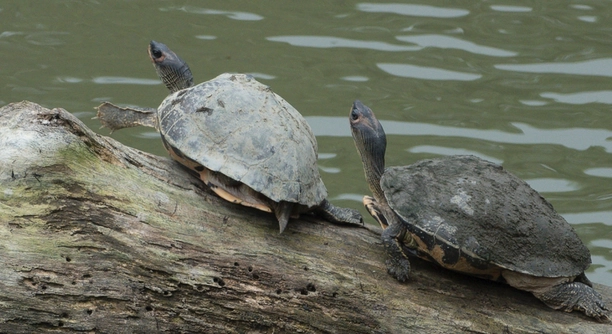
Maintaining a clean environment for your Indian roofed tortoise is essential to its health. One key factor in achieving this is ensuring clean, filtered water in its tank.
Water filtration systems are vital for preventing harmful bacteria, algae, and debris buildup in a tortoise’s habitat. They help maintain water clarity, ensuring that your tortoise has access to fresh, healthy water for both drinking and swimming.
The right filtration system will make a significant difference in your tortoise’s tank, keeping it clean and your pet safe.
Importance of Clean Water for Your Indian Roofed Tortoise
For your Indian roofed tortoise, water quality is just as important as its diet. Tortoises are often in and around water, so keeping it clean ensures they stay healthy. Without proper filtration, toxins and bacteria can build up, making the water unsafe. This can cause serious health problems, from skin infections to respiratory issues. A proper water filtration system is essential for preventing these risks.
With clean water, your tortoise will have a safer, more comfortable environment. It can swim freely, drink water without fear of contamination, and enjoy a better quality of life. Clean water also helps maintain the overall balance of the tank, reducing the need for frequent water changes.
Choosing the right filtration system is key. The ideal filter should remove both small particles and harmful microorganisms. A good system also helps maintain the right water temperature and keeps the tank’s ecosystem stable. It can make a big difference in your tortoise’s health, so choosing wisely is essential.
Types of Water Filtration Systems
There are several types of filtration systems available for tortoise tanks. Some options include internal filters, external canister filters, and sponge filters.
Canister filters are one of the most effective options. They provide powerful filtration and are capable of handling large tanks. These filters typically remove both large debris and microscopic organisms, helping keep your tank’s water clean for longer. They are also great for tanks with plants or rocks, as they maintain the proper water circulation without disturbing the environment.
Sponge filters are often smaller and gentler. They’re ideal for tanks that are home to delicate creatures or plants, as they provide filtration without disturbing the water too much. While not as powerful as canister filters, they work well in smaller tanks or for keeping smaller amounts of waste under control.
Factors to Consider When Choosing a Filter
When selecting a filter, it’s essential to think about the size of your tank, the type of water, and the needs of your tortoise. Each filter has strengths suited to different situations.
A filter’s capacity should match the tank’s volume. Too small, and it won’t be effective. A filter that’s too powerful can stir up the tank, making it uncomfortable for your tortoise. Make sure the filter you choose is compatible with your tank size and needs. Also, consider ease of maintenance—filters with accessible parts are easier to clean and maintain over time.
For tanks with plants or delicate decorations, a filter that provides gentle circulation is preferable. A high-powered filter may harm plants or disrupt the water’s natural balance. Sponge filters often offer this gentle flow, making them a great choice for smaller or more delicate setups. If you have a larger setup with more tortoises, a canister filter will work better.
Regular Maintenance of Water Filters
Even the best water filters need regular maintenance to perform at their best. Cleaning your filter regularly will ensure it continues to work efficiently, keeping the water safe for your tortoise.
Over time, filters can become clogged with debris and waste, reducing their efficiency. Regular cleaning helps remove this buildup and prevents the filter from becoming overworked. How often you clean the filter depends on its type and the tank’s size. Typically, cleaning every two to four weeks should be sufficient. You should also replace filter media as needed. This helps prevent bacteria and other harmful substances from building up, ensuring your tortoise always has clean water to enjoy.
Always follow the manufacturer’s recommendations for cleaning and maintenance. Be cautious when removing the filter media, as some systems use bacteria colonies that help break down waste. Sudden changes can harm this beneficial bacteria, so only clean or replace the media when necessary.
Best Filter Features for Your Tortoise Tank
When looking for a filter, focus on its filtration stages and capacity. A multi-stage filter will remove both large debris and harmful chemicals from the water. This ensures a cleaner, healthier environment for your tortoise.
Look for a filter that provides mechanical, biological, and chemical filtration. Mechanical filters remove visible debris, while biological filters promote beneficial bacteria to break down waste. Chemical filters remove impurities like ammonia and chlorine, ensuring water quality remains stable. These features contribute to a balanced, safe tank environment.
Understanding Filter Flow Rate
The flow rate is important when selecting the right filter for your tortoise tank. It determines how quickly the water is filtered, which can affect your tortoise’s comfort.
For a tortoise tank, you need a flow rate that matches the size of the tank without being too strong. High flow rates can disturb your tortoise and plants. A slower flow rate provides a gentler water movement, which is preferable for most tortoises. You can adjust the flow with a valve on certain filters, allowing you to find the right speed for your setup.
Top Water Filtration Systems for Tortoise Tanks
Some of the top filtration systems for tortoise tanks include canister filters, hang-on-back filters, and sponge filters. Canister filters offer the best filtration and are suitable for larger tanks. Sponge filters are ideal for smaller tanks or delicate environments, providing gentle water movement.
FAQ
How often should I change the water in my tortoise tank?
Water changes should be done regularly, at least once a week for smaller tanks. Larger tanks may need water changes less frequently, but it depends on the filter’s performance and the size of your tortoise. If the water appears dirty or smells bad, it’s time for a change, regardless of the schedule.
Can I use a regular fish tank filter for my tortoise?
While some fish tank filters can work for tortoise tanks, they may not be sufficient for all the needs of a tortoise tank. Tortoises are often in the water, so a filter needs to handle not just debris but also the waste they produce. Look for a filter that’s designed for reptiles or aquatic animals, as these are more capable of handling the higher waste levels.
What is the best filter for a tortoise tank with plants?
For a tortoise tank with plants, you’ll want a filter that’s strong enough to maintain water cleanliness but gentle enough not to disturb delicate plants. A sponge filter or an internal filter with adjustable flow is ideal for this setup. These filters ensure proper water circulation while being gentle on plants.
Can I put my tortoise in the tank before the filter is set up?
It’s essential to have your filtration system set up and running before placing your tortoise in the tank. This allows the filter to start cleaning the water and ensures that the tank is safe for your tortoise. Introducing your tortoise to a tank with dirty water can lead to health problems.
Do I need a filter if I do frequent water changes?
While frequent water changes help maintain water quality, a filter still provides long-term benefits. It removes debris, breaks down harmful chemicals, and prevents bacteria buildup. Without a filter, you may find yourself doing water changes more often and still facing issues with water quality. A filter helps reduce the overall workload in maintaining a healthy tank environment.
How can I tell if my filter is working properly?
You can check if your filter is working by inspecting the water quality. If the water remains clear and free of debris, your filter is doing its job. However, if the water looks cloudy or has a foul odor, it may be time to clean the filter or check if it’s functioning correctly. Additionally, ensure that the flow rate is consistent and that the filter is not making unusual noises.
Should I use a UV sterilizer in my tortoise tank?
A UV sterilizer can be beneficial in controlling algae and harmful microorganisms in your tortoise’s tank. While not strictly necessary, it can help keep the water clearer and reduce the risk of infections. If algae growth or water quality is an ongoing problem, consider adding a UV sterilizer to your filtration system.
How do I clean my water filter?
Cleaning your filter depends on the type you have, but generally, you should unplug the filter before cleaning. For canister filters, remove the filter media and rinse it under tap water, but avoid scrubbing too hard. For sponge filters, simply rinse the sponge under water. Check the manufacturer’s instructions for specific cleaning recommendations to avoid damaging the filter.
Are sponge filters effective for larger tortoise tanks?
Sponge filters are typically more effective in smaller tanks or for gentle filtration. While they can work for larger tanks, they might not provide the level of filtration needed for bigger setups with multiple tortoises. For larger tanks, a canister filter or hang-on-back filter is usually more appropriate, as they offer stronger filtration.
How do I adjust the flow rate of my filter?
Many filters have a flow control valve that allows you to adjust the water flow. If your filter doesn’t have this feature, you may be able to adjust the output by modifying the intake or output position. Lowering the flow rate can make the water movement gentler, which is beneficial for your tortoise, especially if the tank is small or contains plants.
What happens if the water filter stops working?
If your filter stops working, it’s crucial to troubleshoot the issue. First, check if the filter is clogged. Clean the intake and output and ensure the motor is running. If the filter still isn’t working, you may need to replace it or repair the motor. Without a functioning filter, the water quality can quickly degrade, affecting your tortoise’s health. It’s advisable to monitor the water quality regularly until the filter is back in action.
Final Thoughts
Maintaining a clean environment for your Indian roofed tortoise is vital for its overall health and well-being. The water in the tank plays a key role in ensuring your tortoise stays safe and comfortable. A proper water filtration system is essential to keep the water clear of debris, harmful chemicals, and bacteria that could cause serious health issues. Regular cleaning and monitoring of the filtration system are important to maintain water quality. Whether you choose a canister filter, sponge filter, or hang-on-back filter, it’s crucial to select the right system that suits the size of your tank and the needs of your tortoise.
While there are many filtration options available, finding the one that works best for your tortoise’s setup is key. Each type of filter has its strengths and weaknesses. For example, canister filters offer strong filtration but may be overkill for smaller tanks. On the other hand, sponge filters are gentler and ideal for smaller or more delicate tanks but may not provide enough filtration for larger setups. It’s important to evaluate your tank size, the number of tortoises, and the amount of waste to determine which system is most appropriate. Additionally, keep in mind the flow rate, as it can affect both the water quality and the comfort of your tortoise.
In the end, ensuring clean water for your tortoise doesn’t have to be complicated. With the right filtration system, proper maintenance, and regular water changes, you can create a healthy, comfortable environment for your pet. Don’t forget to monitor water quality frequently and clean your filter regularly to prevent any buildup of harmful substances. By taking these steps, you’ll help your tortoise thrive in a clean and safe habitat.

Hello,
If you enjoy the content that we create, please consider saying a "Thank You!" by leaving a tip.
Every little bit helps us continue crafting quality advice that supports the health, happiness, and well-being of pets around the world, for pets of all shapes, sizes, and species.
We really appreciate the kindness and support that you show us!