
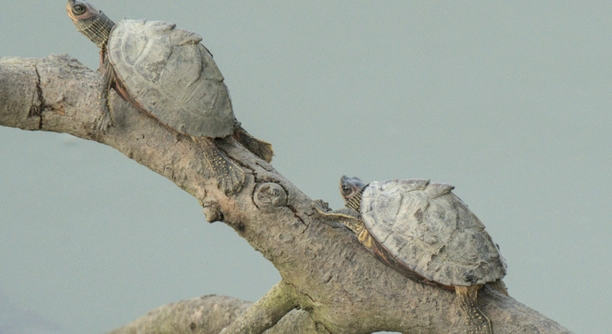
Your Indian Roofed Tortoise may rub its eyes for several reasons, which could range from environmental factors to health concerns. Observing these behaviors can help determine the cause and ensure proper care for your pet.
The most common reasons your Indian Roofed Tortoise may rub its eyes include irritation, allergies, infections, or a foreign object. It’s important to assess its environment, diet, and overall health to understand the cause of this behavior.
By learning more about these possible causes, you can better support your tortoise’s well-being and provide it with the appropriate care. Keep reading to find out what you can do.
Irritation or Discomfort from Environment
Your Indian Roofed Tortoise may be rubbing its eyes due to discomfort caused by its environment. This species is sensitive to changes in temperature, humidity, and lighting. If your tortoise feels too hot, cold, or has insufficient humidity, it can become stressed and start showing unusual behaviors, such as rubbing its eyes. Too much direct light or bright artificial lighting can also cause eye strain.
If the environment is not suitable, the tortoise may start to experience dry or itchy eyes, leading to rubbing. Ensure that the enclosure is equipped with proper heating and humidity controls. Maintaining a comfortable temperature range (75-85°F) and humidity levels around 60-80% can help avoid these issues.
A well-balanced habitat is essential for the tortoise’s overall health. Keep in mind that temperature and humidity fluctuations can also weaken your pet’s immune system, making it more susceptible to infections or irritations. Regularly monitor these factors to ensure they remain consistent for your tortoise’s comfort.
Eye Infections or Irritations
Eye infections can occur when bacteria or fungi make their way into your tortoise’s eyes. This can happen if the environment is overly damp or unclean. Dirty bedding or poor hygiene can introduce harmful microorganisms that irritate the eyes.
Eye infections in Indian Roofed Tortoises often cause swelling, redness, and a watery discharge. These signs should not be ignored, as infections can worsen if left untreated. Cleaning the enclosure and ensuring your tortoise’s eyes stay free from debris can reduce the risk. If the symptoms persist, it is advisable to consult a veterinarian for proper treatment.
If you notice a discharge or excessive blinking, immediate action is necessary. A vet can prescribe eye drops or oral medications to clear the infection. Ensuring the enclosure remains clean and dry can also reduce the chances of reinfection. Regularly check your tortoise’s eyes for any signs of discomfort, and act promptly to prevent further complications.
Allergies
Allergic reactions in Indian Roofed Tortoises can lead to eye irritation. These tortoises may be sensitive to certain plants, bedding, or even the cleaning products you use in their enclosure. Pollen, dust, and mold can also trigger allergies. When an allergy occurs, the tortoise may rub its eyes to alleviate the discomfort.
Identifying allergens can be tricky, but it helps to keep your tortoise’s environment clean and free of irritants. Using natural, non-scented bedding and avoiding chemicals near the enclosure can reduce the risk of allergic reactions. You can also observe if the behavior happens after certain items are introduced, such as a new plant or substrate.
To treat allergies, it’s essential to remove the source of irritation as soon as possible. If eye rubbing continues, it might be a sign that the allergy has led to an infection. A vet may prescribe antihistamines or other treatments to help your tortoise recover. Regular cleaning and ensuring the space is allergy-free can help prevent future problems.
Foreign Objects
Your tortoise might rub its eyes to remove a foreign object. Small particles like dust, sand, or dirt can irritate the eyes and cause discomfort. This can happen if the enclosure isn’t kept clean or if your tortoise is allowed to roam in areas with potential debris. The presence of foreign objects often leads to excessive blinking and eye rubbing.
If your tortoise starts rubbing its eyes, check carefully for any visible debris around the eyes. You may need to gently clean the area with a damp cloth or flush the eyes with saline solution to remove the object. Be careful when handling the tortoise to avoid causing stress or injury.
Sometimes the foreign object can be too small to see, but it still causes discomfort. If the rubbing continues, it’s a good idea to take your tortoise to a vet who can thoroughly examine the eyes. They can remove any trapped particles and provide care to prevent infection or further irritation.
Dry Eyes
Dry eyes can be a common reason for your tortoise rubbing its eyes. Inadequate humidity levels in the enclosure can cause the eyes to become dry and irritated. Tortoises rely on a moist environment to keep their eyes lubricated and comfortable. If the air is too dry, it can lead to eye discomfort.
To prevent dry eyes, ensure the humidity level in the enclosure stays between 60-80%. You can use a humidity gauge to monitor the environment and make adjustments when needed. Adding a shallow water dish also helps maintain the right moisture levels.
Make sure your tortoise always has access to clean water and monitor the humidity levels regularly. Adding a humidifier to the room can also be a good solution. Proper humidity helps keep the tortoise’s eyes comfortable and can prevent further issues.
Improper Diet
A poor diet can contribute to eye irritation in your Indian Roofed Tortoise. Lack of vitamins, particularly Vitamin A, can cause dry eyes and lead to rubbing. Inadequate nutrition weakens the immune system, making the tortoise more susceptible to infections and irritations.
A balanced diet that includes leafy greens, vegetables, and fruits rich in vitamins is essential for maintaining your tortoise’s eye health. Vitamin A-rich foods like carrots and squash can help prevent eye issues. If you suspect a nutritional deficiency, consult with a vet for guidance on supplementation.
Stress
Stress is another reason why your tortoise may be rubbing its eyes. When tortoises experience anxiety or discomfort from their environment, they may start rubbing their eyes excessively. Stress can be caused by sudden changes, loud noises, or being handled too often.
FAQ
Why does my Indian Roofed Tortoise rub its eyes so often?
Eye rubbing in Indian Roofed Tortoises can result from several factors, including irritation, infections, allergies, or a dry environment. It’s important to observe your tortoise’s behavior closely to determine if the rubbing is due to something environmental, such as humidity or temperature changes, or a health issue like an infection or an allergy. Providing a clean, well-maintained habitat with appropriate humidity levels and offering a balanced diet can help reduce this behavior. If the rubbing continues, a visit to the vet may be needed for a thorough examination.
What can I do if my tortoise’s eyes appear swollen or red?
Swelling and redness around your tortoise’s eyes could be a sign of an infection or irritation. The first step is to ensure the enclosure is clean, with appropriate humidity and temperature. You should also check for any foreign objects or debris in the eyes that might be causing irritation. If the swelling persists, it’s crucial to take your tortoise to a veterinarian. They can provide proper treatment, which may include eye drops or medication to treat infections or inflammation. Regular cleaning of the enclosure and careful observation can prevent these issues from worsening.
How can I tell if my tortoise has an eye infection?
Signs of an eye infection include redness, swelling, discharge from the eyes, and constant rubbing. If your tortoise is rubbing its eyes excessively or seems to have difficulty opening them, this could indicate an infection. In some cases, the eyes may appear cloudy, and you may notice a build-up of mucus around the eyes. If these symptoms appear, it’s essential to consult with a veterinarian who can diagnose the infection and prescribe the necessary treatment, such as antibiotics or eye drops. A clean and dry enclosure can help prevent infections from developing in the future.
Can a dry environment cause eye rubbing in my tortoise?
Yes, dry air can lead to dry eyes in your tortoise, causing irritation and rubbing. Indian Roofed Tortoises are sensitive to humidity, and if the humidity in their enclosure is too low, their eyes may become dry and uncomfortable. To prevent this, keep the humidity levels between 60-80% by using a hygrometer to monitor the moisture levels. You can also add a shallow water dish to the enclosure to maintain humidity. Misting the enclosure lightly with water on a regular basis can also help to keep the environment comfortable for your tortoise’s eyes.
How often should I clean my tortoise’s eyes?
Cleaning your tortoise’s eyes should only be necessary if you notice debris, discharge, or signs of irritation. If you observe something in their eyes, you can use a damp, soft cloth or a cotton ball soaked in saline solution to gently wipe around the eye area. Be careful not to cause any stress to the tortoise, and avoid touching the eyeball directly. Regular cleaning of the tortoise’s enclosure is essential to prevent dirt or dust from accumulating around their eyes. However, constant eye cleaning is not required unless an infection or irritation is present.
What are the signs of an allergic reaction in my tortoise?
If your tortoise is rubbing its eyes, it could be a sign of an allergic reaction to something in its environment. Common allergens include plants, bedding materials, and even cleaning products. In addition to eye rubbing, other signs of allergies may include sneezing, watery eyes, or swelling around the face. To address this, remove any potential allergens from the tortoise’s habitat. If symptoms persist, a visit to the vet is recommended. The vet can help determine the exact cause of the allergy and offer treatment options, which may include antihistamines.
Is it safe to handle my tortoise if it’s rubbing its eyes?
If your tortoise is rubbing its eyes, it may be stressed or uncomfortable, so it’s best to minimize handling until you understand the cause. Stress can exacerbate the problem, and frequent handling might make the condition worse. Instead, focus on creating a calm, comfortable environment for your tortoise, with appropriate humidity, temperature, and clean bedding. Only handle the tortoise when necessary, and avoid touching its face or eyes to prevent further irritation. If the eye rubbing continues or worsens, it’s time to consult a vet.
Can a poor diet affect my tortoise’s eye health?
Yes, a poor diet can lead to vitamin deficiencies, particularly Vitamin A, which is essential for maintaining eye health. If your tortoise isn’t getting enough Vitamin A, it may develop dry or swollen eyes and exhibit signs of rubbing. To prevent this, feed your tortoise a balanced diet that includes plenty of leafy greens, vegetables, and fruits high in Vitamin A, such as carrots, squash, and bell peppers. If you’re concerned about dietary deficiencies, consult with a vet for advice on supplements or adjustments to your tortoise’s diet.
What should I do if my tortoise has eye discharge?
Eye discharge can be a sign of infection or irritation. If your tortoise has clear or thick mucus coming from its eyes, it’s important to clean the area gently with a damp cloth and check for any foreign objects that may be causing the discharge. If the discharge continues or is accompanied by other symptoms like swelling or redness, consult a veterinarian. A vet may recommend specific treatments, such as eye drops or antibiotics, to treat the infection and prevent further complications. Keeping the enclosure clean and maintaining proper humidity can also help reduce the chances of eye discharge.
Can stress lead to eye rubbing in tortoises?
Yes, stress can contribute to excessive eye rubbing in tortoises. When a tortoise feels stressed or uncomfortable, it may start to rub its eyes in an attempt to soothe itself. Common stress factors include a noisy environment, sudden temperature changes, or being handled too frequently. To reduce stress, ensure that your tortoise’s habitat is quiet and stable, with the proper temperature and humidity. Avoid overhandling your tortoise, and give it time to adjust to its environment. If the behavior persists, consider consulting a vet to rule out other health concerns.
Final Thoughts
Eye rubbing in your Indian Roofed Tortoise can be caused by several factors, ranging from environmental issues to health concerns. It’s important to pay attention to the signs your tortoise is showing. If the rubbing is occasional and not accompanied by other symptoms like swelling or discharge, it might just be a reaction to temporary discomfort. However, if the behavior persists or worsens, it’s essential to investigate further to make sure it’s not related to a health issue, such as an infection or allergy. A proper assessment of the enclosure, diet, and overall health is key to understanding the root cause.
Maintaining the right environment for your tortoise is one of the most important things you can do to prevent eye rubbing. Ensure that the humidity and temperature levels are appropriate, and keep the habitat clean to avoid irritants like dust or mold. If your tortoise is rubbing its eyes due to dry air, try increasing humidity in the enclosure. Providing clean, fresh water and offering a balanced diet will help keep your tortoise’s immune system strong and prevent eye issues. Regularly check its eyes and behavior for any signs of discomfort, and always act quickly if something seems off.
If you’ve tried adjusting its environment and the rubbing continues, or if you notice other symptoms such as swollen eyes, discharge, or excessive blinking, it’s time to consult a veterinarian. A vet will be able to diagnose the issue and offer the right treatment, whether it’s for an eye infection, nutritional deficiency, or an allergy. Taking your tortoise to a vet ensures that it receives the proper care it needs to recover and stay healthy. With attention and care, your Indian Roofed Tortoise can thrive in a comfortable and safe environment, free from eye-related issues.

Hello,
If you enjoy the content that we create, please consider saying a "Thank You!" by leaving a tip.
Every little bit helps us continue crafting quality advice that supports the health, happiness, and well-being of pets around the world, for pets of all shapes, sizes, and species.
We really appreciate the kindness and support that you show us!