
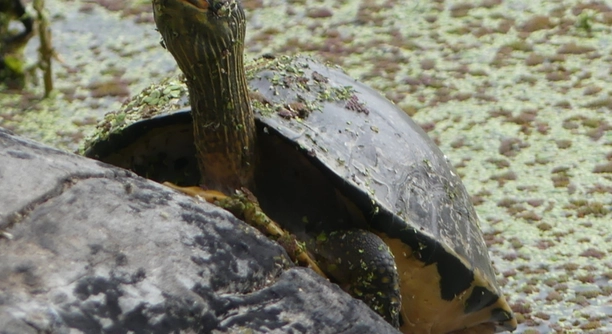
Indian Roofed Tortoises are unique pets with distinct behaviors. One such behavior involves scraping their shells on rocks, which can leave owners concerned. Understanding why your tortoise may be engaging in this behavior is important for their well-being.
The main reason for a tortoise scraping its shell on rocks is to maintain its shell’s health. This behavior can help to remove debris, stimulate natural shedding, and may also serve as a way to relieve discomfort from their growing shells.
There are several factors that influence this behavior, from environmental conditions to health concerns. Understanding these aspects can help you ensure your tortoise’s comfort and prevent any issues down the road.
Reasons for Scraping Behavior
Tortoises scrape their shells on rocks for various reasons. One of the main ones is to help shed old, dead skin or scutes, which are the hard, outer layers of their shells. As tortoises grow, they periodically need to shed these layers, and scraping against rough surfaces aids in this process. The rough texture of the rocks helps to gently remove any buildup, keeping their shells clean and healthy. Scraping also stimulates the growth of new scutes, allowing the tortoise to maintain a smooth and protective shell.
Additionally, tortoises may scrape their shells as a way to stretch or exercise. The action may simply feel good, much like stretching for humans.
If your tortoise is regularly scraping, it could also be a sign that they need more space or environmental enrichment. Providing a varied environment with places to explore and scratch can help satisfy these natural instincts. However, keep in mind that excessive scraping could also be a sign of discomfort or a potential health issue.
Environmental Factors
The environment plays a significant role in your tortoise’s scraping behavior.
If the habitat is too dry, too hot, or lacking natural elements like rocks and rough surfaces, tortoises may engage in scraping as a way to seek comfort. They are naturally drawn to textures that help maintain their shells and skin. A suitable enclosure should include a variety of surfaces, such as rocks, logs, and dirt, to mimic their natural surroundings.
A proper humidity level is also crucial. If the environment is too dry, your tortoise may feel the need to scrape their shell more often, trying to get rid of uncomfortable dryness. Ensuring a balanced, slightly humid atmosphere can prevent this behavior from becoming a constant issue. It is important to monitor both temperature and humidity closely to keep your tortoise comfortable.
Ensuring your tortoise has access to both dry and moist areas within its habitat can help balance their shell maintenance and comfort needs. Additionally, having a wide range of surfaces available to them may decrease the scraping frequency.
Health Concerns
Sometimes, scraping can be a sign of a health issue, especially if it seems excessive. It could indicate that your tortoise is experiencing discomfort due to a shell injury, parasites, or fungal infection. If your tortoise is scraping its shell more frequently than usual or appears stressed, it’s important to examine its shell for any cracks or signs of infection.
A damaged shell can lead to serious issues if not treated promptly. It may cause your tortoise to scrape in an attempt to relieve pain or irritation. Fungal infections or external parasites like mites can also trigger this behavior. If you notice any unusual signs such as discoloration, softness, or swelling on the shell, consulting a vet is crucial.
Shell health is vital for the overall well-being of your tortoise. If untreated, these conditions could cause long-term damage or infections that compromise their immune system. Keeping your tortoise in a clean, safe environment will reduce the risk of these issues.
Shell Growth and Development
As tortoises grow, they may scrape their shells to help with the natural process of scute shedding. Their shells grow in layers, and older scutes may need to be removed to make way for new growth. This process can cause some irritation, and scraping on rocks helps ease the discomfort.
Healthy shell growth is vital for your tortoise’s overall health. If the shedding process is hindered or if old scutes remain stuck to the shell, your tortoise may feel the need to scrape more often. It’s important to provide opportunities for them to rub against rough surfaces, ensuring that this natural shedding process goes smoothly. However, it is essential to monitor the condition of the shell.
If scutes do not shed properly or remain attached too long, it may lead to health problems, such as shell deformities. Regularly inspecting the shell for buildup or unusual marks can help you determine if your tortoise is shedding normally.
Stress and Anxiety
Tortoises may scrape their shells if they are feeling stressed or anxious. Changes in their environment, like new pets, loud noises, or alterations in temperature, can trigger this behavior. It’s their way of dealing with discomfort. If you notice increased scraping during stressful situations, try to minimize disturbances.
Stress can also be caused by overcrowding in the enclosure. A cramped environment can make your tortoise feel trapped, leading to constant scraping. Ensure the habitat provides enough space for your tortoise to roam freely, which can alleviate anxiety and reduce excessive shell scraping.
Lack of Proper Enrichment
Tortoises are naturally curious creatures and need plenty of stimulation. A lack of variety in their environment can lead to scraping behavior. If there aren’t enough places to climb or dig, your tortoise may scrape its shell out of boredom. Providing various textures and hiding spots is essential.
To keep your tortoise entertained and mentally stimulated, include rocks, logs, and even shallow pools in its habitat. This will encourage exploration and reduce the likelihood of repetitive behaviors like scraping. Enrichment also helps prevent other behavioral issues, promoting your tortoise’s overall health.
FAQ
Why is my tortoise scraping its shell more than usual?
If your tortoise is scraping its shell more than usual, it could be due to a few factors. It may be trying to shed old scutes or dead skin, which is a natural process. However, excessive scraping could indicate discomfort from a shell injury, parasites, or poor environmental conditions. It’s important to monitor if the scraping is accompanied by other signs like swelling, discoloration, or a change in behavior. If these symptoms persist, it’s best to consult a vet for a thorough check-up.
Can scraping damage my tortoise’s shell?
Scraping on rough surfaces generally won’t harm your tortoise’s shell if it’s done naturally, as part of the shedding process. However, if the scraping is caused by something like an injury or infection, it could lead to damage over time. It’s crucial to check for any signs of damage, such as cracks or soft spots on the shell. Regular inspections and proper care can help prevent any harm.
How can I tell if my tortoise is stressed?
Signs of stress in tortoises include increased scraping, withdrawal from food, excessive hiding, or pacing around the enclosure. Stress can be caused by environmental changes, a lack of proper space, or poor temperature/humidity conditions. To reduce stress, maintain a consistent environment with plenty of space, and ensure the habitat is well-equipped with enrichment opportunities. If the stress persists, consider consulting an exotic animal vet.
Is it normal for a tortoise to scrape its shell on rocks?
Yes, it is normal for tortoises to scrape their shells on rocks. They do this to help remove old scutes and maintain shell health. The rough surface of rocks can assist with natural shedding, which is essential for the tortoise’s growth and comfort. However, make sure the rocks aren’t too sharp, as they could cause injury.
Should I provide my tortoise with more rocks and surfaces to scrape on?
Yes, providing various surfaces for your tortoise to scrape on can be beneficial. Rocks, logs, and rough-textured areas help stimulate the shedding of old scutes and keep the tortoise comfortable. It’s important to ensure that the surfaces are not too abrasive or sharp to prevent any injuries. A well-balanced enclosure with natural elements promotes a healthy shell and encourages natural behaviors.
Can temperature and humidity affect my tortoise’s shell scraping behavior?
Yes, temperature and humidity play a significant role in a tortoise’s behavior. If the environment is too dry or too humid, it can lead to discomfort, prompting the tortoise to scrape its shell more frequently. Tortoises need a balanced environment with a proper temperature gradient and moderate humidity levels to stay comfortable. An enclosure that mimics their natural habitat is ideal for their overall health.
How do I create a good habitat for my tortoise?
A proper habitat for your tortoise should include a variety of surfaces for climbing and scraping, such as rocks, logs, and dirt. Ensure the enclosure is spacious enough to allow for movement, with separate areas for basking, hiding, and eating. Temperature and humidity should be monitored carefully to maintain ideal conditions for your tortoise. Enrichment in the form of varied textures and hiding spots will help keep your tortoise entertained and healthy.
Is it okay to put my tortoise on artificial turf or smooth surfaces?
Artificial turf or smooth surfaces are not ideal for tortoises, as they don’t provide the rough textures needed to stimulate natural behaviors like scraping. Tortoises need rough surfaces to help with shell shedding and to keep their nails and beaks naturally worn down. Instead, try using a mix of sand, rocks, and soil to create a more natural and stimulating environment for your tortoise.
Can a tortoise scrape its shell due to boredom?
Yes, boredom can lead to shell scraping. If your tortoise doesn’t have enough to do in its enclosure, it may start scraping its shell as a repetitive behavior. Providing plenty of opportunities for exploration, such as hiding spots, different textures, and objects to climb or burrow into, can help reduce boredom and prevent this behavior from becoming excessive.
When should I be concerned about my tortoise’s shell scraping?
You should be concerned if your tortoise’s shell scraping is excessive and accompanied by other symptoms like swelling, soft spots, or discoloration of the shell. If the scraping becomes frequent and persistent, it may indicate that your tortoise is dealing with a health issue, such as an infection, injury, or inadequate living conditions. In such cases, it’s best to consult with a veterinarian for proper diagnosis and care.
Can diet affect shell scraping in tortoises?
A poor diet can indirectly affect your tortoise’s shell and lead to scraping behavior. Tortoises require a diet rich in calcium, fiber, and other essential nutrients to maintain a healthy shell. Without a balanced diet, their shells may not grow properly, and this could lead to scraping in an attempt to relieve discomfort. Ensure your tortoise’s diet includes plenty of leafy greens, vegetables, and a calcium supplement to promote healthy shell growth.
Final Thoughts
Scraping is a natural behavior for Indian Roofed Tortoises, and it can happen for several reasons. One of the most common is to help with shedding old scutes or dead skin from their shell. As tortoises grow, they need to get rid of these old layers to allow the new, healthy scutes to develop. Scraping on rough surfaces, like rocks, can help with this process. In most cases, this behavior is completely normal and part of your tortoise’s growth cycle. However, if your tortoise is scraping excessively or seems uncomfortable, it might indicate an underlying issue.
If you notice that the scraping is accompanied by other signs, such as a change in eating habits, lethargy, or visible damage to the shell, it’s important to take action. A shell injury, fungal infection, or parasitic problem could be the cause. In these cases, it’s a good idea to consult a veterinarian who specializes in reptiles. They can help diagnose the issue and provide the right treatment to ensure your tortoise remains healthy. Regularly checking the condition of your tortoise’s shell can help catch any potential problems early.
Creating an ideal habitat for your tortoise can go a long way in reducing unnecessary scraping. By offering different textures and surfaces, you help provide the necessary stimulation for your tortoise to feel comfortable. A spacious enclosure with proper temperature and humidity levels will make a significant difference in your tortoise’s well-being. Enrichment in the form of climbing surfaces and places to hide will help keep your tortoise engaged and prevent boredom. With the right care and environment, your tortoise will be able to scrape its shell naturally, without stress or health concerns.

Hello,
If you enjoy the content that we create, please consider saying a "Thank You!" by leaving a tip.
Every little bit helps us continue crafting quality advice that supports the health, happiness, and well-being of pets around the world, for pets of all shapes, sizes, and species.
We really appreciate the kindness and support that you show us!