
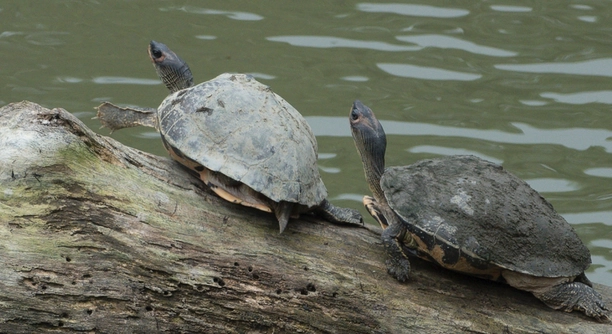
Choosing the right bedding for your Indian Roofed Tortoise is important for their health and comfort. A proper bedding choice will also help in maintaining a clean and safe environment for your pet.
The best bedding for an Indian Roofed Tortoise tank should be absorbent, easy to clean, and non-toxic. Suitable options include coconut coir, aspen shavings, and play sand, which offer a natural habitat while promoting proper humidity levels.
Selecting the correct bedding ensures the comfort and well-being of your tortoise. Read on to find out which options are best suited for your pet’s habitat.
1. Coconut Coir: A Natural Choice for Bedding
Coconut coir is a popular bedding option for tortoises. It’s made from the fibers of coconut husks, offering a soft, absorbent, and eco-friendly solution. It helps maintain humidity levels in the tank, which is essential for the health of your Indian Roofed Tortoise. Additionally, coconut coir is odor-resistant, which makes cleaning the tank easier. It’s also safe for your pet, as it doesn’t contain harmful chemicals or additives that can harm the tortoise. Coconut coir is also biodegradable, meaning it is environmentally friendly. It’s a sustainable option that provides your tortoise with a comfortable and natural habitat.
While coconut coir is beneficial for moisture retention, it is essential to spot clean regularly. This prevents any waste from lingering and keeps the environment fresh. You can replace the bedding entirely every few weeks for a more thorough cleaning.
Coconut coir can be used alone or mixed with other materials like sand for added texture. It is soft enough to avoid causing irritation but sturdy enough to hold up under daily use. Overall, coconut coir is a great choice for maintaining a clean, safe, and comfortable tank environment.
2. Aspen Shavings: Safe and Easy to Manage
Aspen shavings are another reliable option for your tortoise tank.
Aspen shavings are soft and non-toxic, providing your tortoise with a safe environment. They’re lightweight, easy to handle, and can be disposed of without hassle. These shavings also work well at absorbing moisture and odors, keeping the tank fresh. Regular cleaning is essential to keep it hygienic, as waste can easily accumulate in the shavings.
Aspen shavings, however, do not retain moisture as well as coconut coir. This means you’ll need to monitor humidity levels carefully, especially in drier environments. While it’s an affordable and accessible bedding choice, it might require more frequent changes to maintain a proper habitat for your tortoise. When choosing aspen shavings, look for untreated, natural options to avoid exposing your pet to harmful chemicals. Overall, it offers an excellent balance between comfort and convenience.
3. Play Sand: Ideal for Digging and Burrowing
Play sand can provide a more natural environment for tortoises who love to dig and burrow.
This bedding option is soft and allows your tortoise to engage in instinctive behaviors, which is important for their mental stimulation. It’s also an affordable choice and easy to replace when necessary.
Play sand, while a great option for burrowing, doesn’t absorb moisture as well as other bedding options. For this reason, it should be used in combination with other materials, such as coconut coir or sphagnum moss, to maintain proper humidity levels. Another important consideration is the type of sand. Make sure to use clean, non-toxic play sand that is free from harmful chemicals or additives. Also, avoid using sandbox sand that might have been exposed to contaminants. Though it doesn’t retain moisture as effectively, play sand encourages natural behaviors and provides a stimulating environment for your tortoise.
4. Sphagnum Moss: Perfect for Humidity Control
Sphagnum moss is an excellent bedding choice for maintaining the humidity your Indian Roofed Tortoise needs.
This moss helps retain moisture in the tank, creating a more humid environment, which is essential for your tortoise’s health. It’s soft, non-toxic, and provides a natural look to the enclosure. Sphagnum moss is particularly useful in tanks where the climate is dry or where humidity levels need to be carefully controlled. It also helps regulate temperature fluctuations within the tank, making it easier to create a stable habitat.
However, sphagnum moss can sometimes become a bit messy, especially when it gets wet. Make sure to regularly spot clean the moss to prevent the buildup of waste. Replacing the moss every couple of weeks will also keep the tank in good condition and prevent odors.
5. Reptile Carpet: Low Maintenance and Convenient
Reptile carpet is a low-maintenance bedding option that works well for tortoises.
Made from synthetic materials, reptile carpet is easy to clean and can be reused many times. It’s safe for your pet and doesn’t pose the same risks as loose bedding, like ingestion or impaction. Reptile carpets are also good for maintaining a clean, tidy environment in the tank. They are designed to trap waste and absorb moisture, making cleaning much quicker and more efficient.
On the downside, reptile carpet doesn’t offer the same naturalistic feel as other bedding options. It lacks the ability to retain humidity, which may be important for some tortoises. If you decide to use it, you may need to supplement with other humidity-boosting materials like moss or a humidifier. Reptile carpets also need to be washed regularly to ensure they remain free from bacteria and waste. While they are convenient, they may not provide the same level of comfort or stimulation as more natural options.
6. Straw and Hay: Natural and Affordable
Straw and hay are natural bedding options that are both affordable and effective.
Hay can provide your tortoise with a soft, comfortable surface to move around on. It also offers some nutritional value if your tortoise enjoys nibbling on it. Straw, while not as soft, can be used as a base layer for added structure.
Both straw and hay are easy to clean but require regular replacement to keep the tank free from waste. They also tend to dry out quickly, which makes them a good option for drier environments. However, they are not ideal for maintaining high humidity levels.
7. Cypress Mulch: A Versatile Bedding Material
Cypress mulch is another great option for your tortoise’s tank. It helps with humidity retention and provides a comfortable surface for your tortoise to roam.
The mulch is made from bark and wood chips, which are safe for your pet. It has a natural look and can help replicate the tortoise’s wild environment. Cypress mulch is also durable and holds up well, even with frequent spot cleaning. It’s a good choice for creating a more natural setting while keeping your pet comfortable. However, make sure to buy high-quality, untreated mulch to avoid harmful chemicals.
Cypress mulch is excellent for moisture control but can sometimes be more difficult to clean due to its texture. Make sure to monitor humidity and spot clean frequently to maintain the best environment for your tortoise. It may also require replacement every month or two.
FAQ
What is the best bedding for an Indian Roofed Tortoise?
The best bedding depends on your tortoise’s environment and your preferences for cleaning. Coconut coir, aspen shavings, and sphagnum moss are all great options. Coconut coir helps retain moisture, while aspen shavings are easy to clean. Sphagnum moss is ideal for controlling humidity. You can also mix different bedding materials for a more natural and balanced habitat.
Can I use regular soil for my tortoise tank?
It’s not advisable to use regular soil from the garden, as it may contain chemicals, pesticides, or parasites that could harm your tortoise. You also risk introducing bacteria or fungi that could affect their health. If you want a soil-like texture, opt for play sand or an organic substrate mix designed for reptiles.
How often should I clean my tortoise tank bedding?
Bedding should be spot cleaned daily to remove waste, uneaten food, and any soiled areas. A complete bedding change is typically necessary every two to four weeks, depending on the type of bedding and the size of the tank. Regular cleaning is crucial for maintaining a hygienic environment and preventing the buildup of bacteria.
Is it okay to use sand in my tortoise’s tank?
Yes, sand can be a good option for your tortoise, especially if it likes to dig. However, it is important to choose a non-toxic, fine-grain sand, such as play sand. You should also combine it with other substrates, like coconut coir, to ensure proper humidity levels and avoid dryness. Always monitor your tortoise to ensure it isn’t ingesting too much sand, which can lead to health issues.
Can I use pine or cedar shavings for bedding?
It’s best to avoid using pine or cedar shavings for your tortoise. These types of wood contain aromatic oils that can be harmful to reptiles. Cedar shavings, in particular, can cause respiratory problems, while pine can lead to skin irritation. Stick with aspen shavings or other safer options for your tortoise’s bedding.
How do I maintain the right humidity levels in the tank?
To maintain proper humidity levels, it’s essential to use substrates like coconut coir or sphagnum moss, which retain moisture well. You can also mist the tank daily with water to keep humidity up, especially if you live in a dry climate. A humidity gauge will help you monitor the levels, ensuring they stay between 60% to 80% for optimal health.
How do I know if my tortoise’s bedding is too dry or too moist?
If the bedding feels dry and dusty, it’s too dry. Your tortoise may become dehydrated or uncomfortable in such an environment. If the bedding feels soggy or muddy, it’s too moist and can lead to mold or bacteria growth. The bedding should be damp but not wet to the touch. Regularly check the moisture levels and adjust as needed.
Can I use artificial turf or carpets for bedding?
Artificial turf or reptile carpets can be used as a bedding option, but they don’t offer the same natural feel as other materials like coconut coir or sand. While easy to clean and reusable, they do not retain moisture or provide digging opportunities for your tortoise. It’s a more low-maintenance option but may not be the most comfortable or stimulating.
How can I prevent my tortoise from ingesting bedding?
To reduce the chance of ingestion, avoid using loose or fine-grain materials, such as sand or small particles that your tortoise can easily swallow. You can also create a more stimulating environment with hiding spots or other features that keep your tortoise entertained. Ingesting bedding can lead to impaction, which can be dangerous.
Can I mix different types of bedding materials?
Yes, you can mix different bedding materials to create a more natural and comfortable environment. For example, combining coconut coir with play sand or adding sphagnum moss can help control humidity and create a varied texture for your tortoise to explore. Just be sure that all the materials you use are safe and non-toxic.
What is the best way to clean my tortoise tank bedding?
To clean the bedding, start by removing any waste, uneaten food, or soiled areas daily. For a full cleaning, remove the old bedding and replace it with fresh materials. If using washable materials like reptile carpet, wash them according to the manufacturer’s instructions. Regular cleaning prevents bacteria buildup and keeps your tortoise’s home healthy.
How can I keep my tortoise tank smelling fresh?
To prevent odors, it’s important to spot clean regularly, especially in the warmer months. Materials like coconut coir and sphagnum moss are odor-resistant, but they still need to be cleaned periodically. You can also add a small amount of activated charcoal or a reptile-safe deodorizer to help keep the tank smelling fresh.
Is it safe to use hay as bedding for a tortoise?
Yes, hay can be used as bedding, though it’s best as a supplement rather than the primary material. Hay is a good option for adding texture and nutritional value to your tortoise’s environment, but it can quickly dry out and doesn’t provide adequate moisture retention. For better humidity control, combine hay with other substrates.
Can I use a humidifier to help with humidity levels?
A humidifier can be a helpful tool if you live in a dry climate. It can maintain consistent humidity in the tank, especially if your tortoise requires a more humid environment. Just be sure to monitor the humidity levels to avoid over-wetting the tank. It’s also essential to clean the humidifier regularly to prevent bacteria or mold growth.
Final Thoughts
Choosing the right bedding for your Indian Roofed Tortoise is essential for creating a comfortable and healthy environment. The bedding material you select impacts not only your tortoise’s comfort but also the overall cleanliness and humidity levels of its habitat. It’s important to consider factors such as moisture retention, ease of cleaning, and safety when selecting a substrate. Options like coconut coir, aspen shavings, and sphagnum moss provide natural, safe environments that support your tortoise’s health. Each of these materials offers unique benefits, making them popular choices among tortoise owners.
It’s also worth considering how much maintenance you’re willing to put into the tank. Materials like reptile carpet or artificial turf may require less frequent changes but might not provide the same natural feel or moisture control as organic substrates. On the other hand, natural bedding like coconut coir or play sand can require more upkeep, such as regular misting and spot cleaning, but they offer a more stimulating and realistic habitat. You’ll need to balance ease of cleaning with the benefits each bedding type offers in terms of temperature and humidity regulation.
Ultimately, the best bedding choice for your tortoise depends on your specific situation. Take into account the climate where you live, the size of your tortoise’s enclosure, and how often you’re able to clean and replace the bedding. By selecting the right bedding material and ensuring regular maintenance, you’ll create a healthier and more comfortable space for your Indian Roofed Tortoise to thrive. Whether you opt for a natural option like coconut coir or a more low-maintenance solution like reptile carpet, the most important factor is that the bedding supports your pet’s well-being and mimics its natural environment.

Hello,
If you enjoy the content that we create, please consider saying a "Thank You!" by leaving a tip.
Every little bit helps us continue crafting quality advice that supports the health, happiness, and well-being of pets around the world, for pets of all shapes, sizes, and species.
We really appreciate the kindness and support that you show us!