
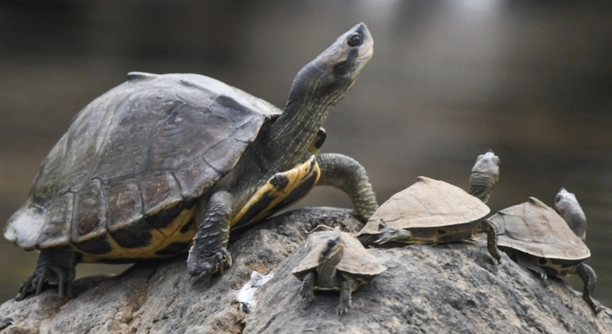
An Indian Roofed Tortoise, like many pets, can experience stress, which affects its health and behavior. Knowing how to help your tortoise recover is essential to ensuring its well-being and happiness.
To help an Indian Roofed Tortoise recover from stress, provide a calm and consistent environment, avoid handling it too much, and ensure proper nutrition and hydration. A stress-free habitat with appropriate temperature and humidity levels also plays a key role in recovery.
By following simple steps and adjusting its environment, your tortoise can begin to feel at ease. Understanding the signs of stress and responding appropriately can make a big difference in its recovery.
Creating a Calm Environment for Your Tortoise
A calm and stable environment is key to helping your Indian Roofed Tortoise recover from stress. Avoid sudden changes in temperature, lighting, or habitat setup. Consistency is important—try to keep its enclosure environment as stable as possible. Stressful environments often come from loud noises, unpredictable movements, or even other pets disturbing it. Make sure to place the tortoise in a quiet space where it feels safe and comfortable.
Providing a retreat area within the enclosure where your tortoise can hide or rest helps it feel secure. Using plants or shelters like small caves can help create a space where it can retreat when it feels overwhelmed.
Your tortoise will thrive in an environment that doesn’t overwhelm it. By paying attention to its need for quiet and privacy, you can reduce its stress levels and make it feel at home. Keeping the space clean and well-maintained also ensures a stress-free habitat, making it easier for your tortoise to relax and recover.
Proper Diet and Hydration
Adequate nutrition is essential for your tortoise’s recovery. A balanced diet with plenty of fresh vegetables and occasional fruits will help keep your pet healthy.
Dehydration can contribute to stress and overall poor health. Make sure your tortoise always has access to fresh water. You can even lightly mist it or offer water baths to ensure it stays hydrated. Consistent nutrition and hydration make a huge difference in supporting its recovery from stress.
Temperature and Humidity Control
Maintaining the correct temperature and humidity levels is crucial for your tortoise’s well-being. Make sure to monitor the temperature closely, as too high or too low can stress the tortoise.
An ideal temperature range for your tortoise is between 80°F and 85°F during the day, with a basking spot that reaches up to 90°F. The humidity should be kept around 50-70%. If the environment is too dry, it may lead to dehydration and skin problems. You can use a humidity gauge and thermometer to ensure the correct levels are maintained in its enclosure.
Regularly adjust heating and misting to keep the habitat balanced. By controlling these factors, your tortoise can feel more comfortable and less stressed, helping it to recover. If needed, you can also add a shallow water dish to boost humidity levels. This small change can make a big difference in how your tortoise feels.
Avoiding Overhandling
One of the most important things you can do for a stressed tortoise is avoid overhandling. Tortoises are sensitive creatures, and too much interaction can cause them to feel threatened.
Handle your tortoise only when necessary, and try to limit physical contact during stressful recovery periods. Let it get accustomed to its environment and allow it to move at its own pace. When you do handle your tortoise, make sure it’s done gently and calmly.
Overhandling can make your tortoise feel cornered and stressed, which delays its recovery. While interaction can be rewarding, it’s important to give your tortoise the space it needs to feel secure and heal. Patience will help ensure a smooth recovery process.
Regular Monitoring and Observation
Regularly observing your tortoise helps you spot any signs of stress early. Keep an eye on its behavior, eating habits, and activity levels.
By closely watching your tortoise, you can identify changes that indicate it might be feeling stressed. If it isn’t eating, moving, or basking as usual, it may need adjustments in its environment. Regular checkups also help track its recovery progress, ensuring it gets back to normal soon.
Providing a Comfortable Habitat
Creating a comfortable habitat helps your tortoise recover faster. Ensure it has enough space to move around and access to areas for both hiding and basking.
A comfortable environment with areas to explore and hide will make your tortoise feel secure. Adding natural elements like rocks and plants can encourage its natural behavior and reduce stress. Keeping the enclosure clean and giving your tortoise the freedom to move within its space can significantly improve its mental state.
Offering the Right Lighting
Proper lighting is essential for a tortoise’s health and stress recovery. Use a UVB light to simulate natural sunlight, which helps with calcium absorption and overall well-being.
The right lighting mimics the natural environment and helps your tortoise regulate its day-night cycle. Without adequate UVB light, your tortoise could become stressed and experience health problems. Providing this essential lighting will help your tortoise feel more at ease and support its recovery process.
FAQ
How can I tell if my tortoise is stressed?
A stressed tortoise may exhibit several signs. Common behaviors include hiding more than usual, refusing to eat, excessive lethargy, or becoming more aggressive. Changes in the way it moves, such as frequent pacing or sudden withdrawal into its shell, can also indicate stress. If the tortoise shows any of these behaviors, it’s important to assess its environment and make adjustments.
What should I do if my tortoise stops eating?
If your tortoise stops eating, it may be stressed or unwell. First, check its environment—ensure the temperature, humidity, and lighting are appropriate. Sometimes, stress from overhandling or environmental changes can cause loss of appetite. If the issue persists, a visit to a veterinarian experienced with reptiles is recommended to rule out any health concerns.
Can I handle my tortoise while it’s stressed?
It’s best to minimize handling when your tortoise is stressed. Overhandling can worsen stress and delay recovery. If you do need to handle your tortoise, make sure it’s done gently and with minimal disruption to its environment. Giving it time to adjust and feel comfortable again will help the recovery process.
How often should I change the water in my tortoise’s enclosure?
Water should be changed daily to maintain cleanliness and prevent bacterial growth. Make sure the water is fresh and at the right temperature. If your tortoise enjoys water baths, offering a shallow dish for hydration is a good idea. A clean water source is essential for hydration and overall health.
Is it okay to give my tortoise fruits when it’s stressed?
Fruits can be offered in moderation, even when your tortoise is stressed. However, if your tortoise is not eating regularly, focus on providing leafy greens and high-fiber vegetables first. Too much fruit can cause digestive issues, so it’s best to offer it in small amounts.
What type of substrate is best for my tortoise’s enclosure?
The best substrate for an Indian Roofed Tortoise is one that promotes natural behaviors while being easy to clean. Coconut coir, aspen shavings, or organic topsoil are good options. Avoid using sand or gravel, as these can be ingested and cause digestive issues. Make sure the substrate allows for burrowing and retains moisture, as it helps maintain the right humidity levels.
Can my tortoise recover from stress on its own?
With the right environmental conditions and time, a tortoise can often recover from stress. However, your involvement is essential to ensure the habitat is suitable and stressors are minimized. Monitor its behavior closely, and be patient. If stress continues or worsens, consulting a veterinarian might be necessary to rule out other causes.
How long does it take for a stressed tortoise to recover?
The recovery time can vary depending on the level of stress and the tortoise’s overall health. Minor stress may be resolved within a few days, while more prolonged or severe stress could take weeks. The key is to provide a stable, quiet environment and make adjustments as needed.
Should I add more hides to my tortoise’s enclosure?
Yes, providing multiple hides is a good idea. Tortoises feel safer when they have places to retreat. Multiple hide spots in the enclosure allow your tortoise to choose where it feels most secure. This reduces stress and gives it control over its environment.
What should I do if my tortoise is overly aggressive?
Aggression can be a sign of stress or territorial behavior. Make sure its habitat is large enough and has enough hiding spots. If the aggression continues, assess the enclosure for any triggers, such as bright lights or loud noises. Giving your tortoise more time to adjust and offering a calm, quiet environment may help. If aggression persists, consult a vet to rule out health issues.
How do I adjust the temperature for my tortoise?
The ideal temperature for your tortoise’s enclosure should range from 80°F to 85°F, with a basking spot around 90°F. Use a reliable thermometer to monitor these temperatures. A heat lamp or ceramic heat emitter can provide warmth without creating overly dry conditions. Ensure that the temperature gradient is maintained so your tortoise can regulate its body heat.
What are the signs that my tortoise is too hot or too cold?
If your tortoise is too hot, it may show signs of panting or excessive activity, trying to escape the heat. On the other hand, if it’s too cold, it might become lethargic, hide more often, or not eat. If the temperature in the enclosure is outside the ideal range, take immediate steps to adjust it to prevent stress or health issues.
Can stress lead to long-term health problems for my tortoise?
Yes, chronic stress can lead to long-term health problems such as weakened immune function, digestive issues, and difficulty eating. Prolonged stress can also affect a tortoise’s growth and longevity. Reducing stress and creating a stable environment is essential for your tortoise’s overall health and well-being.
Final Thoughts
Helping your Indian Roofed Tortoise recover from stress is a process that requires patience and attention to detail. By providing a stable and calm environment, your tortoise will have the chance to relax and feel secure again. It’s essential to ensure that its habitat remains consistent, with the right temperature, humidity, and lighting. Small changes like offering more hiding spots or limiting handling can make a significant difference in reducing stress. Monitoring its behavior closely is also key to understanding when the tortoise may need adjustments.
Diet and hydration play a vital role in your tortoise’s recovery. Fresh vegetables and the proper amount of water help keep it healthy while it works through any stress. It’s also important to avoid overfeeding fruits, as they can cause digestive issues if offered in excess. Consistently providing a balanced diet will not only support its recovery but also improve its overall well-being. If your tortoise refuses to eat for an extended period, it’s a good idea to visit a vet to make sure nothing else is wrong.
While stress recovery may take time, your efforts will pay off as your tortoise begins to show signs of improvement. Every tortoise is different, so adjusting your care routine to fit its needs will be the most effective way to help it heal. By reducing stressors and providing a comfortable habitat, you give your tortoise the best chance for recovery and long-term happiness. Just remember that stress is something all tortoises can experience, but with the right steps, it’s manageable, and your tortoise will likely bounce back stronger than before.

Hello,
If you enjoy the content that we create, please consider saying a "Thank You!" by leaving a tip.
Every little bit helps us continue crafting quality advice that supports the health, happiness, and well-being of pets around the world, for pets of all shapes, sizes, and species.
We really appreciate the kindness and support that you show us!