
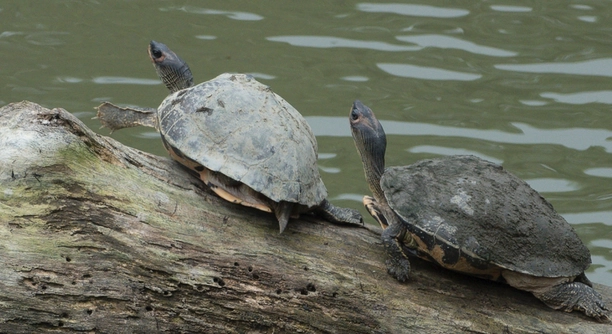
Many tortoise owners may notice that their Indian Roofed Tortoise refuses to go into water. It can be puzzling when this happens, as water is a vital part of their care routine. Understanding the reasons behind this behavior can help.
The refusal to enter water can result from factors such as environmental stress, improper water temperature, or even health issues. A tortoise might avoid water if it feels unsafe, uncomfortable, or unwell, so it’s crucial to assess these aspects carefully.
Knowing the possible causes can help you take the right steps to encourage your tortoise to enter water again. This article will guide you through the different factors to consider and how to improve your tortoise’s environment.
Environmental Factors Affecting Your Tortoise’s Behavior
One of the main reasons your Indian Roofed Tortoise might avoid water is its environment. Tortoises are sensitive to changes in their habitat, and if something feels off, they can become stressed. A common issue could be the temperature of the water. Tortoises prefer water that is warm, not too hot or cold. If the water is too cold, they may avoid it completely. In contrast, water that is too hot can cause discomfort or even harm. The location of the water also plays a role. If it’s in a place that feels too open or unsafe, your tortoise might hesitate to enter. Providing a calm and secure space with proper temperature settings can make a big difference.
Sometimes, environmental stress can be a result of loud noises, too much human interaction, or even the presence of other pets. Tortoises are naturally shy animals, and if they feel overwhelmed, they may refuse to approach the water. If your pet seems hesitant to go into water, consider evaluating its environment and reducing any possible sources of stress.
Creating a safe and secure environment for your tortoise is key to ensuring it feels comfortable. Start by checking the water temperature regularly to maintain a consistent, warm temperature. Also, ensure the area around the water is quiet and peaceful. If you have multiple pets, ensure they don’t disturb the tortoise’s space. Offering a sheltered and private area for your tortoise can also help alleviate its anxieties and encourage water interaction. This is crucial to avoid stressing your pet, as a relaxed tortoise will be more likely to enjoy its water time.
Health Issues That May Impact Water Interaction
Your tortoise might be avoiding the water due to health problems. If it’s not feeling well, it may shy away from the water out of discomfort. Illness can make your pet lethargic or weak, which might cause it to avoid activities it typically enjoys, including swimming or soaking. If your tortoise seems unusually tired, has difficulty moving, or shows signs of discomfort, it’s important to observe its behavior carefully.
If your tortoise shows signs of illness, it’s best to consult with a vet to rule out any medical issues. Common health problems like respiratory infections or parasites can cause discomfort and lead to behavior changes, such as refusing to enter water. Regular check-ups and monitoring can help detect potential health problems early. Always prioritize your tortoise’s health to ensure it stays active and happy.
Improper Tank Setup
An improper tank setup can make your tortoise hesitant to enter water. If the tank is too small or lacks proper hiding spots, your tortoise may feel stressed and avoid certain areas. A cramped space can make them uncomfortable, leading to them not using the water area. Proper tank size and a layout that mimics their natural habitat are essential.
Your tortoise needs a tank that provides enough space to roam and soak comfortably. Ensure the water area is large enough for your tortoise to move around without feeling restricted. Adding rocks or plants around the water can create a more natural setting. Hiding spots such as logs or small caves can provide the security your tortoise needs to feel safe when entering the water. A balanced and spacious tank layout can encourage better behavior and ensure your pet feels at ease.
Even the type of substrate used in the tank can influence your tortoise’s behavior. Avoid substrates that are too dry or uncomfortable. Make sure there is enough moisture around the water area, but not so much that it creates an unhealthy environment. Providing a balanced ecosystem with proper humidity and temperature will keep your tortoise happy and more likely to enter the water.
Water Quality Concerns
Dirty water could be a reason your tortoise is refusing to enter it. Tortoises are very sensitive to water quality, and if the water looks murky or smells bad, they will avoid it. Contaminated water can lead to skin irritation and health problems, making your tortoise hesitant to soak. It’s important to maintain clean water at all times.
Regularly cleaning the water in your tortoise’s habitat is essential to keeping it healthy. Be sure to replace the water frequently and clean the tank regularly to remove debris and waste. Using a filter can help keep the water clear and reduce the need for constant changes. A clean water environment will not only help your tortoise feel comfortable, but it will also reduce the risk of infections and other health issues. A quick water change can make your tortoise more willing to enter the water.
Water temperature is also crucial to its quality. Ensure the water is at a comfortable level, not too hot or cold. Temperature fluctuations can make your tortoise avoid the water. Maintaining proper water conditions can encourage your tortoise to soak and stay hydrated, which is vital for their overall health. Clean, properly maintained water will create an environment your tortoise can enjoy.
Overexposure to Heat
Overexposure to heat can make your tortoise avoid water. If your tortoise’s basking area is too hot, it may be dehydrated or uncomfortable, causing it to stay away from the water. Excessive heat can make your pet feel sluggish, and it will seek shelter instead of soaking.
If the heat in the tank is too high, it may lead to dehydration or stress. It’s essential to monitor the temperature of the basking area and ensure it stays within a comfortable range. The temperature should be high enough to encourage digestion but not so extreme that it forces your tortoise to avoid water.
Lack of Hydration
Hydration is essential to your tortoise’s health. If the tortoise isn’t getting enough water from its diet or environment, it may avoid the water area, even when it needs it. This can be a sign of dehydration, making it more challenging for your tortoise to engage with water.
FAQ
Why isn’t my Indian Roofed Tortoise drinking water?
Your tortoise may not be drinking enough water because it’s not properly hydrated or has difficulty accessing clean water. Some tortoises will absorb moisture from their environment or food, so they may not drink as much directly. Ensure that fresh, clean water is always available in the tank. If your tortoise doesn’t seem to drink regularly, try soaking it in a shallow water bath for 10 to 15 minutes. This method can help hydrate your tortoise, especially if it’s avoiding the water in its enclosure.
How can I encourage my tortoise to enter the water?
To encourage your tortoise to go into the water, create a comfortable and secure environment. Start by adjusting the water temperature to the optimal range, between 75°F to 80°F. Avoid placing the water in areas that feel too exposed or noisy. Adding hiding spots or creating more natural settings around the water can help make the area feel safer. You can also gently place your tortoise in the water to see if it feels comfortable soaking.
Could my tortoise be avoiding water due to stress?
Yes, stress can make your tortoise avoid water. Tortoises are sensitive to their surroundings and may refuse to enter water if they feel threatened or uncomfortable. Loud noises, the presence of other pets, or an overcrowded tank can increase stress. Make sure your tortoise has a quiet, calm environment, with proper hiding places and enough space to roam. Reducing stress can help your tortoise feel more comfortable and encourage it to use the water.
What if my tortoise refuses to soak?
If your tortoise refuses to soak, it could be a sign of an underlying issue. Check the temperature of the water and make sure it’s clean. Tortoises are creatures of habit, so any changes to their environment can cause them to become hesitant. If your tortoise is avoiding soaking for long periods, it might be a good idea to consult a veterinarian to rule out health issues. Keep in mind that some tortoises may prefer to soak at specific times, such as after eating or during warmer weather, so patience is key.
Is my tortoise avoiding water because it’s too cold?
Yes, cold water can discourage your tortoise from entering the water. If the water temperature is too low, your tortoise may feel uncomfortable and avoid it altogether. The ideal water temperature for an Indian Roofed Tortoise is between 75°F to 80°F. Ensure the water is warm enough to encourage your tortoise to enter, but not so hot that it causes discomfort. Using a water heater can help maintain the temperature, especially during cooler months.
Can a dirty tank make my tortoise refuse water?
A dirty tank can definitely contribute to your tortoise refusing to go into the water. Tortoises are very sensitive to water quality, and if the water is murky or smells bad, they will avoid it. Regularly clean the tank and replace the water to maintain a hygienic environment. Adding a filtration system can also help keep the water clean and clear. Keeping the tank free of waste and debris will not only encourage your tortoise to use the water but also reduce the risk of skin infections or other health problems.
How often should I change my tortoise’s water?
The water in your tortoise’s enclosure should be changed regularly to keep it clean and safe. Depending on the size of the tank and the number of tortoises, changing the water every 2 to 3 days is recommended. If the water appears dirty or starts to smell sooner, change it immediately. Frequent cleaning ensures the water is free of bacteria and algae, which can cause skin problems or illness.
What could be causing my tortoise to act lethargic and avoid water?
Lethargy combined with avoiding water could indicate a health problem. Common issues such as respiratory infections, parasites, or dehydration can cause your tortoise to feel weak or uninterested in its usual activities. If your tortoise shows signs of being lethargic, including not moving, eating, or soaking in the water, it’s important to seek veterinary attention. Early intervention can help treat any underlying conditions and prevent further complications.
Can the size of my tortoise’s tank affect its water behavior?
Yes, the size of the tank can impact your tortoise’s behavior, including its willingness to enter the water. If the tank is too small, your tortoise may feel cramped or stressed, making it less likely to use the water area. Ensure your tortoise has enough space to roam freely. A larger tank with separate areas for basking, soaking, and hiding will help your tortoise feel comfortable and more likely to interact with the water.
Is there a specific water depth that’s best for my tortoise?
The water depth should be shallow enough for your tortoise to feel safe and secure. A depth of about 2 to 3 inches is generally sufficient. Too deep of water can cause anxiety, as your tortoise may have difficulty escaping or feel overwhelmed. The water should be deep enough for soaking, but not so deep that it causes stress. Make sure your tortoise can easily climb in and out of the water.
How does water temperature affect my tortoise’s behavior?
Water temperature can significantly impact your tortoise’s behavior. If the water is too cold, your tortoise may refuse to enter it. Cold water slows down digestion and may even lead to health problems like pneumonia. On the other hand, if the water is too hot, it can be uncomfortable or even dangerous. Keep the water temperature between 75°F to 80°F to ensure your tortoise feels comfortable and is encouraged to soak.
Final Thoughts
Understanding why your Indian Roofed Tortoise is refusing to enter water involves considering several factors. It could be environmental, health-related, or due to its tank setup. Sometimes, the water temperature might be off, or the tank could be too small or not comfortable enough. It’s important to assess every aspect of the habitat to make sure your tortoise feels safe and at ease. Making small changes, such as adjusting the water temperature or cleaning the tank more often, can help encourage better behavior.
Health issues are another major reason why a tortoise might avoid water. If the water is clean, the temperature is right, and the environment feels safe, but your tortoise is still refusing to soak, there could be an underlying health concern. Conditions like dehydration, infections, or parasites can cause discomfort, making your tortoise less likely to interact with water. If your pet seems lethargic or shows other signs of illness, it is best to consult a veterinarian for proper care. Early detection of health issues can prevent more serious problems from developing.
In the end, it’s about providing the right environment and paying attention to your tortoise’s needs. A clean, spacious tank with the right temperature and minimal stress will go a long way in encouraging your tortoise to engage with the water. If issues persist, don’t hesitate to seek professional advice. With the right care, your tortoise will be able to enjoy its habitat and soak in the water when needed, keeping it healthy and happy.

Hello,
If you enjoy the content that we create, please consider saying a "Thank You!" by leaving a tip.
Every little bit helps us continue crafting quality advice that supports the health, happiness, and well-being of pets around the world, for pets of all shapes, sizes, and species.
We really appreciate the kindness and support that you show us!