
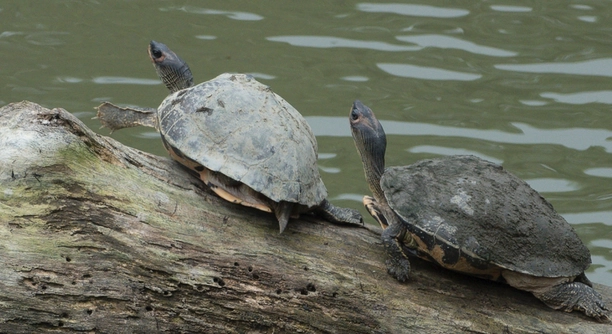
Caring for a newly adopted Indian Roofed Tortoise can be a rewarding yet challenging experience. Stress is common for these reptiles in a new environment, but with proper care, they can settle in and thrive.
To reduce stress in a newly adopted Indian Roofed Tortoise, provide a stable environment, proper temperature, hiding spots, and a well-balanced diet. Gradually introduce them to their new home, avoiding sudden changes or disturbances to ensure they feel secure.
Simple adjustments in their care routine can go a long way in making your tortoise feel comfortable and happy. Keep reading to find out how to reduce stress and help your new companion settle in!
Creating a Stable Environment for Your Tortoise
Setting up a proper environment for your Indian Roofed Tortoise is essential to help reduce stress. Start by choosing the right size enclosure. It should be large enough for your tortoise to move around comfortably, with plenty of space for both daytime activity and resting. Ensure the tank has appropriate lighting, heat sources, and humidity levels to mimic their natural habitat. A consistent temperature is crucial to prevent stress and health problems.
A substrate such as coconut coir or grass hay will provide your tortoise with a comfortable surface to walk on and hide under when they need privacy. Avoid using sharp materials like sand or gravel, which can irritate their skin.
Providing hiding spots in the form of rocks, logs, or a small cave will help your tortoise feel secure. If they feel threatened, these spots allow them to retreat and calm down. Gradually acclimatize your tortoise to its new environment by limiting disturbances in the first few weeks.
Maintain Proper Temperature and Humidity
Temperature and humidity play key roles in reducing stress. Ensure your tortoise’s enclosure stays between 75°F to 85°F during the day and doesn’t drop below 65°F at night.
Use a heat lamp to create a basking area with temperatures of around 90°F. This will help your tortoise regulate its body temperature. A humidity level of 60% to 80% is also important, so mist the enclosure regularly or use a humidifier if needed.
Proper temperature and humidity will keep your tortoise comfortable, reducing the chances of stress-related health issues such as dehydration or respiratory problems. Too hot or cold, and they may become stressed, hiding more than usual. This can also disrupt their eating and overall behavior.
Provide a Balanced Diet
A well-balanced diet is key to your tortoise’s well-being. Feed your Indian Roofed Tortoise a variety of leafy greens, vegetables, and some fruits. Avoid feeding them high-oxalate plants like spinach too often, as it can interfere with calcium absorption. Offer a calcium supplement a few times a week to support their shell health.
Ensure that you’re providing fresh water daily, as dehydration can also contribute to stress. Keep the water bowl clean, as tortoises are sensitive to dirty water. Additionally, feeding them at regular times can help them feel secure in their environment, knowing when to expect their meals. If your tortoise refuses food, it may be stressed, so assess their environment and adjust it accordingly.
Minimize Loud Noises and Distractions
Avoiding loud noises around your tortoise can be an important part of reducing stress. Tortoises are sensitive to sounds, and sudden or frequent noise can make them anxious.
Place their enclosure in a quiet area away from heavy traffic or loud pets. Try to maintain a calm environment with minimal disruptions, especially during feeding or resting times. If you have other pets, ensure that they are not able to disturb the tortoise’s enclosure. Even indirect noise, like loud conversations or TV sounds, can stress them out.
A quiet environment will help your tortoise relax and adjust to their new home without the added pressure of constant disturbances. This small change can make a significant difference in how they settle in and feel more at ease.
Provide Proper Lighting
Your tortoise needs a good balance of light for health and well-being. UVB lighting is essential as it helps them synthesize vitamin D3, which is necessary for calcium absorption. Ensure the light is positioned close to the basking area but not too close, as excessive exposure could cause overheating.
Replace UVB bulbs every six months, even if they still seem to be working, as their effectiveness diminishes over time. Alongside UVB light, provide a basking lamp that emits heat. This will allow your tortoise to regulate its body temperature and help them stay active during the day. If the light schedule is inconsistent, your tortoise may become stressed or disoriented.
To avoid stress, ensure there is a clear day-night cycle. The lights should be on for about 10 to 12 hours a day and turned off during the night to give your tortoise the rest it needs. Consistent light conditions help them feel secure in their environment.
Handle Your Tortoise with Care
Handling your tortoise can be stressful if done improperly. When picking up your tortoise, support its body fully, ensuring it doesn’t feel dropped or unsupported. Gently hold the sides of its shell, avoiding the legs or tail, which are sensitive areas.
Avoid picking up your tortoise frequently, as it can cause unnecessary stress, especially in the first few weeks. Instead, let them explore their environment at their own pace. If you need to handle them, do so in short sessions. This allows your tortoise to get used to your presence without feeling threatened.
If your tortoise pulls its head or limbs into the shell, stop handling it. This is a sign that it feels uncomfortable. By respecting its boundaries, you’ll help build trust and reduce stress over time. The key is to let your tortoise initiate interaction rather than forcing it.
Keep Their Environment Clean
A clean environment is crucial for reducing stress and maintaining your tortoise’s health. Regularly clean their enclosure by removing waste, uneaten food, and soiled bedding. Keeping the habitat fresh prevents bacterial growth, which could lead to health issues.
Make sure the water bowl is cleaned daily and replace the water regularly to prevent contamination. A clean environment reduces the risk of infection and helps your tortoise feel safe and comfortable. By sticking to a cleaning routine, you’ll create a healthier space where your tortoise can thrive.
Avoid Overcrowding the Enclosure
Tortoises need their personal space, so avoid overcrowding the enclosure with unnecessary decorations or too many companions. A cramped space can lead to stress and hinder movement. It’s essential that your tortoise has enough room to roam freely, rest, and find hiding spots when needed.
Too much clutter can overwhelm them, causing them to feel trapped or anxious. Stick to the essentials like a few hiding spots, a basking area, and space for exploration. Keeping the environment simple and spacious will help your tortoise feel more at ease.
Monitor Their Health Regularly
Regularly monitor your tortoise’s health for signs of stress, such as lack of appetite or abnormal behavior. Check for physical signs like skin lesions, respiratory issues, or shell abnormalities. These can indicate health problems that could be linked to stress or improper care.
If you notice any unusual symptoms, it’s important to consult a vet. Addressing health concerns early can prevent more serious issues from developing. Healthy tortoises are generally happier and less stressed, so keeping an eye on their condition is essential for their well-being.
FAQ
What is the best temperature range for my Indian Roofed Tortoise?
The ideal temperature range for your Indian Roofed Tortoise is between 75°F and 85°F during the day. Night temperatures can drop to around 65°F. A basking spot should be kept around 90°F, which helps your tortoise regulate its body temperature. Ensure the temperature doesn’t fluctuate too much, as this can cause stress. Use a thermometer to monitor both air and surface temperatures. Maintaining the right heat levels will help your tortoise feel comfortable and avoid temperature-related health issues.
How often should I feed my tortoise?
Your Indian Roofed Tortoise should be fed daily, offering a variety of fresh leafy greens and vegetables. Some fruits can be offered in moderation, but avoid high-sugar items. You can also add a calcium supplement to their diet a few times a week to support shell health. Make sure to provide fresh water daily. The amount of food depends on the size and age of your tortoise, but they generally prefer smaller, more frequent meals. Observe their eating habits and adjust portions as needed to prevent overfeeding or underfeeding.
Can I keep multiple tortoises together?
It’s generally not recommended to house multiple Indian Roofed Tortoises in the same enclosure, especially if they are not familiar with each other. Tortoises are territorial, and sharing a space may lead to stress or aggression. If you do decide to house more than one, ensure the enclosure is large enough to provide ample space for each tortoise to have its own territory. Keep an eye on their behavior and be prepared to separate them if necessary. Stress from overcrowding can lead to health problems and behavioral issues.
How can I tell if my tortoise is stressed?
Signs of stress in a tortoise include loss of appetite, hiding more than usual, excessive lethargy, and retreating into their shell. Stress can also manifest as aggressive behavior or attempts to escape the enclosure. If your tortoise is exhibiting these signs, assess its environment to see if any factors, like temperature, lighting, or noise, could be causing distress. A stressed tortoise may also show physical signs like skin lesions or shell abnormalities. If the symptoms persist, consider consulting a vet for advice.
Do I need to give my tortoise supplements?
Yes, providing supplements is important for your Indian Roofed Tortoise’s health. Calcium is crucial for shell development, so a calcium supplement is recommended a few times a week. You can also offer a multivitamin supplement to ensure your tortoise gets all the necessary nutrients, especially if you’re feeding a limited variety of food. Be sure to use a tortoise-specific supplement, as the needs of reptiles differ from other pets. Over-supplementation can be harmful, so follow the dosage instructions carefully.
Can I take my tortoise outside?
Yes, you can take your tortoise outside, but it should be in a safe, secure, and controlled environment. Make sure the outdoor area is free of predators, harmful plants, or potential hazards. Outdoor time is great for providing natural sunlight, which can help your tortoise get the UVB light they need for vitamin D3 production. Always supervise your tortoise to ensure they don’t wander off or get into trouble. If outdoor time isn’t possible, make sure to provide adequate UVB lighting in their indoor enclosure.
What type of substrate is best for my tortoise’s enclosure?
The best substrate for an Indian Roofed Tortoise’s enclosure is a soft, absorbent material like coconut coir or grass hay. These substrates allow for natural burrowing and are easy to clean. Avoid using sand, gravel, or other rough materials, as they can irritate the tortoise’s skin or cause digestive issues if ingested. Make sure the substrate is kept dry to prevent mold growth. You can spot clean regularly, but a full change of the substrate should be done every few weeks, depending on your tortoise’s needs.
How do I handle my tortoise safely?
When handling your tortoise, always be gentle and support its body. Hold it by the sides of its shell, making sure to avoid the head, tail, or legs. Tortoises can become stressed if they feel unsupported or threatened, so limit handling to short sessions, especially when they are settling into their new environment. Never lift a tortoise by its legs or tail, as this can cause injury. Let your tortoise explore its environment on its own terms and avoid unnecessary handling that might cause distress.
Why isn’t my tortoise eating?
If your tortoise is not eating, stress could be the primary cause. Changes in the environment, improper temperature, lighting issues, or handling too often can lead to loss of appetite. Another possibility is that your tortoise may not be comfortable with the food offered. Try offering a variety of fresh greens, such as dandelion leaves or clover, and check the food for freshness. If the refusal to eat continues for more than a few days, it’s best to consult a vet to rule out any health issues.
Final Thoughts
Taking care of an Indian Roofed Tortoise involves several key steps to ensure their comfort and well-being. Providing a stable and clean environment, with proper temperature, lighting, and space, is essential for reducing stress. Your tortoise needs a safe place to hide, a balanced diet, and fresh water. Regularly checking their health and keeping their living space clean will help them feel secure. By understanding your tortoise’s needs and making small adjustments in their care routine, you can help them adapt more easily to their new home.
Stress in tortoises can manifest in different ways, such as loss of appetite, hiding more than usual, or becoming overly lethargic. If you notice any of these signs, it’s important to assess their environment. Factors like improper temperature, too much noise, or overcrowded living spaces can make your tortoise feel anxious. Be mindful of these triggers and make sure to give them plenty of time to settle in. Over time, with the right adjustments, your tortoise will feel more comfortable and less stressed.
In the end, keeping an Indian Roofed Tortoise happy and healthy is all about consistency. Regular care, proper feeding, and attention to their needs will help reduce stress and promote a more active and content tortoise. By staying attentive to their behavior and adjusting their habitat as needed, you’ll be able to create a positive environment for your new pet. Remember, a calm and healthy tortoise is more likely to thrive and enjoy its new life with you.

Hello,
If you enjoy the content that we create, please consider saying a "Thank You!" by leaving a tip.
Every little bit helps us continue crafting quality advice that supports the health, happiness, and well-being of pets around the world, for pets of all shapes, sizes, and species.
We really appreciate the kindness and support that you show us!