
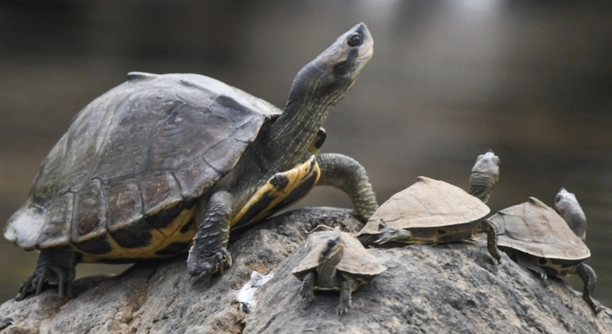
Caring for an Indian Roofed Tortoise requires creating the right environment for its well-being. Knowing the best tank accessories for your tortoise will help ensure its happiness and health. Proper care starts with the right setup.
The best accessories for an Indian Roofed Tortoise tank include items that provide warmth, hydration, and a secure environment for the tortoise to explore. These accessories help maintain proper humidity, temperature, and space for natural behaviors.
There are several options to make your tortoise’s habitat more comfortable. The right accessories can enhance its quality of life and encourage healthy habits.
Heat Source: The Key to a Happy Tortoise
A consistent heat source is essential for your Indian Roofed Tortoise. These tortoises need a warm environment to stay active and healthy. Without the proper heat, they can become sluggish, lose their appetite, or even develop health problems. The heat source you choose should help maintain a temperature range of 85-90°F (29-32°C) during the day, with a cooler area at night for a natural temperature drop.
Choosing the right heat lamp or ceramic heat emitter is crucial. Heat lamps provide light and warmth, while ceramic heat emitters offer warmth without light, allowing your tortoise to sleep in darkness. Both options can be effective, depending on your setup.
Along with the heat source, you should monitor the temperature regularly to make sure it stays within the ideal range. A thermometer placed at different spots in the tank will help you achieve an even heat distribution. Your tortoise will thrive with consistent warmth, and it will be much more active and content in its habitat.
Proper Lighting: Promoting Health and Well-being
Lighting plays a vital role in your tortoise’s health. It helps with the production of vitamin D3, which is essential for calcium absorption and strong bones.
UVB light, specifically, is necessary for this process. Without proper UVB exposure, your tortoise may develop metabolic bone disease, a serious condition that affects its bones and overall health. A good UVB light should be placed at an appropriate distance from the tank to ensure adequate exposure.
In addition to UVB lighting, the light also helps maintain a day-night cycle for your tortoise. A 12-hour light and 12-hour dark period will mimic natural conditions, helping your tortoise maintain its biological rhythm. Keep in mind, UVB bulbs lose their effectiveness after a few months, so they should be replaced regularly. Proper lighting is not just for warmth, but it ensures your tortoise gets everything it needs to thrive.
Humidity Control: Keep Your Tortoise Comfortable
Humidity is another factor you must carefully manage for your tortoise. Too little humidity can lead to dry skin and respiratory issues, while too much can cause mold and mildew.
The right humidity level for an Indian Roofed Tortoise should be around 50-60%. This helps them shed their skin properly and keeps their respiratory system healthy. You can easily control humidity by using a misting system or a humidifier in the tank.
Regularly misting the tank can increase humidity levels, especially in drier environments. It’s important to strike the right balance and maintain consistent levels. Using a hygrometer to measure humidity will ensure you don’t go over or under the recommended range. By keeping the humidity in check, you’ll help your tortoise live a healthier, happier life.
Substrate: Choosing the Right Bedding
Selecting the right substrate is crucial for your tortoise’s comfort. A suitable bedding material helps maintain humidity and provides a natural environment for them to explore.
Coconut coir or cypress mulch are popular options. These substrates are absorbent, easy to clean, and safe for your tortoise. Avoid sandy or clay-based substrates, as they can irritate the tortoise’s skin or cause digestive issues if ingested.
The bedding should be deep enough to allow your tortoise to dig and burrow. Digging is a natural behavior for them, and providing a substrate that encourages this will improve their well-being. Additionally, ensure the substrate is kept dry to prevent mold growth.
Hiding Spots: Create Safe Spaces
Tortoises appreciate having places to hide. Providing them with hiding spots helps them feel secure and reduce stress.
A simple hide can be a ceramic pot or a wooden box. It’s important to make sure the hide is large enough for your tortoise to fit comfortably and dark enough to allow them to retreat when they need privacy. These hiding areas also help your tortoise maintain its natural behavior patterns, which is important for its mental health.
Placing these hides in various spots around the tank will give your tortoise options. It encourages exploration and a sense of control, which can reduce anxiety. Make sure the hides are easy to clean and avoid sharp edges that could harm your tortoise.
Water Dish: Essential for Hydration
Providing fresh water is crucial for your tortoise’s hydration. A shallow water dish is ideal for drinking and soaking.
Make sure the water dish is big enough for your tortoise to walk through comfortably. It’s important to change the water daily to prevent bacteria buildup and keep your tortoise healthy.
Feeding Area: Keep Meals Organized
A designated feeding area helps maintain cleanliness in the tank. It also makes it easier to monitor your tortoise’s eating habits.
You can use a shallow, easy-to-clean dish for their food. This will prevent food from getting mixed with the substrate and becoming contaminated. It also makes cleanup easier.
Tank Size: Provide Enough Space
The size of your tortoise’s tank is essential for its happiness. It should be large enough for them to move freely and explore.
A tank that is too small can cause stress and limit their ability to exhibit natural behaviors. Make sure the tank has adequate space for the heat source, UVB light, hiding spots, and a water dish, while still allowing room for movement.
FAQ
How often should I clean my tortoise’s tank?
It’s important to clean your tortoise’s tank regularly to keep it healthy. Spot cleaning should be done daily, removing waste and uneaten food. Full cleaning, including washing the substrate and accessories, should be done once a month. This helps prevent bacteria buildup and ensures your tortoise has a clean environment to live in. The water dish should also be emptied and cleaned daily to keep it fresh.
What temperature does my Indian Roofed Tortoise need?
Your tortoise’s tank should maintain a temperature range between 85-90°F (29-32°C) during the day. This helps them stay active and healthy. At night, it’s important to allow the temperature to drop slightly, ideally between 70-75°F (21-24°C). A proper basking spot should be provided at one end of the tank, where the temperature can be higher. Always monitor temperatures using thermometers placed in different areas of the tank to ensure consistency.
What should I feed my Indian Roofed Tortoise?
Indian Roofed Tortoises are herbivores and should be fed a variety of leafy greens, flowers, and vegetables. Offer dandelion greens, clover, collard greens, and hibiscus flowers. Avoid feeding them high-oxalate foods like spinach and kale in large amounts, as they can interfere with calcium absorption. Always provide fresh, clean food and remove uneaten portions after a few hours to prevent spoilage. You can also sprinkle some calcium powder on their food a few times a week to support bone health.
How do I provide UVB light for my tortoise?
UVB light is essential for your tortoise to synthesize vitamin D3, which helps them absorb calcium. Use a good-quality UVB light that covers a wide area of the tank. The light should be placed 8-12 inches above the basking area and should be on for 10-12 hours a day. Replace the UVB bulb every 6 months, as it loses its effectiveness over time. If you live in a location with little sunlight, the UVB light will be especially important to your tortoise’s health.
How big should the tank be for my tortoise?
As a general rule, your tortoise’s tank should be at least 4 feet long for an adult Indian Roofed Tortoise. If you have a baby tortoise, a smaller tank may be sufficient, but it’s important to upgrade to a larger size as they grow. More space allows your tortoise to explore, dig, and move freely. A bigger tank also helps with temperature regulation, as it gives enough room for different temperature zones. A larger tank is always a better option to ensure your tortoise’s health and happiness.
Can I keep more than one tortoise in the same tank?
It’s generally not recommended to keep multiple adult tortoises in the same tank. Indian Roofed Tortoises can be territorial, and having more than one may cause stress or fighting. If you decide to keep multiple tortoises, make sure each has enough space and hides to avoid conflicts. Always monitor them closely for any signs of aggression. If you have young tortoises, they may tolerate each other better, but it’s still essential to provide enough space and resources to prevent territorial behavior.
Do I need to provide a heating pad for my tortoise?
Heating pads can be useful, but they are not always necessary. You can achieve the necessary warmth with a heat lamp or ceramic heater. However, if you live in a very cold climate, a heating pad may be a good supplement to help maintain temperature consistency, especially in the cooler areas of the tank. Always make sure the heating pad is not too hot and does not come into direct contact with your tortoise.
Can my tortoise live outside?
Indian Roofed Tortoises can live outside, but only if the climate is suitable. They need a warm, dry environment and should never be exposed to extreme temperatures. If you live in a warmer climate, you can set up a secure outdoor enclosure with plenty of hiding spots, water, and shade. Always ensure the enclosure is escape-proof and protected from predators. If the weather becomes too cold or wet, bring your tortoise indoors to avoid health issues.
How do I handle my tortoise?
Handling should be done carefully and infrequently, as tortoises do not enjoy being picked up. Always support the tortoise from underneath, holding it gently by its sides, rather than grabbing it by its shell. Avoid lifting your tortoise by its legs or tail, as this can cause stress or injury. When you do handle your tortoise, try to keep it low to the ground and allow it to explore its surroundings. Excessive handling can cause your tortoise to become stressed and may lead to health issues.
Why is my tortoise not eating?
If your tortoise isn’t eating, it could be due to several factors. Stress, illness, or improper tank conditions are common reasons. Check if the temperature or humidity in the tank is within the correct range. Make sure the food you’re offering is fresh and appropriate. If your tortoise continues to refuse food, it’s a good idea to visit a veterinarian to rule out any health issues. Keep the environment calm and avoid handling your tortoise too much during this time.
Final Thoughts
Creating a suitable environment for your Indian Roofed Tortoise is essential for its health and happiness. Providing the right accessories and maintaining the proper conditions will help your tortoise thrive. A well-set-up tank with a proper heat source, UVB lighting, and humidity control creates an environment that mimics their natural habitat. These factors encourage your tortoise to be active, healthy, and content. Regular care and attention to detail, such as cleaning the tank and offering fresh food and water, will keep your tortoise in good shape for years to come.
When selecting accessories, it’s important to keep in mind that comfort and safety come first. Items like hiding spots, a shallow water dish, and a proper substrate are essential for making your tortoise feel secure. Having space to move and explore also contributes to their well-being. Tortoises need room to roam and display natural behaviors like digging, so a spacious tank is crucial. While it may seem like a lot of effort to create the perfect setup, it’s all worth it when you see your tortoise healthy and happy.
Remember, each tortoise is unique, and you may need to make adjustments to their habitat over time. What works for one may not work for another, so it’s important to monitor your tortoise’s behavior and health regularly. Keeping track of their temperature, lighting, and overall environment will help you notice any issues early on. With the right care, your Indian Roofed Tortoise will live a long, happy life in a tank that feels like home.

Hello,
If you enjoy the content that we create, please consider saying a "Thank You!" by leaving a tip.
Every little bit helps us continue crafting quality advice that supports the health, happiness, and well-being of pets around the world, for pets of all shapes, sizes, and species.
We really appreciate the kindness and support that you show us!