
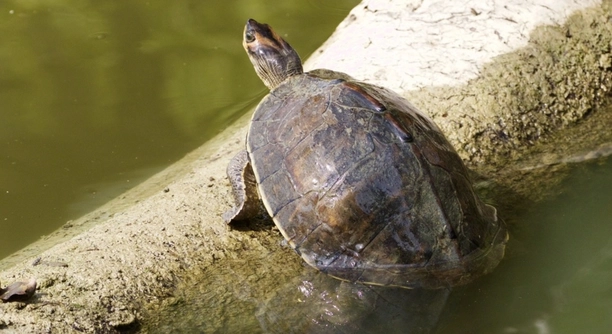
An Indian Roofed Tortoise is a fascinating pet that can live both on land and in water. When something seems off with their movements, like not using their back legs, it may indicate an underlying issue.
The most common reason why an Indian Roofed Tortoise may not use its back legs is due to injury, disease, or neurological problems. Conditions like metabolic bone disease, improper habitat, or infections can impact movement and motor function.
Understanding the cause can help you make the right decisions for your tortoise’s recovery and health.
Possible Causes for Your Tortoise’s Condition
If your Indian Roofed Tortoise is not using its back legs, it’s important to consider several potential causes. One of the most common reasons is metabolic bone disease, which occurs when the tortoise doesn’t get enough calcium. A lack of calcium can lead to weak bones, making it difficult for the tortoise to move properly. Improper lighting and diet can also contribute to this condition. Another possibility is a vitamin deficiency, which may affect muscle function and coordination.
If the tortoise is injured, it may avoid using its back legs due to pain. This could be caused by a fall, a fight with another animal, or even stress. Infections in the legs, such as abscesses, can cause swelling and discomfort, leading to difficulty moving. Neurological issues or trauma to the spine can also lead to leg paralysis or weakness. Keeping an eye on their behavior and appearance can help you pinpoint the issue.
Environmental Factors
Sometimes, the issue might be tied to the environment. If your tortoise’s habitat is too cold or too dry, it can result in a lack of movement and lethargy. The temperature and humidity levels in your tortoise’s enclosure are crucial for its well-being. If they’re outside of the optimal range, it could have an impact on your tortoise’s ability to move and use its legs. Ensure the habitat is set up with proper lighting, warmth, and humidity to avoid any issues.
It’s essential to address any problems with your tortoise’s living space as soon as possible. Over time, an unsuitable environment can worsen their condition and impact their health.
What to Do Next
If your Indian Roofed Tortoise is struggling with mobility, the first step is to consult a veterinarian. They can diagnose the issue and offer treatment options based on the cause. If the problem is due to a deficiency, the vet may recommend dietary changes or supplements. If an injury or infection is identified, proper care and possibly medication will be necessary. In some cases, physical therapy might be suggested to help restore movement. Addressing the issue early can help prevent further complications and ensure your tortoise’s health improves.
Injury or Trauma
Injury or trauma can be another reason your tortoise isn’t using its back legs. A fall or a sudden bump can result in broken bones, bruising, or even nerve damage.
If you notice swelling, tenderness, or any visible injury, it’s a sign that something might have happened. Injuries to the spine can cause a tortoise to lose function in its back legs. It’s important to isolate your tortoise in a safe space and monitor for any signs of distress. Early treatment can help reduce the impact of the injury and improve recovery chances.
If there is an injury, it’s crucial to consult a vet right away. X-rays may be necessary to determine the extent of the damage. Depending on the severity, treatment can include rest, anti-inflammatory medications, or even surgical intervention. The vet may recommend a recovery plan, which could include limited mobility, pain relief, and rehabilitation. With the right care, most tortoises can make a full recovery.
Neurological Issues
Neurological problems can also cause your tortoise to stop using its back legs. These issues can stem from infections, toxins, or physical damage to the brain or spinal cord.
The tortoise may appear disoriented, have trouble balancing, or experience paralysis in one or more limbs. The underlying cause could be something like a bacterial infection, or it could result from physical trauma. Identifying neurological issues early can make a significant difference in the effectiveness of treatment.
Treatment typically focuses on addressing the underlying cause. If an infection is detected, antibiotics or antifungal medication may be prescribed. If trauma is the cause, the vet may recommend treatments to support healing. Neurological issues often require long-term care and monitoring. A specialist in exotic animals might be needed for proper diagnosis and management.
Metabolic Bone Disease
Metabolic bone disease (MBD) is common in tortoises that do not get enough calcium or vitamin D3. It can cause weak bones, making movement difficult.
If your tortoise has MBD, you might notice it becoming lethargic or having trouble using its legs. The bones become soft, which leads to difficulty walking. Treatment usually involves calcium supplements, proper lighting, and a better diet rich in calcium and vitamin D3.
You’ll need to adjust the lighting in your tortoise’s habitat, making sure it gets enough UVB rays. UVB helps tortoises produce vitamin D3, which is essential for calcium absorption. A veterinarian can help guide dietary changes and supplement plans. With proper care, MBD can be managed, but early intervention is key.
Infection
Infections, whether bacterial or fungal, can affect the legs of your tortoise. A leg infection may cause swelling, redness, or even discharge, making it hard for your tortoise to move.
If you suspect an infection, you should contact your vet right away. A prompt diagnosis will help you avoid complications. Infections often require antibiotics or antifungal medications. Your tortoise may also need supportive care to manage symptoms.
In some cases, infections can be linked to poor hygiene or an improperly maintained habitat. Regular cleaning of the enclosure and proper care can prevent future infections.
Stress
Stress can cause your tortoise to act differently, including avoiding movement. Stress can come from a variety of sources, such as loud noises, overcrowding, or an inadequate habitat.
If stress is the cause, improving the environment and routine can help your tortoise regain normal function.
FAQ
Why is my tortoise not using its back legs?
If your tortoise isn’t using its back legs, it could be due to an injury, metabolic bone disease, infection, or neurological issues. Check for visible injuries or swelling and monitor for signs of pain or distress. If it’s a case of metabolic bone disease, calcium or vitamin D3 deficiency could be the cause. Neurological problems or infections may require professional diagnosis and treatment.
Can stress cause my tortoise to stop moving?
Yes, stress can affect your tortoise’s behavior and mobility. Stress factors such as loud noises, changes in habitat, or overcrowding can make them less active. Ensure the habitat is calm, with proper temperature, lighting, and space. Reducing stress can help improve movement and overall well-being.
How can I tell if my tortoise has an infection in its legs?
Signs of an infection in the legs include swelling, redness, or discharge from the area. Your tortoise might also be reluctant to walk or move. If you see these symptoms, take your tortoise to the vet for a proper diagnosis and treatment. Infections typically require antibiotics or antifungal medications.
What is metabolic bone disease and how can I prevent it?
Metabolic bone disease is a condition caused by a calcium or vitamin D3 deficiency, often linked to poor diet or inadequate lighting. To prevent MBD, ensure your tortoise gets enough calcium and vitamin D3 through its diet and proper UVB lighting. A balanced diet with calcium-rich foods is essential.
How do I treat metabolic bone disease in my tortoise?
Treatment for metabolic bone disease includes supplementing calcium and vitamin D3, adjusting the diet, and providing proper UVB lighting. Your vet may recommend specific supplements or medications. It’s important to address MBD early, as untreated cases can lead to permanent damage.
Can a tortoise recover from paralysis in its back legs?
Recovery from paralysis depends on the cause. If the paralysis is due to an injury or neurological issue, with proper medical care, your tortoise might regain movement. Conditions like metabolic bone disease or infections can be managed with appropriate treatments, but recovery time varies.
How can I tell if my tortoise’s legs are injured?
Signs of an injury include swelling, tenderness, difficulty walking, or limping. If your tortoise avoids using its legs or appears to be in pain, it could be due to trauma. It’s important to inspect your tortoise carefully and consult a vet for a proper diagnosis and treatment.
What kind of lighting does my tortoise need to stay healthy?
Tortoises need UVB lighting to help them produce vitamin D3 and absorb calcium effectively. Without UVB light, they can develop metabolic bone disease. Make sure the enclosure has a UVB light source that mimics natural sunlight. It should be on for about 10-12 hours a day.
What should I do if my tortoise isn’t eating or moving?
If your tortoise isn’t eating or moving, it could be a sign of stress, illness, or poor habitat conditions. Check for temperature imbalances, inadequate lighting, or overcrowding. If environmental factors are correct, consult a vet to rule out infections, metabolic bone disease, or other health problems.
Can tortoises suffer from dehydration?
Yes, tortoises can suffer from dehydration, which can lead to lethargy and reduced movement. To prevent dehydration, make sure your tortoise always has access to fresh water. You can also offer water baths to encourage hydration, especially if your tortoise seems sluggish or refuses to drink.
What should I do if I suspect my tortoise has neurological issues?
If you suspect neurological issues, such as difficulty moving or coordination problems, take your tortoise to a vet immediately. Neurological problems can result from infections, trauma, or toxins. A proper diagnosis is essential, as treatment may vary depending on the underlying cause.
How do I provide a proper diet for my tortoise?
A balanced diet for a tortoise includes leafy greens, vegetables, and some fruits. Provide calcium-rich foods like dandelion greens and offer a calcium supplement if necessary. Avoid feeding them too much fruit or high-protein foods, as these can cause health problems. Consult a vet to ensure your tortoise’s diet is suitable.
Is it normal for my tortoise to be less active during winter?
Yes, many tortoises become less active in the winter due to cooler temperatures. This is part of their natural hibernation cycle. However, if your tortoise is overly lethargic or refuses to eat, it could indicate an underlying health issue. Maintain a proper temperature and humidity level to avoid health complications.
Can tortoises recover from infections?
Yes, tortoises can recover from infections if they are treated promptly. Antibiotics or antifungal medications are often prescribed, and your tortoise may need to be isolated for recovery. Make sure to follow the vet’s instructions for medication and care to ensure a full recovery.
How long does it take for a tortoise to recover from metabolic bone disease?
Recovery from metabolic bone disease can take time, depending on the severity. With proper diet changes, supplements, and UVB lighting, some tortoises may start showing improvement within a few weeks. Full recovery may take several months, so be patient and consistent with care. Regular vet check-ups are recommended.
How do I prevent my tortoise from becoming injured?
To prevent injuries, provide a safe, spacious enclosure that’s free from sharp objects or dangerous obstacles. Ensure the habitat is well-maintained, and avoid sudden changes in temperature or lighting. Handle your tortoise gently and carefully, especially when placing it in or out of its enclosure.
Should I be concerned if my tortoise isn’t moving much?
If your tortoise isn’t moving much, it’s worth investigating the cause. Low activity levels can be a sign of stress, an inadequate environment, or health problems. Check its habitat for proper temperature, humidity, and lighting. If everything seems fine but the behavior persists, it’s time to see a vet.
Final Thoughts
Understanding why your Indian roofed tortoise is not using its back legs is crucial for addressing potential health concerns. Whether it’s an injury, metabolic bone disease, or an infection, early intervention can make a significant difference in recovery. Regular observation of your tortoise’s behavior, diet, and living conditions can help you spot issues before they become serious. A healthy tortoise thrives in an environment that meets its physical and dietary needs. Maintaining proper temperature, lighting, and a balanced diet is essential for keeping your tortoise in the best condition possible.
If your tortoise isn’t using its back legs, it’s important to identify the cause of the problem. A vet’s visit is often necessary for a proper diagnosis and treatment plan. Conditions like metabolic bone disease are treatable, but they require consistent care, including the right supplements, UVB lighting, and diet adjustments. It’s essential to avoid making assumptions about the cause of immobility, as it could range from an easily treatable infection to a more complex neurological issue. Knowing when to seek professional help can help prevent further complications and ensure your tortoise gets the care it needs.
In conclusion, paying attention to the signs of illness and injury can help keep your tortoise healthy and active. Addressing problems like limited leg use early can lead to better outcomes and fewer long-term issues. Proper care is the foundation of a happy and healthy tortoise. If you’re unsure about any aspect of your tortoise’s health or behavior, consulting a veterinarian is always a good step. Regular check-ups and maintenance of the right living conditions are key to providing your tortoise with a comfortable and thriving life.

Hello,
If you enjoy the content that we create, please consider saying a "Thank You!" by leaving a tip.
Every little bit helps us continue crafting quality advice that supports the health, happiness, and well-being of pets around the world, for pets of all shapes, sizes, and species.
We really appreciate the kindness and support that you show us!