
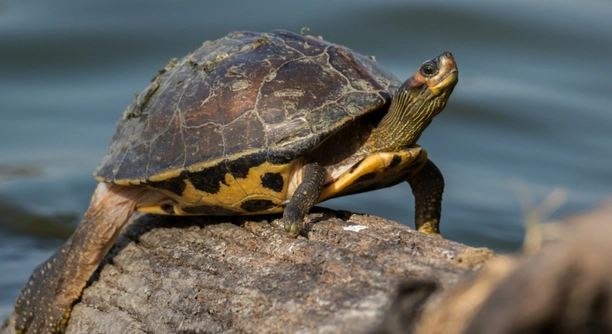
Indian Roofed Tortoises can experience a variety of skin issues, which may cause discomfort if not properly treated. Knowing the signs and symptoms of these conditions can help ensure their health and well-being.
Skin issues in Indian Roofed Tortoises can arise due to factors like improper humidity, diet, or injury. Common problems include shell rot, fungal infections, and dry skin, which can cause discomfort and lead to further health complications if untreated.
Understanding how to identify and treat these conditions will help you care for your tortoise effectively, promoting its long-term health.
Shell Rot in Indian Roofed Tortoises
Shell rot is one of the most common skin problems in Indian Roofed Tortoises. This condition occurs when the shell’s outer layers are damaged, often due to bacteria or fungi entering through cracks or wounds. The rotting process can spread quickly, and if left untreated, it can lead to severe health complications.
A tortoise with shell rot may display signs like soft, discolored patches on the shell, often with an unpleasant smell. This condition is usually caused by excess moisture, poor living conditions, or improper diet.
To treat shell rot, it’s important to clean the affected area with antiseptic solutions and provide a dry, clean environment. If the infection is severe, a veterinarian may need to perform debridement to remove damaged shell tissue. Regular checks for signs of rot can help catch the problem early, preventing further damage.
Fungal Infections
Fungal infections can cause skin irritation and visible lesions on your tortoise. These infections are usually seen in areas where moisture is trapped, such as under the shell or around the legs.
To prevent fungal infections, maintaining proper humidity and hygiene is essential. Drying off the tortoise after any water exposure and ensuring that its habitat is well-ventilated can reduce the risk of infection.
Dry Skin in Indian Roofed Tortoises
Dry skin can be a common issue in Indian Roofed Tortoises, especially when humidity levels are not properly regulated. This condition can cause the tortoise to scratch its skin more than usual, leading to irritation.
Dry skin usually results from low humidity or inadequate water sources. When the air is too dry, the tortoise’s skin becomes rough and flaky. It’s important to maintain a humidity level between 60-80% in the tortoise’s environment. Offering shallow water dishes for soaking and misting its habitat daily can help keep the skin hydrated and healthy.
If dry skin persists, consider supplementing the tortoise’s diet with foods that are high in water content, such as leafy greens. Regular baths can also help keep the skin moisturized and prevent discomfort.
Respiratory Infections
Respiratory infections can occur when a tortoise is exposed to cold temperatures or drafts. These infections are serious and can lead to long-term health problems if not addressed.
Tortoises with respiratory infections often show signs such as wheezing, nasal discharge, or labored breathing. To treat respiratory infections, warm up the environment to the appropriate temperature and make sure the tortoise has access to fresh, clean air. If symptoms persist, it’s important to seek veterinary care to prevent further complications.
Scarring or Injury to the Skin
Skin injuries can occur when tortoises scratch, bump into objects, or are accidentally handled improperly. These injuries can lead to scarring or infection if not treated quickly.
To care for an injured tortoise, disinfect the wound with a mild antiseptic solution. If the injury is deep, consult a veterinarian to ensure proper healing. Keeping the tortoise in a clean, dry environment will help prevent infection.
Mites and Parasites
Mites and other parasites are a common issue for tortoises, causing irritation and discomfort. These tiny pests can infest the skin, leading to swelling, redness, or shedding.
A veterinarian can recommend treatments such as medicated baths or sprays to eliminate the parasites. Keeping the enclosure clean and removing any debris can help reduce the risk of future infestations.
FAQ
What are the common causes of skin issues in Indian Roofed Tortoises?
Skin issues in Indian Roofed Tortoises often stem from improper environmental conditions, such as low humidity, poor diet, and inadequate temperature. Shell rot, fungal infections, and dry skin are common problems. Injuries, scarring, or mites can also cause discomfort and further complications.
How can I treat shell rot in my tortoise?
Shell rot is treated by cleaning the affected area with an antiseptic solution and removing any decaying tissue. It’s important to keep the tortoise in a dry, clean environment to prevent further infection. Severe cases may require a veterinarian’s intervention to debride the shell. Regular monitoring will ensure early detection.
What can cause dry skin in tortoises?
Dry skin in tortoises is mainly caused by low humidity. When humidity levels drop below 60%, it leads to dry, flaky skin. Insufficient water sources or poor diet can also contribute to dehydration, resulting in dry skin. Make sure the environment is humid enough and that the tortoise has access to water.
How can I help my tortoise with fungal infections?
Fungal infections usually result from excessive moisture in the environment. To treat this, reduce humidity around the affected area and apply antifungal treatments. Soaking your tortoise in warm water with antifungal soap may help as well. Always ensure the tortoise’s habitat is clean and dry.
What temperature should I keep my tortoise’s enclosure at?
The ideal temperature for an Indian Roofed Tortoise is between 75°F and 85°F during the day, with a basking area that reaches 90°F. At night, the temperature can drop to around 70°F. Proper heating is crucial for maintaining a healthy immune system and preventing respiratory infections.
How can I prevent respiratory infections in my tortoise?
Respiratory infections often occur when a tortoise is exposed to cold temperatures or drafts. To prevent this, ensure the enclosure is kept at the correct temperature range and avoid placing the tortoise in areas with cold drafts. If symptoms like wheezing or nasal discharge appear, warm up the environment and consult a veterinarian.
Are there any signs that my tortoise is stressed?
Signs of stress in tortoises can include loss of appetite, hiding, or aggressive behavior. Stress may be caused by improper environmental conditions, such as temperature or humidity fluctuations, or by loud noises or frequent handling. Creating a calm, stable habitat can help reduce stress and improve their overall health.
What is the best way to bathe my tortoise?
Bathing your tortoise in lukewarm water for about 10-15 minutes once a week helps maintain skin hydration and promotes healthy shedding. You can also gently scrub the shell with a soft brush to remove any debris. Never use soap or harsh chemicals in the bathwater.
How often should I clean my tortoise’s habitat?
It’s important to clean your tortoise’s enclosure weekly. This includes replacing bedding, disinfecting surfaces, and removing any uneaten food. Regular cleaning helps reduce the risk of skin infections, respiratory issues, and parasites. Spot cleaning should be done daily to remove waste and maintain a hygienic environment.
Can I use over-the-counter creams for my tortoise’s skin?
It’s best to avoid using over-the-counter creams or medications meant for humans on your tortoise. These can contain harmful ingredients. Consult a veterinarian for any skin issues to ensure the right treatments are used. They can recommend safe, tortoise-friendly treatments based on the specific condition.
How do I know if my tortoise is dehydrated?
Signs of dehydration in tortoises include dry, flaky skin, sunken eyes, and lethargy. You may also notice that your tortoise isn’t eating or drinking as much. To prevent dehydration, make sure the tortoise has access to fresh water daily, and maintain proper humidity in its environment.
Final Thoughts
Taking care of an Indian Roofed Tortoise requires attention to its habitat, diet, and health. Skin issues can often be prevented with proper humidity, temperature control, and a balanced diet. By monitoring these factors closely, many common problems can be avoided, ensuring your tortoise leads a healthy and comfortable life.
Regular cleaning of their enclosure and providing the right environmental conditions are key. If you notice any signs of skin issues like dry patches, scarring, or unusual behavior, addressing them early is essential. Offering a clean, well-maintained habitat with the right humidity levels can significantly reduce the risk of skin and health issues in the long run. Always remember that your tortoise depends on you to create a safe and comfortable space for it to thrive.
If skin issues persist or worsen despite your efforts, seeking professional advice from a veterinarian is a good step. While home remedies and proper care can help, a vet will offer the best guidance for severe conditions or infections. Your tortoise’s well-being is important, and taking the right steps to support it will result in a happier, healthier pet. Regular checks and early intervention can go a long way in preventing lasting problems.

Hello,
If you enjoy the content that we create, please consider saying a "Thank You!" by leaving a tip.
Every little bit helps us continue crafting quality advice that supports the health, happiness, and well-being of pets around the world, for pets of all shapes, sizes, and species.
We really appreciate the kindness and support that you show us!