
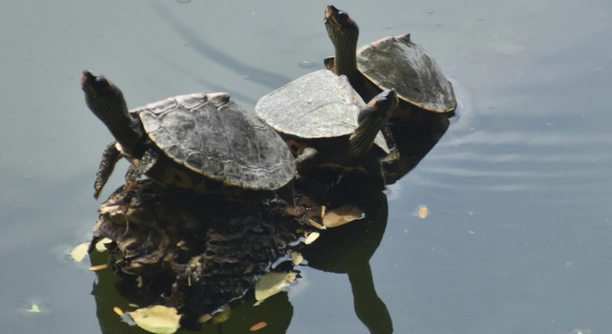
Keeping an Indian Roofed Tortoise entertained is important for its health and happiness. These reptiles need stimulation to stay active and engaged. Without enough enrichment, they can become bored, which could affect their well-being.
There are several ways to keep your Indian Roofed Tortoise entertained, such as providing variety in their environment, offering puzzle feeders, creating outdoor exploration areas, and incorporating different textures and smells to encourage natural behaviors. These activities promote mental and physical health.
Keeping your tortoise busy doesn’t have to be complicated. Simple changes and thoughtful activities can make a significant difference in their lives.
Creating a Stimulating Environment for Your Tortoise
To keep your Indian Roofed Tortoise entertained, start by creating an environment that encourages exploration and natural behaviors. Adding hiding spots, rocks, and tunnels gives them opportunities to hide and climb. Tortoises love to move around, so a variety of textures and obstacles can mimic the wild, making the enclosure feel more engaging. You can also add live plants for extra stimulation and nourishment, while ensuring they’re safe for your tortoise to eat.
A simple layout with plenty of space for movement is key. Avoid overcrowding the space, but do ensure there’s a mix of indoor and outdoor areas, especially if you can provide a safe outdoor enclosure. Consider adding shallow water dishes for hydration and for soaking, as this is something they naturally enjoy.
Mixing up the environment regularly with new items or changes will help keep your tortoise from becoming bored. If the space stays static for too long, your tortoise might not have the motivation to stay active.
Interactive Feeding
Interactive feeding is one of the best ways to engage your tortoise. Try using puzzle feeders that encourage your tortoise to search for food. This stimulates their mind and provides a challenge. It’s also an excellent way to introduce variety in their diet.
By changing how food is presented—whether hidden or placed in a new spot—you can give your tortoise a mental workout. This not only keeps them entertained but also encourages them to keep moving, benefiting their overall health.
Outdoor Exploration Areas
Outdoor exploration areas are an excellent way to give your Indian Roofed Tortoise a more stimulating environment. A secure outdoor pen allows your tortoise to experience fresh air and natural sunlight, essential for their well-being. It also gives them space to explore and forage.
For optimal engagement, set up a varied terrain with rocks, plants, and shallow water features. Tortoises enjoy digging and foraging for food, so including natural elements like dirt and grass will keep them engaged. Ensure the area is escape-proof and free of predators, as safety is the top priority. Regularly rotate the items in the pen to prevent monotony.
Keep an eye on the temperature and provide shaded areas for your tortoise to cool off if needed. Offering a safe outdoor space allows them to behave more naturally, leading to a healthier and more active tortoise. The variety of sights, sounds, and textures can stimulate both their senses and curiosity.
Enrichment Toys and Objects
Toys and objects can be more than just playthings for your tortoise—they can encourage mental stimulation. Wooden blocks, small logs, and other chewable items can keep their teeth healthy and provide an interesting challenge. Some tortoises may even enjoy playing with simple items like cardboard tubes.
In addition to chewing, tortoises often enjoy climbing on objects or pushing things around their enclosure. Consider adding small, lightweight objects that can be moved around, such as plastic balls or a small pile of leaves. This allows your tortoise to engage in a form of play without becoming overstimulated. Be sure to use safe, non-toxic materials.
Regularly introduce new objects or rotate existing ones to maintain novelty. This helps keep your tortoise curious and engaged, reducing the risk of boredom. Adding a variety of textures will also encourage exploration and activity, which is vital for their physical and mental health.
Varied Diet for Mental Stimulation
Feeding your tortoise a varied diet can help keep them engaged and active. Introduce different vegetables, fruits, and even edible flowers to encourage exploration and foraging. Tortoises are naturally curious, and offering a variety of foods can stimulate their senses.
Use food as part of interactive activities, such as hiding it under rocks or in different spots. This encourages them to search and explore, keeping their minds sharp. A balanced diet ensures they’re getting the proper nutrients while enjoying the process of foraging and problem-solving.
Socialization and Interaction
Indian Roofed Tortoises can benefit from safe socialization with other tortoises. When done correctly, this can provide both mental and physical stimulation. However, be cautious of any territorial behavior, and always monitor interactions to ensure that they’re positive.
For tortoises who are kept alone, regular human interaction can help with stimulation. Handling them gently and allowing them to explore outside their enclosure in a controlled setting can provide a change of scenery and mental challenge. Just be sure to avoid overstimulation, as too much handling can cause stress.
FAQ
How can I keep my Indian Roofed Tortoise entertained indoors?
To entertain your Indian Roofed Tortoise indoors, create a varied and stimulating environment. Add hiding spots, rocks, and tunnels that encourage exploration. You can also use puzzle feeders to challenge their problem-solving skills. Regularly change their surroundings to keep them curious and engaged. Offering different textures and smells will keep them from getting bored.
Can I use toys to entertain my tortoise?
Yes, toys can be a great way to entertain your tortoise. Wooden blocks, chew toys, and lightweight items they can move around will keep them mentally and physically active. Rotating toys ensures novelty and maintains interest. Just make sure any toys you use are safe and non-toxic.
How important is outdoor time for my tortoise?
Outdoor time is highly beneficial for your tortoise. A secure outdoor enclosure provides fresh air, natural sunlight, and more space to explore. It helps mimic their natural habitat, encouraging behaviors like foraging, climbing, and digging. Ensure the outdoor area is escape-proof and safe from predators.
What kind of food can I give my tortoise to keep them entertained?
Offering a variety of fresh, safe foods is an excellent way to keep your tortoise entertained. Try giving them different vegetables, fruits, and even edible flowers. Hiding food around their enclosure or using puzzle feeders encourages them to forage and explore, keeping them mentally stimulated.
How do I know if my tortoise is bored?
Signs of boredom in tortoises may include reduced activity, lethargy, or a lack of interest in their environment. If they seem uninterested in exploring or don’t respond to food or new objects, it’s time to change things up. Providing more enrichment activities can help alleviate this.
How often should I change my tortoise’s environment?
Changing your tortoise’s environment every few weeks is a good idea. This keeps their surroundings fresh and encourages them to explore new areas. Even small changes, like rearranging objects or adding new textures, can make a difference in keeping them mentally engaged.
Can I keep more than one tortoise together?
Yes, but be cautious. Indian Roofed Tortoises can tolerate others in the same space if they are introduced properly and there is enough room. Always monitor interactions to prevent aggression or territorial behavior. It’s important to ensure that each tortoise has its own space to avoid stress.
Do Indian Roofed Tortoises need a companion?
Indian Roofed Tortoises do not require a companion to thrive, as they are generally solitary creatures. However, they can benefit from limited social interaction with other tortoises. If you choose to house them with others, ensure there is plenty of space and monitor their behavior closely.
How can I tell if my tortoise is stressed?
Stress in tortoises can show up as changes in behavior, such as hiding, excessive scratching at the enclosure, or a refusal to eat. Stress can also lead to health problems, so it’s essential to identify and address the causes. Factors like temperature, enclosure size, and social interaction can all affect their stress levels.
Are there any specific plants I should avoid in my tortoise’s enclosure?
Yes, some plants can be toxic to tortoises. Avoid plants like oleander, daffodils, and foxglove, as they can cause serious health problems if ingested. Make sure to research any plants you plan to introduce to your tortoise’s environment. Stick to safe, tortoise-friendly plants like dandelion and clover.
How can I prevent my tortoise from becoming overweight?
To prevent obesity, provide a balanced diet and avoid overfeeding high-calorie foods like fruits. Ensure your tortoise has ample space for exercise and is regularly engaging in activities like climbing, digging, and foraging. Monitoring their weight and diet regularly is essential to maintaining a healthy tortoise.
What are some signs that my tortoise is healthy?
A healthy tortoise will have clear eyes, a strong, firm shell, and smooth skin. They should be active, curious, and able to eat regularly without any difficulty. Proper hydration and regular bathroom habits are also signs of good health. Any signs of lethargy or loss of appetite should be addressed immediately.
Can my tortoise live with other animals?
It’s generally not recommended to house tortoises with other types of animals. Tortoises are solitary creatures and can become stressed if housed with more active pets. Additionally, other animals may inadvertently harm the tortoise. If you want to provide socialization, it’s best to introduce them to another tortoise of the same species.
How do I keep my tortoise hydrated?
Hydration is vital for your tortoise’s health. Always provide fresh water in a shallow dish for easy access. Tortoises also absorb water through soaking, so placing them in a shallow pan of water for a short time can help. Make sure the water is not too deep to avoid drowning.
What temperature should my tortoise’s enclosure be?
The ideal temperature for an Indian Roofed Tortoise’s enclosure is between 75-85°F (24-29°C) during the day, with a basking spot that reaches around 95°F (35°C). At night, the temperature should drop to around 70-75°F (21-24°C). A proper temperature gradient ensures they can regulate their body temperature.
Final Thoughts
Keeping your Indian Roofed Tortoise entertained doesn’t have to be complicated. With a little creativity, you can easily provide a variety of activities and environmental changes that keep them engaged. Offering new foods, rearranging their habitat, and providing toys are simple ways to stimulate their curiosity. Regularly changing their surroundings or introducing new items will also help prevent boredom and encourage natural behaviors like foraging, climbing, and digging.
It’s important to remember that each tortoise is different, and what works for one might not work for another. Pay attention to your tortoise’s preferences and adjust accordingly. Some tortoises may enjoy interacting with you or other animals, while others may prefer solitude. The key is to observe your tortoise’s behavior and ensure their environment is both safe and enriching. As long as they have access to the right resources, like a balanced diet, proper hydration, and enough space to move around, they’ll likely remain happy and healthy.
Providing mental and physical stimulation is just one aspect of caring for your tortoise. Regular health check-ups, proper temperature, and humidity levels are also essential to their overall well-being. With the right balance of care and entertainment, your tortoise will thrive, living a long, healthy, and happy life. By making small adjustments and being mindful of their needs, you can create an environment that supports their natural instincts and provides the enrichment they require.

Hello,
If you enjoy the content that we create, please consider saying a "Thank You!" by leaving a tip.
Every little bit helps us continue crafting quality advice that supports the health, happiness, and well-being of pets around the world, for pets of all shapes, sizes, and species.
We really appreciate the kindness and support that you show us!