
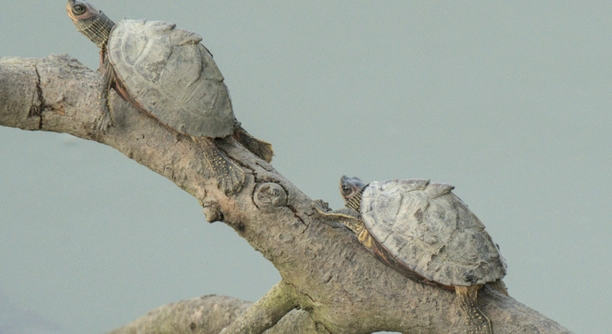
If you’ve noticed that your Indian Roofed Tortoise isn’t eating as much as usual, it can be concerning. Understanding why this happens can help you address the issue and ensure your tortoise’s well-being.
Your tortoise may not be eating due to factors like temperature changes, stress, or improper diet. A lack of appetite could also be caused by health problems, such as parasites or illness, requiring veterinary attention.
With a little attention, you can pinpoint the cause behind your tortoise’s loss of appetite. Keep reading to learn how to address these concerns and improve your tortoise’s feeding habits.
Temperature and Habitat Conditions
If your tortoise isn’t eating, the temperature in its habitat may be one of the first things to check. Indian Roofed Tortoises are cold-blooded, which means they rely on external temperatures to regulate their body heat. When the temperature is too low, your tortoise may become lethargic and lose interest in food. On the other hand, if it gets too hot, they might also avoid eating. The ideal temperature for an Indian Roofed Tortoise is between 75-85°F (24-29°C) during the day, with a slight drop at night.
Make sure your tortoise’s enclosure has a temperature gradient, with one side warmer and the other cooler, so it can choose where to go depending on its needs.
Inconsistent temperatures can also stress your tortoise. If you’re using a heat lamp or basking light, ensure that it’s positioned correctly. Keep the habitat temperature stable to promote healthy eating habits. Adjusting the environment might get your tortoise back on track.
Stress Factors
Stress can cause a tortoise to lose interest in food. Anything that disrupts their comfort, such as loud noises, too much handling, or a change in their surroundings, could lead to eating issues.
If your tortoise has recently been moved to a new environment, it may take time for it to adjust. Try to minimize stress by maintaining a peaceful environment and giving it time to settle in.
When stressed, tortoises may become withdrawn and stop eating. Keeping their habitat consistent, providing hiding spots, and limiting handling can help reduce stress and restore their appetite. Tortoises thrive on routine, so maintaining a calm and predictable atmosphere is key.
Improper Diet
Your tortoise might not be eating due to an unbalanced or improper diet. If the food you offer lacks the right nutrients or is unfamiliar, it could cause a lack of interest. Tortoises, especially Indian Roofed Tortoises, need a variety of greens, vegetables, and some fruits.
Ensure you’re offering foods that are high in fiber and low in protein. Offering foods like dandelion greens, clover, or collard greens will keep them engaged. Avoid feeding them high-calcium foods, like lettuce, which might not provide the nutrition needed for a healthy appetite.
You might also find that your tortoise is simply bored with its food choices. Try offering different types of greens and vegetables. Additionally, remember that variety in their diet is key to keeping them healthy and satisfied. Fresh, properly prepared meals can encourage your tortoise to eat more regularly.
Health Concerns
If your tortoise refuses food for an extended period, it might have a health issue. Parasites, infections, or internal problems can cause a loss of appetite. If this happens, a visit to a vet familiar with reptiles is essential.
Tortoises can experience digestive issues, respiratory infections, or even mouth rot, all of which can affect their ability to eat. Your tortoise might also show signs of lethargy, weight loss, or other concerning symptoms. If you observe any of these, don’t wait to seek professional advice. A vet can diagnose the problem and suggest appropriate treatments, such as medication or changes in care.
The longer a tortoise goes without eating, the more likely it is to experience severe health problems. Timely intervention will help you get your tortoise back on track and ensure its health improves.
Overfeeding
Overfeeding can make your tortoise lose interest in food. If you’re offering too much at once or feeding it too often, your tortoise may simply not be hungry. This can cause a lack of motivation to eat.
Ensure that you’re giving a balanced amount of food daily and avoid excessive portions. Tortoises need to eat in moderation to stay healthy. Adjust the quantity and observe how your tortoise responds to find the right balance.
Dehydration
Dehydration can affect your tortoise’s appetite. Tortoises need access to fresh water, and if they’re not drinking enough, they may lose interest in eating.
Make sure fresh, clean water is always available. Consider soaking your tortoise in shallow water a couple of times a week to ensure proper hydration. Dehydration can cause serious health issues, so this is essential.
Age and Maturity
Age may also play a role in your tortoise’s appetite. Younger tortoises tend to eat more frequently than older ones. As they age, they may eat less and slow down.
If your tortoise is older, its eating habits may change. You may notice it becomes more selective with food or eats less overall. Keep an eye on their weight and general health, adjusting their diet accordingly.
FAQ
Why is my tortoise not eating?
If your tortoise isn’t eating, there are several reasons why this could be happening. The most common causes include environmental factors like temperature, stress, diet, or health issues. First, check the temperature of their habitat. If it’s too cold or too hot, they may not feel comfortable enough to eat. Tortoises are cold-blooded, and if the temperature isn’t within the proper range (75-85°F during the day), they will become lethargic and may refuse food. Additionally, stress from sudden changes in their environment or too much handling can also cause a loss of appetite. Ensure that the habitat is calm and stable. Lastly, if you suspect a health issue, such as a digestive problem or infection, it’s best to take your tortoise to a reptile vet for a check-up.
How can I tell if my tortoise is sick?
Sick tortoises often exhibit signs such as lethargy, weight loss, runny eyes or nose, swelling, or changes in their shell (such as softness or discoloration). If your tortoise has stopped eating for an extended period, this could be a sign of illness, especially if accompanied by any of the symptoms mentioned. You may also notice abnormal breathing sounds or excessive sleeping. A sudden drop in activity or a lack of interest in its environment can also be a sign of a health problem. If you notice any of these signs, it’s best to consult a vet.
How can I make my tortoise eat again?
To encourage your tortoise to eat again, start by ensuring the habitat is at the proper temperature. Make sure it has access to a range of fresh foods. Offering a variety of greens like dandelion leaves, kale, and collard greens may spark their interest. You could also try lightly misting their food with water to make it more appealing. If you think stress is the issue, provide a quiet, calm environment with places for them to hide. Sometimes, a warm soak in shallow water can stimulate their appetite. If your tortoise doesn’t start eating after you’ve tried these methods, it may be time to see a vet.
What should I feed my Indian Roofed Tortoise?
Indian Roofed Tortoises are primarily herbivores, so their diet should consist mainly of dark leafy greens and grasses. Offer a variety of vegetables, including collard greens, dandelion greens, and mustard greens. You can also provide some fruits, such as berries or melons, but they should be given in moderation. Avoid feeding them lettuce, as it lacks nutritional value, and steer clear of high-protein foods, which can lead to health problems. Ensure your tortoise gets enough fiber for good digestion. It’s also important to give your tortoise access to calcium, which you can provide through calcium supplements sprinkled on their food or by offering cuttlebone.
How often should I feed my tortoise?
The frequency of feeding depends on your tortoise’s age and size. Young tortoises usually require daily feeding to support their growth, while adults can be fed every other day or even three times a week, depending on their activity level. Overfeeding can lead to obesity, so it’s crucial to monitor their food intake. Offer enough food that your tortoise can consume in a few hours. Remove any uneaten food to keep the habitat clean and prevent it from rotting.
Can my tortoise eat fruit?
Yes, tortoises can eat fruit, but it should only be given in small amounts. Too much fruit can upset their digestive system and cause health issues, such as diarrhea or obesity. Fruit is high in sugar and can lead to an imbalance in their diet. Consider offering fruit as a treat rather than a regular part of their meals. Safe fruits for your tortoise include berries, melon, papaya, and apples. Always make sure to remove any seeds, as some can be harmful.
What is the best temperature for my tortoise’s habitat?
For an Indian Roofed Tortoise, the ideal temperature range is between 75-85°F (24-29°C) during the day. At night, the temperature can drop slightly but should not go below 65°F (18°C). Make sure there’s a heat gradient in their enclosure, meaning one side should be warmer, around 85°F, and the other side cooler, around 75°F. This allows your tortoise to regulate its body temperature by moving to the area that suits it best. A basking spot with a heat lamp or a ceramic heat emitter can help maintain the proper warmth.
Why is my tortoise sleeping so much?
Tortoises sleep a lot, especially during colder weather when they may enter a period of brumation, which is similar to hibernation. However, if your tortoise is sleeping excessively and refusing to eat, it could be a sign of illness, stress, or incorrect habitat conditions. Ensure that the enclosure is warm enough and that your tortoise is hydrated. If the excessive sleeping persists for more than a few days, it’s important to consult a vet to rule out any health issues.
How do I know if my tortoise is dehydrated?
Dehydration is a common issue in tortoises and can affect their appetite. Signs of dehydration include dry or wrinkled skin, sunken eyes, and a lack of urination. If you suspect dehydration, it’s essential to hydrate your tortoise by soaking it in shallow, lukewarm water for 20-30 minutes. Always make sure fresh water is available in the enclosure, and consider misting their food to help them stay hydrated.
Can stress affect my tortoise’s appetite?
Yes, stress can definitely affect your tortoise’s appetite. Stressful conditions, such as loud noises, excessive handling, or a sudden change in environment, can cause your tortoise to stop eating. Tortoises are sensitive creatures and prefer a calm, predictable environment. Avoid moving their enclosure around too much and provide hiding spots to help them feel secure. If you’ve recently changed their habitat or added new animals to the household, give them time to adjust. Reducing stress can help your tortoise return to a healthy eating routine.
Final Thoughts
If your Indian Roofed Tortoise isn’t eating, it’s important to take a step back and assess the situation. There are several factors that could be contributing to the loss of appetite, including environmental conditions, diet, stress, or even health issues. One of the first things to check is the temperature of their habitat. As cold-blooded animals, tortoises need the right balance of heat to stay active and healthy. If the temperature is too low or too high, your tortoise may refuse to eat. Making sure that their environment is stable, with proper heating and a temperature gradient, can help encourage eating and overall well-being.
Another common cause of poor appetite in tortoises is diet. It’s crucial to offer a variety of leafy greens and vegetables to ensure your tortoise is getting the right nutrients. Avoid feeding them too much fruit or protein, as this can throw off their balance. Also, be sure to remove uneaten food from the enclosure to prevent spoilage. If your tortoise is not eating, try offering different food options to see if they show more interest. Sometimes, boredom with the same food can lead to a loss of appetite. Regularly changing the food and offering fresh options might spark their interest in eating again.
If your tortoise’s lack of appetite continues, it may be time to look into other factors, such as stress or health issues. Stress can be caused by environmental changes, too much handling, or even the presence of other pets. Make sure your tortoise has a quiet, calm environment to help reduce stress. If you’ve ruled out temperature, diet, and stress, and your tortoise is still not eating, it could be a sign of a health issue. In this case, it’s essential to consult with a veterinarian experienced with reptiles. They can help identify any underlying problems and provide the right treatment to get your tortoise back to its healthy, active self.

Hello,
If you enjoy the content that we create, please consider saying a "Thank You!" by leaving a tip.
Every little bit helps us continue crafting quality advice that supports the health, happiness, and well-being of pets around the world, for pets of all shapes, sizes, and species.
We really appreciate the kindness and support that you show us!