
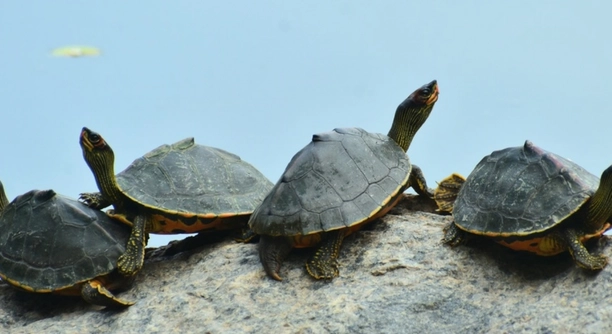
Do you have an Indian roofed tortoise and want to make sure it’s staying healthy and hydrated?
Dehydration in Indian roofed tortoises can be detected through various signs, such as sunken eyes, lethargy, or dry skin. By observing these symptoms closely, you can help ensure your tortoise gets the proper care it needs.
Learn how simple fixes like adjusting water levels, providing a humid environment, and offering water-rich food can make a big difference.
Signs Your Indian Roofed Tortoise May Be Dehydrated
Dehydration in your Indian roofed tortoise can show up in different ways. If your tortoise seems sluggish or isn’t moving around as much as usual, it could be a sign. Another clue is if its skin appears dry or if its eyes look sunken. A well-hydrated tortoise has clear, bright eyes and soft skin that wrinkles when gently pinched. Lack of drinking water or a dry environment can lead to dehydration, so it’s important to check both your tortoise’s behavior and the conditions around it. Sometimes, dehydration can be gradual, so pay close attention to small changes.
It’s also common for tortoises to avoid drinking if their water dish is dirty or too deep for them to reach. Make sure the water is fresh and shallow enough to encourage drinking.
A dry habitat is another major factor. If your tortoise is kept in an environment with low humidity or lacks proper access to water, it might not be getting the moisture it needs. The right humidity levels should range from 50-70%. By making small adjustments to their environment, you can help ensure your tortoise stays hydrated.
How to Hydrate Your Tortoise
When your tortoise is dehydrated, you’ll need to act quickly.
To help your tortoise recover, you can provide it with a shallow water dish, mist its enclosure regularly, and feed it water-rich foods like leafy greens and fruits.
Soaking your tortoise in lukewarm water for about 20-30 minutes can also help hydrate it. This will allow your tortoise to absorb moisture through its skin. Ensure the water level is not too high to prevent drowning. Repeat this soak once a week, or more often if your tortoise shows signs of dehydration. Additionally, adding a humidifier to its enclosure can help maintain the right moisture levels in the air. Remember, dehydration can lead to serious health problems if left untreated, so keeping an eye on these signs is essential.
Adjusting the Humidity Levels in Your Tortoise’s Enclosure
Maintaining proper humidity is crucial to preventing dehydration. If your tortoise’s environment is too dry, it may not be able to absorb moisture efficiently. You can use a hygrometer to measure humidity levels and adjust accordingly. Aim for a range of 50-70% to keep your tortoise comfortable.
To increase humidity, try misting the enclosure lightly every day or adding a water dish that can help. Another helpful option is using a humidifier, especially during dry seasons. Make sure there are no wet spots that could cause mold or fungal growth, as this could lead to health issues. Be cautious about humidity changes—gradual adjustments are best.
A substrate such as coconut coir or organic soil can also help maintain humidity. These materials hold moisture and prevent it from evaporating too quickly. Ensure the substrate is clean and changed regularly to avoid bacterial growth. Keeping the humidity stable not only helps with hydration but also supports your tortoise’s overall well-being, aiding in shedding and digestion.
Feeding Water-Rich Foods to Your Tortoise
Offering foods with high water content helps keep your tortoise hydrated. Certain fruits and vegetables, such as watermelon, cucumber, and lettuce, are perfect for providing additional moisture. These foods not only keep hydration levels up but also give your tortoise essential vitamins and minerals.
Make sure to include a variety of leafy greens, as they offer moisture and other nutrients. Dandelion greens, kale, and collard greens are excellent choices. Avoid feeding them iceberg lettuce, as it has very little nutritional value. Also, ensure you’re not overfeeding watery vegetables to the point where your tortoise becomes overly full, as this could affect its digestion. Adding fruits in moderation is a good way to balance its diet while maintaining hydration.
Incorporating a water-rich diet ensures your tortoise gets a boost of hydration while staying healthy. However, remember that this isn’t a substitute for fresh water. Even if your tortoise enjoys these foods, always offer fresh water in a shallow dish for easy access. The combination of proper food and hydration will benefit your tortoise in the long run.
Soaking Your Tortoise to Promote Hydration
Soaking your tortoise in lukewarm water for 20-30 minutes helps it absorb moisture through the skin. Make sure the water level is shallow enough to avoid drowning. This method is especially useful for dehydrated tortoises or those not drinking enough on their own.
Doing this once a week can help maintain hydration levels, particularly in dry environments. Ensure the water temperature is comfortable, not too hot or cold, as this could stress your tortoise. Be sure to monitor the soak closely and never leave your tortoise unattended in the water.
Providing Fresh Water Regularly
Make sure your tortoise always has access to fresh, clean water.
A shallow water dish, placed in an easily reachable area, encourages drinking.
Changing the water daily is important to prevent bacteria buildup. Even if your tortoise doesn’t seem to drink much, always ensure clean water is available. By keeping the water dish in a familiar spot, your tortoise will get used to it and drink when necessary.
FAQ
What are the signs that my Indian Roofed Tortoise is dehydrated?
Common signs of dehydration in your tortoise include sunken eyes, dry or wrinkled skin, and lethargy. If your tortoise is moving less than usual or seems weak, dehydration may be the cause. You may also notice a decrease in appetite or irregular shedding patterns. If you spot these signs, it’s important to take action quickly to prevent further health complications. The sooner you address dehydration, the better the outcome for your tortoise’s recovery.
Can I hydrate my tortoise through its food?
Yes, feeding your tortoise water-rich foods is a great way to help with hydration. Vegetables like cucumber, watermelon, and leafy greens such as kale and collard greens can provide moisture. Although these foods help supplement hydration, they should not replace fresh water. A balanced diet of both water-rich foods and fresh water is the most effective way to keep your tortoise hydrated. It’s also important to vary the food to ensure your tortoise gets all the nutrients it needs.
How often should I soak my tortoise for hydration?
Soaking your tortoise in lukewarm water once a week is a good routine to help maintain hydration, especially in dry climates or during the winter months when humidity levels are lower. If your tortoise shows signs of dehydration, you may need to soak it more frequently, such as every other day. Soaking allows the tortoise to absorb moisture through its skin, which can be a vital method of hydration when drinking from a water dish isn’t enough.
Can dehydration cause long-term damage to my tortoise?
Yes, chronic dehydration can lead to serious health problems for your tortoise. It can affect digestion, shedding, and overall organ function. Dehydration can also cause kidney issues and other complications that may require veterinary care. It’s essential to address dehydration as soon as you notice symptoms to avoid these long-term effects. Consistent hydration is necessary for maintaining your tortoise’s overall health.
What’s the best way to keep my tortoise hydrated during winter?
During the winter months, it’s common for humidity levels to drop, leading to dehydration. To keep your tortoise hydrated, consider using a humidifier in its enclosure to maintain proper moisture levels. Regularly misting the habitat, providing a shallow water dish, and soaking the tortoise can help. Keep the enclosure at an appropriate temperature and avoid drafts that can further dry out the environment. Adding water-rich foods to its diet, such as cucumber or squash, can also supplement hydration.
How can I prevent dehydration in my tortoise’s enclosure?
Creating a suitable environment for your tortoise is key to preventing dehydration. Make sure the enclosure has proper humidity, ranging between 50-70%. You can achieve this by using a hygrometer to monitor the levels. Adding a water dish, regularly misting the enclosure, and ensuring the substrate retains moisture will help. If necessary, invest in a humidifier or use moisture-retaining substrates like coconut coir. These changes can make a big difference in keeping your tortoise healthy and hydrated.
Can I use bottled water for my tortoise?
Bottled water is usually not the best option for your tortoise, as it can contain added minerals or chemicals that may not be ideal for their health. It’s better to use filtered or dechlorinated tap water. If you’re unsure about your local water supply, you can let the water sit for 24 hours to allow any chlorine to dissipate before using it. Ensure that the water dish remains clean to prevent bacteria growth, as poor water quality can contribute to dehydration and health problems.
What temperature should the water be when soaking my tortoise?
The water should be lukewarm, around 80-85°F (26-29°C). Water that is too hot or cold can stress your tortoise, making the soaking process ineffective or harmful. Always check the temperature before soaking, ensuring it is comfortable for your tortoise. You can test it with your hand to ensure it’s not too warm or cool. The right temperature will help your tortoise absorb moisture more effectively without causing any discomfort.
Is dehydration more common in certain types of tortoises?
Some species of tortoises, particularly those that originate from dry or arid climates, may be more prone to dehydration due to their natural habitat. However, any tortoise can suffer from dehydration if not properly cared for. Indian Roofed Tortoises, which are typically found in areas with higher humidity, can still experience dehydration if their enclosure is too dry or they are not given proper access to water. It’s essential to monitor all tortoises’ hydration levels and create an environment that mimics their natural conditions.
Can my tortoise drink from a bowl or do I need to give it water in a different way?
Most tortoises, including Indian Roofed Tortoises, will drink from a shallow water dish. However, some tortoises may prefer to drink from a small pool or soaking container. The key is to make sure the dish is shallow enough for your tortoise to access comfortably. Change the water daily to ensure it remains clean and fresh. If your tortoise doesn’t seem to drink from the dish, try placing the water near its favorite resting spots or soaking it to encourage drinking.
Final Thoughts
Taking care of an Indian Roofed Tortoise requires attention to detail, especially when it comes to ensuring proper hydration. Dehydration can happen easily if the tortoise’s environment is too dry or if it’s not drinking enough water. Recognizing the early signs of dehydration, such as sunken eyes or dry skin, is important so you can take action quickly. By maintaining the right humidity levels, offering water-rich foods, and soaking your tortoise regularly, you can prevent dehydration and keep your tortoise healthy and comfortable.
It’s also essential to check your tortoise’s water regularly. Make sure it’s clean and fresh, and always available in a shallow dish. Some tortoises may not drink if the water is dirty or too deep, so simple changes like keeping the water dish clean can encourage your tortoise to drink more. Keep in mind that hydration is not just about offering water—it’s about creating an environment that supports your tortoise’s natural needs. A combination of proper humidity, water-rich foods, and soaking can go a long way in preventing dehydration.
Remember, dehydration can lead to serious health problems if not addressed. Regularly monitor your tortoise’s behavior and physical appearance, and adjust its environment as needed. If you notice signs of dehydration, take action right away by soaking it in lukewarm water or adjusting the humidity. It’s always better to be proactive in caring for your tortoise. With the right attention, you can ensure that your Indian Roofed Tortoise stays hydrated and enjoys a long, healthy life.

Hello,
If you enjoy the content that we create, please consider saying a "Thank You!" by leaving a tip.
Every little bit helps us continue crafting quality advice that supports the health, happiness, and well-being of pets around the world, for pets of all shapes, sizes, and species.
We really appreciate the kindness and support that you show us!