
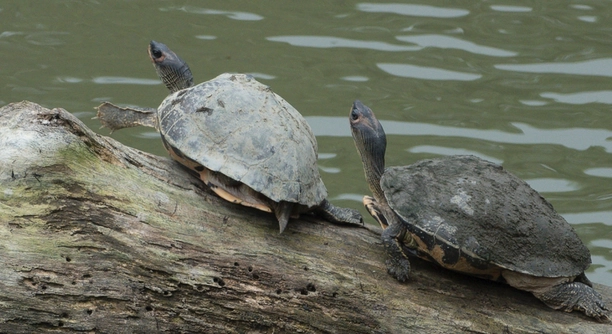
An Indian Roofed Tortoise is a unique and charming pet, but creating the right living environment for it requires careful attention. Making sure your tortoise feels at home can help it thrive and stay healthy.
Improving your Indian Roofed Tortoise’s living space involves providing the right conditions. This includes proper habitat temperature, lighting, substrate, and enrichment. Creating a suitable environment supports their well-being and mimics their natural surroundings.
A few simple changes can make a big difference in the comfort of your tortoise. Keeping its home in mind will help it feel safe and happy.
1. Temperature and Lighting: Key to a Happy Tortoise
Maintaining the right temperature is essential for your Indian Roofed Tortoise’s health. They are cold-blooded animals, meaning they rely on external heat sources to regulate their body temperature. A basking spot should be set at about 95°F (35°C), while the cooler side of the enclosure should stay around 75°F (24°C). Using a heat lamp will help achieve this temperature range. UVB light is also crucial for their overall health, as it helps them produce vitamin D3, which is needed for calcium absorption. Without it, your tortoise could suffer from health issues like shell deformities or metabolic bone disease.
A consistent day and night cycle is also important. Be sure to turn off the lights at night so they can rest, just like in the wild.
By adjusting the temperature and lighting, your tortoise will be more active and less stressed. Their body functions will improve, making them more comfortable and happy in their space.
2. Choosing the Right Substrate for Comfort
Choosing the right substrate is an easy yet essential way to improve your tortoise’s living space.
A good substrate should allow your tortoise to burrow and move around easily. You can use coconut coir, which is absorbent and comfortable, or a mix of sand and soil. Avoid using pine or cedar shavings as they contain oils that could be harmful.
In addition to providing a comfortable surface, a good substrate helps maintain humidity levels in the enclosure. This is important for your tortoise’s health, especially during shedding periods when they may need a bit of extra moisture. Make sure the substrate is changed regularly to avoid bacteria buildup.
Adding a deeper layer of substrate can allow your tortoise to engage in natural behaviors like digging and burrowing. It also adds to the aesthetic of the habitat, making it feel more like the natural environment they would experience in the wild.
3. Providing Hiding Spaces for Security
Indian Roofed Tortoises are naturally shy creatures, so having a hiding spot is vital for their well-being.
You can use simple materials like clay pots, wooden boxes, or large rocks to create a hiding place. This allows your tortoise to retreat and feel safe when they need a break from the activity around them. Make sure the hiding spot is large enough for them to move around but small enough to feel secure. These spaces should be placed in areas of the enclosure where your tortoise can access them easily but can also escape from if needed.
Hiding spots should be placed on the cooler side of the habitat, as they may seek them out to escape from the heat. It’s also a good idea to place multiple hiding spots around the enclosure to give your tortoise more options and reduce stress. If your tortoise feels threatened or overwhelmed, it will appreciate having a retreat to use at its discretion.
4. Proper Humidity for Healthy Shedding
Humidity is crucial for the tortoise’s skin health and shedding process.
Keeping the humidity levels between 50-70% will help your tortoise shed its skin properly. A dry environment can lead to shedding problems, which can be painful and damaging for your tortoise. You can increase humidity by misting the substrate lightly with water, or adding a shallow water dish. Just be careful not to make the area too wet, as standing water can cause health problems.
Also, make sure to keep an eye on the humidity levels regularly. Adding a hygrometer to the enclosure can help you monitor the conditions more accurately. If the humidity is too high, the tortoise may feel uncomfortable, leading to stress. Keeping humidity in balance can improve your tortoise’s skin health and make the shedding process smoother.
5. Proper Diet and Feeding Areas
Creating a designated feeding area is key to maintaining a clean living space for your tortoise.
You can use a shallow dish or tray to serve their food, making it easy to clean up leftovers. Offer a variety of leafy greens, vegetables, and occasional fruits to ensure balanced nutrition. Avoid high-protein foods, as these can cause health issues for your tortoise.
A clean, separate feeding area helps keep the enclosure tidy and prevents the growth of mold or bacteria. Make sure to remove uneaten food promptly to avoid attracting pests.
6. Safe and Secure Fencing
A sturdy enclosure is essential to prevent your tortoise from escaping.
Ensure that the fencing is tall enough to keep your tortoise inside, as they are known to climb or dig. Use materials like wood or sturdy plastic to create the enclosure’s walls. Check for gaps or holes that could lead to an escape.
Ensure the top is covered if you have other pets or animals around that may pose a threat. A secure fence will not only protect your tortoise but also provide peace of mind. Your tortoise needs a safe and enclosed space to explore freely without worry.
7. Temperature Gradients for Comfort
Having a temperature gradient within the enclosure allows your tortoise to regulate its body heat.
The basking area should provide warmth for your tortoise to absorb heat, while a cooler side allows them to retreat if they need to lower their body temperature. This type of environment mirrors their natural habitat, helping them feel more comfortable.
FAQ
How big should my Indian Roofed Tortoise’s enclosure be?
The enclosure should be at least 4×6 feet for an adult tortoise, with extra space if possible. Indian Roofed Tortoises are relatively active and need room to roam, dig, and explore. If you have a juvenile, you can start with a smaller space, but keep in mind that they will grow, and you’ll need to upgrade their habitat as they get bigger. A larger space not only ensures that your tortoise has enough room to move but also provides better control over temperature and humidity. The more room you provide, the happier and healthier your tortoise will be.
Can I keep more than one tortoise in the same enclosure?
It is not recommended to keep multiple male tortoises together, as they can be territorial and aggressive toward each other. However, you can keep females together, as they tend to be more tolerant. If you decide to house two tortoises in the same enclosure, monitor their behavior closely to make sure there are no signs of stress or fighting. If you notice any aggressive behavior, it’s better to separate them to avoid injury. Additionally, keep in mind that overcrowding can lead to competition for food and hiding spots, which can stress out your tortoises.
What type of food should I feed my Indian Roofed Tortoise?
Indian Roofed Tortoises are herbivores and require a diet rich in leafy greens, vegetables, and some fruits. Offer a variety of foods, such as dandelion greens, collard greens, turnip greens, and hibiscus flowers. You can also provide small amounts of fruits like strawberries, papaya, or melons. Avoid feeding them foods high in oxalates (like spinach) and high-protein foods (like meat or eggs). It’s also important to add calcium supplements to their diet to ensure proper shell growth. Make sure to offer fresh food daily and remove any leftovers to keep the enclosure clean.
How often should I clean my tortoise’s enclosure?
Cleaning the enclosure is essential for maintaining a healthy environment. You should clean the enclosure thoroughly every 1-2 weeks, removing all the substrate and disinfecting the surfaces. Spot cleaning should be done daily to remove waste, uneaten food, and water spills. Keeping the enclosure clean helps prevent bacterial growth and keeps your tortoise from getting sick. You should also regularly clean the water dish to ensure your tortoise has access to clean, fresh water. Be sure to check for any mold or mildew growth and clean it immediately to avoid health problems.
Can I take my Indian Roofed Tortoise outside?
Yes, Indian Roofed Tortoises can spend time outdoors in warm weather, but you need to ensure their safety. Make sure the outdoor space is secure, as tortoises can easily escape or be preyed upon by predators. The temperature should be within the safe range, and they should always have access to shade and fresh water. Supervise them while they’re outside to ensure they’re not exposed to extreme heat or cold. If you’re unsure about the weather conditions or if the environment is safe, it’s best to keep them inside their enclosure.
How can I help my tortoise with shedding?
Shedding is a natural process for tortoises, but sometimes it can cause problems if the environment isn’t right. Make sure your tortoise’s humidity is within the recommended range (50-70%) to prevent their skin from drying out. You can also lightly mist their shell during shedding periods to help soften the skin and encourage healthy shedding. If you notice any stuck or retained shed, you can soak your tortoise in lukewarm water for a short period (15-20 minutes) to help loosen the shed. Never forcefully remove the shed, as this can cause injury.
Do Indian Roofed Tortoises need a water dish?
Yes, your tortoise needs access to clean, fresh water at all times. A shallow water dish should be placed in the enclosure, and it should be large enough for your tortoise to drink from and soak in. Indian Roofed Tortoises sometimes soak in water to help with hydration, digestion, or shedding. It’s important to ensure that the water dish is easy for your tortoise to access but not deep enough for them to accidentally drown. Change the water daily to keep it clean and fresh.
Can I use a heat mat under my tortoise’s enclosure?
Heat mats can be used under the enclosure to provide a mild heat source, but they should not be the primary method for heating the habitat. They are best used in conjunction with a heat lamp to create a basking area. Heat mats can help maintain consistent temperature gradients in the enclosure but should never be used as the only source of heat. Be sure to use a heat mat designed for reptiles and place it under a section of the enclosure, allowing your tortoise to move to cooler areas if needed. Always monitor the temperature to prevent overheating.
How do I keep my tortoise’s enclosure from smelling?
To prevent odors, you must maintain a clean enclosure. Spot clean daily to remove waste, uneaten food, and soiled substrate. Make sure to change the substrate completely every 1-2 weeks to avoid bacteria build-up. You can use natural, odor-absorbing materials like coconut coir or shredded paper as substrate, which helps keep the smell in check. Proper ventilation is also crucial; ensure the enclosure is well-ventilated to prevent stagnant air, which can lead to unpleasant smells. Keeping the water dish clean and replacing food regularly will further help in reducing odors.
How do I know if my tortoise is stressed?
Signs of stress in Indian Roofed Tortoises can include a lack of appetite, increased hiding, excessive pacing, or aggression. If your tortoise is constantly trying to escape the enclosure, it may be a sign that something is wrong with their environment, such as incorrect temperature, lighting, or substrate. Stress can also occur if there is overcrowding, too much handling, or the presence of other pets. It’s important to pay attention to your tortoise’s behavior and address any changes quickly to avoid long-term health issues. If you’re concerned, consult a vet experienced in reptile care.
Final Thoughts
Creating the right environment for your Indian Roofed Tortoise is essential for its health and well-being. By providing proper lighting, temperature, and humidity, you can mimic its natural habitat, helping it stay active and happy. These tortoises are naturally curious, so giving them enough space to explore and the right conditions to thrive is crucial. Whether it’s a warm basking area or a quiet spot to hide, these simple features can make a big difference in your tortoise’s life.
It’s also important to remember that their living space needs to be clean and safe. Regular cleaning, maintaining proper hydration, and offering a balanced diet will keep your tortoise comfortable and reduce the risk of illnesses. With the right care, your tortoise can live a long, healthy life. Remember to keep the enclosure well-ventilated and ensure your tortoise has everything it needs to feel secure. These small adjustments can significantly improve its quality of life, making it easier for both of you to enjoy your time together.
Overall, setting up an ideal space for your Indian Roofed Tortoise may require some effort and thought, but the payoff is worth it. By paying attention to their needs—temperature, space, diet, and mental stimulation—you create an environment where they can grow and thrive. Whether you are a new tortoise owner or have had one for years, it’s never too late to improve their living space. With just a little bit of care and dedication, you can ensure your tortoise has the best possible home.

Hello,
If you enjoy the content that we create, please consider saying a "Thank You!" by leaving a tip.
Every little bit helps us continue crafting quality advice that supports the health, happiness, and well-being of pets around the world, for pets of all shapes, sizes, and species.
We really appreciate the kindness and support that you show us!