
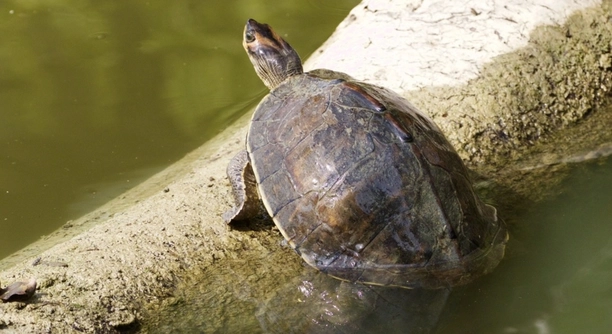
An Indian Roofed Tortoise making squeaking noises can raise concerns for many pet owners. It’s important to understand why this happens and how to address it to ensure your tortoise’s comfort and well-being.
The squeaking noise may be caused by stress, respiratory issues, or even simply the sound of the tortoise’s movements. If the noise is frequent or accompanied by other symptoms, it is crucial to consult a veterinarian for further evaluation.
Addressing these causes will help ensure your tortoise stays healthy and happy in its environment.
Common Causes of Squeaking Noises in Indian Roofed Tortoises
Squeaking noises from an Indian Roofed Tortoise can be caused by several factors. Stress is a primary cause, as any changes in the tortoise’s environment or routine can make it feel anxious. If there is a new enclosure, unfamiliar sounds, or even another pet in the home, this can trigger stress. Similarly, overhandling or frequent disturbances can cause your tortoise to react by making sounds. Another cause could be respiratory problems, which are often linked to incorrect humidity or temperature levels in the habitat. When a tortoise struggles to breathe properly, it may create unusual noises. Lastly, physical injury or discomfort from being in an uncomfortable position or encountering hard surfaces may lead to squeaking.
Sometimes, the squeaks could be a normal behavior, especially if the tortoise is active or trying to communicate. If you notice that the squeaks are infrequent and not associated with any other signs of illness, it may just be part of its behavior. However, monitoring for other signs of distress is essential.
How Stress Affects Your Tortoise
Stress can be a significant factor in why your tortoise makes squeaking noises. A stressed tortoise may make these sounds in response to its discomfort.
Stress manifests in various ways, including changes in behavior, eating habits, and even movement patterns. For example, a tortoise might retreat into its shell or stop moving around the enclosure altogether. If the environment is too noisy or if it doesn’t feel safe, the tortoise may squeak. It’s important to provide a consistent routine, avoid sudden changes in lighting, and ensure the habitat is comfortable. This includes adjusting the temperature and humidity levels, which can help prevent stress and the associated sounds.
The Impact of Respiratory Issues
If your tortoise’s squeaking persists and seems connected to breathing issues, it’s likely experiencing respiratory problems. Respiratory distress can happen when humidity is too high or low, or the habitat is poorly ventilated. These issues can affect the tortoise’s ability to breathe properly, making them make unusual noises. It’s also possible that your tortoise is dealing with an infection or illness, which can cause symptoms such as nasal discharge, wheezing, or labored breathing.
For respiratory issues, it’s crucial to regulate the environment. Keep the habitat clean and ensure that the humidity levels are properly balanced, as both dry and overly moist conditions can trigger respiratory issues. If you suspect a more serious problem, visiting a vet is the best course of action.
Improper Habitat Conditions
The habitat plays a vital role in the health of your tortoise. If the enclosure’s temperature or humidity levels are off, your tortoise might make squeaking noises. An environment that is too cold or too dry can cause discomfort and stress.
Indian Roofed Tortoises thrive in warm, humid conditions. They require a temperature range of 75-85°F (24-29°C) with moderate humidity. If these conditions are not met, the tortoise could become stressed, affecting its behavior and causing it to make noise. To ensure the best environment, monitor the temperature and humidity with reliable equipment and make adjustments as needed.
Humidity is particularly important for your tortoise’s overall well-being. Too much humidity can cause respiratory issues, while too little can lead to dehydration. Both situations can result in uncomfortable conditions for your tortoise, causing stress and discomfort, which may contribute to squeaking. Regularly checking and maintaining proper humidity levels in the habitat will help your tortoise stay healthy and avoid unnecessary noise.
Injury or Discomfort
Squeaking sounds may also come from physical injury or discomfort. If your tortoise is stuck or unable to move freely, it might make noise. Small injuries or strains can cause pain, leading the tortoise to vocalize in an attempt to express distress.
It’s important to check for signs of injury such as limping, swelling, or difficulty moving. Look for any sharp objects or surfaces in the enclosure that might cause harm to the tortoise. If you notice any injury or signs of pain, it’s essential to address it immediately. Create a comfortable environment and provide a safe space for your tortoise to heal.
If the discomfort is caused by improper bedding or surfaces that are too hard, switching to softer, more suitable materials can help prevent injury. Additionally, avoid overcrowding the enclosure, as this can lead to stress or force the tortoise into awkward positions, causing discomfort. By maintaining a safe, injury-free environment, you’ll reduce the chances of squeaking related to physical issues.
Changes in Diet or Feeding Habits
A change in diet or feeding routine can also cause your tortoise to make squeaking noises. If the food is too hard to eat or if there are sudden changes in the type of food offered, it can stress the tortoise.
Sometimes, your tortoise might not be able to chew or digest its food properly, leading to discomfort. If you’re offering new food items, make sure they’re easy to eat and digest. It’s best to introduce new foods gradually so your tortoise’s system can adjust.
Illness or Infection
Illness or infections, particularly respiratory infections, can make your tortoise squeak. These issues often cause breathing difficulties, resulting in unusual sounds. Infected tortoises may also have runny noses, lack of appetite, or unusual behavior.
If your tortoise is showing signs of illness or infection, it’s crucial to seek veterinary care immediately. A professional can diagnose and treat the issue, helping your tortoise recover and preventing further discomfort. Early intervention is key to avoiding more serious health problems that could arise from untreated infections.
Overexposure to Noise
Your tortoise is sensitive to loud or sudden noises, which can cause stress and squeaking. Constant exposure to noise can make it feel threatened, leading to vocalizations.
To minimize stress, ensure that your tortoise’s habitat is in a quiet, calm area. Avoid placing the enclosure near high-traffic or noisy areas, such as the kitchen or living room. Reducing the noise around your tortoise will help it feel more secure and less likely to make squeaking noises.
FAQ
Why is my tortoise squeaking?
Squeaking in tortoises can result from various factors, such as stress, discomfort, respiratory issues, or physical injury. When stressed, tortoises can vocalize, especially when there are changes in their environment, diet, or routine. In some cases, squeaking may be due to respiratory distress caused by improper humidity or temperature in the habitat. It’s important to monitor these factors closely. If the squeaking persists, a visit to a vet is recommended to rule out medical issues like infections or injury.
How can I reduce stress in my tortoise?
To reduce stress, ensure your tortoise has a consistent routine and a comfortable environment. Avoid sudden changes to its enclosure, such as temperature fluctuations, loud noises, or unfamiliar surroundings. Make sure the habitat is clean, with proper humidity and temperature levels. Also, try to limit handling, as frequent interaction can sometimes cause stress. Creating a safe and predictable space for your tortoise is key.
Could improper diet cause my tortoise to squeak?
Yes, an improper diet can lead to squeaking. If your tortoise is having trouble eating or chewing, it might vocalize due to discomfort. Hard or unsuitable food can cause difficulty in digestion or swallowing. To prevent this, ensure the food you provide is appropriate for its species and easy to eat. Gradually introduce new food to avoid gastrointestinal upset.
What are signs that my tortoise might be sick?
Sick tortoises may show various signs, including lack of appetite, lethargy, nasal discharge, wheezing, or unusual behavior. Respiratory infections are common in tortoises and can cause squeaking sounds due to breathing difficulty. Other signs of illness include swollen limbs, changes in shell appearance, or excessive hiding. If you notice any of these symptoms, it’s essential to seek veterinary care.
How can I tell if my tortoise is injured?
Injuries in tortoises may lead to squeaking, especially if they are unable to move properly. If your tortoise is favoring a limb, struggling to move, or has visible wounds, it could be injured. Check the shell for cracks or damage and look for swelling, limping, or restricted movement. If you suspect an injury, take your tortoise to a vet for proper treatment.
Is squeaking a common behavior for tortoises?
Squeaking is not a typical behavior for tortoises, but it can occur under certain conditions. It is often a sign that the tortoise is experiencing stress, discomfort, or health issues. If squeaking is frequent or accompanied by other unusual signs, it’s a good idea to assess the environment, diet, and overall health of the tortoise to determine the cause.
Can humidity affect my tortoise’s health?
Yes, improper humidity can negatively affect your tortoise’s health. If the humidity is too low, it can cause dehydration or respiratory issues. On the other hand, excessive humidity can lead to fungal or bacterial infections. Maintaining balanced humidity levels in the tortoise’s habitat is crucial for its respiratory health and overall well-being. It’s essential to monitor humidity with a hygrometer and adjust as needed.
How do I know if my tortoise’s habitat is too hot or too cold?
The ideal temperature for most tortoises is between 75-85°F (24-29°C). If the habitat is too hot, your tortoise may become lethargic, breathe heavily, or refuse to eat. If it’s too cold, your tortoise may become inactive or even hibernate, which could lead to health complications. Use a reliable thermometer to monitor the temperature and adjust the heating sources to maintain the proper range.
Is squeaking a sign of respiratory infection?
Squeaking could be a sign of respiratory issues, especially if it’s accompanied by other symptoms like nasal discharge, wheezing, or labored breathing. Respiratory infections are common in tortoises and can be triggered by poor environmental conditions, such as incorrect humidity or temperature. If you suspect a respiratory infection, it’s important to seek immediate veterinary care to prevent further complications.
Can my tortoise make noise if it’s happy?
Tortoises are generally quiet creatures, and vocalizations are not typically a sign of happiness. However, some tortoises may make soft sounds when exploring their environment or during mating behavior. If the noise is infrequent and doesn’t seem to be linked to stress or discomfort, it may simply be a normal part of the tortoise’s behavior.
What can I do if my tortoise is constantly squeaking?
If your tortoise is constantly squeaking, first check its environment to ensure it’s not stressed. Make sure the habitat is quiet, clean, and has the correct temperature and humidity. Observe your tortoise for signs of illness, injury, or discomfort. If the squeaking continues or if there are other symptoms like reduced appetite or lethargy, it’s essential to take your tortoise to a vet for a check-up.
Final Thoughts
If your Indian Roofed Tortoise is making squeaking noises, it’s important to evaluate several factors. Squeaking is not typical for tortoises, and when it happens, it’s usually a sign of stress, discomfort, or even health issues. A change in environment, diet, or habitat could be the cause of these sounds. Tortoises can be sensitive to their surroundings, so ensuring a calm and consistent space is essential for their well-being. Additionally, it’s crucial to provide proper food, humidity, and temperature to support their health.
If the squeaking persists, it could be a symptom of a respiratory infection or injury. Respiratory issues are common in tortoises, especially when they are kept in environments with fluctuating temperatures or improper humidity levels. Signs such as nasal discharge, difficulty breathing, or lethargy can accompany respiratory infections. In such cases, it’s important to consult a veterinarian who can diagnose the problem and recommend proper treatment. A vet will also help identify any other potential issues, such as shell injuries or internal problems that could lead to unusual sounds.
Lastly, keeping a close eye on your tortoise’s overall health is essential for preventing future issues. Regularly check for signs of discomfort, ensure that the habitat is suitable for your tortoise’s needs, and make necessary adjustments. By providing a stable and safe environment, you can minimize the chances of squeaking and other health concerns. Understanding the root cause of these sounds will help you create a better living situation for your tortoise, promoting its long-term health and happiness. If in doubt, a veterinary consultation is always a good step to ensure everything is on track.

Hello,
If you enjoy the content that we create, please consider saying a "Thank You!" by leaving a tip.
Every little bit helps us continue crafting quality advice that supports the health, happiness, and well-being of pets around the world, for pets of all shapes, sizes, and species.
We really appreciate the kindness and support that you show us!