
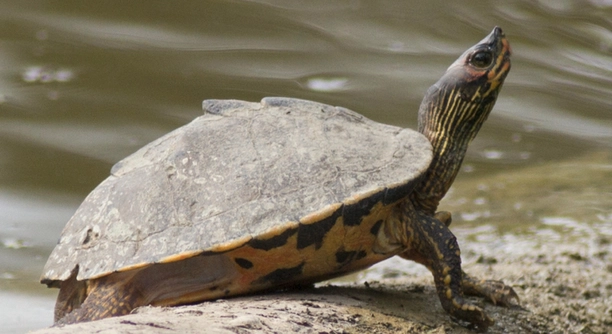
Providing the right substrate for your Indian roofed tortoise is essential for their comfort and health. Choosing the best material for their habitat ensures they thrive in a clean and safe environment.
The best substrates for Indian roofed tortoises include coconut coir, cypress mulch, and shredded aspen. These options offer moisture retention, odor control, and are safe for your tortoise’s health. Avoid substrates like sand and clay, which can cause respiratory issues.
Understanding the right choices will help create a more suitable living space for your tortoise. With these insights, you can make informed decisions about their environment.
Choosing the Right Substrate for Your Indian Roofed Tortoise
When selecting a substrate for your Indian roofed tortoise, it’s important to keep a few factors in mind. The material should be safe, easy to clean, and able to retain moisture. Too dry or wet substrates can lead to health issues. The right choice will also help maintain a comfortable temperature and humidity level in the enclosure. Natural substrates like coconut coir or cypress mulch are ideal for your tortoise’s well-being. These materials also provide a soft, supportive surface for digging, which is something tortoises naturally enjoy.
Choosing a substrate that is both safe and practical will keep your tortoise healthy and happy. It’s essential to balance moisture and ventilation for their comfort. By understanding the benefits of each option, you can create the perfect environment for your pet.
A substrate’s purpose is to mimic natural conditions. When chosen correctly, it can help replicate the conditions your tortoise would experience in the wild, encouraging natural behaviors. A clean and healthy substrate will contribute significantly to their overall health.
What to Avoid in Substrates for Your Indian Roofed Tortoise
Some materials can be harmful to your tortoise’s health and should be avoided. Sand, for example, can cause digestive issues if ingested, while clay can lead to respiratory problems. Both materials lack moisture retention and proper ventilation, creating an uncomfortable environment. Furthermore, substrates with sharp edges or those that can mold should be avoided as they may cause injuries or infections.
When choosing a substrate, ensure it doesn’t pose any risks to your tortoise. Materials like gravel and newspaper are also not ideal, as they offer minimal comfort and may lead to unnecessary stress for your pet. It’s essential to think about your tortoise’s well-being.
Avoiding the wrong substrates will ensure that your tortoise lives in a comfortable and safe environment. By carefully selecting the right material, you contribute to your pet’s overall happiness and health.
Coconut Coir as a Substrate for Indian Roofed Tortoises
Coconut coir is one of the most popular substrates for tortoises. It’s natural, easy to clean, and retains moisture well. This substrate helps maintain the right humidity level, which is crucial for your tortoise’s health. It also prevents bacterial growth due to its moisture-absorbing properties.
Coconut coir is an excellent choice because it’s soft, making it comfortable for your tortoise to walk and dig. It doesn’t clump together, ensuring that it remains loose, which is important for proper air circulation. Additionally, it’s highly absorbent, which helps keep odors at bay.
This substrate is also biodegradable, so it’s a more eco-friendly option compared to other artificial substrates. It can be replaced easily, ensuring that your tortoise has a clean environment. Overall, coconut coir provides a natural and supportive foundation for your tortoise’s habitat.
Cypress Mulch for Indian Roofed Tortoises
Cypress mulch is another excellent substrate choice for Indian roofed tortoises. It’s known for its ability to retain moisture while allowing proper ventilation. This helps keep your tortoise’s environment at the right humidity level. The material is soft and comfortable for them to walk on.
Cypress mulch also has natural antibacterial properties, which can help reduce the risk of fungal or bacterial infections. It’s also easy to maintain since it doesn’t compact easily, ensuring good air circulation at all times. This helps prevent any potential health issues related to poor ventilation.
Additionally, cypress mulch is relatively lightweight, making it easy to clean and change when necessary. It’s a safe and reliable substrate option that mimics natural conditions well. If you’re looking for a low-maintenance substrate that’s effective and comfortable, cypress mulch is a solid choice for your tortoise’s enclosure.
Shredded Aspen for Indian Roofed Tortoises
Shredded aspen is a great option for your tortoise’s habitat. It’s lightweight, absorbs moisture well, and doesn’t compact easily. This makes it comfortable for your tortoise to move around and dig. It also helps maintain the correct humidity levels.
Shredded aspen is easy to clean and doesn’t harbor harmful bacteria. This makes it a low-maintenance choice. It also has a natural scent that keeps odors under control. However, it’s important to replace it regularly to prevent buildup.
Reptile Carpet for Indian Roofed Tortoises
Reptile carpet is a synthetic option that is reusable and easy to clean. Unlike natural substrates, it doesn’t require replacement. However, it doesn’t offer the same humidity retention as organic materials. It’s also important to make sure it’s kept clean to avoid bacteria buildup.
Reptile carpets can be cut to fit any enclosure size, providing a neat and tidy look. While not ideal for burrowing, it’s perfect for tortoises that don’t dig much. This substrate is non-toxic, easy to maintain, and helps control odors effectively. Just make sure it’s washed regularly to prevent any bacterial growth.
Grass Hay for Indian Roofed Tortoises
Grass hay, such as Timothy hay, provides a soft and natural substrate. It’s also edible, so it offers an additional benefit for your tortoise’s diet. Hay promotes natural foraging behaviors, which is good for your tortoise’s physical and mental well-being. However, it requires frequent cleaning to avoid mold buildup.
FAQ
What substrate is best for humidity control in an Indian Roofed Tortoise enclosure?
Coconut coir is the best option for humidity control. It retains moisture well and maintains the humidity levels needed for your tortoise. It’s a natural material that helps balance both moisture and ventilation in the habitat, keeping your tortoise comfortable and healthy. Be sure to monitor the humidity levels regularly and adjust the coir as needed.
Can I use sand as a substrate for my Indian Roofed Tortoise?
Sand is not recommended for Indian roofed tortoises. It can cause digestive issues if ingested, as it may lead to impaction. While sand may mimic the tortoise’s natural environment, it doesn’t retain moisture well and can cause respiratory problems due to the fine particles in the air. It’s better to opt for substrates like coconut coir or cypress mulch.
How often should I replace the substrate in my tortoise’s enclosure?
The frequency of substrate replacement depends on the type of substrate used and the overall cleanliness of the enclosure. For organic substrates like coconut coir or cypress mulch, you should replace them every 4-6 weeks or sooner if they become soiled. Reptile carpet can be washed and reused, but be sure to clean it thoroughly to prevent bacteria buildup.
Is it safe to use newspaper or paper towels as a substrate for my Indian Roofed Tortoise?
While newspaper or paper towels can be used temporarily, they are not ideal for long-term use. These materials do not offer the necessary comfort for burrowing, and they lack the moisture retention needed for your tortoise’s habitat. Using paper towels or newspaper can also create an unnatural environment for your tortoise.
Can I use a combination of substrates in my tortoise’s enclosure?
Yes, you can combine different substrates. Many tortoise keepers use a mix of coconut coir and cypress mulch, as this combination offers moisture retention and good ventilation. Mixing materials can provide a more balanced environment, ensuring both humidity and comfort. Just be sure the substrates are safe and easy to clean.
Should I use a heating pad with the substrate for my Indian Roofed Tortoise?
It’s not necessary to place a heating pad directly under the substrate. However, you can use a heating element to maintain the overall temperature in the enclosure. A ceramic heat emitter or basking light is a better option. Ensure that the substrate is not too hot or too cold, as it may cause stress or health issues.
How do I clean my tortoise’s substrate?
Cleaning depends on the type of substrate you are using. For coconut coir or cypress mulch, simply remove the soiled portions and replace them with fresh material. If you use reptile carpet, remove it from the enclosure and wash it with mild soap and warm water. Be sure to let it dry thoroughly before returning it to the habitat.
Can I use calcium carbonate as a substrate for my tortoise?
Calcium carbonate is not recommended as a sole substrate for your Indian Roofed Tortoise. While it provides a source of calcium, it doesn’t offer the moisture retention or comfort needed for your tortoise’s environment. It can also become too dusty and lead to respiratory problems. Use it in moderation or as an additive in a more suitable substrate like coconut coir.
What is the ideal thickness of substrate for an Indian Roofed Tortoise?
The ideal thickness of the substrate should be about 2-4 inches. This allows your tortoise enough room to dig and burrow. However, avoid making it too thick, as it can be difficult to clean and may result in anaerobic conditions that can harm your tortoise. Make sure the substrate is loose and not packed down.
Can I use bark chips as a substrate?
Bark chips can be used in some cases, but they are not the best choice for Indian Roofed Tortoises. They can be sharp and may cause injury to your tortoise. Additionally, bark chips may not retain moisture effectively and could lead to an overly dry environment. It’s best to use a more suitable substrate like coconut coir or cypress mulch for optimal health.
Final Thoughts
When choosing the best substrate for your Indian Roofed Tortoise, it’s essential to consider both comfort and health. A good substrate helps maintain the right humidity levels, provides a space for natural behaviors like digging, and reduces stress. Substrates like coconut coir, cypress mulch, and shredded aspen are excellent choices due to their moisture retention and ability to keep the enclosure clean. They offer a natural environment that allows your tortoise to behave as it would in the wild, promoting overall well-being.
It’s also important to think about the maintenance of the substrate. Some materials require more frequent cleaning and replacement than others. Organic substrates like coconut coir or cypress mulch need to be changed every few weeks to avoid bacterial buildup, while options like reptile carpet only need regular washing. The balance between ease of cleaning and comfort for your tortoise is key. It’s best to avoid substrates that might be harmful, such as sand or those that can cause impaction if ingested.
Finally, remember that your tortoise’s habitat should be kept clean and dry to prevent any health issues. While substrates play a big role in maintaining a healthy environment, other factors like temperature, humidity, and lighting are equally important. By creating a suitable habitat with the right substrate, you can ensure your Indian Roofed Tortoise has a safe, comfortable space to thrive. Regular monitoring and adjustments will help keep your tortoise happy and healthy for years to come.

Hello,
If you enjoy the content that we create, please consider saying a "Thank You!" by leaving a tip.
Every little bit helps us continue crafting quality advice that supports the health, happiness, and well-being of pets around the world, for pets of all shapes, sizes, and species.
We really appreciate the kindness and support that you show us!