
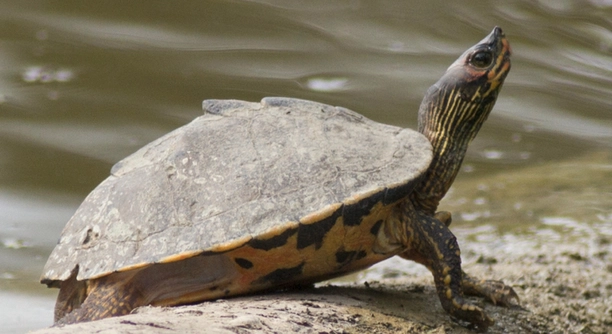
Keeping an Indian Roofed Tortoise calm during vet visits can be a challenge. These tortoises are naturally shy, and the unfamiliar environment can cause them stress. Understanding how to reduce anxiety for your pet is key.
The most effective methods for calming an Indian Roofed Tortoise during vet visits include familiarizing them with the carrier, keeping their environment quiet, and using gentle handling. Consistent, calm interactions before the visit also help reduce stress.
Knowing these tips can help make the vet visit easier for both you and your tortoise. Keeping them calm is crucial for a successful check-up.
Familiarizing Your Tortoise with the Carrier
One of the best ways to reduce stress for your Indian Roofed Tortoise during a vet visit is by familiarizing them with the carrier ahead of time. Many tortoises can become anxious when placed into an unfamiliar container, so it’s important to make the carrier a familiar space. Start by allowing your tortoise to explore the carrier at home before the visit. You can place it in their enclosure or have it nearby so they can get used to it. Adding some of their favorite bedding or food inside will make it feel more inviting. The more comfortable your tortoise is with the carrier, the less likely they are to associate it with stress or anxiety.
Introducing the carrier in a calm, non-threatening way will make the experience smoother for your tortoise. If the carrier is already part of their routine, they’ll be less likely to react negatively when it’s time for a trip to the vet.
Giving them time to adapt before the visit can lead to a much calmer experience for both you and your tortoise.
Keeping the Environment Quiet
Stress levels in tortoises can rise quickly if they are exposed to loud noises. To prevent this, ensure the environment during the vet visit remains as quiet and calm as possible. Tortoises are sensitive to their surroundings, and a loud, busy atmosphere can trigger anxiety.
If possible, request a quiet room for your tortoise’s check-up. This reduces the chances of startling noises from other animals or equipment that could cause distress. Additionally, you can consider placing a soft cloth over their carrier to create a calming environment. This simple act can provide them with a sense of security and help them stay calm during their visit.
By making the surroundings as quiet as possible, you’ll provide a stress-free environment for your tortoise, helping them feel more at ease during their vet appointment.
Gentle Handling
Handling your Indian Roofed Tortoise with care is essential to prevent further stress. Avoid rushing movements or forceful actions. When lifting your tortoise, use both hands to support its body and shell. This will help them feel secure and minimize the risk of injury.
Tortoises may not react well to being grabbed quickly or unexpectedly, so always approach them slowly. Use gentle motions, allowing them time to adjust to your touch. Being patient helps build trust, which is important for future vet visits. The more you handle them calmly and confidently, the more comfortable they’ll feel. This also helps with preventing unnecessary anxiety during the check-up.
It’s crucial to maintain calm and gentle handling throughout the vet visit. Keep your tortoise close to your body to avoid sudden shifts in their environment, which could alarm them. The less they feel startled, the easier it will be for them to stay relaxed.
Prioritizing a Consistent Routine
Consistency is key to helping your tortoise remain calm, especially during vet visits. Keeping their routine regular helps them feel more secure and reduces uncertainty. This includes their feeding schedule, time spent outside, and handling.
When it comes to their routine, small changes can make a big impact on their anxiety levels. Stick to feeding them at the same times each day, and maintain their daily routines even leading up to the vet visit. Avoid sudden disruptions to their habitat or lifestyle, as these can cause unnecessary stress. By introducing small changes gradually, your tortoise will feel more confident in their surroundings.
This sense of stability and consistency will have a positive effect when it’s time for their check-up. A calm, predictable routine will help prevent added stress on the day of the appointment, making the process smoother for both you and your tortoise.
Using Familiar Scents
Tortoises are highly sensitive to smells. Bringing familiar scents from home, like bedding or a favorite treat, can provide comfort during the vet visit. These scents will help them feel at ease in an unfamiliar place.
Including familiar smells inside the carrier or in their environment at the vet’s office can make a significant difference. It helps your tortoise feel like they’re in a safe, recognizable space. This can ease their anxiety and reduce the stress that often comes with a visit to the vet.
Positive Reinforcement
Using positive reinforcement can help your tortoise associate the vet visit with something pleasant. Offer treats or favorite foods during and after the visit to create positive associations. This encourages your tortoise to remain calm and cooperative.
By rewarding calm behavior, you are reinforcing the idea that vet visits don’t always have to be stressful. Positive reinforcement builds trust between you and your tortoise, helping them feel more comfortable next time. This simple method can go a long way in making future trips less overwhelming.
Preparing for the Trip
Preparation is essential in ensuring a smooth vet visit. Check your tortoise’s carrier beforehand to make sure it’s secure and comfortable. Ensure that your tortoise is safely inside the carrier and ready for the trip. You’ll want to minimize any potential stressors from the start.
Checking the carrier for ventilation and comfort ensures your tortoise won’t feel cramped or overheated. A calm, comfortable carrier experience helps reduce stress before you even leave the house. This simple preparation can make all the difference, leading to a more relaxed visit overall.
FAQ
How can I tell if my Indian Roofed Tortoise is stressed during a vet visit?
Signs of stress in an Indian Roofed Tortoise include hiding, retreating into their shell, excessive pacing, or trying to escape the carrier. They may also become very still or exhibit a lack of interest in their surroundings. Increased breathing rate or an inability to calm down could indicate stress as well. It’s important to watch for these signs so you can adjust your approach accordingly and help your tortoise feel more at ease.
Is it necessary to bring my tortoise’s regular food to the vet?
Bringing some of your tortoise’s regular food can help them feel more comfortable. Familiar food may make the environment seem less foreign and provide a source of calm during the visit. If your tortoise has a favorite treat or food, you can offer it to encourage relaxation and cooperation.
What is the best way to transport my tortoise to the vet?
The best way to transport your tortoise is in a secure, well-ventilated carrier. Line the carrier with soft bedding or a towel to provide comfort. Place your tortoise inside the carrier calmly, and ensure the carrier is sturdy and not too large, as a too-large space may make them feel insecure.
Should I fast my tortoise before the vet visit?
It’s usually not necessary to fast your tortoise before a vet visit, but it may depend on the specific advice given by the vet. Fasting is generally not required unless there is a specific procedure or reason to do so. If unsure, always consult with the vet before making this decision.
How do I make my tortoise feel comfortable in the waiting room?
Making your tortoise feel comfortable in the waiting room starts with a quiet, secure environment. Place a soft cloth over their carrier to shield them from unfamiliar sights and sounds. Speak to your tortoise in a calm tone, and avoid handling them unnecessarily. The more peaceful the waiting room, the less likely they will become stressed.
Can I use calming products for my tortoise?
There are calming products available, such as sprays or diffusers designed for reptiles. However, these should only be used with guidance from your vet. Natural options like lavender oil can be calming for some animals, but it’s essential to confirm that they are safe for reptiles before use. Always err on the side of caution and ask for professional advice before trying any new products.
How do I prepare my tortoise for the vet visit days in advance?
Prepare your tortoise a few days in advance by gently getting them accustomed to the carrier. Allow them to explore the carrier at their own pace, ensuring they feel comfortable. Gradually handling them more often and in a calm manner will help reduce stress. Regular handling leading up to the appointment can also make them feel less anxious about the trip.
Should I be worried if my tortoise doesn’t eat or drink before the visit?
If your tortoise refuses food or water a day or two before the vet visit, it’s usually not a cause for concern unless it continues for longer. Tortoises can go without food for short periods. However, if your tortoise shows signs of dehydration or if the refusal to eat persists for several days, contact your vet. Make sure they are hydrated and comfortable before the trip.
What happens if my tortoise gets too stressed during the vet visit?
If your tortoise becomes too stressed, the vet may recommend calming techniques or rescheduling the visit. In some cases, stress can affect their health, so it’s important to monitor your tortoise’s well-being during the appointment. If necessary, ask the vet to give you a quiet, less stimulating environment during the visit.
How often should I take my tortoise to the vet?
Most healthy Indian Roofed Tortoises should visit the vet for a check-up once a year. However, if your tortoise shows signs of illness or injury, you should take them to the vet as soon as possible. Regular check-ups help catch potential health issues early, ensuring your tortoise stays in good condition.
What should I do if my tortoise becomes ill before the vet visit?
If your tortoise shows signs of illness before the vet visit, try to keep them as calm and comfortable as possible. Isolate them from other pets, and make sure they have a warm, clean environment. Contact your vet immediately for advice, as some issues may require urgent attention. If symptoms worsen, don’t hesitate to take them in earlier than planned.
How can I tell if my tortoise has a health issue that requires a vet visit?
Signs of a health issue in your tortoise may include changes in eating habits, lethargy, shell deformities, abnormal breathing, or lack of movement. Any sudden or significant changes in their behavior or appearance should be addressed with a vet. Early detection is crucial in treating potential health problems.
Can I bring my tortoise’s companion to the vet with them?
Bringing a companion to the vet with your tortoise is generally not recommended. The presence of another animal can add stress and distraction for both tortoises. It’s best to focus on your tortoise’s individual needs during the visit. If you need to transport more than one tortoise, consider scheduling separate visits.
What should I expect during a vet check-up for my tortoise?
During a vet check-up, the veterinarian will typically check your tortoise’s overall health, including their shell, skin, eyes, and respiratory system. They will look for signs of parasites or infections and may perform blood tests or X-rays. It’s a routine process designed to keep your tortoise healthy.
How can I keep my tortoise calm after the vet visit?
After the vet visit, place your tortoise in a calm, quiet environment where they can relax. Keep the lights dim and minimize any loud noises. Allow them time to recover from the stress, and avoid handling them too much. Offer familiar food and water to help them settle back into their routine.
Final Thoughts
Taking an Indian Roofed Tortoise to the vet can be a stressful experience for both the tortoise and the owner. However, with the right preparation and approach, it can be made less stressful for your pet. It’s important to keep in mind that these tortoises can be sensitive to new environments, so creating a calm atmosphere is key. Whether it’s choosing the right carrier, making them feel comfortable in the waiting room, or offering familiar food, each step helps reduce stress and keeps your tortoise calm.
Understanding your tortoise’s needs and behaviors before the visit is essential. By recognizing signs of stress and knowing what comforts your tortoise, you can manage the situation better. Remember that regular vet check-ups are crucial for their health, even if they seem to be doing fine. These visits help ensure that any potential issues are caught early, keeping your tortoise in good condition. Whether it’s a routine check-up or an emergency visit, being prepared will make the process smoother.
Overall, the key to a successful vet visit is patience. Keep in mind that your tortoise may not enjoy the experience, but with the right handling, you can make it as stress-free as possible. A calm approach and consistent routine can help ease any anxiety, not just during vet visits but in everyday care. With the right balance of care, your Indian Roofed Tortoise will remain healthy and happy, and their vet visits will become just another part of their routine.

Hello,
If you enjoy the content that we create, please consider saying a "Thank You!" by leaving a tip.
Every little bit helps us continue crafting quality advice that supports the health, happiness, and well-being of pets around the world, for pets of all shapes, sizes, and species.
We really appreciate the kindness and support that you show us!