
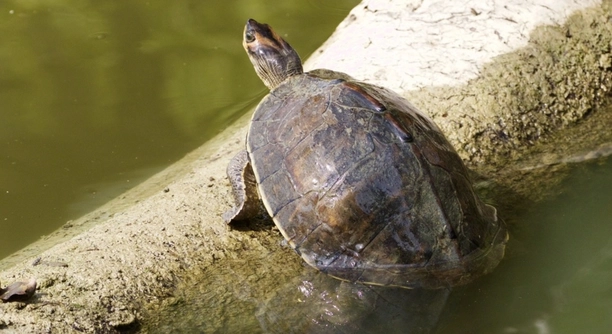
Is your Indian Roofed Tortoise making chirping noises? This unusual behavior may raise concerns about its health or environment, but there are various reasons behind this sound. Understanding the cause can help in providing the right care.
Chirping in Indian Roofed Tortoises may be caused by stress, discomfort, or environmental factors. It could also be linked to communication with other tortoises or a sign of breeding behavior. Observing its surroundings can help identify the cause.
Knowing what causes your tortoise’s chirping can guide you in ensuring it remains comfortable and healthy. Understanding this behavior can improve its living environment and overall well-being.
Why Does My Indian Roofed Tortoise Chirp?
Indian Roofed Tortoises may chirp for several reasons, ranging from stress to communication. When these tortoises feel threatened, they can make a chirping sound, often as a response to an uncomfortable or unfamiliar environment. It’s essential to observe their surroundings and body language. An overcrowded enclosure or inappropriate temperature can cause distress, leading to such sounds. Similarly, the chirping could signal the start of breeding season, where males often vocalize to communicate with females. Another possibility is that your tortoise is trying to establish its territory or react to other animals. Paying attention to the environmental conditions can help you better understand this behavior and address it promptly.
Understanding these signs is key to providing your tortoise with the best care. By managing its environment, you ensure its comfort and reduce stress.
If your tortoise’s chirping is frequent, it’s crucial to assess the temperature, humidity, and space in its enclosure. These adjustments can create a more suitable environment for your pet. Regular checks on its health are also necessary to rule out any medical conditions.
Stress and Environmental Factors
Stress is a common reason for your tortoise to chirp. If the environment isn’t right, it can cause discomfort and anxiety. This could be from being handled too much, loud noises, or a sudden change in its surroundings.
To minimize stress, it’s important to ensure that the enclosure is quiet, secure, and spacious. The temperature should be consistent, and the humidity levels should be within the optimal range for an Indian Roofed Tortoise. Make sure the habitat doesn’t have too many distractions or anything that could cause anxiety. Stress can weaken your tortoise’s immune system, so ensuring a peaceful environment is essential for its well-being.
A tortoise can also feel stressed from other pets, particularly if they are loud or overly active. Keeping the tortoise in a place where it feels safe and undisturbed can reduce chirping. The more consistent and calm its environment, the less likely it will make chirping noises out of stress.
Communication Between Tortoises
When two tortoises are kept in the same enclosure, chirping might be a way for them to communicate. This is especially common during breeding seasons. Males often chirp to attract females, signaling their presence and intentions.
If you have multiple tortoises in one enclosure, be mindful of how they interact. Males may become territorial or more vocal, and females may react by either ignoring or responding to the calls. It’s important to monitor their behavior during these times to prevent stress or aggression. Make sure the tortoises have enough space to avoid unnecessary competition.
Too many males in one space can increase territorial disputes and lead to more frequent chirping. Ensure that each tortoise has its own area within the enclosure to feel secure. Having enough room can help prevent the chirping caused by territorial issues.
Breeding Season
During breeding season, chirping is a common behavior. Male tortoises vocalize to attract females and establish their presence. This is a natural form of communication during mating.
If you notice increased chirping during certain times of the year, it’s likely due to breeding. The sounds might intensify as males compete for attention. It’s essential to provide a space that allows your tortoise to safely engage in these behaviors without being overly stressed. Monitoring this activity can help you understand the difference between normal vocalization and signs of discomfort.
Health Concerns
Chirping can sometimes indicate a health issue. If your tortoise is in pain, it may use vocalization as a response. Common issues like respiratory infections or digestive problems could be the cause. Keep an eye on other symptoms such as lethargy or loss of appetite.
Temperature and Humidity Levels
Proper temperature and humidity are vital for your tortoise’s comfort. Too hot or too cold an environment can make it more likely for your tortoise to chirp. Check the temperature regularly to ensure it stays within the recommended range.
FAQ
Why is my tortoise chirping at night?
Tortoises are primarily diurnal, meaning they are most active during the day. However, if your tortoise is chirping at night, it could be due to environmental stress, like temperature changes or loud noises. It may also be reacting to disturbances in its enclosure. Make sure the habitat is quiet, dark, and at the right temperature during nighttime to avoid unnecessary stress.
Can chirping mean my tortoise is in pain?
Yes, chirping can sometimes be a sign of discomfort or pain. If your tortoise has been chirping unusually or more frequently, it could be suffering from an injury, illness, or even digestive issues. Pay attention to other symptoms like lethargy, loss of appetite, or changes in its movements. A visit to the vet is essential if you suspect health problems.
How can I tell if my tortoise is stressed?
In addition to chirping, signs of stress in tortoises include restlessness, excessive hiding, or lack of interest in food. Stress can be triggered by factors such as overcrowding, sudden changes in temperature, or exposure to other pets. Create a calm and quiet environment with enough space, and observe your tortoise for signs of improvement.
Should I be concerned if my tortoise is chirping while eating?
Chirping during eating is not necessarily a cause for concern. Some tortoises make noises when they are excited or hungry. However, if the chirping is accompanied by signs of distress, such as not eating properly or appearing weak, it might indicate a problem. Ensure that your tortoise’s food is appropriate, fresh, and easy for it to consume.
Can my tortoise be chirping because it’s bored?
Yes, boredom can sometimes lead to chirping. Tortoises are curious creatures, and if their environment lacks stimulation, they may vocalize to express dissatisfaction. Make sure your tortoise has enough enrichment in its enclosure, like hides, climbing surfaces, or objects to explore. Regular interaction can also help alleviate boredom.
How do I stop my tortoise from chirping?
To reduce or stop chirping, it’s crucial to address the underlying cause. Ensure your tortoise has a comfortable and spacious habitat, appropriate temperature, and proper humidity levels. If the chirping is due to stress, consider making the environment quieter, reducing handling, or removing any potential stressors. If it’s related to breeding, providing more space or separating males from females may help.
Is chirping a sign that my tortoise wants attention?
Tortoises may chirp to communicate their needs, including seeking attention. While this is not always the case, some tortoises become more vocal when they feel lonely or want interaction. Offering enrichment, such as toys or increased time outside their enclosure, can satisfy their need for attention. Regular observation helps to understand if they’re simply being vocal or if something is wrong.
Can chirping be a sign of illness in my tortoise?
Chirping, especially when combined with other unusual behaviors like lethargy, loss of appetite, or abnormal breathing, can indicate illness. Respiratory infections or internal issues might make a tortoise vocalize more often. If you notice any signs of illness along with the chirping, it’s important to consult with a vet who specializes in reptiles for proper diagnosis and treatment.
How can I tell if my tortoise is chirping because it’s scared?
If your tortoise chirps when it feels threatened or scared, it might be reacting to a sudden change in its environment, like a loud noise or a new pet in the household. Tortoises are generally shy creatures, and loud or unfamiliar sounds can startle them. Reducing stress and maintaining a calm environment can help prevent this response.
Is it normal for male tortoises to chirp more than females?
Yes, male tortoises tend to chirp more than females, especially during mating season. Males often vocalize to communicate with females or establish their territory. If you have both male and female tortoises, you may notice an increase in chirping around breeding time. Providing ample space and separating males and females if necessary can help manage this behavior.
How can I create a better environment to reduce chirping?
To create an environment that reduces chirping, focus on temperature control, humidity, and quiet surroundings. Make sure the habitat is large enough for your tortoise to move comfortably and provides hiding spots for security. Additionally, ensure there is minimal noise and disturbance from other pets or people. Regular cleaning of the enclosure will help maintain a healthy, comfortable space for your tortoise.
Can my tortoise chirp when it is feeling lonely?
Tortoises are solitary animals, but they may vocalize when they feel lonely or lack enough stimulation. If kept alone, a tortoise might chirp out of frustration or boredom. Introducing environmental enrichment like plants, climbing structures, and regular interaction can help keep your tortoise mentally and physically active, reducing the need for vocalizing due to loneliness.
Should I separate tortoises if they are chirping at each other?
If your tortoises are chirping at each other, it could be due to territorial disputes, especially if they are both males. Separating them to provide more space can help reduce aggressive interactions and frequent chirping. If you have both males and females, be mindful of breeding behaviors, as males may chirp more during mating seasons.
Final Thoughts
Chirping in your Indian roofed tortoise is often a natural behavior, whether it’s linked to breeding, environmental factors, or simple communication. Understanding the causes behind this noise can help you manage and care for your pet effectively. It’s important to remember that while some chirping is completely normal, it can also be a sign that something isn’t right, such as discomfort or stress. Paying attention to other behaviors and the overall condition of your tortoise will give you a better idea of whether the chirping is a concern.
If your tortoise is chirping due to breeding, the behavior is typically harmless. Male tortoises are especially vocal during mating season, and this is part of their natural communication. If you have both males and females, providing them with enough space and reducing any possible stress factors can help. However, if you are unsure whether the chirping is breeding-related, it’s a good idea to keep an eye on their environment, and look for any signs of injury, illness, or other changes in their health. The key is ensuring their living space is comfortable and stress-free.
On the other hand, if your tortoise seems to be chirping more frequently and in ways that don’t seem connected to breeding, it’s crucial to consider other factors like health or environmental stress. A vet checkup might be necessary if you notice any signs of illness or discomfort. Maintaining proper temperature, humidity, and a quiet environment can go a long way in reducing stress-related chirping. With proper care, your tortoise will remain healthy and content, minimizing any unwanted noises.

Hello,
If you enjoy the content that we create, please consider saying a "Thank You!" by leaving a tip.
Every little bit helps us continue crafting quality advice that supports the health, happiness, and well-being of pets around the world, for pets of all shapes, sizes, and species.
We really appreciate the kindness and support that you show us!