
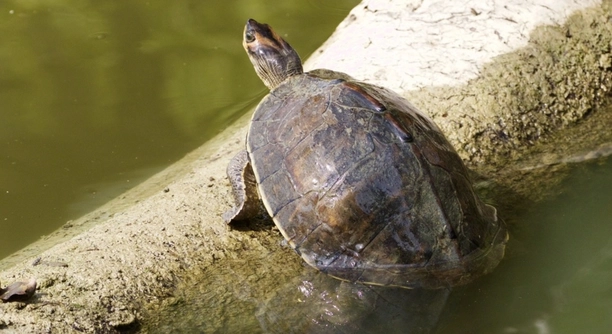
The Indian Roofed Tortoise is a wonderful pet, and providing it with a comfortable, secure tank environment is crucial. A well-designed tank ensures your tortoise feels safe, helping to reduce stress. The right hiding spots are key.
Choosing the best hiding spots for your Indian Roofed Tortoise tank is essential to mimic its natural habitat. Tortoises appreciate areas where they can retreat and feel secure, providing them with necessary privacy and stress relief. Well-placed hiding spots promote healthy behaviors.
Adding hiding spots can improve your tortoise’s quality of life. Learn how to pick the right ones for a thriving, contented pet.
Types of Hiding Spots for Your Indian Roofed Tortoise
When setting up a tank for your Indian Roofed Tortoise, the type of hiding spots you use plays a huge role in its well-being. Tortoises naturally seek out shaded and protected areas to hide, so replicating these conditions in their habitat is essential. You can provide a variety of hiding spots, such as small caves, hollow logs, or even plastic shelters. These spots give your tortoise the privacy it needs, which reduces stress and promotes healthy behavior. The material you choose for the hiding spot should be safe and easy to clean, as hygiene is critical in preventing health issues.
Plastic shelters work well because they’re easy to clean and durable. Logs and caves made from natural materials can mimic a tortoise’s wild environment more closely. Whichever option you choose, make sure the hiding spot is large enough for the tortoise to move around freely but snug enough to feel secure.
It’s also important to place the hiding spots in the correct locations within the tank. Having a few different options allows your tortoise to feel more in control of its space. Change up the layout every so often to keep things interesting for your tortoise.
Why Proper Hiding Spots Matter
Hiding spots are crucial for your tortoise’s mental health. Without a place to retreat, the stress levels of your tortoise may rise. This can lead to unhealthy behaviors, including less activity and a reduced appetite. Providing hiding spots allows the tortoise to feel secure in its environment, which is key for its overall happiness.
Additionally, tortoises are naturally shy creatures and need time away from others to relax. Having a well-hidden spot allows them to retreat when they need a break from their surroundings. This gives them the mental rest necessary to thrive.
The right hiding spots help replicate a more natural environment and improve the overall quality of life for your tortoise. Be sure to invest in a proper hiding setup.
Natural Hiding Spots: Logs and Rocks
Logs and rocks are great for creating a natural feel in your tortoise’s habitat. They mimic the kind of spaces they’d use in the wild for shelter. Make sure the logs are sturdy and free from sharp edges. Avoid anything treated with chemicals.
Rocks can also be used as hiding spots. A flat rock or a pile of rocks can create a small cave-like space that your tortoise will appreciate. Ensure the rocks are secure and won’t shift around easily, as this could cause injury. A natural setup like this offers your tortoise both shelter and climbing opportunities, which encourages exercise and exploration.
Both logs and rocks help create a varied environment, offering your tortoise a sense of safety while promoting mental and physical stimulation. The addition of different textures and shapes mimics the complexity of the tortoise’s natural surroundings. This can improve your pet’s overall well-being.
The Right Size Hiding Spots
The size of the hiding spot is just as important as the type. Too large, and your tortoise may not feel secure enough to use it; too small, and it might not fit. Always choose a hiding spot that gives enough room for the tortoise to move but still feels snug and protective.
If the hiding spot is too large, your tortoise might not feel safe enough to use it. It’s essential that it offers a retreat from the open space and other tank elements. However, if it’s too small, your tortoise won’t be able to comfortably hide or rest. It’s important to find a balance where your tortoise feels both secure and at ease.
Having a hiding spot that is just the right size encourages your tortoise to use it more often. Regular use of a hiding spot is crucial for the tortoise’s stress levels, as it gives them a place to retreat when they feel the need to relax or sleep.
Hiding Spots with Substrate
Substrate like coconut husk or sand can create a natural hiding space for your tortoise. The right depth allows them to dig and burrow, which can be a comforting behavior. Ensure the substrate is non-toxic and easy to clean for hygiene.
Adding a layer of substrate under your tortoise’s hide allows it to feel more secure. A shallow burrow can serve as a perfect hideaway, mimicking how tortoises seek shelter underground. The substrate should also retain moisture well to provide a humid environment that helps with hydration. Regular maintenance of the substrate is key.
Easy-to-Clean Hiding Spots
Cleaning your tortoise’s habitat is essential for maintaining its health. Opt for hiding spots that are easy to wipe down or wash. Plastic shelters or ceramic caves can be excellent choices. They offer a secure environment without much hassle when it’s time to clean.
Choosing a material that is resistant to bacteria and can be disinfected easily reduces the chances of mold or pests. Plastic or ceramic shelters, while not as natural as logs, are durable and often more convenient. Regular cleaning ensures your tortoise has a safe, healthy place to retreat to.
FAQ
How many hiding spots should I have in my tortoise tank?
It’s ideal to have at least two or three hiding spots in your tortoise’s tank. This offers variety and ensures that your tortoise has options depending on where it feels safest. The number of spots can vary depending on the size of your tank and the personality of your tortoise. A small tank might only need one or two, but larger tanks can accommodate more. Make sure they are spread out evenly so your tortoise feels it has enough space to move around and explore different hideaways.
What materials are best for making hiding spots for my tortoise?
The best materials for tortoise hiding spots are natural wood, rocks, ceramic, or plastic. Wood and rocks replicate the tortoise’s natural environment, allowing them to feel more at home. Ceramic and plastic options are easy to clean and maintain. When choosing materials, ensure they are non-toxic, durable, and safe for your tortoise to interact with. You can also use a mix of materials to create variety in the habitat. Be sure that any wood or rock is securely placed to avoid shifting or causing injury.
Can I use fabric or soft materials for hiding spots?
Fabric or soft materials are not recommended for hiding spots. While they may seem comfortable, they can harbor bacteria, mold, or pests, which can be harmful to your tortoise’s health. Additionally, soft materials can be chewed on or ingested, causing blockages or digestive issues. Stick with solid, natural, or easily cleanable materials that don’t pose a risk. If you want to add some comfort, consider lining the inside of a hide with substrate or leaves, but avoid anything too soft or absorbent.
Should I include a water source near the hiding spots?
Yes, it’s a good idea to have a water dish near or within the vicinity of the hiding spots. Tortoises often drink from the same spot where they feel safe. A shallow, stable water dish provides hydration and helps with temperature regulation. However, be cautious about placing it directly inside the hide unless it’s a very shallow dish, as your tortoise could get wet and muddy. The water should be kept clean and fresh, with the dish being cleaned regularly to prevent bacteria buildup.
What if my tortoise isn’t using the hiding spots?
If your tortoise isn’t using the hiding spots, it might be because they don’t feel secure in them. Try adjusting their placement or changing the materials used. Tortoises prefer spaces that feel protected and private. Ensure the hides are placed in quieter, less disturbed parts of the tank. Sometimes, tortoises need time to adjust to new hiding spots. If the problem persists, check if there are any other factors in the tank causing stress, like excessive lighting, noise, or overcrowding.
How often should I clean the hiding spots?
Cleaning should be done regularly, at least once a week or more often if needed. Dirt, waste, or food can accumulate inside the hiding spots, leading to bacteria and mold growth. Make sure to remove any substrate or materials inside, clean with safe, non-toxic cleaners, and rinse thoroughly. If you’re using logs or rocks, check for any signs of mold or parasites. Clean the hides while making sure not to disrupt your tortoise’s environment too much, especially if they use it often.
Can I make my own hiding spots?
Yes, you can make your own hiding spots for your tortoise. DIY options, like using natural wood, stones, or even old ceramic pots, are great choices. Just ensure that everything is safe, free of harmful chemicals, and sturdy enough for your tortoise to feel secure inside. Be mindful of sharp edges or unstable surfaces that could cause injury. If you’re not sure about the materials, you can always test the hide before placing it in the tank to see if your tortoise uses it.
How do I create a multi-level hide for my tortoise?
A multi-level hide can be created by stacking logs or rocks to create a cave-like structure with different entrances and levels. This not only provides hiding spots but also promotes exercise and natural behaviors. Ensure the structure is stable and won’t collapse, as this can cause harm. Your tortoise might enjoy having the option to climb or explore different levels, making it more interesting and engaging. Just make sure that each level is accessible and safe for your tortoise to move between.
How can I make sure my tortoise is comfortable in its hide?
To make sure your tortoise is comfortable, create a hide that is spacious enough but still feels cozy. The hide should be dark, cool, and quiet, mimicking the shelter your tortoise would seek in the wild. You can also add some soft bedding, like coconut husk or dry leaves, inside the hide to give it a more inviting feel. The hide should provide your tortoise with enough room to move and stretch but should not be too large that it doesn’t feel private and safe.
Should I replace the hiding spots periodically?
Yes, it’s a good idea to replace or rearrange the hiding spots every few months. This helps keep the environment fresh and gives your tortoise the chance to explore new spaces. Rotating the hides prevents them from becoming too familiar or monotonous. It also allows you to clean the old hides thoroughly. If you notice your tortoise isn’t using a particular spot as much, it might be time to try something new or different to keep things interesting for them.
Final Thoughts
Creating the right environment for your Indian Roofed Tortoise is essential for its well-being. Providing proper hiding spots not only offers them a sense of security but also mimics their natural habitat. Tortoises are naturally shy creatures, and they rely on hiding to feel safe and relaxed. By offering them several options for hiding, you help reduce stress and provide a comfortable space for them to rest and retreat when needed. Keep in mind that the more options you offer, the more likely your tortoise will explore and use them.
The materials you choose for hiding spots play a significant role in the comfort and safety of your tortoise. Natural materials, such as rocks, wood, and substrates, offer a sense of security, while easier-to-clean options like ceramic or plastic hides can help maintain cleanliness in your tortoise’s habitat. Every tortoise is different, so be patient and observe which hides your tortoise prefers. Don’t hesitate to experiment with different materials and placements to see what works best for your pet. Remember that the goal is to create a safe, comfortable, and clean space for them to enjoy.
Regular maintenance of hiding spots is crucial to ensure a healthy environment for your tortoise. Clean the hides frequently to remove waste, bacteria, or mold that could harm your pet. Also, check for any wear and tear that might make the hiding spots unsafe. By maintaining the hides and keeping your tortoise’s habitat clean, you ensure that your pet remains healthy and stress-free. The right hiding spots, along with proper care, will help create a positive living space for your tortoise to thrive in.

Hello,
If you enjoy the content that we create, please consider saying a "Thank You!" by leaving a tip.
Every little bit helps us continue crafting quality advice that supports the health, happiness, and well-being of pets around the world, for pets of all shapes, sizes, and species.
We really appreciate the kindness and support that you show us!