
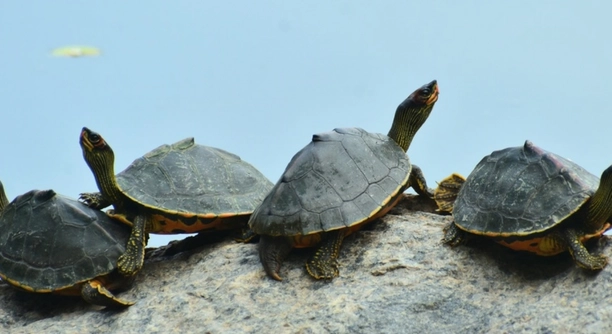
Setting up a proper tank for your Indian Roofed Tortoise is crucial for their health and well-being. However, it can be tricky to create the right environment. Common mistakes can often lead to stress or illness for your pet.
When setting up a tank, it is essential to avoid common mistakes such as improper temperature regulation, inadequate space, and unsuitable substrate. These errors can cause discomfort and health problems for your tortoise, leading to a poor living environment.
Avoiding these mistakes is key to ensuring your tortoise lives a long and healthy life in a comfortable habitat. Proper care and attention will help them thrive.
Mistake 1: Incorrect Tank Size
Choosing the right tank size is crucial for your Indian Roofed Tortoise’s comfort and mobility. A tank that is too small will restrict their movement, leading to stress and health issues. As they grow, they will need more space. A 40-gallon tank is a good starting point for a young tortoise, but an adult will require at least 75 gallons of space. When the tank is too small, your tortoise may not feel secure or may develop behavioral problems. Ensuring your tank is large enough will give your tortoise room to roam, swim, and dig.
Having enough space allows your tortoise to behave naturally. It reduces the chances of them becoming anxious or lethargic. Tortoises need to move freely to stay healthy.
As your tortoise grows, it’s important to upgrade to a larger tank. This is essential for long-term health. Without proper space, your tortoise may develop deformities or other health problems. Make sure you invest in a large enough tank for their well-being.
Mistake 2: Improper Temperature Control
Temperature is one of the most important factors when setting up your tortoise’s habitat. If the tank is too cold or too hot, it can negatively affect your tortoise’s metabolism and overall health. It’s important to maintain a temperature gradient in the tank, allowing the tortoise to choose areas that suit their needs. You should aim for a basking spot around 90°F and a cooler area around 70°F. This variation helps regulate their body temperature and supports digestion.
The temperature can be controlled with a heat lamp for the basking area and a ceramic heater for the cooler side.
You should regularly check the temperature with a thermometer to ensure the correct range is maintained. Too hot or too cold can lead to serious issues, including dehydration, stress, or even death. Your tortoise’s health depends on keeping their environment stable. Proper heating will ensure they thrive in their tank.
Mistake 3: Using the Wrong Substrate
The type of substrate you use in your tortoise’s tank is very important. Avoid using sand or fine gravel, as it can be ingested and cause digestive issues. Instead, opt for a safe, absorbent material like coconut coir or organic topsoil. This will provide a natural environment that allows your tortoise to burrow, which is essential for their well-being.
A proper substrate also helps maintain humidity and makes cleaning easier. Coconut coir is an excellent choice because it’s easy to manage and encourages natural behaviors.
Make sure to replace the substrate regularly, as it can get soiled and harbor bacteria. A clean, dry substrate is essential for maintaining a healthy environment. By using the right material, you’ll help ensure your tortoise feels secure and comfortable.
Mistake 4: Lack of Proper Lighting
Proper lighting is essential for your tortoise’s health, as it helps in calcium absorption and vitamin D synthesis. A UVB bulb is a must-have for your tank. Without UVB light, your tortoise can develop metabolic bone disease and other serious health problems.
Place the UVB light over the basking area and replace it every six months, as the UVB output decreases over time.
In addition to UVB light, you’ll also need a heat lamp to maintain the correct temperature for your tortoise. Lighting should be on for about 12 hours a day to mimic natural daylight. Ensure your tortoise has access to both the UVB and heat lamps for their overall health.
Mistake 5: Inadequate Humidity Levels
Humidity is often overlooked but is vital for your tortoise’s health. The tank should maintain a humidity level between 50-70% to prevent dehydration and respiratory issues. Too low or too high can cause problems like skin shedding or respiratory distress.
To regulate humidity, mist the tank regularly or use a humidifier. It’s important to monitor the humidity levels with a hygrometer. Proper humidity supports your tortoise’s natural shedding process and ensures they stay hydrated.
A lack of proper humidity can lead to severe health issues, so it’s essential to check these levels frequently to provide a comfortable environment for your tortoise.
Mistake 6: Overcrowding the Tank
Overcrowding your tortoise’s tank can cause stress and aggressive behavior. When there is too much competition for space and resources, your tortoise may become anxious and even stop eating. It’s important to ensure your tank is spacious enough for each tortoise to have their own area.
If you keep multiple tortoises together, always monitor their interactions. Male tortoises are especially territorial and may fight. To prevent this, only house tortoises of similar size and temperament together. Overcrowding can negatively impact their health and cause anxiety, so be mindful of how many tortoises are in each tank.
Mistake 7: Feeding the Wrong Diet
Feeding your tortoise the wrong food can lead to nutritional imbalances and health problems. Indian Roofed Tortoises are primarily herbivores and should be offered a variety of leafy greens, vegetables, and fruits. Avoid feeding them high-protein foods like meat or dairy, as this can harm their kidneys.
FAQ
How often should I clean my tortoise’s tank?
Cleaning your tortoise’s tank should be done regularly to ensure a healthy environment. It’s recommended to clean the tank every 1-2 weeks, depending on the size of the tank and the number of tortoises. Spot cleaning, where you remove waste and soiled substrate, should be done daily. Regular cleaning helps prevent bacteria build-up, which can lead to health issues. Make sure to replace the substrate entirely during a deep cleaning and wash all the decor and equipment. Always check for mold or mildew, especially in humid areas of the tank.
What type of water is safe for my tortoise?
Tortoises need fresh, clean water to stay hydrated. Use filtered or dechlorinated water in their tank. Tap water is generally safe, but it’s important to remove chlorine and chloramine, which are harmful to tortoises. You can use a water conditioner or let tap water sit out for 24 hours to allow the chemicals to dissipate. Ensure the water dish is shallow enough for your tortoise to drink from but not so deep that they can accidentally drown.
Can my tortoise eat fruits and vegetables?
Yes, Indian Roofed Tortoises can eat a variety of fruits and vegetables, but some should be offered in moderation. Leafy greens like dandelion greens, collard greens, and kale are great staples. Fruits like strawberries, apples, and melons can be offered occasionally as treats, but they should not make up the majority of their diet due to the high sugar content. Avoid feeding your tortoise lettuce or other foods with little nutritional value, as they won’t provide the essential vitamins and minerals they need.
How do I know if my tortoise is sick?
There are a few signs to watch out for if you suspect your tortoise might be sick. Symptoms include lethargy, loss of appetite, difficulty breathing, nasal discharge, or abnormal behavior like excessive hiding. You may also notice changes in their shell, such as softening or discoloration. If your tortoise shows any of these signs, it’s important to take them to a reptile vet for a proper diagnosis. Keeping track of your tortoise’s habits and environment will help catch any health issues early.
What is the best temperature for my tortoise’s tank?
Maintaining the correct temperature is vital for your tortoise’s health. The basking area should be around 90°F, while the cooler end of the tank should be around 70°F. A temperature gradient allows your tortoise to move between areas depending on their needs. At night, the temperature can drop slightly but should never go below 60°F. A temperature drop too low can cause stress and metabolic issues, so ensure your tortoise has a consistent temperature range. Use reliable thermometers to monitor and adjust as needed.
How often should I feed my Indian Roofed Tortoise?
Indian Roofed Tortoises should be fed daily when they are young and growing. As adults, you can reduce feeding to every other day or 3-4 times a week. Always offer fresh food, and remove any uneaten portions after a few hours to prevent spoilage. A variety of leafy greens, occasional vegetables, and some fruit should be part of their diet. Make sure the food is properly washed to remove pesticides, and avoid feeding them anything that is too high in protein or fat.
Can my tortoise live in a tank with other reptiles?
It’s generally not a good idea to house your Indian Roofed Tortoise with other reptiles. Different species have different care needs, and the tank conditions may not be suitable for both. Tortoises, especially territorial males, can become stressed or even aggressive if housed with other reptiles. Additionally, diseases can easily be spread between species. If you want to keep more than one tortoise, ensure that the tank is large enough to give each one its own space, and monitor their interactions closely.
Do I need to provide my tortoise with a hiding spot?
Yes, tortoises benefit from having a hiding spot in their enclosure. Providing a hiding spot gives them a sense of security, as tortoises are naturally shy and will retreat when they feel threatened. A small shelter or cave can serve as a safe space for your tortoise to rest or cool down. It also helps prevent stress and promotes natural behaviors. Make sure the hiding spot is large enough for your tortoise to comfortably enter and exit but not so large that it feels unsafe.
How do I provide UVB light for my tortoise?
UVB lighting is necessary for your tortoise to produce vitamin D3, which helps in calcium absorption and bone health. Use a UVB light that is specifically designed for reptiles. Place the light over the basking area, and make sure it is within the proper distance from your tortoise (usually 6-12 inches, depending on the bulb). Replace the UVB bulb every 6 months, as the UVB output decreases even if the light still works. Ensure the light is on for 12 hours a day to mimic natural sunlight.
Can I take my tortoise outside?
Yes, Indian Roofed Tortoises can spend time outside, provided it is safe. Make sure the area is secure, and there are no predators around. They should have access to both shaded and sunny areas to regulate their body temperature. Always supervise your tortoise when outdoors, as they can easily escape or encounter danger. Be cautious of extreme weather conditions, such as high heat or rain, as they can stress your tortoise. Outside time should be a controlled, supervised experience to ensure your tortoise’s safety.
Final Thoughts
Setting up an appropriate habitat for your Indian Roofed Tortoise is crucial for its well-being. From selecting the right size tank to maintaining proper temperature and humidity, each step plays a role in keeping your tortoise healthy and comfortable. It’s important to take the time to research the best practices for care and make adjustments as needed. A suitable environment helps your tortoise thrive and prevents common health problems that can arise from poor tank conditions.
Paying attention to details, such as proper lighting, feeding, and tank cleanliness, ensures your tortoise remains active and healthy. Regularly monitor factors like humidity, temperature, and food quality to ensure a balanced habitat. A small effort in maintaining their space can result in a longer, healthier life for your pet. Don’t forget to make space for hiding spots and enrichment, as these contribute to your tortoise’s mental and emotional well-being. A healthy tortoise needs both physical care and a stress-free environment.
Lastly, remember that tortoises can live for many years, and providing a stable, consistent environment is key. While it might take some time to perfect your setup, the benefits of a well-maintained tank are well worth it. Keeping an eye on their behavior and health will help you catch any issues early, so your tortoise can enjoy a happy, long life in its home. Take the time to get it right, and your tortoise will reward you with many years of companionship.

Hello,
If you enjoy the content that we create, please consider saying a "Thank You!" by leaving a tip.
Every little bit helps us continue crafting quality advice that supports the health, happiness, and well-being of pets around the world, for pets of all shapes, sizes, and species.
We really appreciate the kindness and support that you show us!