
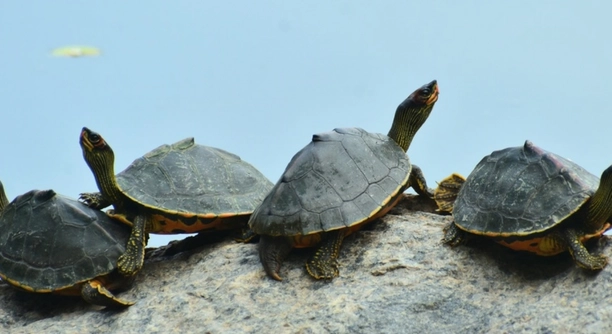
Indian Roofed Tortoises can sometimes act a bit mysteriously, especially when they hide or seem inactive. It’s important to understand their behavior and know what’s normal for them. Recognizing signs of stress or discomfort can help ensure they stay healthy.
Hiding and inactivity in Indian Roofed Tortoises may be caused by stress, temperature changes, or an underlying health issue. They often retreat when they feel threatened or uncomfortable, as a natural response to their environment.
Learning the reasons behind your tortoise’s behavior can be helpful in managing their well-being. Keep reading to understand how to address this behavior and ensure your pet’s comfort and happiness.
Stress and Anxiety in Indian Roofed Tortoises
Stress can be one of the most common reasons why your Indian Roofed Tortoise hides and becomes inactive. Changes in their environment, such as moving to a new home or even shifting their tank, can cause them to retreat. Even loud noises, unfamiliar scents, or too much human interaction can make them feel unsafe. Tortoises are naturally shy and prefer calm surroundings, so any stressor in their space can lead them to hide.
Stress doesn’t always mean something drastic. Minor changes in temperature, light, or even the presence of other animals can lead to a stressed-out tortoise. It’s essential to keep their environment stable and calm. Pay attention to their behavior and try to identify anything that might be disturbing their peace.
The way you handle them also plays a role. If you pick them up too often or place them in environments with high traffic, they may withdraw to feel safe. Keeping their space quiet and undisturbed will help reduce stress and promote normal activity levels.
Temperature and Humidity Issues
Temperature fluctuations can make your tortoise hide and stop moving.
Indian Roofed Tortoises are quite sensitive to temperature changes. If their environment is too hot or too cold, they may hide to regulate their body temperature. It’s crucial to maintain a proper temperature range in their enclosure. Too much heat can cause them to seek shade or burrow, while cold temperatures can cause them to become lethargic. Use a thermometer to ensure the temperature stays between 75°F and 85°F during the day. At night, it should cool down to around 70°F.
Humidity is another factor that influences their activity. Indian Roofed Tortoises prefer a humid environment, as they originate from tropical areas. Without proper humidity, they might hide more often. A humidity level between 60-80% is ideal for their health. Make sure to mist their habitat regularly and provide a shallow water dish. This will help keep their skin moist and encourage natural movement.
Health Problems and Illnesses
If your Indian Roofed Tortoise is hiding and not moving, health issues could be the cause. Tortoises often retreat when they feel unwell.
Common health problems include respiratory infections, shell rot, or parasites. If you notice any other signs, like swollen eyes, discharge, or a soft, discolored shell, these are indicators that something is wrong. It’s essential to take your tortoise to a vet specializing in reptiles for a thorough checkup.
A lack of movement or appetite can also suggest internal issues, such as digestive problems. Tortoises rely on a balanced diet, including greens and fiber, to stay healthy. Poor digestion may cause discomfort and lead them to hide. Keep an eye on your pet’s overall behavior and contact a vet if necessary.
Overfeeding and Poor Diet
An improper diet can lead to inactivity in your tortoise. Overfeeding, particularly with high-protein foods, can cause them to become sluggish.
Indian Roofed Tortoises thrive on a variety of vegetables, leafy greens, and some fruits. Avoid feeding them too many high-protein foods like meat or eggs. These foods can cause digestive issues, leading to lethargy. Stick to a balanced diet with plenty of fiber to keep their digestive system functioning properly.
Inadequate calcium levels can also affect their movement. A lack of calcium can lead to shell deformities and weak bones, making it harder for your tortoise to move. Make sure to provide a calcium supplement or calcium-rich foods like dandelion greens to maintain strong bones and healthy activity levels.
Natural Behavior and Hibernate Cycles
Tortoises naturally hide to rest, especially during the night or in cooler weather. This behavior can be mistaken for distress.
Indian Roofed Tortoises also slow down during cooler months. In the wild, they may hibernate or go into a state of dormancy. If they are in a controlled environment with proper lighting and heat, they may still exhibit reduced activity as part of their natural rhythm.
It’s important to observe whether your tortoise’s behavior aligns with these natural cycles. If the environment is consistent, it could just be your tortoise’s way of resting.
Tank Size and Space
A small enclosure can limit your tortoise’s movement, making them feel trapped.
Indian Roofed Tortoises need room to roam and explore. A cramped tank can stress them out, leading to hiding. Ensure the habitat is spacious enough for them to move freely. They also need places to hide or burrow if they feel unsafe.
By giving them enough space, you’re helping them feel comfortable and reducing the chance of inactivity due to stress. Regularly check their environment to ensure they have enough room to thrive.
Handling and Interaction
Frequent handling can stress your tortoise and make it hide.
Indian Roofed Tortoises are naturally shy, and being picked up too often can cause them to retreat into their shell. If they are hiding for long periods, consider whether you’ve been interacting with them too much. It’s better to allow them to come out on their own terms.
FAQ
Why is my Indian Roofed Tortoise hiding so much?
Hiding is a common behavior for Indian Roofed Tortoises, especially when they are stressed, feeling threatened, or uncomfortable. If they’re placed in a new environment, introduced to loud noises, or there’s a sudden change in temperature or lighting, they may retreat to their shell. It’s a way for them to feel safe. Over time, they’ll likely become more comfortable and less inclined to hide if the environment becomes stable. If they continue to hide excessively, it may be worth checking for other issues like health problems.
How can I tell if my tortoise is sick?
There are several signs that may indicate illness in your Indian Roofed Tortoise. Look for symptoms like swollen eyes, nasal discharge, or a soft or discolored shell. A decrease in appetite or a lack of movement may also point to an issue. If your tortoise seems lethargic or isn’t eating properly for more than a few days, it’s a good idea to consult with a reptile veterinarian. Early detection is key to ensuring a quick recovery.
Is my tortoise hibernating?
While Indian Roofed Tortoises don’t hibernate in the traditional sense, they do slow down during cooler months. This period of reduced activity is called brumation, a form of dormancy where their metabolic rate decreases. If your tortoise is in a controlled environment with proper lighting and heat, it’s less likely to brumate. However, seasonal changes can still trigger a natural reduction in activity. Keep track of the temperature and lighting in their habitat, and be sure they aren’t getting too cold.
Can temperature affect my tortoise’s behavior?
Yes, temperature plays a significant role in the activity levels of your Indian Roofed Tortoise. If the tank is too hot or too cold, it can make them feel uncomfortable, and they may retreat to their shell or hide. Ideal daytime temperatures should range between 75°F and 85°F, with cooler temperatures at night around 70°F. Ensure there’s a temperature gradient in the tank so your tortoise can regulate its body heat as needed. A basking light should be used to create a warm area in their enclosure.
What should I feed my Indian Roofed Tortoise?
A balanced diet is essential for your tortoise’s health and energy levels. They should be offered a variety of leafy greens such as dandelion greens, collard greens, and romaine lettuce. Occasional fruits like strawberries or melon can be given as a treat. Avoid feeding too much high-protein food, as this can cause sluggishness. Additionally, make sure they have access to calcium-rich foods like kale or use a calcium supplement to support strong bones and a healthy shell. Provide fresh water daily to keep them hydrated.
How can I make my tortoise more active?
To encourage activity, make sure your Indian Roofed Tortoise’s enclosure is spacious and stimulating. They enjoy exploring, so a large habitat with hiding spots and objects to climb on will help them feel more comfortable and encourage movement. You should also maintain proper temperature and humidity levels in the enclosure. Providing a clean and well-maintained environment can reduce stress, which may make your tortoise more active. Limiting handling and allowing them to explore their space at their own pace will also help.
Is it normal for my tortoise to stop eating?
A sudden loss of appetite in your Indian Roofed Tortoise is not normal and could signal stress, illness, or improper environmental conditions. If the temperature, humidity, or lighting is off, your tortoise may stop eating as a result. Another possible cause could be overfeeding or an unbalanced diet. If your tortoise doesn’t eat for several days, or you notice other symptoms like lethargy or abnormal behavior, it’s time to consult a vet. Make sure your tortoise’s habitat is well-maintained and its diet is varied and balanced.
How often should I handle my Indian Roofed Tortoise?
It’s best not to handle your Indian Roofed Tortoise too often, as they can get stressed. These tortoises are naturally shy and may retreat into their shell when they feel threatened. If you’re interacting with them, do so gently and avoid excessive handling. It’s important to respect their space and let them come out on their own terms. Too much human interaction, especially in the early stages of having your tortoise, can cause them to hide more frequently.
Can I keep my tortoise outside?
Yes, you can keep your Indian Roofed Tortoise outside, but only if the climate is suitable. They thrive in warmer temperatures and may struggle in colder environments. If you live in an area with mild winters, you can set up an outdoor enclosure with plenty of shade, hiding spots, and a secure fence to keep your tortoise safe. It’s important to provide a space that’s safe from predators and has a comfortable, controlled temperature. Ensure there are no drafts or temperature extremes that could stress your tortoise.
What is the ideal habitat for an Indian Roofed Tortoise?
Your Indian Roofed Tortoise’s habitat should be spacious, with areas to hide, bask, and explore. An enclosure with a temperature range between 75°F and 85°F during the day is essential for their well-being. A basking light is needed for warmth, and a cool, shaded area should be available for them to escape the heat. Humidity should be kept between 60% and 80% to mimic their natural environment. It’s also important to provide a shallow water dish for drinking and soaking. A proper substrate like coconut fiber or soil will give them a more natural feel.
Final Thoughts
Understanding your Indian Roofed Tortoise’s behavior is key to ensuring it stays healthy and comfortable. Hiding and reduced activity are common behaviors for tortoises, and they may not always be a cause for concern. Often, these actions are part of their natural instincts, whether they’re trying to regulate their temperature or just find a quiet spot to rest. It’s essential to be aware of their environment and make sure it’s as stable and stress-free as possible. Minor changes in their surroundings, like a shift in temperature or noise, can lead to hiding, but with a bit of patience, they will likely become more comfortable over time.
However, if your tortoise is constantly hiding or showing other signs of illness, it’s important to pay attention. Health problems like respiratory infections or shell rot can cause a lack of movement and hiding behavior. Keeping an eye on any changes in their behavior or appearance, such as swelling, discharge, or abnormal shell conditions, can help you identify potential health issues early. Consulting a reptile vet when you notice unusual behavior is always a good idea. Early intervention can help prevent more serious problems down the road and keep your tortoise happy and healthy.
Lastly, providing a well-maintained habitat is critical. The right balance of temperature, humidity, and space can make a big difference in your tortoise’s activity levels. Make sure they have room to roam, places to hide, and access to fresh water. A proper diet is also essential for keeping them active and healthy. By offering a varied diet and avoiding overfeeding, you can help ensure they have the energy they need to move around and explore their environment. Creating the right environment, along with understanding their natural behaviors, will help you keep your Indian Roofed Tortoise content and thriving.

Hello,
If you enjoy the content that we create, please consider saying a "Thank You!" by leaving a tip.
Every little bit helps us continue crafting quality advice that supports the health, happiness, and well-being of pets around the world, for pets of all shapes, sizes, and species.
We really appreciate the kindness and support that you show us!