
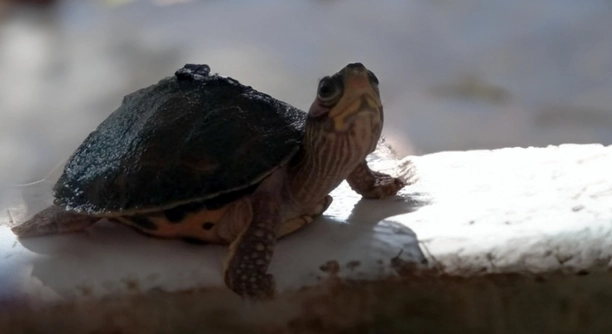
Is your Indian roofed tortoise enclosure looking messy and difficult to manage despite your best efforts to keep it clean?
The best way to maintain a clean Indian roofed tortoise enclosure is through consistent spot cleaning, proper substrate choice, regular water changes, and appropriate enclosure size, all of which help reduce waste buildup and promote hygiene.
Keeping the enclosure clean not only supports your tortoise’s well-being but also makes daily care easier and more enjoyable for you.
Choose the Right Substrate
The type of substrate you use plays a big role in keeping the enclosure clean. Indian roofed tortoises need a substrate that can hold moisture but still allow for easy spot cleaning. Coconut coir, cypress mulch, or a mix of soil and sand work well. Avoid substrates like gravel or wood shavings, as they can cause health problems if ingested. A good substrate helps manage waste and keeps odors under control. It also provides a more natural environment, making your tortoise feel comfortable. Always ensure the substrate is deep enough for digging behavior but not so deep that cleaning becomes difficult.
Change the substrate completely every four to six weeks. Regularly removing soiled sections can extend the time between full replacements.
By selecting the right substrate, you are laying the foundation for a cleaner enclosure. This simple step minimizes bacteria buildup and makes your cleaning routine much more manageable.
Establish a Spot Cleaning Routine
Spot cleaning should be done daily to prevent waste accumulation. Removing leftover food, feces, and soiled substrate keeps the environment hygienic and reduces the risk of illness.
Spend a few minutes each day inspecting the enclosure. Use a small scoop or gloved hand to pick up any visible waste and uneaten food. Leaving debris for too long not only creates a mess but can attract pests and increase harmful bacteria. Clean water dishes at the same time to avoid contamination. By incorporating this into your daily routine, you make the weekly deep clean much easier. This habit ensures that your tortoise has a healthy space to roam and reduces stress related to enclosure upkeep. A few minutes each day will save you from larger problems later on.
Provide Proper Water Management
Replace the water in the tortoise’s dish daily. Dirty water quickly becomes a breeding ground for bacteria, which can harm your tortoise’s health and make the enclosure harder to maintain.
Use a shallow, sturdy water dish that’s easy to clean. After removing the old water, rinse the dish with hot water to kill any lingering bacteria. Make sure the dish is free from leftover food or waste. Regular water changes not only keep the enclosure smelling fresh but also reduce the risk of algae buildup. Proper hydration is important for your tortoise, but it’s equally essential to keep the water clean. Consistent water management ensures your tortoise stays healthy, and it saves you from bigger cleaning tasks down the line.
If your tortoise often soils the water dish, consider placing it in a corner of the enclosure. This helps limit mess spread and simplifies your cleaning routine.
Maintain Proper Temperature and Humidity Levels
Keep the enclosure’s temperature and humidity stable to reduce mold and bacteria growth. Excess moisture or cool temperatures create an environment where harmful organisms thrive, making cleaning harder.
Use a good quality thermometer and hygrometer to monitor conditions. For Indian roofed tortoises, aim for a daytime temperature of around 85°F and nighttime temperature near 75°F. Humidity should stay between 60% and 70%. If humidity is too high, reduce misting or improve ventilation. Always check that heating elements and UVB lights are functioning correctly, as they help regulate the enclosure’s environment. Maintaining these levels consistently makes the enclosure healthier and easier to keep clean. Adjust settings seasonally if needed, but avoid big temperature swings.
Avoid Overfeeding
Remove any uneaten food within a few hours. Leaving extra food in the enclosure attracts pests and causes unnecessary mess.
Feed your tortoise only the amount it can consume in one sitting. Overfeeding leads to leftover food, which spoils quickly and affects enclosure cleanliness.
Use Safe Cleaning Products
Choose mild, reptile-safe cleaning solutions when disinfecting the enclosure. Avoid using harsh chemicals like bleach, which can harm your tortoise even in small traces.
Always rinse thoroughly after cleaning. Any leftover residue from cleaning products may irritate your tortoise’s skin or eyes, so be extra careful when wiping down surfaces.
Arrange Enclosure Decor Smartly
Place hides, rocks, and decor in areas that are easy to reach. Keeping them accessible makes spot cleaning simpler and prevents waste buildup around hard-to-reach corners.
FAQ
How often should I clean my Indian roofed tortoise enclosure?
Cleaning the enclosure should be done regularly. Spot cleaning should happen daily to remove uneaten food and waste. Deep cleaning, where you replace the substrate and scrub surfaces, should be done every four to six weeks. This routine helps prevent bacteria buildup and keeps the space hygienic for your tortoise. A consistent cleaning schedule also makes the process quicker and easier over time.
What is the best substrate for an Indian roofed tortoise enclosure?
The best substrate is one that can absorb moisture while being easy to clean. Coconut coir, cypress mulch, or a mix of soil and sand are all great options. Avoid using substrates like wood shavings, as they can be harmful if ingested. Make sure to choose a substrate that’s easy to spot clean but also allows your tortoise to dig and burrow naturally. A layer of 2-4 inches is typically enough for this species.
Can I use sand in the enclosure?
Yes, sand can be used in moderation. It should be mixed with soil or another material to help retain moisture and prevent it from becoming too dry or dusty. Too much sand alone can lead to dehydration or respiratory issues for your tortoise. When using sand, always make sure it’s non-toxic and not too fine, as this can cause digestive issues if ingested.
How can I prevent the smell in my tortoise’s enclosure?
To keep the smell under control, spot clean daily by removing feces, uneaten food, and waste. Ensure that the water dish is cleaned daily, as dirty water can quickly cause unpleasant odors. Also, check that the substrate is not too wet, as excess moisture can encourage mold or bacteria growth. Regular ventilation also helps keep the air fresh and reduces odor buildup. If necessary, you can use a reptile-safe deodorizer designed for enclosures.
What type of food should I provide to keep the enclosure clean?
Providing a proper diet helps keep waste manageable. Stick to leafy greens, vegetables, and some fruit. Remove uneaten food after a few hours to avoid decay. If you’re feeding your tortoise high-moisture foods, be mindful of the water content, as excess moisture in the enclosure can lead to hygiene problems. A balanced diet also helps ensure that your tortoise stays healthy and that the enclosure stays clean.
How do I clean the water dish properly?
Your tortoise’s water dish should be cleaned daily. Empty the dish, rinse it with hot water, and scrub it with a soft brush to remove any residue. Avoid using harsh chemicals. If you notice algae growth or stubborn stains, use a mild vinegar-water solution to clean the dish, then rinse thoroughly. Make sure the dish is large enough for your tortoise to soak in but easy to clean daily.
Can I use a vacuum to clean the enclosure?
Using a vacuum can be a great way to clean up loose substrate and debris. However, make sure the vacuum has a soft attachment to avoid damaging the surfaces. It’s also a good idea to use a handheld vacuum for corners and tight spaces. Vacuuming daily or every few days helps keep the substrate and decor tidy and can make the deep cleaning process easier.
How often should I change the substrate?
The substrate should be fully changed every four to six weeks. If it becomes soiled or begins to smell, it may need to be changed more often. When changing the substrate, make sure to clean all surfaces, including walls and decor, to remove any waste buildup. A deep cleaning ensures that your tortoise’s home remains hygienic and safe, reducing the chances of bacterial growth.
How do I prevent mold in the enclosure?
Mold is a common issue in humid environments, so it’s important to monitor moisture levels. Ensure proper ventilation and avoid over-misting. If you spot mold, clean the affected area immediately using a reptile-safe cleaner. Regularly replace damp or old substrate, as it can trap moisture and lead to mold growth. Maintaining the proper humidity levels, around 60-70%, will also help prevent mold from forming.
What should I do if my tortoise eats something it shouldn’t?
If your tortoise ingests something harmful, contact a veterinarian experienced with reptiles immediately. It’s common for tortoises to nibble on non-food items, so it’s essential to remove any dangerous objects or unsuitable items from the enclosure. Regularly monitor your tortoise’s behavior and make sure it’s eating proper food to prevent such issues from happening. Ingesting inappropriate materials can lead to gastrointestinal problems or blockages, so always keep an eye on their diet and surroundings.
How do I keep pests out of the tortoise’s enclosure?
To keep pests out, clean the enclosure thoroughly and regularly. Remove uneaten food and waste to avoid attracting insects. If you spot any pests, remove them by hand or use a mild, pet-safe insecticide. Ensure that the enclosure is sealed tightly, and monitor any cracks or gaps where pests could enter. Regularly check for ants, mites, or flies that could make the environment uncomfortable for your tortoise.
What is the ideal temperature for an Indian roofed tortoise enclosure?
Indian roofed tortoises prefer a warm environment. The temperature should be around 85°F during the day, with a slight drop to 75°F at night. A basking spot can reach up to 90°F. If temperatures are too low, the tortoise may become lethargic and susceptible to illness. Use heat lamps and ensure the enclosure has proper temperature gradients for your tortoise to regulate its body heat.
How can I maintain the proper humidity in my tortoise’s enclosure?
Maintaining proper humidity is crucial for your tortoise’s health. Keep humidity levels between 60-70%. Use a hygrometer to monitor it. If the air is too dry, you can increase humidity by misting the enclosure lightly, but avoid excess moisture that can lead to mold growth. Additionally, providing a water dish large enough for soaking will help maintain moisture levels. Proper humidity is important for digestion and overall well-being.
Final Thoughts
Maintaining a clean Indian roofed tortoise enclosure may seem like a lot of work at first, but with a few consistent habits, it becomes easier over time. Spot cleaning daily is one of the most effective ways to keep the space fresh and hygienic. By removing waste, uneaten food, and dirty water right away, you help prevent bacteria and mold from developing. A clean enclosure contributes to your tortoise’s health and comfort, ensuring that it has a safe and enjoyable environment to thrive in. When combined with proper water management, humidity control, and the right substrate, your tortoise’s living space will remain pleasant for both of you.
Choosing the right materials for the enclosure is key. A suitable substrate will absorb moisture and help manage waste without causing harm to your tortoise. Coconut coir, cypress mulch, and a mix of soil and sand are excellent options that create a natural environment while being easy to clean. Regularly replacing the substrate and disinfecting the enclosure prevents the buildup of harmful bacteria and ensures a long-lasting healthy habitat. Proper water management, like cleaning the water dish daily and ensuring fresh water is always available, is another important factor in keeping the space clean and your tortoise hydrated.
By paying attention to the little details, like proper temperature and humidity, and sticking to a regular cleaning schedule, you’ll ensure that your tortoise is living in a safe, healthy environment. It might seem like a lot at first, but once it becomes part of your routine, maintaining the enclosure will feel effortless. These simple practices will not only make your tortoise feel more at home but also reduce the risk of potential health issues. Cleanliness plays a major role in your pet’s well-being, so it’s worth the time and effort.

Hello,
If you enjoy the content that we create, please consider saying a "Thank You!" by leaving a tip.
Every little bit helps us continue crafting quality advice that supports the health, happiness, and well-being of pets around the world, for pets of all shapes, sizes, and species.
We really appreciate the kindness and support that you show us!