
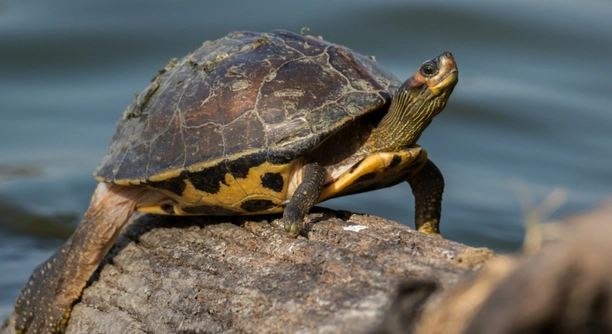
Indian Roofed Tortoises are fascinating creatures, but like all reptiles, their health relies heavily on proper digestion. Maintaining their digestive system is essential for their overall well-being. Here are seven natural ways to help improve digestion for your tortoise.
To improve an Indian Roofed Tortoise’s digestion, offering a variety of fiber-rich foods, proper hydration, and a clean, comfortable habitat can make a significant difference. Natural remedies like herbal supplements and fresh greens can also aid digestion.
A few simple steps can lead to a healthier tortoise and a more balanced digestive system. These methods are easy to incorporate into their routine and can help keep them feeling their best.
Provide a Fiber-Rich Diet
One of the most important aspects of improving digestion for your Indian Roofed Tortoise is providing a fiber-rich diet. Fiber helps to promote healthy bowel movements and prevents constipation. Offering various leafy greens like dandelion leaves, collard greens, and hibiscus flowers can boost digestion. Additionally, adding fibrous plants like grasses and edible flowers will ensure that they receive a variety of nutrients that promote digestive health. Avoid overfeeding fruits as they are high in sugar, which can disrupt your tortoise’s digestion. Ensuring the right balance of foods is key to maintaining a healthy digestive system.
To make digestion easier, always feed your tortoise fresh, pesticide-free greens.
A well-balanced diet will help keep your tortoise’s digestive tract functioning smoothly. It’s important to mix up their meals regularly to keep them interested and to provide a broader range of nutrients. Consistency with fiber intake ensures their system stays regular, reducing the risk of digestive problems.
Ensure Proper Hydration
Hydration plays a crucial role in digestion. A tortoise that isn’t getting enough water can easily suffer from dehydration, which can slow down the digestive process. Make sure your tortoise always has access to fresh water, especially during hot weather. If they are reluctant to drink, you can try offering water through misting or placing a shallow dish in their enclosure. This will encourage them to drink more, especially when they are in an environment that is warm and dry.
In addition to water, soaking your tortoise every few days can help with hydration and aid in digestion.
Soaking allows your tortoise to absorb water through its skin and will help flush out waste from their system. You can soak them in warm water for about 20 minutes. Regular soaking ensures they stay hydrated, which helps to prevent constipation and promotes smoother digestion.
Add Probiotic Supplements
Probiotics are beneficial bacteria that support your tortoise’s digestive system. Adding a probiotic supplement to their diet can help balance the gut flora, promoting better digestion. You can find reptile-specific probiotics at pet stores or online. Just be sure to follow the recommended dosage to avoid over-supplementing. Probiotics can help improve nutrient absorption and prevent digestive issues like bloating or discomfort.
A regular dose of probiotics can enhance your tortoise’s digestion by promoting a healthy balance of gut bacteria. This can reduce the likelihood of digestive upset and improve nutrient breakdown. When choosing a probiotic, ensure it is safe and appropriate for reptiles to avoid complications.
Adding probiotics gradually into their diet helps their system adjust. Over time, these supplements can lead to healthier, more efficient digestion. Keep an eye on their behavior and stool quality to assess the effectiveness of the probiotics, as this will help you determine the right dosage.
Provide a Clean Habitat
A clean habitat is essential for a tortoise’s overall health and digestion. An unclean enclosure can lead to bacteria buildup, which can negatively affect your tortoise’s digestive system. Clean their living area regularly to prevent mold, mildew, and waste from accumulating. Change bedding often and spot-clean any messes throughout the day. A clean environment reduces stress, which is important for good digestion.
In addition to cleanliness, make sure their habitat has proper humidity levels to promote healthy digestion.
Maintaining proper temperature and humidity is also vital in digestion. A well-regulated environment supports your tortoise’s immune system and ensures that their digestive process works effectively. If the enclosure gets too dirty or damp, it can lead to infections or discomfort, which in turn can disrupt digestion. Regular cleaning is a simple but powerful way to support your tortoise’s digestive health and overall well-being.
Offer Fresh, Natural Greens
Feeding your tortoise fresh, natural greens is crucial for digestion. Wild plants, grasses, and edible flowers are excellent sources of fiber and nutrients. Avoid overfeeding processed or pre-packaged foods, as they may not provide the same benefits. Always wash greens thoroughly to remove pesticides and contaminants.
Incorporating a variety of fresh greens ensures a balanced diet, providing your tortoise with essential vitamins and minerals. Leafy greens such as kale, collard greens, and dandelions are especially helpful for digestion. Regularly rotating the types of greens you offer can keep your tortoise interested and support a healthy digestive system.
Avoid Overfeeding
Overfeeding can lead to obesity and digestion problems. It’s essential to keep track of the portions you give your tortoise to ensure they’re eating an appropriate amount. Feed them small meals throughout the day, making sure they have access to fresh water.
A proper feeding schedule helps prevent excess food from overwhelming your tortoise’s digestive system. Always stick to the recommended serving sizes based on your tortoise’s size and age. This keeps them healthy and supports a smoother digestion process.
Provide Sunlight or UVB Lighting
Tortoises rely on sunlight or UVB light to produce vitamin D3, which aids in calcium absorption and overall health. Ensure your tortoise gets plenty of exposure to natural sunlight or UVB lighting to help their digestive system function properly.
UVB lighting is especially important in enclosures where natural sunlight is limited. If kept indoors, make sure their habitat has a proper UVB light source to maintain their health. Regular exposure to UVB rays ensures that they can metabolize calcium and maintain strong bones, which indirectly supports healthy digestion.
FAQ
How often should I feed my Indian Roofed Tortoise?
The feeding frequency of your tortoise depends on its age and size. Young tortoises require more frequent meals, usually once a day. Adult tortoises can be fed every other day or even every three days, depending on their size and activity level. Offering a balanced amount of fresh greens and fibrous plants is essential, and avoid overfeeding to prevent obesity and digestive problems. Regularly monitor your tortoise’s weight to ensure they are receiving the right amount of food.
Can I feed my tortoise fruits every day?
Fruits should be offered sparingly and not every day. While fruits are nutritious, they are high in sugar, which can cause digestive issues and lead to obesity in tortoises. Instead, focus on leafy greens and fibrous plants as their primary food source. If you do offer fruits, limit it to small amounts as an occasional treat. Ensure the fruit is safe for your tortoise before feeding it.
What kind of greens are best for my tortoise?
Leafy greens like collard greens, kale, and dandelion leaves are excellent choices for your tortoise. These greens are rich in fiber and low in oxalates, making them easy to digest. You can also offer other fibrous plants like hibiscus leaves, mustard greens, and clover. Avoid feeding iceberg lettuce as it has very little nutritional value. Providing a variety of greens ensures that your tortoise gets a broad range of nutrients, which is essential for good digestion.
Is soaking my tortoise in water important for digestion?
Yes, soaking your tortoise helps with hydration and supports digestion. Regular soaking in warm water encourages your tortoise to drink, which is essential for proper digestive function. It also helps soften any waste that may be stuck in the digestive tract, easing its elimination. Soak your tortoise for about 15 to 20 minutes a few times a week, ensuring the water is not too deep for them to breathe comfortably.
How can I tell if my tortoise has digestive problems?
Signs of digestive issues in your tortoise include lack of appetite, bloating, diarrhea, or excessively dry or hard stools. If your tortoise shows any of these symptoms, it’s important to assess their diet, hydration, and overall care. In some cases, it might indicate a more serious health concern, and it’s advisable to consult a vet. Regularly checking their stool and observing their behavior can help catch digestive problems early.
Can I use supplements to improve my tortoise’s digestion?
Yes, you can use probiotics to support digestion. These beneficial bacteria help maintain a healthy gut flora, which can improve nutrient absorption and prevent digestive upset. However, always use supplements made specifically for reptiles, and follow the recommended dosage. Over-supplementing can lead to an imbalance, so it’s important to monitor their overall health closely.
What temperature should my tortoise’s enclosure be for proper digestion?
Maintaining the right temperature in your tortoise’s enclosure is essential for digestion. The warm side of their habitat should be between 85-90°F (29-32°C), while the cooler side can be around 75°F (24°C). Proper heat helps them metabolize food and supports overall digestive function. If the temperature is too low, their digestive system can slow down, leading to constipation or other health issues. Always provide a temperature gradient to allow them to regulate their body temperature as needed.
How can I keep my tortoise hydrated?
Keeping your tortoise hydrated is crucial for digestion. Offer fresh water daily, and ensure the water is clean and free of contaminants. If your tortoise isn’t drinking enough, you can encourage hydration by soaking them in lukewarm water. Misting their enclosure occasionally can also provide humidity, especially in drier climates, which will help with hydration. Offering moisture-rich foods, like certain leafy greens, can also assist in maintaining their hydration levels.
Are there any foods I should avoid feeding my tortoise?
Yes, some foods should be avoided as they can lead to digestive problems or other health issues. Avoid feeding your tortoise foods that are high in oxalates, such as spinach, which can interfere with calcium absorption. Additionally, stay away from high-sugar fruits, processed foods, and foods that are toxic to reptiles, like avocado. Ensure that anything you feed is safe, and always wash your greens thoroughly to remove pesticides.
How do I know if my tortoise is getting enough fiber?
Fiber is essential for your tortoise’s digestion. You can tell if they’re getting enough fiber by observing their stool. Healthy stool should be firm and easy to pass. If your tortoise’s stool is watery, too soft, or they seem constipated, it might be a sign that they’re not getting enough fiber. To ensure proper fiber intake, feed a variety of fibrous plants, grasses, and leafy greens. Additionally, make sure they have access to clean, fresh water, as hydration also supports fiber digestion.
How can I help my tortoise if it’s constipated?
If your tortoise is constipated, make sure they are well-hydrated and have access to plenty of fiber. You can try soaking your tortoise in warm water to help them pass stool. If they don’t improve, adjusting their diet with more fibrous plants or offering a small amount of vegetable oil (like olive oil) can help. If the issue persists, it’s best to seek advice from a reptile veterinarian. Regular soaking and proper hydration are key to preventing constipation.
What should I do if my tortoise refuses to eat?
If your tortoise refuses to eat, the first step is to check the temperature and humidity of their habitat. Incorrect environmental conditions can lead to a lack of appetite. Ensure they are receiving proper UVB light and are kept at the correct temperature. Stress, illness, or an imbalanced diet could also cause a tortoise to stop eating. If the refusal persists, consult a vet to rule out any health issues.
Final Thoughts
Improving the digestion of your Indian Roofed Tortoise doesn’t require complex solutions, but it does take consistent care. The key is providing a balanced diet that includes plenty of fiber-rich foods, fresh greens, and occasional fruits. Fiber supports the digestive system and ensures that your tortoise can pass waste regularly. Proper hydration is equally important, so offering fresh water daily and soaking your tortoise can help prevent dehydration and constipation. These basic steps are easy to integrate into your routine and can make a significant difference in their health.
In addition to diet and hydration, maintaining a clean and comfortable habitat is essential. A clean enclosure reduces the risk of bacteria and stress, both of which can negatively affect digestion. Make sure the enclosure is appropriately heated and includes a UVB light source if needed. Keeping an eye on your tortoise’s behavior and stool quality can help you identify if something is wrong with their digestion early on. Regularly checking their environment and diet allows you to make necessary adjustments before problems arise.
Lastly, don’t hesitate to consult with a vet if you notice any signs of digestive issues. While most digestive problems can be addressed with simple changes, it’s always a good idea to seek professional advice if the problem persists. A vet will be able to guide you on proper care and help ensure your tortoise’s long-term health. By following these natural ways to improve digestion, you’ll be supporting your tortoise’s overall well-being, allowing them to thrive in their habitat.

Hello,
If you enjoy the content that we create, please consider saying a "Thank You!" by leaving a tip.
Every little bit helps us continue crafting quality advice that supports the health, happiness, and well-being of pets around the world, for pets of all shapes, sizes, and species.
We really appreciate the kindness and support that you show us!