
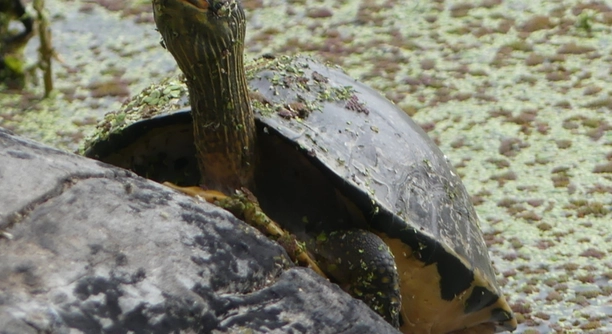
Sometimes, when you observe your Indian Roofed Tortoise burying itself, it may leave you wondering why this behavior is happening. Understanding this action can help ensure your pet’s health and well-being.
Indian Roofed Tortoises bury themselves as a natural behavior, often due to stress, temperature changes, or an instinct to seek a safe, hidden environment. This behavior may also signal a need for proper humidity or habitat adjustments.
This behavior is not always cause for concern but can indicate that adjustments to their environment are necessary. Understanding why this happens helps you support your tortoise better.
Why Do Tortoises Bury Themselves?
Indian Roofed Tortoises are known to bury themselves for a variety of reasons, and this behavior is often linked to their instincts. In the wild, tortoises bury themselves to protect against predators or extreme weather conditions. It’s an essential survival tactic that helps them feel secure. In captivity, they might still exhibit this behavior due to their natural instincts. Stress from a new environment, unfamiliar smells, or even a change in temperature can make them seek shelter. Sometimes, they bury themselves simply to rest or sleep in peace. It’s also important to note that this behavior is normal if it doesn’t happen frequently or for extended periods.
When a tortoise buries itself, it may be trying to regulate its body temperature or humidity levels. This is especially important if the environment is too hot or too cold. Keeping the habitat stable can reduce the chances of such behavior occurring too often.
Burying is also a common nesting behavior, though female tortoises usually do this when they are ready to lay eggs. It’s important to make sure the environment is suitable for such behaviors, providing the proper temperature and humidity for your tortoise to feel comfortable and secure.
What Can Cause This Behavior?
Sometimes, a tortoise may feel the need to hide or bury itself if it’s not feeling well.
Illnesses or discomfort in their shells can make them seek refuge to avoid feeling vulnerable. If your tortoise is burying itself more than usual, consider checking for any signs of injury or sickness, and consult a veterinarian if needed.
Stress and Anxiety
Stress can be a major factor when a tortoise starts burying itself more often. This can happen due to sudden changes in its environment, like moving to a new home or the introduction of other pets. Tortoises are creatures of habit and dislike abrupt changes. If they feel threatened or scared, they’ll retreat into their shells or bury themselves. This behavior helps them feel safe and secure. Keeping their environment consistent and quiet can reduce stress and make your tortoise feel more comfortable.
Overhandling or frequent disruptions in their environment can also cause them to bury themselves. Tortoises prefer a calm space to thrive in. If their habitat is too noisy, overcrowded, or busy, they may hide to escape the stress. A quiet, stable, and familiar environment is key to reducing stress levels and making them feel at ease.
Stress and anxiety in tortoises are often linked to other health concerns as well. It’s important to identify what could be causing them distress in order to help prevent any underlying problems. A relaxed tortoise is a healthy tortoise, and keeping its environment stable will ensure it stays happy and active.
Temperature and Humidity
Temperature and humidity levels play a crucial role in your tortoise’s behavior. When these factors are out of balance, your tortoise may bury itself to adjust to its needs. Too much heat can cause them to burrow deeper to cool off, while low temperatures might have them seeking warmth. A proper temperature range of 75-85°F during the day is ideal for most tortoises, while night temperatures should drop slightly. Humidity should also be maintained to prevent dehydration or skin issues.
If the temperature or humidity levels in the enclosure aren’t consistent, your tortoise may feel the need to regulate these conditions on its own. Having a proper setup with a heat source, a humidity gauge, and a basking spot can ensure these variables are managed. Too much moisture or a lack of it can lead to discomfort and burrowing behavior. Checking the humidity and making adjustments will help keep your tortoise in a healthy state.
Keeping both the temperature and humidity steady is a crucial aspect of maintaining your tortoise’s overall health. Regular monitoring and adjusting your setup will provide the most comfortable and safe environment for your pet.
Lack of Space
If your tortoise’s enclosure is too small, it may bury itself as a way of escaping a cramped environment. Tortoises need room to move around and explore. A small, restrictive space can cause stress, leading them to hide. Ensuring your tortoise has plenty of space will help reduce this behavior.
Providing a larger enclosure with varied terrain, hiding spots, and room to roam encourages natural behavior. It allows your tortoise to feel safe, reducing the urge to bury itself as a response to feeling trapped. Space is key to a healthy and comfortable living environment.
Bedding and Substrate
Choosing the right bedding for your tortoise can affect its need to bury itself. Soft, loose substrate like coconut coir or soil allows them to dig and burrow naturally. This satisfies their instinct to hide and creates a comfortable, safe space.
Avoid using bedding that is too hard or irritating, such as sand or gravel, as this may make your tortoise uncomfortable. A good substrate helps to maintain humidity levels and provides a more natural, cozy environment. Regularly changing the bedding also ensures that it stays clean and safe for your pet.
FAQ
Why does my Indian Roofed Tortoise bury itself?
Indian Roofed Tortoises bury themselves as a natural instinct to feel safe and secure. It’s a behavior they use to hide from potential threats or to regulate their body temperature. If the temperature or humidity is not right in their environment, they might bury themselves to either cool off or warm up. It could also be a sign of stress, illness, or an uncomfortable living space. Ensuring the proper environmental conditions and giving your tortoise enough space can help reduce this behavior.
Is it normal for my tortoise to bury itself for days?
While it is normal for a tortoise to bury itself occasionally, it’s not typical for them to stay buried for days. If your tortoise is staying hidden for extended periods, it could indicate health problems, stress, or an issue with the habitat. Check the temperature and humidity levels, and ensure that the space is large enough for your tortoise to move around freely. If the behavior continues, consider taking your tortoise to a vet for a check-up.
Can a tortoise die from burying itself?
No, burying itself won’t directly cause your tortoise to die. However, if a tortoise is burying itself excessively or staying hidden for prolonged periods, it could be a sign of a deeper issue like improper environmental conditions, stress, or illness. In such cases, it’s crucial to address these problems to prevent any harm to your tortoise’s health.
How can I stop my tortoise from burying itself?
To prevent your tortoise from burying itself too often, check its environment first. Ensure that the temperature and humidity levels are consistent and within the right range for its species. A larger enclosure with plenty of space, hiding spots, and varied terrain can also help. Reducing stress, by avoiding handling or disturbances, can make a significant difference.
How can I tell if my tortoise is stressed?
Stress in a tortoise can manifest in different ways. In addition to burying itself more frequently, signs of stress include loss of appetite, excessive pacing, or hiding all the time. If your tortoise seems lethargic, refuses to eat, or shows abnormal behavior, check the habitat for possible sources of stress such as temperature fluctuations, loud noises, or overcrowding. A stressed tortoise should be given time to relax in a calm, stable environment.
What temperature and humidity do Indian Roofed Tortoises need?
Indian Roofed Tortoises require a daytime temperature range of 75-85°F. At night, the temperature should drop slightly but remain above 70°F. These tortoises also need a basking spot that can reach about 90°F. Humidity should be around 60-70%, with proper ventilation in the enclosure to avoid moisture buildup. If the humidity is too high or low, it can lead to skin issues or respiratory problems, causing your tortoise to seek shelter or bury itself.
Should I provide my tortoise with a hiding spot?
Yes, providing your tortoise with hiding spots is important. Tortoises are naturally inclined to seek shelter when they feel stressed or threatened. Having a hiding spot helps them feel secure. It’s essential that your tortoise’s enclosure includes rocks, logs, or other objects that mimic natural hiding places. However, ensure the hiding spots are not too cramped, as your tortoise still needs to move around comfortably.
Can my tortoise bury itself to lay eggs?
Yes, female Indian Roofed Tortoises often bury themselves to lay eggs. If your tortoise is burying itself more than usual and is not acting sick or stressed, it could be preparing to lay eggs. Make sure the substrate in the enclosure is deep enough for the tortoise to dig a nest. If your tortoise has never laid eggs before, there’s a chance it might lay them even without a mate. Providing a proper environment for egg-laying is essential to ensure the health of the tortoise and the eggs.
How deep should the substrate be for a tortoise to bury itself?
For an Indian Roofed Tortoise, the substrate should be deep enough for it to dig and burrow comfortably, usually about 4 to 6 inches. This allows your tortoise to express its natural behavior and feel safe. Use a loose, moisture-retaining substrate like coconut coir or soil that can easily hold its shape when your tortoise digs. The depth should be sufficient but not too deep, as this can make it difficult for your tortoise to move around.
Can burrowing cause health problems in my tortoise?
Burrowing itself does not typically cause health problems in tortoises. However, if a tortoise is burying itself to escape an uncomfortable environment, such as improper temperatures or humidity, it could lead to health issues. Extended periods of hiding could also indicate stress or illness. If the behavior seems excessive, or if your tortoise shows signs of illness, like lethargy or loss of appetite, it’s essential to evaluate the conditions and seek advice from a veterinarian if needed.
What should I do if my tortoise is staying buried for a long time?
If your tortoise stays buried for a long time, first check its environment. Ensure the temperature and humidity are appropriate. Sometimes, the tortoise might be trying to escape uncomfortable conditions or adjust its body temperature. If the behavior continues for more than a few days or your tortoise appears lethargic or sick, it’s time to consult a vet to rule out any health concerns.
Final Thoughts
Burying is a natural behavior for Indian Roofed Tortoises. It allows them to feel secure, regulate their body temperature, and protect themselves from perceived threats. While this behavior is typically harmless, it’s important to observe your tortoise closely to ensure it’s not a sign of stress, discomfort, or an underlying health problem. If your tortoise is burying itself excessively, it could indicate that something in its environment needs adjustment. This could be related to temperature, humidity, space, or even the level of stress in its surroundings. By making simple changes, such as adjusting the enclosure’s temperature, adding hiding spots, or reducing stressors, you can help your tortoise feel more comfortable.
Understanding why your tortoise buries itself can also help prevent future issues. It’s essential to make sure that your tortoise’s habitat is not only large enough but also safe and stable. Maintaining a consistent environment with proper heat, light, and humidity will go a long way in keeping your tortoise healthy. Tortoises are creatures of habit, and when they feel secure in their surroundings, they are less likely to bury themselves unnecessarily. If you notice any signs of illness, like loss of appetite or lethargy, or if burying becomes a constant behavior, it’s crucial to consult with a veterinarian to rule out any health concerns.
Ultimately, every tortoise is different, and while burrowing is normal, you should always pay attention to any changes in behavior. Small adjustments to their environment can often solve the issue. A calm and consistent routine helps ensure that your tortoise remains comfortable. By observing your pet and providing it with the best possible care, you’ll be able to keep it healthy and happy for years to come. Regular check-ups and ensuring the right conditions will give your tortoise the best chance to thrive in its home.

Hello,
If you enjoy the content that we create, please consider saying a "Thank You!" by leaving a tip.
Every little bit helps us continue crafting quality advice that supports the health, happiness, and well-being of pets around the world, for pets of all shapes, sizes, and species.
We really appreciate the kindness and support that you show us!