
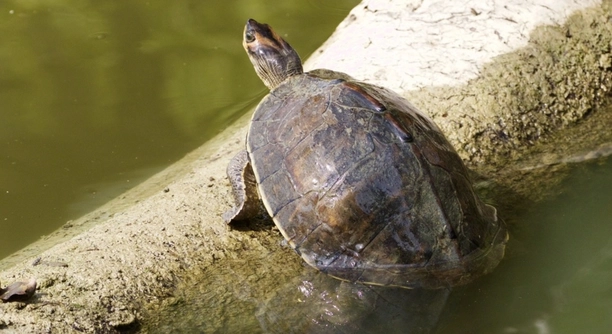
When your Indian Roofed Tortoise lays eggs, it can be a surprising experience. Understanding what to expect during this process will help you care for your tortoise and her eggs properly.
The main things to expect when your Indian Roofed Tortoise lays eggs are nest building, possible digging behavior, and egg-laying within a safe and quiet spot. After laying, the tortoise may show signs of fatigue or disinterest in the eggs.
Knowing what to expect can help you avoid unnecessary stress and ensure the well-being of both your tortoise and her eggs.
Nesting Behavior: How Your Tortoise Prepares for Egg Laying
Before your Indian Roofed Tortoise lays eggs, you may notice her digging and creating a nest. This behavior is a natural part of her reproductive cycle. She will spend time searching for the perfect spot to lay her eggs, typically choosing a quiet, secure area. This can happen in a confined space like an enclosure or outdoors if she has access to an appropriate environment. She may exhibit digging behaviors that can seem intense, as she works to create a hole deep enough to hold her eggs comfortably.
It’s essential to observe her closely during this time to ensure she has a safe, quiet space to work in. Stress can interrupt the process, so try to minimize disturbances during this phase. By providing a comfortable environment, you help make the egg-laying process smoother for her.
Once she’s ready to lay her eggs, your tortoise will carefully place them in the hole she’s dug. Afterward, she may cover the nest with dirt to protect the eggs. This instinctive action helps hide the eggs from potential predators in the wild. You may notice her showing little interest in the eggs afterward, as her primary focus shifts to resting and recuperating. Keeping an eye on her during this time will help ensure her well-being.
Egg-Laying: What to Expect
Egg-laying is a straightforward process, but it can be tiring for your tortoise.
Once she finishes laying, your tortoise will often rest for a while. It’s important to allow her space to recover after the effort.
Post-Laying Behavior: What Happens After Your Tortoise Lays Her Eggs
After laying her eggs, your Indian Roofed Tortoise may show signs of fatigue. She’ll likely rest and become less active than usual. It’s important to let her recuperate without interference. She might appear uninterested in her eggs, focusing instead on her own recovery.
You might notice that she won’t spend much time near her eggs after laying them. This is completely normal, as her instinct is to protect the eggs by leaving them. In the wild, this helps avoid attracting predators. You may need to provide extra care during this time, such as making sure she has a warm, quiet place to rest.
During this recovery phase, avoid disturbing her unless necessary. She may seem less active, but this is just part of the process as she replenishes her energy. Keep her environment clean and comfortable to help her regain strength. Any signs of distress should be addressed quickly, but in most cases, rest and quiet are the best support.
Temperature and Humidity: Essential for Egg Development
The right conditions are crucial for the eggs to develop properly.
Ensure the temperature and humidity levels around the eggs are ideal, which typically means a warm environment with moderate humidity. The temperature should be around 80-85°F (27-29°C) for the eggs to incubate effectively. Too much heat can damage the eggs, and too little heat can prevent them from developing properly. Humidity should be maintained at a level that prevents the eggs from drying out. Too little moisture can cause dehydration, while excessive moisture can lead to mold. Balancing these factors creates the best chance for healthy eggs.
Egg Incubation: How Long Will It Take?
Egg incubation for an Indian Roofed Tortoise can take several months, typically around 2 to 4 months. The exact time depends on temperature and humidity levels. Warmer conditions can speed up the process, while cooler environments may slow it down.
During the incubation period, it’s essential to keep the eggs undisturbed. Excessive handling or moving can harm the developing embryos. Make sure the eggs stay in a stable environment, with a consistent temperature and humidity level. It’s also important to avoid opening the incubator or nesting area unless absolutely necessary.
Patience is key, as hatching can be a slow and gradual process. Some eggs may hatch sooner than others, and it’s not uncommon for the first few to hatch before the last. Monitor the eggs, but try not to disturb them to ensure the best outcome.
Signs of Healthy Eggs
Healthy eggs are usually firm and slightly translucent.
If the eggs appear soft, discolored, or have any cracks, they may not be viable.
FAQ
What do I do if my tortoise doesn’t lay eggs?
If your Indian Roofed Tortoise doesn’t lay eggs, it may be because she hasn’t reached maturity or isn’t in optimal conditions. It’s important to check her diet, living environment, and health. Stress or poor nutrition can cause her to delay egg-laying. Ensure she has a proper nesting area and a safe, quiet space to dig and lay. If your tortoise still doesn’t lay eggs after these changes, it’s worth consulting a veterinarian to rule out any underlying health issues.
How can I tell if the eggs are fertile?
You can determine if the eggs are fertile by looking for signs of development. Fertile eggs will typically be slightly translucent, while infertile ones may appear cloudy or opaque. Sometimes, you can candle the eggs (shine a flashlight through them) to check for embryos, but this can be tricky and should be done carefully to avoid harming the eggs. Keep in mind that even if the eggs are fertile, proper incubation conditions are still crucial for their success.
How do I create the right environment for the eggs?
To create the right environment, focus on temperature and humidity. The temperature should remain around 80-85°F (27-29°C). Too much heat can damage the eggs, while too little can slow development. Humidity should be kept at 60-70% to prevent the eggs from drying out. If incubating indoors, you can use an incubator with a thermometer and hygrometer to monitor the conditions closely. Make sure the eggs are in a secure, quiet place, undisturbed by light or vibrations. These factors will give the eggs the best chance to hatch successfully.
Should I move the eggs after they are laid?
Once your tortoise lays her eggs, it’s best to leave them undisturbed. Moving the eggs can cause damage or interfere with their development. If you absolutely must move them, be sure to handle them gently and keep them in the same position they were in when laid. Using a soft material like damp sphagnum moss to support the eggs can help ensure they stay in place and are protected. If you’re unsure about moving the eggs, it’s safer to leave them in their original location.
How do I know when the eggs are ready to hatch?
As the eggs near hatching, you may notice subtle changes. The eggs may begin to feel slightly softer or may start to crack open. In some cases, you might hear faint sounds coming from inside the eggs, which indicate the embryos are ready to hatch. The incubation period can vary, but once the eggs are close to hatching, the tortoise may begin to show interest in the eggs again. Hatching usually happens within a few days after these signs begin to appear, but some eggs may take longer to hatch than others.
What happens if the eggs don’t hatch?
If the eggs don’t hatch, they may have been infertile or damaged during the incubation process. It’s important to inspect the eggs regularly for signs of decay, such as mold or foul odor. If you find any eggs that appear to be dead or rotting, remove them immediately to prevent contamination. In some cases, it may be necessary to consult a vet if you suspect health problems with the tortoise or her eggs. Understanding what went wrong can help you better care for future eggs.
Can I incubate the eggs in my home?
Yes, you can incubate the eggs in your home if you provide the right conditions. A dedicated incubator is the best option because it gives you precise control over temperature and humidity. If you don’t have an incubator, you can use a small container with a lid, filled with damp sphagnum moss or a similar substrate. Just make sure the temperature remains steady and the humidity doesn’t fluctuate too much. It’s crucial to maintain a consistent environment throughout the incubation period to ensure the eggs develop properly.
What should I do if the eggs hatch but the babies aren’t moving?
If the eggs hatch but the babies aren’t moving, they may need some time to fully emerge. Occasionally, hatchlings take longer than expected to break out of their eggshells or may be weak and need assistance. If you’re concerned, you can gently assist the hatchling by breaking the egg shell with a clean, sharp object, being very careful not to damage the baby tortoise inside. In some cases, the baby may just need a little extra time or warmth to start moving. If the hatchling doesn’t show signs of life after a few hours, consult a vet immediately.
What do I feed the hatchlings once they’re born?
Hatchlings need a diet high in calcium and protein for proper growth. You can start by offering finely chopped leafy greens, such as collard greens or dandelion leaves. You can also provide small amounts of fresh fruit, but avoid sugary fruits. Be sure to also provide a calcium supplement and ensure the hatchlings have access to fresh, clean water at all times. Hatchlings typically need smaller portions than adults, so it’s important to feed them appropriate-sized portions and monitor their eating habits.
Do hatchlings need special care after they are born?
Yes, hatchlings require special care to ensure they grow into healthy adult tortoises. First, make sure they have a warm, humid environment, as they are more sensitive to temperature fluctuations than adults. They also need a safe and secure space, free from predators or other threats. Provide a hiding spot for them to feel safe. Hatchlings should be kept in a separate enclosure from adults, as adult tortoises may unintentionally harm them. Regularly monitor their growth and health, and make sure they have access to proper food and clean water.
Final Thoughts
Caring for an Indian Roofed Tortoise, especially when she lays eggs, can be both rewarding and challenging. Understanding the process and what to expect helps create a more comfortable environment for both you and your tortoise. Whether it’s ensuring the proper temperature for incubation or giving her the quiet she needs after laying, the key is to be patient and observant. Tortoises are resilient creatures, but providing them with the right conditions during this time ensures the best chances for healthy eggs and hatchlings.
If you’re unsure about any part of the process, seeking advice from a veterinarian or an experienced tortoise keeper is always a good idea. Their insights can help prevent mistakes and make sure your tortoise and her eggs are in the best possible care. Remember, every tortoise is unique, and while there are general guidelines, it’s important to adjust to your tortoise’s specific needs. Every step, from egg-laying to hatching, should be treated with care and attention.
In the end, raising and caring for Indian Roofed Tortoises is a fulfilling experience that can offer a deeper understanding of reptiles and their natural behaviors. By creating a safe, quiet, and nurturing environment, you’ll help your tortoise thrive and ensure the well-being of any eggs she may lay. With patience and the right approach, you can enjoy the exciting and rewarding experience of watching your tortoise’s eggs hatch into healthy baby tortoises.

Hello,
If you enjoy the content that we create, please consider saying a "Thank You!" by leaving a tip.
Every little bit helps us continue crafting quality advice that supports the health, happiness, and well-being of pets around the world, for pets of all shapes, sizes, and species.
We really appreciate the kindness and support that you show us!