
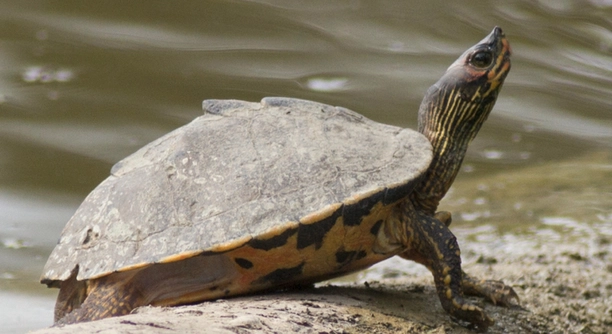
Many pet owners enjoy caring for their Indian roofed tortoises, ensuring they stay healthy and active. However, sometimes it’s easy to overlook the signs of overfeeding, which can affect their well-being in the long run.
Overfeeding an Indian roofed tortoise can lead to weight gain, digestive issues, and overall health problems. Providing a balanced diet with proper portions is essential to maintaining their health and preventing these unwanted consequences.
Learning how to manage your tortoise’s diet is crucial for its longevity and happiness. Keep reading to discover how you can avoid overfeeding and promote your tortoise’s well-being.
Signs of Overfeeding in Your Indian Roofed Tortoise
Overfeeding your tortoise may not always be obvious, but there are clear signs to look out for. One of the first signs is weight gain. Tortoises are naturally slow-moving, so they don’t burn off calories as quickly as other animals. If you notice your tortoise becoming more sluggish, it could be due to extra weight. Another sign is bloating or swollen areas around the body, which might indicate digestive problems caused by excess food. Additionally, some tortoises might refuse food altogether, signaling that their body is not processing the intake properly. Overfeeding can also impact their shell growth. If you notice your tortoise’s shell becoming soft or uneven, it might be because their diet isn’t balanced, with too many high-calorie items. Pay attention to these signs to prevent health issues in the long term.
Overfeeding can lead to several health problems, including obesity and digestive issues. Maintaining a balanced diet is essential for their well-being.
You can easily correct the problem by offering a proper amount of food at regular intervals. Stick to a routine of feeding them fresh vegetables, grasses, and occasional fruits, which keeps their diet varied and nutritious. Proper portion control is key to managing their weight. It’s important to avoid giving them too many treats, like fruit or high-fat food, as these can lead to excessive weight gain. If you’re unsure about the right portion size, it’s always a good idea to consult with a vet to ensure you’re meeting their nutritional needs without overfeeding.
Importance of a Balanced Diet for Your Tortoise
A balanced diet is essential for your tortoise’s health. Offering a variety of fresh, leafy greens and grasses is key to meeting their dietary needs. Overfeeding, especially with foods that are high in sugar or fat, can lead to issues like obesity, shell deformities, and poor digestion.
Feeding them a variety of fresh greens will give them the nutrients they need. Some examples include dandelion greens, collard greens, and clover. You should also include some fibrous vegetables like cactus pads or squash. High-fat and sugary foods, such as fruits, should be limited to occasional treats only.
Along with keeping their diet in check, ensure they have access to fresh water daily. This not only helps with digestion but also keeps them hydrated and prevents any kidney issues. Make sure the water is always clean and accessible, as tortoises are known to drink sporadically but need regular access to water for their health. Overfeeding combined with a lack of exercise can lead to serious health complications, so it’s important to keep their food intake under control and make sure they get enough space to move around. A well-balanced diet and proper care will ensure your tortoise thrives.
Portion Control Is Key for Your Tortoise
It’s easy to overfeed your tortoise, especially if they seem eager to eat. Proper portion control can prevent this. The general rule is to provide an amount of food that’s equal to the size of your tortoise’s shell.
Monitor their eating habits carefully. If you notice they are leaving food behind, you may be offering too much. On the other hand, if they finish their meal quickly, it may be time to adjust the portions. A proper serving will keep them satisfied but not overloaded. Consider cutting back on extra treats like fruits, as they are often high in sugar and can lead to weight gain.
Balancing their food intake is crucial to maintaining a healthy weight. Consistent portion control will also prevent digestive problems. Be mindful of how much you feed them daily, as their activity level may change. Less activity means they need fewer calories. Your tortoise’s long-term health will benefit from keeping track of their portions and adjusting accordingly.
Exercise Helps Balance Diet and Weight
Exercise plays a huge role in maintaining a healthy weight. A tortoise needs space to move around, explore, and exercise. Lack of physical activity can contribute to weight gain, even with a balanced diet.
Provide your tortoise with an area where they can roam and explore freely. This not only helps them exercise but also keeps them mentally stimulated. Regular movement helps prevent obesity and digestive issues. A lack of movement can lead to your tortoise becoming lethargic and potentially developing joint or shell problems.
Encourage daily activity by providing obstacles or different textures to climb over and explore. You can create a stimulating environment that mimics their natural habitat, which will help keep them active and engaged. If they are kept indoors, make sure to allow them time outside in a safe, enclosed space. Exercise is vital in preventing the health issues that come with overfeeding. A balance of food and physical activity will keep your tortoise in top shape.
Signs Your Tortoise Is Becoming Overweight
You may notice your tortoise becoming less active or sluggish if they’ve been overfed. Their movements will slow down, and they may not be as excited about food or play. An increase in weight may be noticeable around their shell or limbs.
If they are gaining weight rapidly, it’s a clear sign of overfeeding. Check for any difficulty in movement, as extra weight can cause stress on their joints. If your tortoise seems less motivated to explore or is constantly resting, it might be time to reassess their food intake.
Impact of Overfeeding on Shell Health
Overfeeding can affect your tortoise’s shell growth. A lack of proper nutrients and the buildup of excess calories can lead to soft or deformed shells. This can cause lasting damage, impacting your tortoise’s ability to move comfortably.
Shell health is a sign of overall well-being. Without proper care and nutrition, overfeeding leads to unhealthy shell development. Avoid giving them fatty foods that may lead to these issues, and stick to a balanced, low-calorie diet to ensure proper shell growth and sturdiness.
Long-Term Health Risks of Overfeeding
Excessive weight gain from overfeeding can lead to long-term health problems for your tortoise. They may experience issues such as metabolic bone disease, respiratory problems, or heart strain. These complications are often a result of a poor diet and lack of exercise.
Feeding your tortoise a balanced diet with appropriate portion control, combined with regular physical activity, is essential to prevent these serious health risks. Overfeeding can have long-lasting effects that are difficult to reverse, so it’s important to catch the signs early and make necessary adjustments to their lifestyle.
FAQ
How often should I feed my Indian roofed tortoise?
Your tortoise should be fed every other day, depending on its age and size. Hatchlings and young tortoises require daily feeding to support growth, while adults can be fed less frequently. However, it’s important to monitor their activity levels and adjust accordingly. Be sure to provide a variety of leafy greens and other plant-based foods to meet their nutritional needs. Avoid overfeeding by giving them only what they can finish in one sitting. If food is left behind consistently, you may be offering too much.
What types of food should I avoid feeding my tortoise?
Avoid feeding your tortoise foods that are high in fat, sugar, or protein. For example, fruits like bananas and grapes should be given sparingly, as they can cause weight gain and digestive issues. Similarly, avoid feeding them dairy products, processed foods, or any foods high in oxalates, like spinach. These foods can lead to kidney problems, digestive distress, and other health concerns. Stick to leafy greens, grasses, and occasional flowers to maintain a healthy diet.
Can overfeeding lead to long-term health problems?
Yes, overfeeding can cause long-term health problems for your tortoise. Excessive weight gain puts stress on their joints, leading to mobility issues. It can also result in shell deformities or metabolic problems. If your tortoise is overfed, it may become lethargic, leading to reduced exercise and further weight gain. Over time, these issues can affect their overall health and lifespan. It’s important to maintain a balanced diet and watch for signs of overfeeding, such as weight gain or sluggish behavior.
How do I know if I’m feeding my tortoise the right amount?
A good rule of thumb is to feed your tortoise a portion size that is about the same size as its shell. If your tortoise is not finishing its meal or leaves food behind consistently, reduce the portion size. If they are eating quickly and seem hungry afterward, consider increasing the portion slightly. Monitor their weight and behavior regularly. If you notice them becoming sluggish or if their shell starts to soften, these could be signs of overfeeding or an improper diet.
Is it okay to give my tortoise treats?
Treats can be given in moderation, but they should not make up a large portion of your tortoise’s diet. Fruits, such as apples or berries, can be given occasionally but should be kept to a small amount due to their sugar content. Likewise, edible flowers like dandelions can be offered as a treat, but they shouldn’t replace the necessary leafy greens. Treats should be seen as an occasional bonus rather than a regular part of their diet to avoid overfeeding.
What are some signs that my tortoise is overfed?
Signs of overfeeding include weight gain, sluggishness, and reduced interest in exploring or moving around. If your tortoise is no longer as active or appears bloated, these are indicators of potential overeating. Their shell might also appear soft or uneven if they are not getting the right balance of nutrients. Overfed tortoises may also refuse food when offered, as their digestive system struggles to handle excessive portions.
Can I feed my tortoise a vegetarian diet?
Yes, tortoises are herbivores, and they thrive on a plant-based diet. Their meals should mainly consist of leafy greens, grasses, and vegetables. Offer a variety of different plants to ensure they get all the necessary vitamins and minerals. Some tortoises may also enjoy flowers like hibiscus or dandelions. However, it’s important to avoid high-protein foods like beans or tofu, as these can disrupt their digestion. A vegetarian diet is suitable as long as it’s well-balanced and includes the right variety of plant matter.
Should I supplement my tortoise’s diet with vitamins or calcium?
Depending on the diet you’re providing, you may need to supplement your tortoise’s food with calcium and vitamin D3. Calcium is essential for healthy shell growth and bone development. It can be sprinkled on their food, especially if they are not getting enough through their diet alone. Vitamin D3 can help with calcium absorption. Be cautious not to over-supplement, as excessive amounts can lead to health issues. Always consult a vet before adding supplements to ensure they are necessary.
How can I help my tortoise maintain a healthy weight?
The key to maintaining a healthy weight is portion control, a balanced diet, and regular exercise. Avoid overfeeding your tortoise by offering proper portion sizes, and provide a variety of greens, grasses, and occasional treats. Regular exercise is crucial, so give your tortoise space to roam and explore. By monitoring their food intake and activity level, you can ensure they stay at a healthy weight. If you notice any signs of weight gain or lethargy, adjust their diet and encourage more movement.
Is it okay to feed my tortoise fruit?
Fruits can be given as a treat, but they should not be a regular part of your tortoise’s diet. Most fruits are high in sugar, which can lead to weight gain and other health issues if consumed too often. If you offer fruit, stick to small portions of low-sugar varieties like apples, strawberries, or pears. Fruits should be considered an occasional indulgence rather than a staple food, with leafy greens and grasses being the primary diet.
Can overfeeding cause digestive issues in my tortoise?
Yes, overfeeding can cause digestive issues in tortoises. If they consume too much food, particularly rich or fatty foods, their digestive system may struggle to process it properly. This can lead to bloating, constipation, or diarrhea. Over time, this can cause discomfort and impact their overall health. To avoid digestive problems, provide appropriate portions and stick to a balanced diet with plenty of fiber from grasses and leafy greens.
What should I do if my tortoise refuses food?
If your tortoise refuses food, it could be a sign of several things, such as stress, illness, or overfeeding. First, check the environment to make sure it’s suitable—temperature, humidity, and light are all important factors. If everything seems in order, consider reducing their food intake to see if that prompts them to eat. If they continue to refuse food, or if other signs of illness appear, it’s best to consult a vet to rule out any underlying health problems.
Can I feed my tortoise the same food every day?
Feeding your tortoise a variety of foods is important for maintaining a balanced diet. While they can have the same leafy greens or vegetables regularly, it’s essential to mix things up to ensure they’re getting a wide range of nutrients. Offer different types of greens, and occasionally introduce edible flowers, grasses, or vegetables. This variety ensures they receive all the vitamins and minerals they need for optimal health.
Final Thoughts
Taking care of an Indian roofed tortoise involves more than just providing food. It’s about balancing their diet and ensuring they get the right amount of nutrition without overfeeding. Overfeeding can lead to health issues like obesity, digestive problems, and even shell deformities. It’s important to keep track of their food intake and adjust portions based on their size, age, and activity level. By offering a variety of leafy greens, grasses, and occasional fruits, you can help maintain a well-rounded diet that supports their long-term health.
In addition to portion control, providing your tortoise with a space to move and explore is key. Exercise plays a vital role in helping them burn calories and maintain a healthy weight. A tortoise that is not physically active is more likely to gain weight quickly, even with a balanced diet. Creating an enriching environment, whether it’s a safe outdoor space or a well-sized indoor enclosure, will encourage your tortoise to stay active and engaged. Remember that a healthy diet combined with regular exercise is the best way to prevent overfeeding and ensure your tortoise’s overall well-being.
By keeping these tips in mind, you can ensure your tortoise lives a healthy, active life. Overfeeding is a common mistake, but it’s preventable. Watch for the signs of weight gain and sluggishness, and adjust their food intake accordingly. Pay attention to their behavior and physical health to make sure they are thriving. With proper care, your tortoise will enjoy a long and healthy life, free from the complications that come with overfeeding. Always remember to consult with a veterinarian if you have concerns about your tortoise’s health or diet.

Hello,
If you enjoy the content that we create, please consider saying a "Thank You!" by leaving a tip.
Every little bit helps us continue crafting quality advice that supports the health, happiness, and well-being of pets around the world, for pets of all shapes, sizes, and species.
We really appreciate the kindness and support that you show us!