
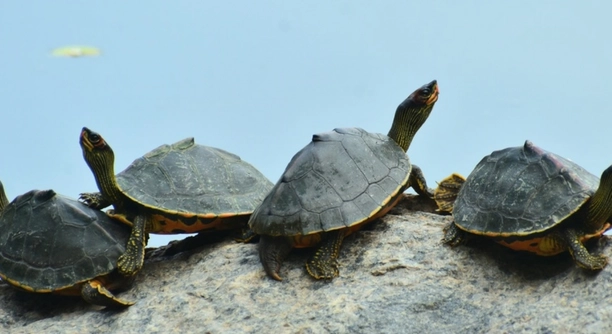
Indian Roofed Tortoises are fascinating pets with unique behaviors. If you’ve noticed your tortoise trying to escape, it might be more common than you think. Understanding this behavior can help ensure a better experience for both you and your tortoise.
The desire to escape in Indian Roofed Tortoises often stems from stress, inadequate living conditions, or natural instincts to explore. Ensuring an enriched environment with proper space, temperature, and hiding spots can help reduce this behavior.
Understanding the reasons behind their escape attempts will allow you to create a better environment and manage their needs. This will help keep your tortoise happy and safe in its home.
Common Causes Behind Your Tortoise’s Escape Attempts
Indian Roofed Tortoises are naturally curious creatures. Their need to explore is strong, and they may try to escape if they feel restricted or uncomfortable. Sometimes, the issue can be a simple lack of space in their enclosure. Tortoises need enough room to roam around, as they are not meant to stay in one place for long periods. If their habitat feels too small or crowded, they will try to escape in search of more space.
Another factor that can lead to escape attempts is the environmental conditions. Temperature and humidity play a big role in their comfort. A tortoise may leave its enclosure in search of a more suitable environment if it feels too hot, too cold, or too dry. You can fix this by ensuring their habitat is properly heated and humidified to mimic their natural surroundings.
Stress can also cause escape attempts. If your tortoise feels threatened, whether from noise, other pets, or handling, it may try to get away. Ensuring a calm and quiet environment can help.
How to Set Up a Better Enclosure
Creating a proper enclosure is key to reducing escape attempts. The size of the tank or habitat should reflect the size of your tortoise, allowing it to move freely without feeling trapped. You should also focus on secure barriers. Tortoises are quite strong and can push through weak enclosures, so be sure that the walls are high enough and that there are no gaps.
An enriching environment can also keep your tortoise occupied and reduce its urge to escape. Adding hides, rocks, or plants for climbing will give your tortoise something to focus on and explore within its home. A well-set-up enclosure will make your tortoise feel more at ease and less likely to try to escape.
Proper Diet and Hydration Matters
Adequate hydration and a balanced diet also play a role in preventing stress. If your tortoise isn’t getting enough water or proper nutrition, it may feel unwell and seek a way out of its enclosure. Offering fresh vegetables, leafy greens, and access to fresh water helps ensure your tortoise stays healthy and satisfied.
If the environment is ideal but escape attempts continue, you might want to check your tortoise’s health more closely. Sometimes, persistent escape behaviors are a sign of discomfort or health issues, so it’s best to consult a vet.
Temperature and Humidity Impact
Temperature and humidity are vital for your tortoise’s well-being. If the habitat isn’t properly regulated, your tortoise will try to escape in search of a better environment. Tortoises are cold-blooded, meaning they rely on external heat to regulate their body temperature.
To keep your tortoise comfortable, create a temperature gradient in its enclosure. One side should be warmer for basking, and the other should be cooler for resting. Also, make sure humidity levels are suitable for your tortoise’s species. Consistent monitoring and adjustments are essential for a stable environment.
A thermometer and hygrometer can help maintain the proper conditions. Tortoises that feel too hot or too cold may seek cooler or warmer spots. This can lead to attempts to escape, as they search for an area that suits their needs. Overheating or drying out can make them stressed, which results in climbing or pushing to get out. Maintaining stable temperatures and humidity will reduce these behaviors.
Natural Behavior and Exploration
Indian Roofed Tortoises are naturally inclined to explore their surroundings. This behavior is driven by their instinct to search for food, water, or even a mate. In the wild, they roam large areas, so when they feel confined, they may try to escape to fulfill these instincts.
Tortoises in captivity need stimulation to reduce their desire to explore outside their enclosure. Providing a large space and creating obstacles for them to climb or hide in will help. Adding variety in terms of textures and plants can mimic natural conditions, making the environment more enjoyable. These simple changes will reduce your tortoise’s urge to escape.
If your tortoise continues to escape despite having ample space and enrichment, it might be a sign of an underlying issue. Even though the exploration instinct is natural, excessive attempts to leave could indicate that the habitat isn’t meeting their needs. Keep watching their behavior for clues.
Anxiety and Stress
Anxiety can make your tortoise restless, leading to escape attempts. Loud noises, unfamiliar people, or other pets can increase stress levels. A calm and quiet environment helps reduce anxiety and prevent these behaviors.
Tortoises are sensitive to their surroundings. Changes in the environment or routine can be overwhelming. Make sure their habitat is in a quiet part of your home, away from constant disturbances. Keeping the enclosure secure and providing hiding places will also make your tortoise feel safer and less likely to escape.
Handling and Overexposure
Frequent handling can stress your tortoise out, causing it to want to escape. Tortoises are independent creatures, and being picked up too often may make them feel threatened.
Try to limit handling and only interact with your tortoise when necessary. Give it time to adjust and explore on its own. This approach will help it feel more comfortable in its environment and reduce any desire to escape.
Boredom and Lack of Stimulation
Boredom is another reason your tortoise may be trying to escape. Without enough to do, your tortoise may search for excitement outside its enclosure. Providing enrichment can keep it engaged.
Try adding new objects to its habitat, such as rocks to climb on, plants to hide under, or tunnels to explore. Changing things up every so often will prevent your tortoise from becoming bored and encourage it to stay content in its home.
FAQ
Why is my tortoise constantly trying to escape?
Tortoises often try to escape when they are stressed, bored, or uncomfortable in their environment. A lack of space, improper temperature, or insufficient enrichment can all lead to these escape attempts. They are naturally curious and will try to leave if their needs aren’t being met. Ensuring your tortoise has enough room, a proper habitat setup, and a calm environment will help reduce these behaviors.
Can my tortoise escape from its enclosure?
Yes, tortoises are surprisingly strong and persistent. They can climb, dig, and push through gaps in their enclosures. If the walls are not high enough or if there are weak points in the barrier, your tortoise may find a way to escape. Be sure to use a sturdy, secure enclosure with no gaps or loose spots to keep your tortoise safe.
How do I know if my tortoise is stressed?
Signs of stress in tortoises include a lack of appetite, excessive hiding, pacing, or digging at the walls of their enclosure. A stressed tortoise might also display erratic movements, hiss, or even become aggressive. If your tortoise is trying to escape frequently, it could be a sign of discomfort or stress. Make sure the temperature, humidity, and enclosure size are ideal to reduce stress levels.
What temperature should my tortoise’s habitat be?
The temperature in your tortoise’s enclosure should range between 75°F and 85°F during the day, with a basking area reaching 90°F to 95°F. At night, the temperature can drop to 65°F to 70°F. Consistency is key, so avoid temperature fluctuations. Using a heat lamp and a thermostat can help maintain a stable environment.
Can my tortoise live in a tank?
While a tank can be used for smaller tortoises, it’s generally not the ideal option. Tanks are often too small for most species, and they lack proper ventilation and space for exploration. If you do use a tank, ensure it is large enough for your tortoise to move around freely. Otherwise, a larger, open-top enclosure like a tortoise table or outdoor pen would be a better choice.
How can I make my tortoise feel more comfortable?
To make your tortoise feel more comfortable, provide a spacious enclosure with places to hide, climb, and explore. Maintain proper temperature and humidity levels, and offer a diet that includes a variety of leafy greens and fresh vegetables. Reducing noise and movement around their enclosure can also help them feel more at ease.
Should I provide water for my tortoise?
Yes, tortoises need access to fresh water at all times. They may not drink a lot of water daily, but they still need it for hydration. Some tortoises also enjoy soaking in water, which helps with hydration and skin shedding. Always provide a shallow dish of water and make sure it’s changed regularly.
What should I feed my tortoise?
Indian Roofed Tortoises are herbivores, so their diet should consist of leafy greens like kale, collard greens, and dandelion leaves. You can also offer vegetables like squash, carrots, and bell peppers. Avoid feeding them fruit too often, as it’s high in sugar. A calcium supplement is also recommended to support their shell growth.
How often should I clean my tortoise’s enclosure?
The enclosure should be cleaned regularly to ensure a healthy environment for your tortoise. Spot clean daily, removing any waste, uneaten food, and soiled bedding. Once a week, do a deeper cleaning by disinfecting the surfaces and replacing the bedding. Keeping the habitat clean prevents bacteria buildup and helps reduce stress.
Can I house multiple tortoises together?
Housing multiple tortoises together depends on the species and their individual personalities. Some tortoises are more territorial and may fight if kept together. It’s important to monitor their behavior closely when introducing a new tortoise to the enclosure. If you notice aggression or stress, separate them immediately to avoid injuries.
What can I do if my tortoise is still trying to escape?
If your tortoise continues to try escaping despite making adjustments to its environment, consider consulting a vet. Persistent escape behavior can sometimes be linked to health issues or underlying discomfort. Additionally, check the enclosure for any weaknesses and ensure that it’s large enough for your tortoise to feel secure.
Why is my tortoise digging so much?
Digging is a natural behavior for tortoises. They dig to create hiding spaces, find food, or burrow in cooler areas. However, excessive digging could indicate that your tortoise is stressed, too hot, or uncomfortable. If your tortoise digs constantly, check the temperature and humidity levels and make sure there are plenty of hiding spots.
Final Thoughts
Understanding why your Indian Roofed Tortoise is trying to escape can help you create a more comfortable environment for it. Tortoises are naturally curious and independent creatures, and it’s important to provide them with an enclosure that allows them to explore while also keeping them safe. Often, the urge to escape is linked to stress, boredom, or discomfort in their habitat. By making sure their space is large enough, secure, and filled with interesting features like hiding spots, climbing areas, and enrichment, you can help minimize escape attempts.
Temperature and humidity play a significant role in your tortoise’s well-being. If the conditions aren’t ideal, your tortoise may try to escape in search of a better environment. A consistent temperature gradient and proper humidity levels are essential for keeping your tortoise happy and healthy. Along with creating the right conditions, make sure that the enclosure is free from disturbances and loud noises. A calm and quiet space will go a long way in reducing your tortoise’s stress and minimizing its need to escape.
Lastly, always observe your tortoise’s behavior and make adjustments to its habitat as needed. If escape attempts continue despite your efforts, it may be a sign that something isn’t quite right, whether it’s a health issue, an environmental factor, or a lack of stimulation. Remember, tortoises are complex creatures with specific needs, and ensuring they have a proper, enriched, and secure environment will make for a happier, healthier pet.

Hello,
If you enjoy the content that we create, please consider saying a "Thank You!" by leaving a tip.
Every little bit helps us continue crafting quality advice that supports the health, happiness, and well-being of pets around the world, for pets of all shapes, sizes, and species.
We really appreciate the kindness and support that you show us!