
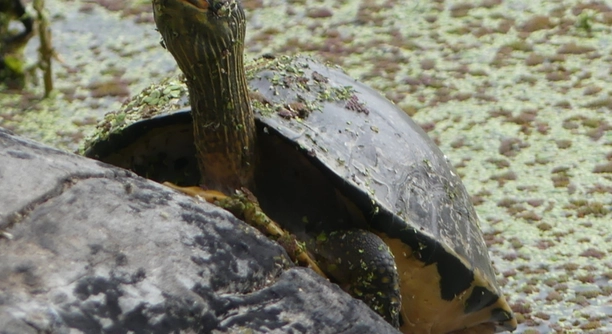
Indian Roofed Tortoises are fascinating creatures, but there are many misconceptions surrounding them. From their diet to their behavior, myths about these turtles are widespread. It’s time to clear up some of the confusion.
The Indian Roofed Tortoise is often misunderstood. Common myths about its diet, habitat, and temperament have caused confusion. For instance, these tortoises don’t require high humidity levels, and their diet isn’t solely made up of leafy greens.
The following article will debunk these myths and shed light on the real needs of Indian Roofed Tortoises. Understanding their true nature is essential for their proper care and well-being.
Myth 1: Indian Roofed Tortoises Only Eat Leafy Greens
Many people believe that Indian Roofed Tortoises can survive on a diet consisting mainly of leafy greens. While they do enjoy these greens, their diet is much more varied. These tortoises are omnivores, meaning they also eat fruits, vegetables, and occasionally small insects. This diverse diet ensures they get all the necessary nutrients to thrive. If you stick only to leafy greens, you could end up depriving them of essential vitamins and minerals. A well-rounded diet is key to their health and longevity.
It’s important to offer a range of food, including fruits like papaya or melon, and vegetables such as carrots or squash. This will keep your tortoise healthy and happy.
If you feed them only one type of food, they may develop nutritional imbalances. Offering variety is the best way to meet their dietary needs. Be sure to monitor what they eat and adjust accordingly, keeping their diet as close to their natural one as possible.
Myth 2: Indian Roofed Tortoises Require High Humidity Levels
It’s a common misconception that Indian Roofed Tortoises need high humidity to survive. These tortoises are adapted to dry, semi-arid environments, and they can tolerate lower humidity levels than many other species. In fact, excessive moisture can lead to respiratory issues or fungal infections.
While they do enjoy a bit of moisture from time to time, like from a shallow water dish or misting, it’s not necessary to keep them in a constantly humid environment. In fact, too much humidity can cause problems for their health, making it important to balance their living conditions.
The key to creating a suitable habitat is offering a warm, dry environment with access to water. Ensure there’s a place for your tortoise to soak but avoid keeping the habitat overly humid. Maintain a proper temperature range and ensure there’s plenty of dry, safe space for them to roam.
Myth 3: Indian Roofed Tortoises Are Aggressive
Some people believe Indian Roofed Tortoises are aggressive and may act out when handled. In reality, these tortoises are generally calm and docile creatures. Like most reptiles, they can become stressed if handled too much, but aggression isn’t a typical behavior for them. They prefer to mind their own business and roam around their enclosure, often hiding in their shell if they feel threatened or stressed.
That said, if a tortoise feels cornered or harassed, it may retreat into its shell or make defensive movements. It’s important to let them feel in control of their environment. Respecting their space and handling them gently will keep them at ease.
Understanding their temperament is key to their care. By recognizing that Indian Roofed Tortoises are not aggressive but rather sensitive, you can create a more peaceful and comfortable home for them. Make sure to avoid stressing them with overhandling, and they’ll thrive.
Myth 4: Indian Roofed Tortoises Only Live in Water
A common misconception is that Indian Roofed Tortoises spend a lot of time in water, but this is far from the truth. While they do enjoy soaking occasionally, they are primarily land-dwelling creatures. Their natural habitat is dry, with areas like grasslands or forests where water is not always easily accessible.
These tortoises need a dry and warm environment for most of their lives. They can drink water and occasionally soak, but they prefer to spend most of their time on land. Providing a large enclosure with dry hiding spots, rocks, and other structures to climb will help mimic their natural habitat.
Excessive water exposure can cause unnecessary stress or health issues. Unlike aquatic species, they do not need a large water tank or constant access to water. Keeping their environment mostly dry, with a shallow water dish for drinking, is ideal. This ensures they feel comfortable and safe while keeping their health in check.
Myth 5: Indian Roofed Tortoises Can’t Live with Other Tortoises
Many believe Indian Roofed Tortoises can’t live with other tortoises, but this isn’t true in all cases. While some tortoises can be territorial, these tortoises tend to be social animals and can peacefully coexist with others. However, it’s important to monitor their behavior and ensure that each tortoise has enough space to move around and establish its own territory.
When setting up a shared enclosure, make sure there are plenty of hiding spots and individual spaces where each tortoise can retreat. Overcrowding is one of the primary causes of stress, so giving them enough room is essential for keeping the peace.
Introducing new tortoises into the same habitat should be done slowly to avoid territorial aggression. If they are given enough space and resources, Indian Roofed Tortoises can live harmoniously with others. Just be cautious when introducing new members to ensure everyone feels secure.
Myth 6: Indian Roofed Tortoises Can Live on Any Substrate
Some people believe that any type of substrate is suitable for Indian Roofed Tortoises, but this is not the case. Choosing the wrong substrate can impact their health. They need a surface that is easy to clean, not too dusty, and allows for proper moisture control.
A good choice is a mix of soil, coconut fiber, and sand, which mimics their natural environment. This type of substrate allows them to dig and burrow, which is a natural behavior. Avoid using materials like cedar or pine shavings, as they can be harmful to tortoises.
Choosing the right substrate is crucial for maintaining proper humidity levels and preventing respiratory issues. Keep their environment dry, but ensure they have access to moisture when needed. Using the proper substrate helps them feel more comfortable and supports their health in the long run.
Myth 7: Indian Roofed Tortoises Don’t Need UVB Light
Indian Roofed Tortoises need UVB light to thrive, just like many other reptiles. UVB is essential for their ability to produce vitamin D3, which helps them absorb calcium. Without it, they can suffer from metabolic bone disease and other health issues.
If kept indoors, it’s vital to provide them with a UVB light source to mimic natural sunlight. This should be placed within a few feet of their basking area to ensure they get enough exposure. Make sure to replace UVB bulbs regularly, as their effectiveness decreases over time.
Myth 8: Indian Roofed Tortoises Don’t Need a Basking Spot
While it’s true that Indian Roofed Tortoises are not as dependent on high heat as some other reptiles, they still need a basking spot. Basking allows them to regulate their body temperature and digest food properly. A basking area should be set up with a heat source that reaches 90°F to 95°F.
FAQ
How long do Indian Roofed Tortoises live?
Indian Roofed Tortoises have a relatively long lifespan. In captivity, they can live anywhere from 30 to 50 years, sometimes even longer with proper care. Factors such as diet, habitat, and overall health play a significant role in determining their longevity. With the right conditions, including a varied diet and a clean, safe environment, they can live a long and healthy life.
What size should the enclosure be for an Indian Roofed Tortoise?
An ideal enclosure size depends on the number of tortoises you have. For a single tortoise, a minimum of 4 feet by 2 feet of space is recommended. If you keep more than one tortoise, you should increase the size accordingly. The more space they have, the happier and healthier they will be. They enjoy roaming and need enough space to feel secure and comfortable.
Do Indian Roofed Tortoises need to be kept indoors?
Indian Roofed Tortoises can be kept indoors or outdoors, depending on the climate in your area. If you’re in a warm, tropical, or subtropical environment, they can live outside in a secure, fenced area. However, if you live in a cooler climate, keeping them indoors with proper lighting and heating is essential for their health. Make sure the indoor enclosure provides enough space and the right temperature and lighting conditions.
What temperature should I keep my Indian Roofed Tortoise’s enclosure?
The temperature for an Indian Roofed Tortoise’s enclosure should range from 75°F to 90°F. They need a warmer basking area with temperatures between 90°F to 95°F to regulate their body temperature. At night, the temperature can drop slightly, but it should not go below 65°F. Proper heating is essential to mimic their natural environment and keep them healthy.
What kind of light do Indian Roofed Tortoises need?
Indian Roofed Tortoises need UVB light to synthesize vitamin D3, which helps them absorb calcium. Without UVB light, they may develop metabolic bone disease and other health issues. If kept indoors, provide them with a UVB bulb that is specifically designed for reptiles. This light should be on for about 10 to 12 hours a day, and it should be replaced every 6 months, as the UVB output decreases over time.
What should I feed my Indian Roofed Tortoise?
Indian Roofed Tortoises are omnivores, so their diet should consist of a variety of fruits, vegetables, and some protein. Offer leafy greens like dandelion greens, mustard greens, and collard greens, along with fruits such as papaya, berries, and melon. They can also eat vegetables like carrots, squash, and bell peppers. Occasionally, you can offer them small amounts of protein, like insects or eggs. Avoid feeding them too much fruit, as it can lead to digestive issues.
Can I feed my Indian Roofed Tortoise commercial pellets?
While commercial pellets may provide some essential nutrients, they should not make up the majority of your Indian Roofed Tortoise’s diet. These pellets often lack the variety of nutrients found in fresh vegetables and fruits. It’s best to offer fresh food as the primary source of nutrition and use pellets as an occasional supplement if needed. Always choose high-quality pellets designed for tortoises to avoid harmful additives.
How often should I feed my Indian Roofed Tortoise?
Indian Roofed Tortoises should be fed daily, especially when they are young. As they mature, you can reduce feeding to every other day. Always offer a variety of food, including greens, fruits, and vegetables. Fresh water should also be available at all times. Keep in mind that their appetite may vary based on their age, size, and activity level.
Do Indian Roofed Tortoises need water?
Yes, Indian Roofed Tortoises need access to clean water at all times. While they don’t require constant soaking, they should have a shallow water dish in their enclosure for drinking and occasional soaking. The water should be changed daily to ensure it remains clean. Some tortoises may drink more than others, so it’s essential to monitor their water intake to ensure they stay hydrated.
How often should I clean my Indian Roofed Tortoise’s enclosure?
You should clean your Indian Roofed Tortoise’s enclosure regularly. Spot clean daily by removing uneaten food and waste. A full cleaning, including changing the substrate and disinfecting the enclosure, should be done every 2 to 3 weeks. Keeping the enclosure clean helps prevent the buildup of bacteria and ensures a healthy environment for your tortoise.
What are the signs that my Indian Roofed Tortoise is sick?
Signs that your Indian Roofed Tortoise may be sick include lack of appetite, abnormal shell appearance, lethargy, wheezing, or difficulty breathing. You may also notice changes in their behavior, such as hiding excessively or not moving around much. If you notice any of these symptoms, it’s important to consult a veterinarian who specializes in reptiles as soon as possible.
Can I handle my Indian Roofed Tortoise?
Yes, you can handle your Indian Roofed Tortoise, but it’s important to do so gently and sparingly. Overhandling can stress them out, so it’s best to let them move around their enclosure at their own pace. When handling them, always support their body fully and avoid picking them up by their shell, as this can cause injury. Keep handling sessions short and calm to prevent stress.
Are Indian Roofed Tortoises good pets for children?
Indian Roofed Tortoises can make good pets for children, provided they are taught how to handle them properly. These tortoises are generally calm, but they still require care and attention. Children should understand that tortoises need their own space and shouldn’t be disturbed too much. With proper supervision, Indian Roofed Tortoises can be a fun and educational pet for children.
Final Thoughts
Indian Roofed Tortoises are wonderful pets that can live a long and healthy life when cared for properly. They have unique needs, such as a varied diet, appropriate lighting, and a warm environment. By understanding their habits and natural behaviors, you can provide them with the best care. Whether kept indoors or outdoors, it’s important to recreate their natural environment as much as possible. Their health and happiness depend on having enough space, the right temperature, and access to clean water.
Debunking the myths around Indian Roofed Tortoises is essential for ensuring they thrive in captivity. Many common misconceptions, like their need for high humidity or that they can live with just leafy greens, can lead to improper care. With a balanced diet, suitable habitat, and proper attention to their individual needs, these tortoises can become a joyful and lasting part of your home. Keeping in mind their specific environmental and dietary needs will help you avoid mistakes and make sure your tortoise stays healthy.
In conclusion, Indian Roofed Tortoises may seem simple to care for, but they require knowledge and attention to detail. Their well-being depends on more than just basic feeding; understanding their lifestyle and natural needs plays a huge role in their happiness and health. If you take the time to learn about their true requirements, these tortoises can become rewarding companions for many years.

Hello,
If you enjoy the content that we create, please consider saying a "Thank You!" by leaving a tip.
Every little bit helps us continue crafting quality advice that supports the health, happiness, and well-being of pets around the world, for pets of all shapes, sizes, and species.
We really appreciate the kindness and support that you show us!