
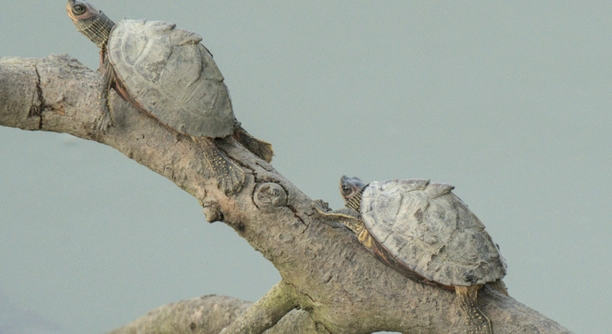
Indian Roofed Tortoises are fascinating creatures that require special care to thrive. One of the most important aspects of their well-being is maintaining a healthy shell. Damage to their shells can affect their health and mobility.
The most common signs of shell damage in Indian Roofed Tortoises include cracks, deformities, discoloration, soft spots, and visible wounds. These issues can arise from injury, poor habitat conditions, or inadequate care, potentially leading to infections.
Paying attention to your tortoise’s shell can help prevent serious issues. Learning to spot the early signs of damage can help ensure your tortoise stays healthy and happy for years to come.
Cracks and Deep Cuts
Cracks and deep cuts on the shell are some of the most visible signs of damage in Indian Roofed Tortoises. These can occur from rough handling, accidents, or a lack of proper space in the tortoise’s enclosure. Over time, these cracks can worsen, leading to permanent damage. If untreated, cracks can become a breeding ground for bacteria, causing infections that could harm the tortoise’s health. It’s essential to closely monitor any visible damage and take prompt action to prevent complications.
A small crack might not seem dangerous at first, but it could deepen with time. It’s important to be vigilant and take action as soon as you notice it.
You can prevent cracks by providing a safe environment for your tortoise, with enough space to roam freely. Always avoid handling them roughly, as even minor falls can cause serious shell damage. In case of deeper cuts, consulting a veterinarian for immediate care is highly recommended. Regularly inspecting your tortoise’s shell for any signs of cracks or damage will help you address issues before they escalate. Keeping the shell clean and dry will also help reduce the risk of infection.
Discoloration and Fading
Discoloration is another common sign of shell damage. If your tortoise’s shell begins to lose its natural color or shows signs of fading, it could indicate poor health or stress. Sunburn or an unbalanced diet may also contribute to this condition.
Tortoises need proper UV lighting and a balanced diet to maintain healthy shells. Poor lighting or improper food can cause malnourishment and weaken the shell over time. Regular exposure to sunlight or UVB lamps is crucial for their overall health. Make sure your tortoise has a diet rich in calcium and other nutrients to avoid shell discoloration. If you notice any changes in color, it’s a sign that your tortoise’s well-being may be at risk. You can prevent further damage by adjusting their diet or providing proper UV exposure.
If discoloration persists despite changes in diet or lighting, seek advice from a veterinarian. Ignoring it can lead to long-term shell deformities, which may require more intensive care.
Soft Spots and Shell Weakness
Soft spots on the shell indicate underlying issues, often linked to poor diet or calcium deficiency. If your tortoise’s shell feels unusually soft, it’s essential to address it quickly. Softness can make the shell more prone to injury and infections.
A healthy tortoise shell should be firm and solid. If you feel soft patches, it may indicate that the shell’s structure is weakening, possibly due to calcium deficiency. Providing a proper calcium supplement and ensuring your tortoise has access to UVB light can help restore shell strength. Soft spots are often a sign that the tortoise isn’t getting the right nutrients, so it’s important to adjust their diet immediately.
In severe cases, untreated soft spots can lead to more extensive damage. You might notice the shell becoming misshapen or weak, making the tortoise more vulnerable to further harm. If the condition doesn’t improve after dietary adjustments, it’s best to consult with a vet for additional treatment options.
Visible Wounds and Infections
Wounds on the shell are a serious concern and should never be ignored. These can result from accidents, fights, or poor living conditions. If untreated, wounds can lead to infections, which are dangerous for your tortoise’s overall health.
When a wound occurs, it’s crucial to clean it gently and apply antiseptic. If the wound is deep or shows signs of infection like swelling or discharge, take your tortoise to a vet. Wounds can sometimes result from rough handling or accidents during outdoor exploration. To prevent this, ensure that their environment is safe and secure. Make sure there are no sharp objects or rough surfaces that could potentially cause injury.
Infections from untreated wounds can spread, leading to long-term health problems. Regular checks for any cuts or scrapes are important. If you notice redness or swelling around a wound, take action immediately.
Shell Deformities
Shell deformities can occur for a variety of reasons, including malnutrition, injury, or genetic factors. These abnormalities can affect the tortoise’s ability to move or protect itself. If left untreated, deformities may worsen over time.
Deformities often show up as uneven growth or irregular shapes. The shell might become misshapen, and the tortoise might struggle to fit inside it. Poor diet, especially one lacking in essential nutrients like calcium, can contribute to these deformities. Proper care, including a balanced diet and sufficient UVB light, is key to preventing these issues.
If deformities become severe, they can lead to lifelong difficulties for your tortoise. In some cases, corrective measures might be necessary to improve the shell’s function or appearance. Early intervention can prevent further complications.
Poor Shell Growth
Slow or stunted shell growth can be a sign that your tortoise is not receiving the proper nutrition. Shell growth is closely linked to the overall health of the tortoise. Without the right diet, their shells may not develop correctly.
Feeding your tortoise a diet rich in calcium, vitamins, and minerals is essential for proper shell development. Ensure they have access to UVB light to aid calcium absorption. A lack of these nutrients can lead to slow or incomplete shell growth, affecting their mobility and health. Regularly check your tortoise’s shell for signs of poor growth.
You can encourage healthy shell growth by offering a variety of fresh foods, like leafy greens and calcium-rich vegetables. Be mindful of any changes in their shell growth patterns to prevent long-term health issues.
Shell Rot
Shell rot is a dangerous condition that can occur when bacteria or fungi infect the shell. It often happens when the shell is kept in damp, unsanitary conditions. The affected areas may become soft, discolored, and smelly. Immediate treatment is crucial.
To prevent shell rot, ensure your tortoise’s habitat is clean and dry. Provide a dry basking area and remove any excess moisture that could encourage fungal or bacterial growth. Regularly clean your tortoise’s shell and check for signs of soft or foul-smelling areas. If shell rot is suspected, seek veterinary care quickly.
FAQ
What causes shell damage in Indian Roofed Tortoises?
Shell damage in Indian Roofed Tortoises can be caused by various factors. Physical injuries from falls, rough handling, or fights with other tortoises are common causes. Poor habitat conditions, like inadequate space, excessive moisture, or rough surfaces, can also contribute. In some cases, shell damage occurs due to malnutrition or calcium deficiency, making the shell more brittle and prone to injury. It’s essential to provide a proper living environment and a balanced diet to prevent these issues.
How can I tell if my tortoise has shell rot?
Shell rot is usually characterized by soft, discolored, and sometimes foul-smelling patches on the shell. These areas may feel spongy or mushy, and the tortoise may show signs of discomfort. If you notice any of these symptoms, it’s important to act fast. Shell rot is caused by bacteria or fungi, often due to poor hygiene or excessive moisture. Keeping your tortoise’s environment clean, dry, and free of waste can help prevent this condition. If you suspect shell rot, visit a vet for treatment.
Can I treat shell damage at home?
Minor shell damage, like small cracks or superficial injuries, can sometimes be treated at home. You can clean the area gently with water, disinfect it with a safe antiseptic, and apply an antibacterial ointment if needed. However, more serious issues, like deep wounds or large cracks, should be evaluated by a veterinarian. Professional care ensures that your tortoise gets the right treatment, avoiding the risk of infections or further damage.
What can I do if my tortoise has soft spots on its shell?
Soft spots on your tortoise’s shell indicate weakness, often due to a calcium deficiency or improper nutrition. To treat this, provide a proper calcium supplement and ensure your tortoise has access to UVB light. UVB helps your tortoise metabolize calcium, which is necessary for a strong, healthy shell. You should also review its diet and add calcium-rich foods like leafy greens. If the condition doesn’t improve, it’s best to consult a vet to rule out any other health issues.
How can I prevent shell damage in my tortoise?
The best way to prevent shell damage is by providing a safe and secure living environment. Ensure that your tortoise’s enclosure has enough space for movement and that it is free of hazards like sharp objects or uneven surfaces. Proper lighting, including UVB lamps, and a balanced diet rich in calcium, vitamins, and minerals are essential for shell health. Regular checks for any signs of injury or illness will also help you catch potential issues early, so they can be treated before they worsen.
What should I do if I notice cracks in my tortoise’s shell?
If you spot cracks in your tortoise’s shell, act quickly. For minor cracks, clean the area with warm water and disinfect it with a gentle antiseptic. You can then apply a healing ointment or antibiotic cream, but avoid using harsh chemicals. If the crack is deep or showing signs of infection, such as swelling or discharge, consult a veterinarian for professional treatment. Cracks can worsen if left untreated, leading to infections that could seriously impact your tortoise’s health. Always keep an eye on the affected area and seek professional help if needed.
How does malnutrition affect the shell of my tortoise?
Malnutrition can have a significant impact on the health of your tortoise’s shell. A lack of essential nutrients, particularly calcium and vitamin D3, can lead to a soft or deformed shell. This is because the shell is made up of hard, bone-like tissue, which requires these nutrients to grow properly. Without adequate nutrition, the shell may become weak, cracked, or misshapen. Feeding your tortoise a varied, nutritious diet that includes leafy greens, vegetables, and appropriate supplements is crucial for shell health.
What are the signs that my tortoise is suffering from an infection in its shell?
Signs of a shell infection can include swelling, redness, pus, or a foul smell coming from the affected area. The shell may feel soft, and the tortoise could show signs of discomfort, such as lethargy or a decrease in activity. In some cases, infections can cause the shell to become discolored or develop lesions. If you notice any of these symptoms, it’s important to seek veterinary care right away to prevent the infection from spreading. A vet will prescribe the necessary treatments, such as antibiotics or antifungal medications, to address the infection.
How can I tell if my tortoise’s shell is growing properly?
Healthy shell growth in tortoises should be gradual and smooth. If the growth is stunted or irregular, it could indicate issues like malnutrition or poor environmental conditions. A well-nourished tortoise will have a shell that grows at a consistent rate, with no bulging, cracking, or soft spots. Regular inspections of your tortoise’s shell can help you spot any problems early. A lack of proper lighting or a poor diet can slow growth, so make sure your tortoise gets enough UVB light and a balanced diet. If you’re concerned about slow growth, it’s best to consult a veterinarian for advice.
Is it necessary to take my tortoise to the vet for shell damage?
Not all cases of shell damage require immediate veterinary attention, especially for minor injuries or cracks. However, if the damage is severe, involves infection, or is not improving with home care, it’s best to consult a vet. A veterinarian can assess the extent of the damage, clean the wound properly, and recommend treatments like antibiotics or bandaging if needed. For ongoing issues, like deformities or soft spots, a vet’s guidance ensures that your tortoise gets the proper care. Preventing long-term damage and complications is always worth the investment in professional care.
Can shell damage heal on its own?
In some cases, minor shell damage may heal on its own if it’s not too severe. However, it’s important to monitor the damage closely and take steps to prevent infections. Keeping the affected area clean, applying appropriate topical treatments, and ensuring your tortoise has a proper diet can support the healing process. For more serious damage, like deep cracks or large wounds, it’s crucial to seek professional help. Timely intervention can prevent complications and help your tortoise recover more quickly.
Can shell deformities be corrected?
Once a shell deformity has occurred, it’s usually permanent. However, some deformities can be managed with proper care to ensure your tortoise remains healthy. For instance, providing a proper diet, adequate UVB lighting, and calcium supplements can help prevent further deformities. In cases where the deformity affects mobility or the tortoise’s health, a veterinarian may suggest treatments to improve its condition or help manage the deformity. Early intervention is key to preventing additional damage and improving your tortoise’s quality of life.
Final Thoughts
Taking care of an Indian Roofed Tortoise requires attention to its overall health, and the shell plays a vital role in its well-being. A healthy shell protects the tortoise from injuries and infections, so any damage should not be ignored. Regular checks for cracks, soft spots, or signs of discoloration are essential. If you spot any issues, it’s important to act quickly to avoid further complications. Simple changes to their diet, habitat, and handling can prevent a lot of common shell problems.
A balanced diet that includes enough calcium, vitamins, and minerals is crucial for maintaining a strong and healthy shell. Without the right nutrition, tortoises are more susceptible to shell deformities and softness. UVB lighting is also essential, as it helps them metabolize calcium properly. Providing a safe and clean environment free from hazards, like sharp objects or excessive moisture, is another way to ensure your tortoise remains in good shape. These simple steps go a long way in preventing shell damage and other health issues.
Shell damage, if not treated properly, can lead to long-term health problems for your tortoise. Whether it’s a small crack or signs of shell rot, addressing the issue early is key to successful treatment. In severe cases, professional help from a veterinarian may be necessary. By staying vigilant and providing the right care, you can help your tortoise live a long, healthy life. Taking preventive measures and learning to recognize the signs of shell damage are the first steps in ensuring your tortoise stays healthy and happy for years to come.

Hello,
If you enjoy the content that we create, please consider saying a "Thank You!" by leaving a tip.
Every little bit helps us continue crafting quality advice that supports the health, happiness, and well-being of pets around the world, for pets of all shapes, sizes, and species.
We really appreciate the kindness and support that you show us!