
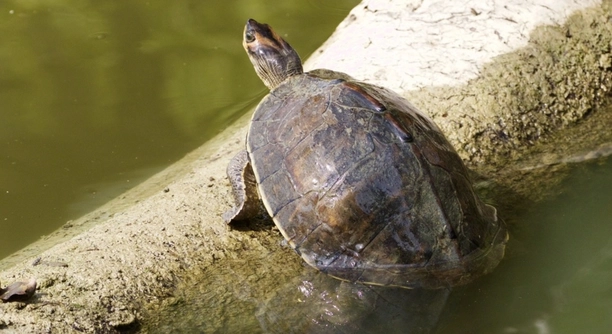
Sometimes, when you see your Indian Roofed Tortoise hiding more than usual, it can leave you wondering what’s going on with it. These creatures often seem shy or quiet, but there’s usually more to it than meets the eye.
Indian Roofed Tortoises often hide due to stress, changes in their environment, or discomfort from temperature extremes. Hiding is a natural instinct to feel safe and secure, especially if they are feeling threatened or unwell.
Understanding your tortoise’s hiding habits is crucial for its well-being. Learning what triggers this behavior can help you provide a better environment and ensure your tortoise stays healthy.
Why Do Indian Roofed Tortoises Hide?
Indian Roofed Tortoises are naturally shy creatures. Their instinct is to hide when they feel unsafe or stressed. A lot of hiding behavior is due to changes in their environment or stress factors. They are also sensitive to temperature and light, so if their habitat feels uncomfortable, they may retreat into a hiding spot. Tortoises tend to hide when they’re adjusting to new surroundings, recovering from illness, or simply to feel secure. This behavior is normal, but it’s important to check if the hiding is due to more than just a need for safety.
The key to understanding why your tortoise is hiding is paying attention to its environment and health. Changes like a new tank, different lighting, or even loud noises can make them feel stressed.
If your tortoise hides for extended periods, consider whether its habitat might be too noisy, too bright, or too cold. It’s also good to assess its overall health. Stress from these factors can lead to long-term hiding behavior, affecting the tortoise’s well-being. A secure, calm, and comfortable environment can often help reduce hiding and encourage your tortoise to be more active.
Is It Something Serious?
Sometimes, hiding can indicate that something is wrong with your tortoise.
If your tortoise hides excessively, it could be ill or injured. A lack of appetite, lethargy, or changes in behavior can point to health problems.
Indian Roofed Tortoises, like many reptiles, are good at hiding their symptoms. Illnesses, injuries, or even infections may not be immediately visible. If your tortoise is constantly hiding, it’s worth checking for signs of health issues. Look for changes in eating habits, droopy eyes, or difficulty moving. A vet check-up is always a good idea if you notice anything unusual.
Pay close attention to any shifts in your tortoise’s behavior. Keeping track of its activity, eating patterns, and physical changes can help you spot early signs of health issues before they become serious. Regular care and routine checks will ensure your tortoise is safe and thriving.
Changes in Temperature and Humidity
Temperature and humidity play a huge role in your tortoise’s behavior. If the conditions are not ideal, your tortoise may hide to avoid discomfort.
Indian Roofed Tortoises prefer warm and consistent environments. If their habitat is too hot or cold, they may seek shelter to regulate their body temperature. A sudden change in temperature can cause stress, making them retreat into hiding spots. Proper humidity is also important; too dry or too damp conditions can affect their comfort.
Make sure to keep the enclosure at the right temperature and humidity levels to avoid unnecessary stress. A reliable thermometer and hygrometer are essential tools for monitoring these conditions. If your tortoise is hiding frequently, checking these factors could provide an easy solution to help it feel safe again.
Environmental Stress Factors
Stress from changes in their environment can cause tortoises to hide more often.
Any major change, like moving to a new tank or adding new decorations, can stress them out. Even rearranging their habitat might be enough to make them retreat. They like stability and can get anxious when their surroundings shift.
Avoid sudden changes and provide a stable environment. If you must rearrange things or introduce new items, do it gradually. Tortoises may take some time to adjust. Creating a safe, familiar space where your tortoise feels comfortable will reduce hiding and help it feel more secure in its home.
Lack of Proper Hiding Spots
If there aren’t enough places to hide, your tortoise may hide more often to feel secure.
Tortoises need a place to retreat and feel safe, away from potential threats. If their habitat lacks proper hiding spots, they might stay in their shell longer than usual. Creating or adding safe hiding spots can reduce stress and make them feel more at ease.
Handling and Interaction
Too much handling or frequent interaction can stress out your tortoise.
Indian Roofed Tortoises can get overwhelmed by excessive handling. Over time, too much attention can lead to stress, making them retreat into their shell more often. It’s important to allow your tortoise to come out and explore on its own.
Health Issues
Illness can also cause your tortoise to hide more frequently.
If your tortoise is hiding due to an underlying health problem, it’s crucial to get it checked by a vet.
FAQ
Why is my Indian Roofed Tortoise hiding so much?
Indian Roofed Tortoises often hide when they feel stressed, uncomfortable, or unsafe. This behavior is natural for them, as they instinctively seek out dark, quiet places to feel secure. Changes in their environment, such as new objects or sudden temperature shifts, can trigger hiding. It’s important to monitor their living conditions, including temperature, humidity, and lighting. If the environment is too hot, cold, or dry, your tortoise may retreat into hiding more often to avoid discomfort. Health issues like pain, illness, or injury can also make them hide, so it’s good to check for any physical symptoms or changes in their behavior.
How can I stop my tortoise from hiding all the time?
To reduce hiding, ensure that your tortoise’s environment is comfortable and stable. Provide hiding spots, but also create an open space where they can feel secure. Ensure the temperature and humidity are within the ideal range for your tortoise. Avoid sudden changes in their habitat, and try to keep interactions calm and gentle. If your tortoise is hiding more than usual, observe if there’s any new stressor, such as a noisy environment, too many people around, or an overcrowded tank. Giving them a routine and a consistent environment will encourage your tortoise to come out more often.
Is my tortoise sick if it’s hiding?
Hiding can sometimes be a sign that your tortoise is unwell, especially if it’s not eating or drinking. Illnesses like respiratory infections or digestive issues can cause tortoises to retreat and become inactive. If your tortoise seems lethargic, has swollen eyes, or shows signs of difficulty breathing, it’s a good idea to get it checked by a veterinarian. A lack of appetite, abnormal droppings, or swelling can also be symptoms of a health issue. Hiding is just one sign, so watch for other changes in behavior that could indicate a problem.
How do I know if my tortoise is stressed?
Stress in tortoises is usually caused by changes in their environment, handling, or diet. Signs of stress can include excessive hiding, not eating, or pacing. A stressed tortoise may also show signs of aggression or seem more withdrawn than usual. Stress can also result from improper temperature or humidity levels in their habitat. If your tortoise is constantly hiding or seems overly anxious, it’s essential to check the environment for any factors that could be causing discomfort. Reducing stress can be as simple as providing a more stable environment and reducing the frequency of handling.
Can I put multiple tortoises together in one enclosure?
While Indian Roofed Tortoises can coexist in the same space, they can also be territorial. It’s important to make sure the enclosure is large enough for multiple tortoises to have their own space. Overcrowding can lead to stress, aggression, and even injuries. If you are housing more than one tortoise, ensure there are enough hiding spots, basking areas, and room to roam without feeling cramped. Also, keep an eye on their behavior, as tortoises can become more reclusive if they feel threatened or crowded. If any fighting or aggressive behavior occurs, it might be best to separate them.
How often should I handle my Indian Roofed Tortoise?
Tortoises don’t need to be handled often. Overhandling can lead to stress, especially if they’re not used to it. It’s best to limit handling to a few times a week, and always be gentle and calm. If your tortoise is hiding or seems stressed, give it space to come out on its own. Regular, gentle handling helps build trust, but excessive handling can make them more anxious. Instead, allow your tortoise to explore its enclosure and come out when it feels comfortable. Creating a stress-free environment where the tortoise feels secure will reduce the need for constant handling.
What should I do if my tortoise isn’t eating?
If your tortoise isn’t eating and is hiding more than usual, there could be a few reasons. Illness is a common cause, so it’s important to watch for signs of disease, such as lethargy or swelling. Environmental factors, like poor temperature or humidity, can also affect their appetite. Make sure their habitat is properly regulated. If the tortoise is still not eating after a couple of days, consult a vet. In some cases, a change in diet, such as introducing fresh greens or adding calcium, might encourage eating. Always make sure that the food is fresh and appropriate for your tortoise’s diet.
Can I use a heat lamp to keep my tortoise warm?
Yes, a heat lamp can be used to keep your Indian Roofed Tortoise warm, but it’s important to monitor the temperature carefully. The basking spot should be around 90°F to 95°F, while the cooler side of the enclosure should stay around 75°F to 80°F. Using a heat lamp that provides UVA and UVB rays is ideal for their overall health, as they help with calcium absorption and vitamin D production. Make sure the heat lamp is placed at a safe distance to avoid overheating or burning your tortoise. Regularly check the temperature with a thermometer to ensure the environment stays balanced.
Should I be worried if my tortoise doesn’t move much?
If your tortoise isn’t moving much and is constantly hiding, it could be a sign of health issues or stress. A lack of movement might indicate that your tortoise is feeling unwell or uncomfortable. Reptiles are cold-blooded and need the right temperature to stay active, so check if the environment is too cold or hot. Additionally, a lack of movement could mean that your tortoise is not getting enough food, water, or exercise. If this behavior continues for more than a few days, a visit to the vet is recommended to rule out illness.
Final Thoughts
Indian Roofed Tortoises are generally calm creatures, but they can hide for several reasons, from feeling stressed to adjusting to environmental changes. Hiding is often their way of coping with discomfort, whether it’s from changes in temperature, new surroundings, or a health issue. It’s important to observe their behavior closely, as this can help you identify what’s causing the hiding. When your tortoise hides, it might just be trying to feel safe, but if it happens frequently or for long periods, it could be a sign of something more serious that requires your attention.
If your tortoise is hiding, consider the factors that could be affecting its comfort. Start by checking the temperature and humidity in its enclosure. Ensure that it has enough hiding spots, as well as space to roam and bask. Changes in its environment, such as new decorations or loud noises, might also trigger hiding behavior. Pay attention to any signs of stress or illness, such as lack of appetite, lethargy, or difficulty moving. These could indicate that your tortoise needs medical care or that the conditions in its habitat need adjustment.
Overall, the key is to keep your tortoise’s environment stable and consistent. Regularly monitor temperature, humidity, and lighting to ensure your tortoise feels safe. While hiding is a natural part of their behavior, excessive hiding or other changes in behavior should be addressed promptly. Taking the time to create a peaceful and secure home for your tortoise will help reduce stress and encourage healthier behavior. If the hiding continues despite making adjustments, don’t hesitate to consult a vet to rule out any health concerns.

Hello,
If you enjoy the content that we create, please consider saying a "Thank You!" by leaving a tip.
Every little bit helps us continue crafting quality advice that supports the health, happiness, and well-being of pets around the world, for pets of all shapes, sizes, and species.
We really appreciate the kindness and support that you show us!