
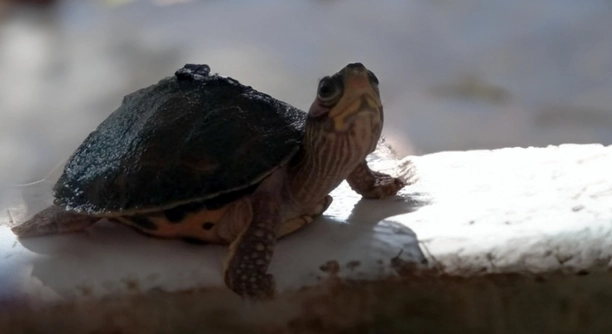
Calcium is essential for your Indian roofed tortoise’s health, playing a key role in maintaining strong bones and a healthy shell. Choosing the right supplement ensures they get the nutrients they need to thrive in captivity.
The best calcium supplements for Indian roofed tortoises are those that provide the necessary minerals for shell growth and bone health. Look for calcium powders or cuttlebones that are easy to incorporate into their diet and safe for them.
In this article, we’ll highlight the top calcium supplements to help you provide the best care for your tortoise.
Why Calcium is Important for Indian Roofed Tortoises
Calcium plays a vital role in keeping your Indian roofed tortoise healthy. Without enough calcium, they can experience serious health issues like soft shells and brittle bones. Calcium helps in bone development, shell hardening, and proper muscle function. A balanced amount of calcium also supports the proper function of their nervous system. Since tortoises cannot produce calcium on their own, they need it from their diet or supplements. In captivity, it’s especially important to ensure they are getting adequate calcium because their natural food sources may not provide enough. Consistent access to calcium-rich foods and supplements can prevent long-term health issues.
Supplementing calcium is often necessary to fill any gaps in their diet. You can offer calcium-rich foods, but it may not always be sufficient. This is where supplements come in, providing a more controlled and reliable way to support their calcium intake. By using supplements, you ensure that your tortoise is getting the proper nutrition, which is crucial for their overall well-being.
The right calcium supplements can support your tortoise’s growth, shell quality, and longevity. Choosing the best options ensures they stay healthy and strong, especially when their diet in captivity lacks natural calcium sources.
Top Calcium Supplements for Indian Roofed Tortoises
Several calcium supplements stand out for their quality and effectiveness. Cuttlebones, calcium powders, and liquid calcium drops are all excellent choices to consider. When selecting a calcium supplement, make sure it is free from harmful additives or excessive phosphorus. The best products are made with natural ingredients that are easy to digest.
One of the most popular options is cuttlebone. It is rich in calcium and provides a natural way to supplement your tortoise’s diet. Cuttlebones can be easily placed in the enclosure, where your tortoise can chew on it. This method helps wear down the beak while providing the necessary calcium. It’s also a great source of additional minerals that support overall health.
Another excellent option is calcium powder. This type of supplement can be sprinkled on your tortoise’s food. Calcium powders are especially effective if you have a finicky eater who might not be interested in chewing on cuttlebone. This makes it an easy and efficient way to ensure they’re getting their calcium without too much effort. Be sure to choose a powder without added vitamin D3 unless you also provide UVB light, as it can cause toxicity when overused.
Cuttlebone: A Natural and Effective Calcium Source
Cuttlebone is one of the most reliable sources of calcium for your Indian roofed tortoise. It’s easy to find and simple to use. It’s a natural calcium supplement, providing your tortoise with minerals essential for shell and bone health.
Cuttlebones are also great for your tortoise’s overall well-being. When placed in the enclosure, they allow your tortoise to chew on them as needed. This natural behavior helps wear down their beak and keep it in good condition. Most tortoises enjoy the texture, making it a great way to promote calcium intake without forcing them to consume it. Cuttlebone is also a cost-effective solution, as a single piece can last for a long time, depending on how much your tortoise uses it.
While cuttlebone is highly beneficial, it should not be your tortoise’s only calcium source. Make sure to balance it with other supplements or foods to ensure your tortoise is getting a full range of nutrients. It’s also important to monitor its usage, as excessive chewing can lead to depletion.
Calcium Powder: A Versatile and Easy Supplement
Calcium powder is an easy and effective way to supplement your tortoise’s diet. Simply sprinkle it on their food, and they will get the necessary calcium without much effort on your part. This supplement is especially useful for tortoises that are picky eaters.
One of the main benefits of calcium powder is its versatility. You can sprinkle it over a variety of foods, such as leafy greens or fruits. Since it doesn’t alter the texture of the food too much, it’s ideal for those tortoises that are hesitant to try new things. Additionally, calcium powder doesn’t require any special handling, making it simple to store and use regularly. Ensure you choose a high-quality powder that doesn’t contain harmful additives like fillers or excessive amounts of vitamin D3.
Calcium powder is also beneficial because it is absorbed quickly, allowing your tortoise to get the full benefit. However, it’s important not to overdo it. Too much calcium powder, especially with added vitamin D3, can lead to imbalances. Use it as part of a varied diet to ensure the health of your tortoise.
Liquid Calcium Supplements: An Alternative Option
Liquid calcium supplements are another effective way to provide your tortoise with essential calcium. They are easy to administer and can be added directly to your tortoise’s water or food. This makes them a simple option for those who don’t want to sprinkle powders or use cuttlebones.
However, liquid calcium supplements can sometimes be less effective than solid options like cuttlebone or powder. This is because your tortoise may not consume enough of the liquid supplement during their daily routine. It’s essential to monitor how much they’re drinking to ensure they get the proper calcium dosage.
While convenient, liquid calcium should be used with caution. Overuse can lead to an imbalance in their diet. Make sure to also provide other sources of calcium to ensure your tortoise gets the full range of nutrients.
Calcium Blocks: Easy to Use and Long-Lasting
Calcium blocks are another great option for your tortoise. These blocks can be placed in the enclosure, and your tortoise can chew on them whenever they need calcium. They’re designed to last a long time, making them a cost-effective solution.
The main benefit of calcium blocks is their durability. They can stay in the enclosure for weeks or even months, giving your tortoise consistent access to calcium. Some blocks also include other trace minerals to support overall health. These are particularly useful if your tortoise is not consuming enough calcium-rich food in their diet.
Make sure to place the calcium block in a spot where your tortoise can easily reach it. Monitor its usage to ensure they’re eating enough of it and not overusing it. Calcium blocks work well as part of a balanced diet and can be combined with other calcium sources for optimal results.
FAQ
What is the best calcium supplement for an Indian roofed tortoise?
The best calcium supplement for your Indian roofed tortoise depends on your tortoise’s preferences and your ability to provide the right options. Cuttlebones are a natural and easy-to-use option, while calcium powders are versatile and can be sprinkled over food. Liquid calcium supplements are convenient, but you should ensure your tortoise consumes enough. Calcium blocks can be left in the enclosure for easy access. It’s important to provide variety to ensure your tortoise receives the right amount of calcium.
How often should I give my tortoise calcium supplements?
Calcium supplements should be given regularly but in moderation. Generally, you should offer calcium every day or every other day. It depends on the food you’re offering. If you feed calcium-rich foods like dark leafy greens regularly, you might not need to supplement every day. Make sure to monitor your tortoise’s diet and adjust calcium intake accordingly.
Can I use vitamin D3 supplements with calcium for my tortoise?
Vitamin D3 is important for calcium absorption, but it should be used carefully. If your tortoise has access to proper UVB lighting, they can synthesize their own vitamin D3 from sunlight. Over-supplementing with D3, especially in combination with calcium supplements that already contain D3, can lead to toxicity. If you’re not using UVB lighting, vitamin D3 supplements might be necessary, but it’s best to consult a vet for proper dosages.
How can I tell if my tortoise is getting enough calcium?
Signs that your tortoise may not be getting enough calcium include soft or deformed shells, difficulty moving, and weakness. Tortoises with calcium deficiencies might also experience metabolic bone disease, which can cause bones to become brittle or fragile. Regular check-ups with a vet and monitoring your tortoise’s health can help ensure they are getting the proper nutrients.
Can I over-supplement calcium for my tortoise?
Yes, over-supplementing calcium can be harmful. Too much calcium can lead to kidney issues, constipation, and other health problems. It’s essential to provide the right balance. Always follow the recommended dosage on supplements and keep track of the total calcium intake, including what is naturally occurring in their food.
Are there any natural food sources of calcium for my tortoise?
Yes, many foods are naturally rich in calcium. Leafy greens like kale, collard greens, and dandelion greens are great sources. Some vegetables, such as broccoli and turnip greens, also contain calcium. Be sure to offer a variety of calcium-rich foods to give your tortoise a well-rounded diet. However, even with good food choices, supplements may still be necessary to ensure they’re getting the right amount.
How can I make sure my tortoise eats enough calcium?
To ensure your tortoise is eating enough calcium, offer calcium-rich foods regularly and add calcium supplements to their diet. You can sprinkle calcium powder on their food or place a cuttlebone in their enclosure. Monitor how much they consume and adjust their diet if necessary. Some tortoises might be hesitant at first, so experimenting with different forms of calcium may help.
Is calcium essential for a tortoise’s shell health?
Yes, calcium is crucial for shell health. It helps to maintain the shell’s hardness and shape, preventing soft or malformed shells. Without enough calcium, a tortoise’s shell can become thin, brittle, or deformed. This can make them vulnerable to injury and other health problems. Ensuring that they get enough calcium will keep their shell strong and healthy.
Can I use calcium supplements intended for other animals?
It’s best to use supplements designed specifically for reptiles, as they are formulated for the unique needs of tortoises. Supplements made for other animals may not have the correct ratios of calcium and other nutrients that tortoises need. Always read the labels and ensure the supplement is appropriate for reptiles before use.
What other supplements should I provide for my tortoise?
Along with calcium, tortoises also need other vitamins and minerals to stay healthy. Vitamin A is important for eye health, while vitamin E supports the immune system. A good UVB light source is also necessary for proper calcium metabolism. Occasionally, you might need to supplement with multivitamins designed for reptiles, but consult your vet before adding any new supplements to their diet.
How do I know if my tortoise is suffering from calcium deficiency?
Symptoms of calcium deficiency in tortoises can include a soft shell, a sunken or deformed shell, difficulty moving, and swelling in the legs. You may also notice that your tortoise has trouble lifting its head or seems unusually lethargic. If you notice any of these signs, consult a vet for guidance and check your calcium supplementation routine.
What are the risks of giving too much calcium to my tortoise?
Excessive calcium can lead to kidney problems, dehydration, and digestive issues. In severe cases, it may cause metabolic bone disease. It’s essential to find the right balance of calcium in your tortoise’s diet to avoid these risks. Regularly monitoring your tortoise’s health and adjusting calcium supplementation as needed will help ensure they stay safe and healthy.
Can my tortoise get calcium from its environment?
While tortoises can get some calcium from their environment, such as from eating calcium-rich plants or drinking water with calcium, it’s not always enough. In captivity, they may not have access to these natural sources, so you should supplement their diet to ensure they’re getting adequate calcium. Using cuttlebone or other calcium supplements is the best way to guarantee they get enough.
Can I use a calcium supplement that contains phosphorus?
Calcium supplements that contain phosphorus are generally not recommended for tortoises. Phosphorus competes with calcium for absorption, so it can interfere with proper calcium utilization. It’s best to choose a calcium supplement that is free from phosphorus, ensuring that your tortoise gets the full benefit of the calcium it contains.
Final Thoughts
Calcium is essential for the health and well-being of your Indian roofed tortoise. It plays a key role in maintaining strong bones and a healthy shell. Without proper calcium intake, your tortoise can suffer from serious health issues, such as a soft or deformed shell, and even metabolic bone disease. While a natural diet can provide some calcium, it is often not enough in captivity, so supplements are necessary to ensure they are getting the right amount.
There are several types of calcium supplements available, each with its benefits. Cuttlebone is a natural and easy-to-use option, while calcium powders can be sprinkled on food for added convenience. Liquid calcium supplements are another option, though they require careful monitoring to ensure your tortoise gets enough. Calcium blocks are durable and provide a long-lasting source of calcium in the enclosure. Each supplement has its pros and cons, and the best choice will depend on your tortoise’s preferences and your ability to provide them with the right nutrients.
Remember to avoid over-supplementing, as too much calcium can cause health problems as well. It’s essential to balance calcium supplementation with a proper diet, which includes calcium-rich foods like leafy greens. Regular monitoring of your tortoise’s health and calcium intake is necessary to ensure they are receiving the right nutrients. By providing a variety of calcium sources and paying attention to their diet, you can help support the long-term health of your tortoise.

Hello,
If you enjoy the content that we create, please consider saying a "Thank You!" by leaving a tip.
Every little bit helps us continue crafting quality advice that supports the health, happiness, and well-being of pets around the world, for pets of all shapes, sizes, and species.
We really appreciate the kindness and support that you show us!