
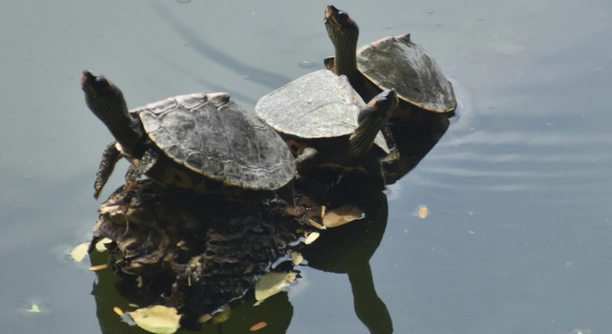
Are your Indian Roofed Tortoises acting differently lately? Stress can affect your pet in many ways, and understanding the signs is essential to keeping them healthy and happy.
When an Indian Roofed Tortoise is stressed, it can display certain behaviors like hiding more than usual, reduced appetite, or aggression. Identifying these signs early can help prevent long-term health issues.
Addressing stress in your tortoise is key to their well-being. By recognizing the signs, you can create a more comfortable environment to help them thrive.
1. Common Signs of Stress in Your Indian Roofed Tortoise
Stress in Indian Roofed Tortoises can be caused by various factors, including changes in their environment, diet, or handling. Common signs of stress are decreased activity, unusual hiding, or changes in eating habits. Stress can also manifest through aggression, where your tortoise may become more defensive or even attempt to bite. If these behaviors last for more than a day or two, it’s important to take action.
A stressed tortoise may spend more time hidden, avoiding normal activities. You might notice they aren’t as responsive as usual. It’s crucial to monitor how long these changes last.
Long-term stress can severely affect your tortoise’s health. Stress can suppress their immune system and make them more vulnerable to diseases. Keeping track of any unusual behavior and promptly addressing the root cause is essential for their well-being. If you suspect stress, try to make their environment more comfortable, ensuring they feel safe and secure.
2. Temperature and Humidity Issues
Changes in temperature or humidity are one of the most common stress factors.
Indian Roofed Tortoises thrive in warm, humid environments. If the temperature in their enclosure drops or if humidity levels fluctuate, they can become stressed. These tortoises need a basking area around 90°F and a cooler side between 75-85°F. Proper humidity is crucial to prevent dehydration and respiratory problems.
Maintaining a steady and appropriate temperature range ensures your tortoise stays comfortable. You can monitor the humidity using a hygrometer, making adjustments with a misting system or water bowls. If the air is too dry, their skin can become flaky, and dehydration can set in. Likewise, if the temperature drops too low, they may become lethargic and refuse to eat. Keep a close eye on these factors to avoid stress-related health issues.
3. Improper Diet and Stress
A poor diet is another common cause of stress in tortoises.
Indian Roofed Tortoises need a balanced diet, consisting mainly of grasses, leafy greens, and occasional fruits. Lack of variety or nutritional imbalances can lead to stress, affecting their energy and overall behavior. Providing fresh, pesticide-free food helps keep them healthy and happy.
Feeding the wrong food, like too much fruit or processed items, can result in digestive problems and stress. A high-calcium diet is especially important for their shell and bone health. You should also offer them food in a calm, quiet space where they can eat without distractions. Regularly check their diet for variety and balance to reduce stress. You may also consider adding vitamin and mineral supplements to improve their nutrition.
4. Inadequate Space for Movement
Tortoises need plenty of space to roam, stretch, and explore. Without enough room, they may become stressed or even develop physical health issues.
If their habitat is too small, your tortoise might feel confined and become less active. This can lead to frustration, depression, or aggression. It’s important to provide enough space for them to move freely, as they are naturally active creatures. A larger enclosure will allow them to maintain their physical health and mental well-being. A good rule of thumb is to provide at least 4 square feet of space for each tortoise.
Tortoises also enjoy burrowing and climbing, so make sure the space is enriched with these elements. Adding rocks, hides, or logs can simulate a more natural environment. Avoid overcrowding multiple tortoises in a small space, as this can increase stress due to territorial behavior. Even if your tortoise seems comfortable, give them the room they need to explore, helping them stay healthy and stress-free.
5. Frequent Handling and Stress
Handling your tortoise too often can lead to stress. Tortoises are not the most social animals and may feel threatened when picked up regularly.
While it’s okay to interact with your tortoise, excessive handling can cause anxiety. Tortoises feel safest when left to roam and explore their environment on their own terms. If your tortoise appears stressed after being handled, such as hiding or becoming defensive, reduce the amount of time spent interacting. Always allow them to approach you instead of forcing contact.
If handling is necessary, be gentle and support their entire body to avoid injury. Limit handling sessions to short, calm periods. By respecting their space, you’ll help reduce stress and maintain a trusting bond with your tortoise.
6. Unfamiliar Sounds and Movements
Loud noises and sudden movements can startle your tortoise and cause stress. These disturbances can make them feel unsafe in their environment.
Tortoises are sensitive to their surroundings. Sudden loud sounds or fast movements can trigger fear responses. This could lead to hiding, decreased activity, or defensive behavior. It’s important to keep their habitat calm and quiet, away from high-traffic areas or noisy machinery.
Allow your tortoise to feel secure in its space, ensuring it remains a peaceful place where it can feel safe and relaxed.
7. Lack of Proper Lighting
Your tortoise needs proper lighting to stay healthy. Without it, their stress levels may increase.
Lighting is essential for regulating their day-night cycle. Tortoises rely on natural sunlight or UVB lighting to absorb necessary vitamins. Lack of proper lighting can cause them to become sluggish, lose appetite, or even develop health issues like metabolic bone disease. Make sure to provide a balanced light source and replace bulbs regularly.
FAQ
How can I tell if my Indian Roofed Tortoise is stressed?
Stress in Indian Roofed Tortoises can show up in different ways. Common signs include hiding more than usual, lack of appetite, decreased activity, or aggression. If your tortoise seems more defensive, tries to bite, or avoids interaction, stress may be the cause. Keep an eye on their behavior and environmental changes. These signs often point to discomfort or anxiety. If you notice them, try to identify what might be causing the stress and make adjustments accordingly.
What causes stress in an Indian Roofed Tortoise?
Several factors can cause stress, such as improper temperature, humidity, handling, or even the size of the enclosure. A sudden change in their environment can be unsettling for your tortoise, leading to stress. If the tortoise feels unsafe or uncomfortable, stress can result. For example, low or high temperatures in their enclosure, overcrowding, or being handled too frequently can all be stress triggers. Even excessive noise or bright, flashing lights may upset your tortoise.
Can my tortoise get stressed by being in a small enclosure?
Yes, small enclosures can stress your tortoise. Tortoises need enough space to roam and explore. If they’re confined to a too-small area, they can become agitated, leading to stress. Overcrowding is another issue that can stress your tortoise. Make sure their enclosure is spacious enough for them to move around comfortably. Ideally, each tortoise should have a minimum of 4 square feet of space. The more room you provide, the happier and less stressed your tortoise will be.
What kind of diet helps reduce stress in my tortoise?
A balanced and varied diet can play a significant role in reducing stress. Indian Roofed Tortoises require a diet that includes leafy greens, grasses, and occasional fruits. Avoid overfeeding them fruit or processed foods, as these can lead to health problems like digestive issues. Ensure they have access to fresh, pesticide-free food. A proper diet provides essential nutrients and supports your tortoise’s immune system, helping them stay healthy and less stressed. Including calcium-rich foods is also important for shell and bone health.
Is too much handling bad for my tortoise?
Yes, too much handling can stress your tortoise. While occasional interaction is fine, tortoises are not as social as other pets and may feel threatened when handled too much. If you pick them up too often or too roughly, they can become anxious, leading to stress. It’s important to respect their need for personal space. Only handle them when necessary, and always be gentle and calm. If your tortoise shows signs of distress, such as trying to escape or hide, it’s a good idea to reduce handling and let them have more time in their environment.
How does temperature affect my tortoise’s stress levels?
Temperature plays a major role in your tortoise’s stress levels. Indian Roofed Tortoises require a warm environment to thrive. The basking area should be around 90°F, and the cooler side of the enclosure should be between 75-85°F. If the temperature drops too low or gets too high, your tortoise may become lethargic or stressed. Make sure to monitor the temperature regularly using a thermometer and adjust the heating as needed. It’s essential to maintain consistent temperatures to avoid stress-related health issues.
Can I help my stressed tortoise feel better by adding hides or shelters?
Yes, providing hides and shelters in the enclosure can help reduce stress. Tortoises, like many reptiles, feel secure when they have a place to hide and retreat to. Adding caves, logs, or other sheltered spots within the enclosure allows your tortoise to escape when they feel threatened or stressed. These hiding places help them feel safe, offering a break from any environmental stressors. Ensure the hideouts are large enough for your tortoise to comfortably fit inside.
Is it normal for my tortoise to hide a lot?
It’s normal for tortoises to hide occasionally, but if your tortoise is hiding all the time, it could be a sign of stress. Frequent hiding may indicate that your tortoise is feeling unsafe, anxious, or uncomfortable. Pay attention to any changes in their behavior, temperature, or diet. If they hide more than usual, it could be time to reassess their environment and make necessary adjustments, such as improving the enclosure’s lighting or temperature, or offering more space.
How does humidity affect my tortoise’s stress?
Humidity is a crucial factor for your tortoise’s health. Indian Roofed Tortoises come from regions with high humidity, so they need their enclosure to maintain a humidity level of around 60-80%. If the air is too dry, it can cause dehydration, skin problems, and even respiratory issues. Low humidity levels can also increase stress as your tortoise struggles to regulate its body temperature. Use a hygrometer to measure the humidity in the enclosure, and adjust it using a misting system or water sources if needed.
What can I do to help my tortoise if it’s stressed?
To reduce stress, start by evaluating your tortoise’s environment. Make sure the temperature and humidity levels are appropriate, and ensure there’s enough space for movement. Minimize handling and avoid sudden loud noises. Offer a balanced, nutritious diet with plenty of leafy greens and fresh water. Adding shelters, hides, and enrichment in the enclosure can also help your tortoise feel safer and more comfortable. If the stress continues, or if your tortoise shows signs of illness, it’s important to consult a vet.
Final Thoughts
Stress in Indian Roofed Tortoises is something every owner should take seriously. These reptiles rely on a stable and comfortable environment to stay healthy. If they experience stress, it can lead to long-term health issues or behavioral changes. Recognizing the signs of stress early is important, as it gives you the opportunity to make adjustments before any serious problems arise. Simple changes like adjusting the temperature, offering more space, or providing a balanced diet can make a big difference in your tortoise’s well-being.
Understanding the causes of stress is just as important as knowing how to address it. Whether it’s improper lighting, inadequate space, or too much handling, each factor can affect your tortoise in different ways. Being aware of your tortoise’s needs and providing a safe and quiet environment will help them thrive. Avoid making sudden changes to their habitat and ensure they have a routine. This stability is key to keeping stress levels low and promoting a happier, healthier tortoise.
Remember that every tortoise is unique, and what works for one might not work for another. Pay attention to your tortoise’s behavior and make small adjustments as needed. By keeping their living conditions ideal and giving them the right amount of attention, you can reduce stress and ensure they lead a long and happy life. If stress continues despite your efforts, it’s a good idea to consult a veterinarian who specializes in reptiles. They can offer guidance and check for any underlying health issues that may be contributing to the stress.

Hello,
If you enjoy the content that we create, please consider saying a "Thank You!" by leaving a tip.
Every little bit helps us continue crafting quality advice that supports the health, happiness, and well-being of pets around the world, for pets of all shapes, sizes, and species.
We really appreciate the kindness and support that you show us!