
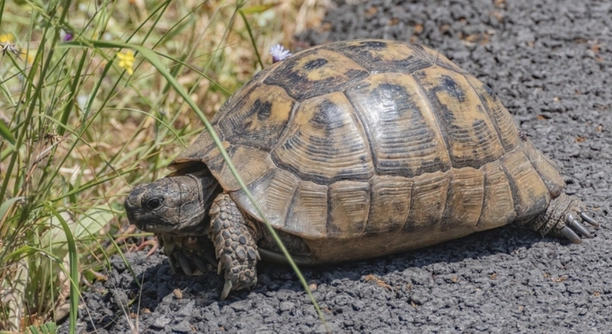
Greek tortoises are wonderful companions, and keeping them healthy is key to ensuring they live long, happy lives. One concern that many tortoise owners notice is the development of ridges on their pet’s shell.
Ridges on a Greek tortoise’s shell can develop due to various factors, including poor diet, dehydration, insufficient UVB exposure, or genetic issues. These ridges may also be a sign of shell rot or other health problems that need attention.
Understanding why these ridges appear can help you care for your tortoise more effectively. Identifying the causes early is crucial in preventing long-term damage to your pet’s shell.
Poor Diet and Nutrition
A poor diet is one of the leading causes of ridge formation on your tortoise’s shell. Greek tortoises need a balanced diet rich in fiber and calcium to maintain their shell’s health. When they don’t receive the right nutrients, it can result in deformities or ridging. Diets lacking in essential vitamins and minerals, particularly calcium and vitamin D, can lead to brittle shells or abnormal growth patterns.
Feeding your tortoise a diet high in greens like dandelion leaves, kale, and other leafy vegetables will ensure they get the nutrients they need. Supplementing with calcium and vitamin D can be helpful, especially if your tortoise has limited sun exposure.
It’s important to avoid feeding your tortoise foods that are high in protein, like meat or processed foods, as these can cause more harm than good. A varied and proper diet supports your tortoise’s shell and overall health, helping prevent issues like ridges from forming in the first place.
Dehydration
Dehydration can also contribute to the development of ridges. Tortoises need a steady supply of fresh water to stay hydrated. Without enough water, they may develop health issues, including shell problems. Make sure your tortoise has access to clean water at all times and is regularly soaked in shallow water to keep hydrated.
Keeping a tortoise hydrated is just as crucial as providing a proper diet. A consistent water source helps prevent dehydration, keeping your tortoise healthy.
Lack of UVB Exposure
UVB light is essential for the proper growth of your tortoise’s shell. Without it, your tortoise may develop soft or uneven shell growth. Greek tortoises need to be exposed to UVB light daily to properly metabolize calcium and maintain strong, healthy shells. Without UVB exposure, they can suffer from metabolic bone disease.
UVB rays help convert calcium in their diet into a usable form. Without this conversion, the tortoise’s shell and bones become weak, leading to deformities or ridges. An inadequate amount of UVB light can also make your tortoise more prone to infections and shell rot.
It’s essential to provide your tortoise with a proper UVB light source, especially if they live indoors. Make sure the light is positioned correctly and replaced regularly to maintain proper UVB levels. Outdoor tortoises can still suffer from low UVB levels, especially in areas with heavy cloud cover or pollution.
Shell Rot and Infections
Shell rot and other infections can lead to visible damage, including the development of ridges. Bacteria or fungi entering damaged areas of the shell cause this condition. Without prompt treatment, shell rot can spread, causing further deformity.
A tortoise’s shell is tough, but it can still be susceptible to infections if not kept clean. Ensure your tortoise has access to a clean, dry environment. Regularly check for signs of shell damage or rot, like soft or discolored areas. When shell rot begins to form, it can disrupt the growth pattern of the shell, leading to ridges.
If you notice any signs of shell rot, take action immediately. Consult a veterinarian for the right treatment to prevent permanent damage. Keeping the shell clean and providing proper care will go a long way in preventing this issue from affecting your tortoise.
Genetic Factors
Some Greek tortoises may naturally develop ridges due to their genetics. Genetic factors can influence the growth patterns of their shells, leading to uneven or ridged growth. These ridges are often harmless and a part of your tortoise’s natural development.
While genetic factors are out of your control, it’s important to monitor your tortoise’s overall health. If you notice excessive or rapid changes in the shell, a vet’s advice may still be useful. Regular check-ups can ensure that any genetic issues don’t lead to other health concerns.
Inadequate Space or Activity
A tortoise that is kept in an overly confined space may experience poor shell growth. If your tortoise is not able to move around freely, it may develop ridges due to stress or limited physical activity. This can impact its overall development and health.
Tortoises need room to roam, climb, and dig, which helps them stay physically active. A lack of space can result in improper shell development, including ridges that are difficult to correct. Providing adequate space encourages natural movements, helping your tortoise grow and thrive.
Temperature Fluctuations
Temperature changes in your tortoise’s habitat can lead to stress, which can affect its shell. Constantly fluctuating temperatures, especially in indoor environments, can result in slow or uneven growth. These conditions may cause ridges to form along the shell.
Maintaining a stable temperature in your tortoise’s environment will support healthy growth. Make sure the habitat has a proper heat gradient, with a warm basking spot and cooler areas for resting. Sudden shifts in temperature can cause stress and disrupt normal shell development.
FAQ
Why is my Greek tortoise’s shell growing unevenly?
Uneven shell growth in a Greek tortoise can be due to several reasons, including poor diet, dehydration, inadequate UVB exposure, or health issues like shell rot. If your tortoise is not receiving enough calcium or vitamin D, the shell may not grow evenly, leading to irregularities or ridges. Ensuring a proper diet rich in greens, along with adequate UVB light, can help support even growth. If the issue persists, it’s essential to have your tortoise checked by a veterinarian to rule out other underlying health problems.
How can I prevent ridges from forming on my tortoise’s shell?
To prevent ridges from forming, you must provide a balanced diet that includes sufficient calcium and vitamin D, along with regular access to UVB light. Hydration is equally important, so make sure your tortoise always has fresh water available and is soaked regularly to stay hydrated. Keep their habitat clean and provide plenty of space for exercise. A well-maintained environment with proper lighting, temperature, and humidity will help prevent shell deformities from developing in the first place.
Can stress cause ridges on a tortoise’s shell?
Yes, stress can contribute to abnormal shell growth, including the formation of ridges. Stress can occur due to improper housing, lack of space, environmental changes, or even poor socialization. If a tortoise feels stressed, it may not grow as it should, leading to uneven shell development. It’s crucial to create a calm and stable environment for your tortoise with proper temperature, humidity, and space. Regular handling and attention to their needs can help minimize stress and support healthy growth.
Is it normal for a tortoise’s shell to have small ridges?
Small ridges on a tortoise’s shell may be normal, especially if the tortoise is growing. These ridges can appear as part of the natural growth process and are typically harmless. However, if the ridges become more pronounced or are accompanied by other symptoms like discoloration, softness, or a foul smell, this could indicate a health problem like shell rot or dehydration. Keeping an eye on these changes and maintaining proper care will help prevent further issues. If you’re concerned, it’s best to seek veterinary advice.
Should I be concerned if my tortoise’s shell is becoming soft?
Yes, a soft shell can be a sign of a serious issue, such as metabolic bone disease (MBD), which often results from inadequate calcium and UVB exposure. When the shell becomes soft or spongy, it indicates that the tortoise’s bones and shell are not getting the right nutrients. To address this, ensure that your tortoise is getting enough calcium and vitamin D, and provide access to proper UVB light. If the condition persists or worsens, a visit to the vet is essential for diagnosis and treatment.
Can a tortoise’s shell grow back if it’s damaged?
If a tortoise’s shell is damaged, it will not “grow back” in the sense of completely regenerating the lost tissue. However, the shell can continue to grow around the damaged area, and with proper care, it may heal over time. Small cracks or chips may fill in naturally as the tortoise grows, but more significant damage requires veterinary intervention. If the damage involves infection, such as shell rot, immediate treatment is crucial to prevent further complications. Always monitor the healing process and provide the necessary care for your tortoise’s recovery.
Is shell rot common in Greek tortoises?
Shell rot is not uncommon in Greek tortoises, especially if they are not kept in a clean, dry environment. This condition occurs when bacteria or fungi invade a damaged area of the shell, leading to infections. Shell rot can progress quickly, causing soft spots, discoloration, and a foul odor. To avoid shell rot, make sure your tortoise’s habitat is hygienic and dry. Regularly inspect their shell for any signs of damage or infection and treat any issues promptly. If you suspect shell rot, consult a veterinarian immediately to prevent further damage.
Can I fix ridges on my tortoise’s shell?
Ridges on your tortoise’s shell cannot be “fixed” once they’ve formed. However, you can help your tortoise’s shell grow more evenly by providing a proper diet, UVB lighting, and hydration. If the ridges are a sign of an underlying health issue, such as dehydration or a calcium deficiency, addressing the root cause may prevent further deformities. In some cases, if the ridges are a result of a previous infection or poor diet, they will not go away completely, but they won’t worsen as long as proper care is given.
Can a tortoise’s shell become too thick?
A tortoise’s shell can become thicker if the animal is not receiving the right nutrients, particularly calcium, or if it is growing too rapidly due to poor diet. Over time, excessive growth can result in abnormal thickening, which may lead to difficulty in movement or health complications. It is essential to maintain a balanced diet and provide proper UVB exposure to avoid abnormal shell growth. If you notice any unusual thickening, it’s important to consult a veterinarian to determine the cause and ensure the tortoise’s health.
Why does my tortoise have black spots on its shell?
Black spots on a tortoise’s shell may indicate a fungal or bacterial infection, particularly if they are accompanied by other signs like softness or odor. However, black spots can also appear naturally, especially as a tortoise ages, without being a cause for concern. If the spots are new, growing, or accompanied by other symptoms, it’s essential to consult a vet for an accurate diagnosis. Regular shell maintenance and keeping the tortoise’s environment clean can help prevent infections and other issues.
Taking care of a Greek tortoise involves understanding the various factors that can affect their shell health. The development of ridges on their shell can be a sign of different underlying issues, such as poor diet, dehydration, lack of UVB light, or even infections like shell rot. Recognizing these early signs and understanding what could be causing them is important for addressing the problem before it worsens. Regular monitoring and proper care are key to ensuring your tortoise grows healthy and strong.
By providing a balanced diet that includes the necessary vitamins and minerals, such as calcium and vitamin D, you can help prevent many of the issues that cause abnormal shell growth. It’s also important to keep your tortoise hydrated, as dehydration can lead to deformities. Ensuring that your tortoise gets enough UVB light is essential, especially if they live indoors. A proper setup with the right lighting, temperature, and space will support their overall health, including their shell.
In some cases, ridges may simply be a result of genetics or natural growth, and while they might not require treatment, keeping an eye on them is still important. If the ridges are more pronounced or accompanied by other signs of illness, it’s best to consult a veterinarian. With the right care, most health problems related to shell development can be avoided or treated. Understanding the root causes of shell issues and addressing them promptly will help ensure that your tortoise stays healthy for years to come.

Hello,
If you enjoy the content that we create, please consider saying a "Thank You!" by leaving a tip.
Every little bit helps us continue crafting quality advice that supports the health, happiness, and well-being of pets around the world, for pets of all shapes, sizes, and species.
We really appreciate the kindness and support that you show us!