
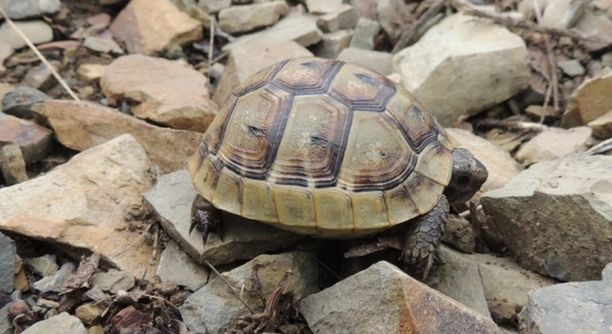
Greek tortoises are known for their hardy nature, but they can still be sensitive to temperature changes. If you suspect your tortoise might be overheating, it’s important to recognize the signs early to ensure their well-being.
Overheating in Greek tortoises occurs when their environment becomes too warm for them to regulate their body temperature. Signs of overheating include excessive basking, lethargy, rapid breathing, or hiding away in cooler spots. Immediate action can prevent serious health issues.
Understanding the early signs of overheating will help you act quickly and prevent further complications. This article will guide you through the warning signs and provide tips to cool your tortoise down effectively.
Signs Your Greek Tortoise Is Overheating
Overheating is a serious concern for Greek tortoises, as they are sensitive to temperature fluctuations. In the wild, they usually live in warm, dry environments, but too much heat can cause distress. When their enclosure gets too warm, they may struggle to regulate their body temperature, leading to various health problems. Signs of overheating can range from simple behavioral changes to more severe physical symptoms. It’s crucial to know what to look for so you can react quickly and prevent further complications. Recognizing these signs will help ensure your tortoise stays healthy and comfortable.
Common symptoms of overheating include excessive basking or spending too much time in the warmer areas of their habitat. If they aren’t moving away from the heat, it’s a red flag. You might also notice your tortoise breathing rapidly or lethargy setting in. These are all clear signals that they might be too hot.
If your tortoise exhibits any of these symptoms, it’s important to immediately adjust their environment. Reduce the heat and offer a cooler place for them to rest. In extreme cases, misting your tortoise with cool water or placing them in a cool, shaded area can help. In addition, ensure they have access to fresh water at all times. When temperatures return to normal, your tortoise should show signs of improvement. Keeping the habitat within the recommended range will prevent overheating and ensure their comfort.
How to Cool Your Greek Tortoise Down
Cooling your Greek tortoise effectively requires a few simple steps. If they are overheating, avoid drastic temperature changes. Start by moving them to a cooler area with a more suitable temperature range. Keep an eye on their behavior to ensure they’re improving.
You can also lightly mist your tortoise with cool water to help them cool off. It’s important to keep them hydrated, as dehydration can quickly become a problem. Don’t overdo it, though, as too much moisture can cause stress. Monitoring their body language will let you know if they are becoming more comfortable.
Keep the Enclosure Temperature Within the Right Range
Greek tortoises need a well-regulated environment to stay healthy. If the enclosure temperature is too high or too low, they can become stressed, leading to overheating or other health issues. The ideal temperature for a Greek tortoise is between 75°F and 85°F during the day. Nighttime temperatures should drop to around 65°F to 75°F. It’s essential to monitor these levels regularly to prevent overheating. Using a reliable thermometer will help maintain consistency and avoid any sudden temperature spikes.
If the temperature in your tortoise’s habitat is too warm, adjust the heat source immediately. Make sure the basking area is not hotter than 90°F, and ensure there’s a cooler area where your tortoise can retreat. Keeping the temperature balanced will promote comfort and overall health. A temperature gradient with warm and cool spots is ideal so your tortoise can regulate its body temperature naturally.
Adding a temperature-controlled heat lamp or adjusting the distance between the lamp and the enclosure can help. Be mindful of the placement of the heat source to avoid hot spots or areas where the temperature can soar. Regular checks on the habitat’s temperature will allow you to keep things in balance, ensuring your tortoise can bask, rest, and move around comfortably.
Provide Plenty of Shade and Hiding Spots
Greek tortoises enjoy the option to hide and seek shade, particularly when they feel too warm. In nature, they would use rocks, plants, or burrows for shelter. In captivity, providing these hiding spots mimics their natural behavior, allowing them to stay cool when needed. A shaded area in the enclosure can help regulate their temperature by offering a retreat from the heat.
When setting up their space, use items like rocks, logs, or plants to create shaded hideaways. These spaces will give your tortoise a place to cool down if they begin to overheat. Having several shaded spots ensures that they can always access cooler areas, no matter where they are in their enclosure. Providing a variety of spaces also prevents them from feeling trapped in a single area.
In addition to shade, make sure your tortoise has enough space to move around freely. Avoid overcrowding the enclosure with too many items that may block ventilation or create excess heat. A well-spaced setup allows your tortoise to regulate its body temperature naturally, retreating to shaded areas when needed and basking in the sun without getting too hot.
Hydrate Your Tortoise
Keeping your tortoise hydrated is crucial, especially when they’re overheating. Dehydration can worsen the effects of heat stress, making it harder for them to recover. Ensure fresh, clean water is always available in their enclosure. This gives them the chance to drink whenever needed.
If you notice your tortoise showing signs of overheating, offering a shallow water dish can help cool them down. The cool water may help lower their body temperature slightly. Also, misting them lightly can support hydration while keeping them comfortable. Be cautious with over-wetting, as it can stress them out.
Avoid Excessive Basking
Basking is important, but overexposure to direct heat can lead to overheating. While a warm basking area is needed for your tortoise, they should also have the choice to leave and cool off. Too much time spent under the heat source will not allow their body to regulate temperature effectively.
Too long under the heat can cause your tortoise to become exhausted. Make sure the basking area isn’t too hot—ideally, it should not exceed 90°F. Allowing them to bask for short periods during the day and then retreat to cooler areas helps keep their body temperature balanced.
FAQ
How can I tell if my Greek tortoise is overheated?
Signs that your Greek tortoise may be overheated include excessive basking, rapid breathing, lethargy, and seeking out cooler areas to hide. If they’re not leaving the basking area or showing a lack of energy, it’s a sign they might be too hot. They may also be more withdrawn and avoid their usual activities. Pay attention to any changes in behavior as they could indicate discomfort from high temperatures.
What temperature should my Greek tortoise’s enclosure be?
The ideal temperature range for a Greek tortoise during the day is 75°F to 85°F. At night, the temperature should drop to around 65°F to 75°F. If the temperature consistently goes beyond 90°F, your tortoise is at risk of overheating. A good setup includes a temperature gradient, allowing your tortoise to move to cooler spots when needed.
Is it dangerous for a Greek tortoise to overheat?
Yes, overheating can be harmful to your Greek tortoise. If they’re exposed to high temperatures for too long, it can lead to heatstroke, dehydration, and even organ damage. It’s crucial to prevent this by maintaining proper temperatures in their enclosure and monitoring their behavior closely for signs of distress.
Can I use a heat lamp to keep my Greek tortoise warm?
Yes, a heat lamp is an excellent way to maintain the proper temperature for your Greek tortoise. It helps create a basking area where they can warm up during the day. Just be sure the heat lamp is placed at an appropriate distance to avoid overheating the area. It’s also essential to monitor the temperature regularly to keep it within the ideal range.
What should I do if my Greek tortoise is overheating?
If your tortoise is overheating, immediately remove them from the heat source and place them in a cooler area. Provide access to fresh, cool water and lightly mist them to help bring down their body temperature. Do not place them in an environment that’s too cold, as this can cause additional stress. If the symptoms persist, it’s best to consult a veterinarian.
How long can a Greek tortoise stay in the sun?
Greek tortoises in the wild bask in the sun for several hours, but in captivity, they should only be exposed to direct sunlight for short periods. Too much sun can lead to overheating. A safe basking time is about 15 to 20 minutes per session, but it depends on the temperature and environment. Ensure they always have access to shade or cooler areas to prevent overheating.
Can I use a fan to cool down my tortoise’s enclosure?
Using a fan in the tortoise’s enclosure can help with air circulation, but it’s not a reliable method for cooling them down. Fans can create a breeze, but they won’t lower the temperature enough if it’s too hot. Instead, focus on adjusting the ambient temperature and providing shaded, cooler spaces.
How often should I check the temperature in my tortoise’s enclosure?
You should check the temperature in your tortoise’s enclosure at least once a day. This helps ensure the environment stays within the ideal temperature range. A thermometer with a probe is best for measuring the temperature in different areas of the habitat, especially near the basking spot and cooler areas.
Should I provide water for my Greek tortoise in the summer?
Yes, it’s especially important to provide water during the warmer months when your Greek tortoise might be more prone to dehydration. Always ensure they have access to fresh water. If they’re feeling too warm, you can offer them a shallow dish to drink from or even soak them briefly in lukewarm water to help them cool down.
Can I put ice in the water to cool them down?
It’s not recommended to place ice directly in the water for your Greek tortoise. Sudden drops in temperature can cause stress. Instead, ensure their water is cool and fresh, but not icy cold. Gently misting their shell with cool water is a safer alternative.
Why is my Greek tortoise hiding more than usual?
If your Greek tortoise is hiding more than usual, it could be a sign that they’re overheated or stressed by the environment. Hiding is a natural behavior, but if they’re seeking cooler spots excessively, it’s important to check the temperature and ensure it’s within a safe range. They may also hide if they’re feeling unwell.
Can Greek tortoises tolerate high humidity?
Greek tortoises prefer dry environments with low humidity. High humidity can make them uncomfortable and increase the risk of respiratory problems. Aim for humidity levels between 40% and 60%. Avoid excessive moisture in their enclosure, as it can make them more susceptible to fungal and bacterial infections.
Is it okay to give my tortoise a bath to cool them down?
A warm, shallow bath can help your tortoise cool down, but it should be done with caution. Make sure the water temperature is lukewarm, not too cold or hot. Never submerge your tortoise completely, as this can cause stress. A quick soak of 10 to 15 minutes can help hydrate them and bring down their body temperature.
Do Greek tortoises need UVB light?
Yes, Greek tortoises need UVB light to maintain healthy bones and shells. UVB light helps them synthesize vitamin D3, which is necessary for calcium absorption. Without it, they can develop metabolic bone disease. Ensure your tortoise has access to both UVA and UVB light to stay healthy.
Final Thoughts
Overheating is a serious issue for Greek tortoises, but it’s preventable with the right care. Understanding the signs of overheating and how to manage their environment can help keep your tortoise comfortable and healthy. By maintaining a proper temperature gradient in their enclosure and providing enough shade, you can ensure that they have a space where they can regulate their body temperature naturally. Regularly checking the temperature and adjusting it as needed is key to preventing any stress or discomfort.
Proper hydration is also an important part of caring for your Greek tortoise, especially when temperatures rise. Always make sure there’s fresh water available, and don’t hesitate to mist them lightly if they seem overheated. These small steps will make a big difference in keeping your tortoise happy and safe. Hydration and cooling off can help them recover from heat stress, so monitoring their behavior is important. If your tortoise is showing signs of overheating, act quickly to reduce their exposure to heat and allow them to cool down in a comfortable environment.
Taking these simple steps will go a long way in ensuring the well-being of your Greek tortoise. With the right temperature, shade, and hydration, they can thrive in their environment. Keeping their habitat balanced and making sure they have plenty of space to move between warm and cool areas is essential for maintaining their health. By paying attention to their needs and making adjustments when necessary, your tortoise can live a long and healthy life in a safe and comfortable home.

Hello,
If you enjoy the content that we create, please consider saying a "Thank You!" by leaving a tip.
Every little bit helps us continue crafting quality advice that supports the health, happiness, and well-being of pets around the world, for pets of all shapes, sizes, and species.
We really appreciate the kindness and support that you show us!