
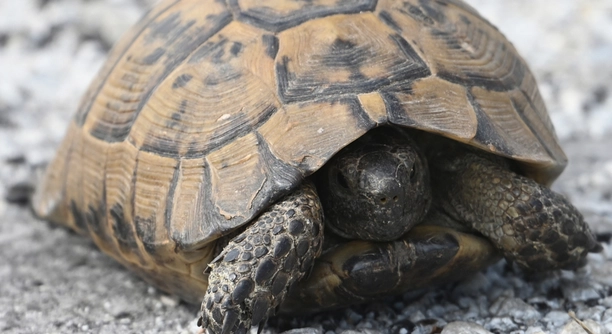
Tortoises are fascinating pets, and Greek tortoises, in particular, are known for their curious nature. Providing them with stimulating activities is essential to keeping them happy and healthy. One great way to do this is by creating engaging toys.
Making toys for your Greek tortoise is an excellent way to encourage physical and mental activity. Simple, homemade toys can stimulate your tortoise’s natural behaviors, such as foraging and exploring. These activities promote a sense of well-being.
These toys are easy to create, and you don’t need to be a crafty expert. There are plenty of simple ideas that can keep your tortoise entertained while supporting their health.
Simple Paper Towel Roll Hideaway
A paper towel roll is an easy, inexpensive toy to make for your tortoise. Simply take an empty roll and stuff it with hay or leaves. You can even add some treats inside to make it more exciting. Your tortoise will love trying to find what’s hidden inside. The tube encourages foraging behavior, which is important for their natural instincts. It’s a great way to keep them mentally engaged.
This toy can be reused multiple times, and you can change the stuffing to keep things interesting.
A simple roll like this also mimics the idea of tunnels in their natural environment. It helps them feel more secure and gives them a space to explore. The texture of the cardboard can also help with their claw maintenance, as they like to rub their paws on different surfaces. You can adjust the size of the roll based on your tortoise’s needs, making it easy to customize.
Wooden Puzzle Box
A wooden puzzle box can provide both entertainment and challenge for your tortoise. Fill the box with leaves or other safe items and let your tortoise figure out how to open it. The puzzle encourages problem-solving and physical activity.
Making a puzzle box isn’t hard, and you can find many options online to get inspiration. Simply choose a wooden box with a lid that can be opened by your tortoise.
The box can be designed with sliding panels or hinged lids, depending on what your tortoise is comfortable with. It can also be made in various sizes to fit your pet’s preferences. You can place it in their enclosure, making it a fun challenge that encourages curiosity. This puzzle box mimics natural behaviors like digging and searching for food in the wild. It is perfect for your tortoise if you’re looking to stimulate them mentally.
Vegetable Hanging Treats
Hanging vegetables, like leafy greens, in your tortoise’s enclosure can make mealtime more fun. Use string or a small mesh bag to suspend the vegetables at a height your tortoise can reach. It adds variety to their diet and encourages movement. The act of reaching up for their food also helps exercise their neck muscles.
Hanging treats like this is simple and effective. It turns a regular feeding time into an engaging experience, where your tortoise has to work a bit to get their food. You can experiment with different vegetables or fruits, ensuring they’re safe for your tortoise.
This activity taps into their natural foraging instinct, which is important for both physical and mental health. It can help prevent boredom, which may lead to stress or unhealthy behaviors. You can also try using a small basket instead of string for a more stable setup. Either way, it’s a great way to add enrichment to their daily routine.
Digging Box
Creating a digging box for your tortoise encourages natural digging behavior. Fill a shallow box with sand, soil, or even dried leaves. Your tortoise will love to burrow and explore in it. This toy mimics their natural environment and helps them stay active.
A digging box can provide a lot of mental and physical stimulation for your tortoise. The texture of the material in the box gives them something to interact with, which can also be soothing for them. You can vary the materials in the box to keep it fresh, such as mixing sand with leaves or grasses.
Additionally, adding some hiding spots within the digging box, like small stones or buried treats, can make it more exciting for your tortoise. This kind of activity is very beneficial in keeping your tortoise physically engaged, allowing them to express natural behaviors. Make sure the box is shallow enough for them to comfortably dig in but deep enough to contain everything they need.
Tortoise Maze
Building a simple maze with cardboard or wooden planks can provide a fun challenge for your tortoise. The maze will encourage them to explore and move around more. It doesn’t need to be complicated—just a few twists and turns to keep them engaged.
A maze encourages exploration and problem-solving. You can start with a small, simple structure and gradually make it more complex. You could place treats inside to motivate them to reach the end, making the maze even more rewarding.
Grass Mat
A grass mat offers a textured surface that tortoises enjoy walking on. It’s a great way to stimulate their sense of touch and mimic natural conditions. You can easily make a grass mat by gathering grass clippings and weaving them together.
The mat can be placed in your tortoise’s habitat for them to walk on. You can also place food on the mat, giving them something to forage for. This can be a simple way to enrich their environment without much effort. It’s a nice way to make the enclosure feel more natural.
FAQ
What kind of toys are best for a Greek tortoise?
Greek tortoises enjoy toys that encourage their natural behaviors, like foraging, digging, and exploring. Simple toys such as hideaways made from cardboard tubes, wooden puzzle boxes, or even a digging box filled with soil or sand are great options. Toys should be made from safe, non-toxic materials. The goal is to keep them mentally and physically active while ensuring they can express natural behaviors. Focus on creating stimulating environments where they can move around and interact with their surroundings.
How can I make sure the toys are safe for my tortoise?
It’s important to avoid any small parts that your tortoise could potentially swallow. Stick to natural materials like wood, cardboard, and safe plants. Always double-check that the materials are non-toxic. For example, avoid any treated wood or plastic that could release harmful chemicals. Regularly inspect the toys for wear and tear, ensuring no sharp edges or loose parts could harm your pet. If in doubt, always choose natural, untreated items.
Can I use food as part of the toys?
Yes, using food as part of the toys is a great idea. You can hide leafy greens, fruits, or other tortoise-safe treats inside tunnels, boxes, or puzzle toys to encourage foraging. This adds a layer of excitement and enriches their environment. However, make sure the food is safe and not something that could harm them, like high-sugar fruits or processed snacks. Offering food in creative ways helps mimic natural feeding behaviors and can keep your tortoise engaged.
How often should I change or rotate the toys?
Rotating the toys regularly is a good idea to keep things fresh for your tortoise. If a toy is used frequently, it may lose its appeal. By changing out toys every week or so, you can keep their environment interesting and prevent boredom. You can also switch between food-based toys and activity-based ones. Observe how your tortoise reacts to each toy and rotate them accordingly. Changing the environment can also allow for new behaviors to emerge, ensuring they stay physically and mentally active.
Can my tortoise play with toys outside of their enclosure?
Tortoises can enjoy toys outside of their enclosure if supervised. Make sure the area is safe, free of predators, and secure. You can set up a small play area with a few toys, like a maze or digging box, and allow them to explore. However, always monitor their activities outside their enclosure to ensure they don’t get into something harmful. Having a playtime session outside can offer a new environment for exploration, but it should never replace their primary habitat.
How long should I leave the toys in the enclosure?
Leave the toys in the enclosure for as long as your tortoise seems interested. If they are interacting with the toys and spending time exploring, it’s fine to leave them in. However, if your tortoise loses interest, consider switching them out or rotating with new ones. Tortoises don’t need constant stimulation, but the toys should be available when they need them. Make sure the toys are easy for them to interact with and aren’t causing any unnecessary stress or frustration.
Is it okay to make toys out of materials like plastic?
Plastic is not the best choice for tortoise toys, especially if it’s soft or can easily break into smaller pieces. If you must use plastic, ensure that it’s hard and non-toxic. The problem with plastic is that it can be ingested, causing choking or digestive issues. Stick with natural materials like wood, cardboard, and stone to reduce the risks. Avoid any plastic that could degrade over time and become a safety hazard.
What are the signs that my tortoise is bored?
If your tortoise starts showing signs of lethargy or seems uninterested in its environment, boredom might be the issue. They may spend more time hiding or not exploring their space at all. Bored tortoises may also show signs of stress, such as pacing or becoming more aggressive. If you notice these behaviors, it’s a good idea to introduce new toys or alter their habitat to make it more stimulating. Offering variety through toys and environmental changes can help reduce these signs and keep them happy.
Can I make toys out of items I already have at home?
Yes, you can make toys using items you already have at home, as long as they’re safe and suitable for your tortoise. For example, empty cardboard tubes, small wooden pieces, or a shallow box can all be used to create simple, enriching toys. Just ensure any item is free from harmful chemicals, sharp edges, or small parts that could be a choking hazard. It’s also important to avoid any food packaging that may contain harmful residues. Repurposing household items can be a fun and cost-effective way to enrich your tortoise’s environment.
Do tortoises need toys every day?
While tortoises don’t need toys every single day, it’s important to provide them with regular enrichment. You can rotate the toys and offer new challenges a few times a week to keep their environment stimulating. Regular enrichment helps prevent boredom and encourages natural behaviors. As long as your tortoise is active, eating well, and exploring their space, you don’t need to have new toys every day. Just make sure they have something engaging to do regularly.
Final Thoughts
Creating fun and enriching toys for your Greek tortoise is an easy and effective way to keep them happy and healthy. By incorporating simple toys like cardboard tubes, wooden puzzle boxes, or digging boxes, you can provide plenty of mental and physical stimulation. These activities encourage natural behaviors such as foraging, exploring, and even digging, which are essential for their well-being. Plus, making your own toys can be cost-effective and enjoyable, and you’ll know exactly what your tortoise is playing with.
It’s also important to remember that variety is key. Greek tortoises can get bored if they’re exposed to the same toys for too long. Rotating toys every few days or changing up the materials will help keep things fresh and interesting. You can experiment with different types of toys to see what your tortoise enjoys the most. Each tortoise is unique, so pay attention to their behavior and adjust accordingly. Some may prefer hiding and digging, while others may enjoy the challenge of a puzzle box.
Finally, while toys are important, they should always be used alongside other aspects of care, such as a healthy diet, proper lighting, and a safe environment. The goal is to create an enriching space that mimics their natural habitat, allowing them to express their instincts and stay physically active. By offering a mix of toys and activities, you’re helping ensure your tortoise lives a long, happy life with plenty of opportunities for play and exploration.

Hello,
If you enjoy the content that we create, please consider saying a "Thank You!" by leaving a tip.
Every little bit helps us continue crafting quality advice that supports the health, happiness, and well-being of pets around the world, for pets of all shapes, sizes, and species.
We really appreciate the kindness and support that you show us!