
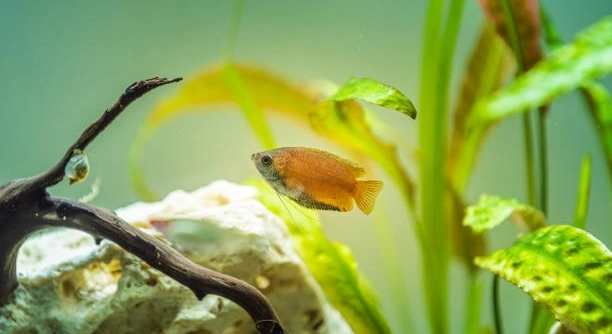
Is your gourami spending more time than usual resting on the heater cord? Observing this behavior can feel unusual and worrying. Many fish owners notice this pattern and wonder what it might mean for their pet’s well-being.
The primary reason a gourami rests on the heater cord is to regulate its body temperature. The cord emits warmth, providing a comfortable spot when the tank temperature fluctuates or the fish feels slightly stressed or lethargic.
Understanding why your gourami seeks this warmth can help maintain its health. We will explore the causes, possible concerns, and simple adjustments for a happier fish.
Common Reasons Gouramis Rest on Heater Cords
Gouramis resting on heater cords is often linked to their need for stable warmth. These fish are sensitive to temperature fluctuations, and the heater cord provides a small, consistent heat source. Sometimes, water circulation in the tank can be uneven, leaving cooler spots where the fish feels less comfortable. Older or weaker gouramis may also seek out these warmer areas more frequently. Stress, illness, or poor water quality can amplify this behavior. Observing other signs like lethargy, clamped fins, or loss of appetite can help determine if this is simply a preference for warmth or a symptom of a health issue. Ensuring your tank maintains a steady temperature and monitoring water parameters regularly can reduce the need for the fish to rest on the heater. Sometimes, a gentle adjustment of tank conditions is all it takes for your gourami to feel secure throughout the aquarium.
Regular monitoring of water temperature can prevent this behavior from becoming habitual.
Maintaining an optimal environment requires checking the heater’s placement, water flow, and tank temperature. Gouramis prefer a stable environment of around 75-80°F. Using a thermometer to verify the temperature at various points in the tank is helpful. Ensuring the heater is fully submerged and functioning correctly is crucial, as partial exposure can create uneven heating. Tank decorations, plants, and hiding spots also contribute to comfort and reduce stress, minimizing the need for your fish to seek heat from the cord. Observing your gourami’s behavior over time allows adjustments that improve overall well-being and reduce unhealthy habits.
When to Be Concerned
Occasional resting on the heater cord is usually harmless.
If your gourami spends excessive time on the heater cord, shows unusual behavior, or displays signs of illness, intervention may be necessary. Illnesses such as swim bladder problems, infections, or stress can cause fish to seek warmth excessively. Ensuring water quality is optimal, with regular tests for ammonia, nitrites, and pH, is essential. A clean, properly maintained tank reduces stress and supports the fish’s immune system. Providing adequate hiding places and maintaining a consistent feeding schedule can also improve their comfort. In some cases, consulting a veterinarian specializing in fish may be necessary to rule out serious health concerns. Recognizing patterns in your gourami’s behavior helps differentiate normal temperature-seeking habits from early warning signs of health issues, allowing for timely action to maintain a healthy and balanced tank environment.
Adjusting Tank Conditions
Maintaining a stable tank environment can reduce your gourami’s need to rest on the heater cord. Checking temperature, water flow, and decorations helps create consistent conditions, allowing the fish to explore the tank comfortably without relying on a single warm spot.
Proper heater placement is crucial for even temperature distribution. Positioning the heater near a gentle current helps spread warmth throughout the tank. Avoid placing the heater too close to decorations that may block water flow, as this can create localized hot or cold spots. Adding floating plants or rearranging ornaments can improve circulation and provide alternative resting areas. Regular monitoring with a thermometer ensures the tank remains within the ideal range of 75-80°F, supporting your gourami’s natural behavior. Consistent water conditions prevent stress, reduce lethargy, and discourage the fish from spending excessive time on the heater cord.
Feeding schedules and water quality directly influence behavior. Overfeeding can lead to waste accumulation, reducing water quality and prompting fish to seek comfort near the heater. Maintaining clean water and balanced nutrition helps the gourami stay active. Observing their response to minor changes in the tank allows fine-tuning of conditions for a healthier, more comfortable environment.
Health Checks and Observation
Frequent checks on your gourami’s health are important to identify potential problems early.
Monitoring your fish’s behavior, appetite, and appearance helps detect illness before it worsens. Signs like clamped fins, swelling, or unusual swimming patterns indicate stress or disease. Regular water testing for ammonia, nitrites, and pH keeps the environment safe, while timely water changes prevent harmful buildup. Stress, infections, and poor water quality are common triggers for excessive heater-cord resting. Observing interactions with other tank mates can also reveal social stress. Maintaining a clean, stable, and enriched tank encourages natural behavior and reduces dependence on localized heat sources, promoting long-term health and well-being for your gourami.
Detailed observation includes noting temperature preferences and activity patterns. Some gouramis naturally spend more time in warmer areas, but persistent clustering around the heater can signal underlying issues. Comparing behavior across days helps distinguish normal habits from stress responses. Providing hiding spots and gentle water movement supports mental stimulation and comfort. Regularly inspecting fins, gills, and coloration helps identify early signs of illness. Adjusting diet, tank layout, and maintenance schedules based on these observations ensures the fish remains healthy. Creating a balanced, low-stress environment reduces reliance on the heater cord and promotes natural swimming, feeding, and resting behavior throughout the tank.
Providing Alternative Warm Spots
Adding gentle decorations or floating plants can give your gourami alternative places to rest without relying on the heater cord. Warm areas created by proper water circulation and careful placement of ornaments help distribute heat evenly.
Small caves or moss-covered structures offer cozy resting areas. Gouramis enjoy exploring and hiding, and these additions reduce dependence on the heater. Placement near moderate currents ensures warmth spreads throughout the tank, creating multiple comfortable zones. This encourages natural behavior and allows the fish to choose resting spots while still regulating their body temperature effectively.
Monitoring Water Quality
Regular testing ensures ammonia, nitrite, and pH levels remain within safe limits. Clean, balanced water reduces stress and prevents illness, supporting your gourami’s health and activity.
Adjusting Feeding Practices
Overfeeding can reduce water quality and increase stress, leading gouramis to seek warmth from the heater cord. Maintaining consistent, moderate feeding helps prevent these issues.
FAQ
Why does my gourami prefer resting on the heater cord?
Gouramis are sensitive to temperature changes. Resting on the heater cord helps them stay warm, especially if the water in some areas of the tank is cooler. This behavior is common when the tank has uneven heating or weaker water circulation, allowing the fish to regulate its body temperature easily.
Is it harmful if my gourami spends a lot of time on the heater cord?
Occasional resting is generally harmless. However, if your fish constantly stays near the heater, it may indicate stress, illness, or poor water conditions. Regular observation and maintaining optimal tank parameters can prevent long-term issues and encourage natural behavior.
Can water temperature affect this behavior?
Yes. Gouramis thrive in stable temperatures between 75-80°F. Water that is too cold or fluctuates frequently can push them toward warmer areas, such as the heater cord. Using a reliable thermometer to check different areas of the tank helps maintain a consistent environment.
How can I make the tank more comfortable for my gourami?
Ensure even water circulation by positioning the heater near gentle currents. Add floating plants, moss, or small decorations to create alternative resting spots. Multiple warm zones allow your fish to move around the tank comfortably, reducing stress and dependency on the heater cord.
Could illness be causing this behavior?
Sometimes. Illnesses like swim bladder problems, infections, or stress can make a gourami seek warmth more frequently. Look for signs such as clamped fins, unusual swimming patterns, discoloration, or loss of appetite. Prompt action, including water checks and veterinary advice if needed, can prevent further complications.
Does tank placement affect my gourami’s behavior?
Yes. Tanks placed near drafts, air conditioning, or fluctuating sunlight may have uneven temperatures. Ensuring the tank is in a stable environment and minimizing external temperature shifts helps your fish maintain comfort without overusing the heater cord.
How often should I test the water?
Weekly testing for ammonia, nitrites, nitrates, and pH is recommended. Clean water reduces stress, prevents illness, and supports normal activity levels. Regular monitoring ensures that your gourami remains healthy and less dependent on the heater cord for comfort.
Will adding decorations stop my gourami from resting on the heater cord?
Decorations can help by providing alternative resting and hiding spots. While it may not completely eliminate the behavior, it encourages the fish to move around the tank and explore, promoting natural activity while still allowing temperature regulation.
Should I adjust my feeding schedule to help?
Yes. Overfeeding can lead to water quality issues, causing stress that pushes gouramis toward the heater cord. Feeding small, consistent portions and promptly removing uneaten food keeps water clean and encourages healthy behavior throughout the tank.
When should I consult a veterinarian?
If your gourami shows continuous resting on the heater cord combined with other symptoms such as unusual swimming, loss of appetite, or physical changes, it is wise to seek professional advice. Early intervention helps address health problems before they worsen.
Can multiple gouramis affect this behavior?
Tank mates influence comfort and stress levels. Aggressive or dominant fish may push a gourami to seek warmth and safety near the heater cord. Ensuring enough space, hiding spots, and compatible tank mates reduces stress and encourages normal activity patterns.
Is this behavior more common in certain gourami species?
Yes. Species with higher sensitivity to temperature changes, like dwarf gouramis, are more likely to rest near heat sources. Understanding your specific species’ needs allows better tank management and a healthier environment.
Does water circulation really matter?
Absolutely. Poor circulation creates cooler zones where gouramis feel less comfortable. Even, gentle water flow spreads heat evenly, reducing the need for the fish to constantly cling to the heater cord. Strategic placement of filters and heaters supports natural movement and activity.
How long should a gourami spend resting each day?
Resting is normal, but excessive inactivity near the heater may signal stress or discomfort. Monitoring daily behavior helps differentiate natural resting periods from problematic habits. Gradual adjustments to temperature, environment, and water quality often resolve prolonged heater use.
Can lighting affect this behavior?
Yes. Strong or inconsistent lighting can stress gouramis, prompting them to seek comfort near the heater cord. Using a consistent light cycle and dimming intense lighting can reduce stress, making the fish feel more secure throughout the tank.
What’s the best long-term solution?
Maintain consistent temperature, clean water, and gentle circulation. Add decorations and hiding spots to provide alternative resting areas. Monitor behavior regularly and address any health or stress issues promptly. A balanced, stable environment encourages natural movement and reduces dependence on the heater cord.
This FAQ addresses the most common reasons gouramis rest on heater cords, along with practical steps to ensure health, comfort, and natural behavior. Observing the fish and maintaining optimal conditions prevents stress and supports long-term well-being.
Final Thoughts
Observing a gourami resting on the heater cord can feel worrying at first, but in most cases, this behavior is a natural way for the fish to regulate its body temperature. Gouramis are sensitive to fluctuations in water temperature, and they often seek out the warmest parts of the tank when needed. While it may seem unusual or even unhealthy, spending time near the heater does not always indicate a problem. Many fish will alternate between resting spots and swimming freely when the tank environment is stable and comfortable. Recognizing that this is sometimes simply a preference for warmth can help reduce unnecessary concern and guide practical steps to support the fish’s well-being.
Maintaining a consistent tank environment is key to preventing excessive reliance on the heater cord. Checking water temperature regularly with a thermometer ensures it stays within the ideal range of 75-80°F. Proper heater placement near gentle water flow helps distribute heat evenly, reducing the presence of cooler spots in the tank. Adding floating plants, moss, or small decorations can create alternative resting areas for the fish, giving it more choices for comfort. Water quality also plays a major role in overall health. Regular testing for ammonia, nitrites, nitrates, and pH, along with timely water changes, keeps the environment clean and safe. A combination of proper temperature, clean water, and a thoughtfully arranged tank encourages natural swimming patterns and reduces stress, making the fish less likely to linger on the heater cord unnecessarily.
Monitoring behavior and health is equally important in understanding why a gourami rests on the heater. Look for signs such as clamped fins, unusual swimming, discoloration, or loss of appetite, which may indicate stress or illness. Overfeeding or poor water quality can contribute to this behavior, so maintaining a balanced feeding schedule and keeping the tank clean are essential. Providing hiding spots and areas of moderate current supports mental stimulation and a sense of security. If health concerns persist despite proper tank management, consulting a veterinarian experienced with fish can ensure any underlying issues are addressed. Ultimately, a stable, clean, and enriched environment promotes the natural activity and comfort of your gourami. By observing behavior, adjusting tank conditions, and maintaining water quality, you can help your fish thrive while minimizing dependence on the heater cord, supporting long-term health and well-being.

Hello,
If you enjoy the content that we create, please consider saying a "Thank You!" by leaving a tip.
Every little bit helps us continue crafting quality advice that supports the health, happiness, and well-being of pets around the world, for pets of all shapes, sizes, and species.
We really appreciate the kindness and support that you show us!