
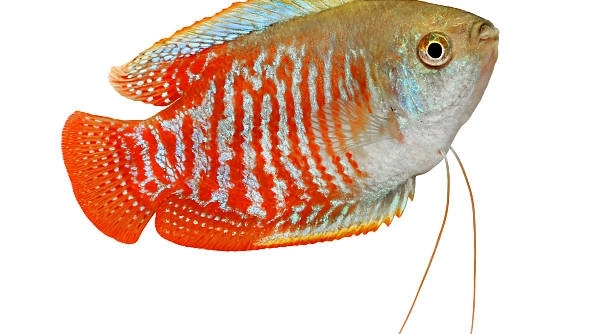
Many gourami owners notice subtle changes in behavior when breeding season approaches, and recognizing these early signs helps create a calm aquarium environment while supporting natural instincts and healthier interactions between fish during mating periods.
The readiness of a gourami to mate is indicated by behavioral shifts, physical coloration changes, and nesting activity. These indicators reflect hormonal readiness and environmental suitability, signaling that reproductive conditions have stabilized sufficiently for successful pairing and spawning to occur.
Learning these signs helps aquarists support breeding success while maintaining balance, safety, and comfort throughout the aquarium during this stage.
Increased Activity and Color Changes
When a gourami is ready to mate, daily behavior often becomes more active and noticeable within the tank. I have seen gouramis swim more confidently, patrol larger areas, and display stronger reactions to nearby fish. Males, in particular, may show brighter body colors and more defined patterns along their fins and sides. These color changes are not random and usually appear gradually over several days. Increased activity can also include short chases that stop without harm, as well as frequent movement near the surface. This shift signals that hormones are influencing both energy levels and social awareness. A stable tank with proper temperature and clean water allows these behaviors to appear naturally. Observing these changes calmly helps prevent unnecessary tank adjustments that could disrupt the process. I always take notes during this time because small details often reveal readiness before any spawning actually begins inside a peaceful home aquarium setup.
These visible changes are easier to notice when lighting, feeding, and tank size remain consistent. Sudden changes can mask natural signals. I find patience important here, since rushing adjustments may interrupt behavior patterns that indicate mating readiness. Calm observation allows these signs to develop clearly over time within the aquarium.
Color and activity alone do not confirm breeding readiness, but they form a reliable starting point. These signs should appear alongside stable appetite and regular swimming patterns. A gourami that eats well and rests between bursts of movement often feels secure. Stress usually suppresses breeding behavior, so calm surroundings matter. I prefer maintaining routine care instead of reacting to every change. When these visual cues align with steady conditions, they suggest the fish is entering a reproductive phase rather than responding to temporary stimulation. Consistency supports natural instincts and reduces confusion within the tank environment over extended periods of time.
Bubble Nest Building Behavior
One of the clearest physical signs is bubble nest building near the water surface. Males gather air bubbles coated in saliva and anchor them among plants. This behavior signals preparation for eggs and protection of future fry. It often appears suddenly once environmental conditions feel stable enough for breeding success.
Bubble nest activity usually increases over several days and should not be disturbed. I learned early that removing floating plants or increasing water flow can cause stress. A male may repeatedly repair the nest, even after minor disruptions. This dedication shows strong readiness rather than random behavior. Females often linger nearby once the nest is established, showing calmer swimming and reduced hiding. Water temperature, gentle filtration, and surface cover all support this process. When these factors align, nest building becomes consistent and focused. Maintaining stable conditions allows spawning to occur naturally without interference. Observing from a distance helps ensure safety while respecting the fish’s instincts. I usually avoid sudden lighting changes during this stage, as stability encourages continued nest maintenance. Feeding should remain regular but not excessive. Overfeeding can cloud water and reduce oxygen near the surface. Clean water supports bubble strength and egg survival. Each adjustment should be slow and measured. This approach helps the breeding process continue without interruption or unnecessary risk. I keep monitoring behavior quietly and limit tank maintenance. This allows natural pairing cues to complete without pressure or sudden environmental shifts during sensitive reproductive periods within the home aquarium setting today calmly always present nearby.
Territorial Displays and Courtship Behavior
Territorial behavior often increases as mating readiness develops. I notice males guarding specific areas, especially near nests or plants. Short displays, flared fins, and brief chases appear controlled and purposeful rather than aggressive, showing preparation for pairing rather than dominance alone during calm periods in stable home aquariums settings daily.
These displays usually focus on discouraging other males while attracting a receptive female. Movement becomes deliberate, with slow circling and fin positioning. I have observed males pause feeding to maintain territory boundaries. This behavior reflects hormonal changes and confidence rather than stress. Adequate space reduces conflict and allows displays to remain controlled. When tanks are overcrowded, signals can become confusing. Providing visual barriers with plants helps separate zones. Consistent lighting and temperature further stabilize interactions. Territorial behavior paired with calm swimming often indicates breeding readiness instead of defensive reactions caused by environmental imbalance within stable aquariums during reproductive phases periods.
Territorial signals should always be assessed alongside overall tank health. I look for steady breathing, intact fins, and normal feeding between displays. Excessive chasing without rest suggests stress rather than readiness. Regular water changes support clarity and reduce irritants. Soft lighting limits overstimulation. A balanced routine allows behaviors to remain predictable. When conditions remain unchanged, courtship displays persist without escalation. This balance supports successful spawning while protecting weaker fish. Observing patterns over several days provides more insight than reacting to single moments of heightened activity. Consistency in maintenance schedules often determines long term breeding outcomes for sensitive species like gouramis.
Female Body Shape and Receptive Behavior
Females show readiness through subtle physical and behavioral changes. Body shape may appear fuller as eggs develop, especially near the abdomen. Swimming becomes slower and more deliberate. I often notice females spending time near nests without retreating. This calm presence indicates tolerance of the male. Color may remain muted, but posture appears relaxed. These combined signs suggest comfort and biological readiness rather than avoidance or stress responses within stable, well maintained aquarium environments during breeding.
Receptive females also respond differently to male movement and displays. Instead of hiding, they remain visible and allow closer proximity. I observe fewer rapid escapes and more parallel swimming. Appetite usually stays steady, which helps confirm low stress levels. A female that accepts courtship does not nip or dart away repeatedly. Tank layout plays a role here. Dense planting provides security while still allowing interaction. Clean water and gentle filtration reduce fatigue. When these conditions are met, female responses appear consistent. Monitoring these behaviors over time prevents misreading temporary fullness caused by feeding. Patience allows true readiness to become clear without forced pairing or unnecessary separation. This approach supports healthier outcomes for both fish involved long term within controlled home aquarium breeding setups today calmly.
Appetite and Feeding Pattern Changes
I often notice appetite changes when mating approaches. Gouramis may eat slightly less while staying active. Feeding responses become selective rather than frantic. This shift shows focus on breeding behaviors instead of constant foraging, while overall health remains stable in well maintained tanks during calm, consistent care routines over time.
Overfeeding during this phase can disrupt water quality and increase stress. I keep portions small and regular. Consistent feeding times support energy needs without distraction. Balanced nutrition helps maintain strength for spawning, nest defense, and recovery once breeding activity slows again in stable home aquariums with routine care practices applied.
Water Conditions and Environmental Stability
Water conditions strongly influence mating readiness and behavior. I pay close attention to temperature stability, gentle filtration, and clean surfaces. Slightly warmer water often encourages activity without causing stress. Sudden changes can halt nesting or courtship entirely. Regular testing keeps parameters predictable. Soft lighting reduces tension and supports surface activity. I avoid large water changes during active breeding signs, opting for smaller, frequent maintenance instead. Plants provide cover and anchoring points for nests. When water quality remains steady, gouramis display confidence and consistency. These conditions allow natural behaviors to unfold without intervention or adjustments that could delay or interrupt spawning.
Pair Compatibility and Calm Interaction
Compatibility between paired gouramis becomes clear through calm proximity. I watch for shared space without tension or hiding. Both fish rest near each other between movements. This peaceful interaction shows readiness and mutual tolerance, which supports safer spawning and reduces injury risks within stable aquariums under consistent care routines maintained.
How long does it take for gouramis to show mating readiness signs?
Gouramis usually begin showing mating readiness signs gradually over one to two weeks once conditions are suitable. I notice behavior changes first, such as increased activity and calm territorial movement. Physical signs like brighter coloration or fuller body shape appear later. The timing depends on water temperature, diet, tank stability, and stress levels. Sudden changes often delay these signs. Consistent care allows the process to unfold naturally without forcing outcomes.
Can gouramis become aggressive when ready to mate?
Some increased assertiveness is normal, especially from males, but it should remain controlled. I see short chases and fin displays that stop quickly. If aggression becomes constant or causes injury, conditions may be unstable. Adequate space, visual barriers, and calm lighting reduce conflict. Healthy mating behavior includes pauses, rest, and tolerance rather than nonstop pursuit or damage to fins.
Do both male and female gouramis show clear signs at the same time?
Signs do not always appear simultaneously. Males often show changes first through nest building and displays. Females may take longer, showing fullness and calmer behavior later. I avoid assuming readiness based on one fish alone. Watching both over several days helps confirm mutual readiness rather than one sided behavior caused by hormones or environment.
Is bubble nest building always a sign of mating readiness?
Bubble nest building strongly suggests readiness, but it does not guarantee spawning. I have seen males build nests without a receptive female present. Nesting shows preparation rather than completion. Other signs like female tolerance, stable appetite, and calm interaction must also be present. Disturbing the nest can delay or stop progress entirely.
Should tank mates be removed during the mating phase?
This depends on tank size and species. In smaller tanks, I prefer removing other fish to reduce stress and protect eggs. In larger planted tanks, visual separation may be enough. The key is preventing interference with nests and limiting distraction. Observation helps determine whether tank mates are causing tension or being ignored.
Does diet affect gourami breeding readiness?
Diet plays a strong role. I notice better readiness when gouramis receive balanced meals with protein sources like live or frozen foods alongside quality pellets. Overfeeding causes water issues, while underfeeding reduces energy. Consistent portions support hormonal balance and recovery. Diet changes should be gradual to avoid digestive stress.
How important is water temperature for mating behavior?
Temperature stability matters more than exact numbers. Slight warmth often encourages activity, but sudden increases cause stress. I adjust temperature slowly and maintain consistency. Fluctuations can stop nesting and courtship. Stable warmth combined with clean water supports confidence and predictable behavior patterns during breeding periods.
Can stress hide or delay mating signs?
Yes, stress often suppresses visible signs. Loud environments, frequent tank changes, and aggressive tank mates reduce readiness. I see fewer displays and less nesting when stress is present. Reducing interference and maintaining routine allows signs to appear naturally. Calm surroundings are essential for breeding behavior.
How can I tell if a female is rejecting a male?
Rejection appears as repeated hiding, rapid darting, or nipping. I watch for constant avoidance rather than brief movement. A receptive female stays visible and allows proximity. If rejection continues, separation may be needed to prevent exhaustion. Forcing interaction usually leads to stress rather than success.
Do gouramis need privacy to breed successfully?
Privacy helps significantly. Floating plants, subdued lighting, and minimal movement near the tank encourage natural behavior. I avoid tapping glass or rearranging decor during this phase. Privacy allows fish to focus on interaction rather than external stimuli. This often shortens the time between readiness and spawning.
Can inexperienced gouramis still show proper mating signs?
Yes, even first time breeders display the same natural indicators. The process may take longer as behaviors develop gradually. I remain patient and avoid intervening unless stress appears. Natural instincts guide the process when conditions remain stable.
What should I avoid doing once mating signs appear?
I avoid large water changes, decor rearrangement, and sudden feeding changes. Interruptions often stop progress. Gentle maintenance and observation work best. Letting behaviors unfold without pressure supports healthier outcomes and reduces the risk of abandonment or conflict during sensitive breeding stages.
Final Thoughts
Breeding readiness in gouramis is rarely marked by one single sign. It develops through a combination of behavior, appearance, and interaction that unfolds over time. Paying attention to small changes helps create a clearer picture of what is happening inside the tank. Increased activity, calm territorial behavior, and nest building often appear first, followed by more subtle responses from females. None of these signs should be rushed or forced. I have learned that steady routines matter more than constant adjustments. When water quality, temperature, and feeding remain consistent, gouramis tend to express natural behaviors more clearly. Stability allows instincts to guide the process rather than stress or confusion. Observation becomes the most useful tool during this phase. Watching patterns over several days provides better insight than reacting to single moments. This approach reduces mistakes and supports healthier outcomes for both fish.
Patience plays a major role in supporting breeding behavior. Gouramis respond poorly to sudden changes, even when intentions are good. Rearranging decor, changing lighting, or increasing maintenance during active signs often disrupts progress. I prefer minimal interference once readiness becomes apparent. Small, routine care keeps the environment predictable. Providing plant cover, gentle filtration, and quiet surroundings allows interaction to develop naturally. Feeding should remain balanced without excess. Overfeeding often creates more problems than benefits. A calm tank encourages confidence, which is essential during mating periods. When both fish feel secure, behaviors become more consistent and less erratic. This balance protects against unnecessary aggression and reduces the risk of exhaustion. Allowing fish to move at their own pace often leads to stronger pair bonding and more reliable spawning behavior.
Understanding these signs also helps prevent misinterpretation. Not every display or nest leads to breeding, and that is normal. Sometimes conditions are close but not fully aligned. In those cases, maintaining routine care is often more effective than making quick changes. I find that consistency solves more issues than intervention. Each tank is slightly different, and gouramis respond based on their environment and individual temperament. Respecting these differences improves long term results. Breeding success is not only about producing eggs but also about maintaining health and reducing stress before and after spawning. Taking a measured, observant approach benefits the entire aquarium. Over time, recognizing these patterns becomes easier, and confidence grows. Supporting natural behavior rather than controlling it creates a calmer experience for both the fish and the keeper.

Hello,
If you enjoy the content that we create, please consider saying a "Thank You!" by leaving a tip.
Every little bit helps us continue crafting quality advice that supports the health, happiness, and well-being of pets around the world, for pets of all shapes, sizes, and species.
We really appreciate the kindness and support that you show us!