
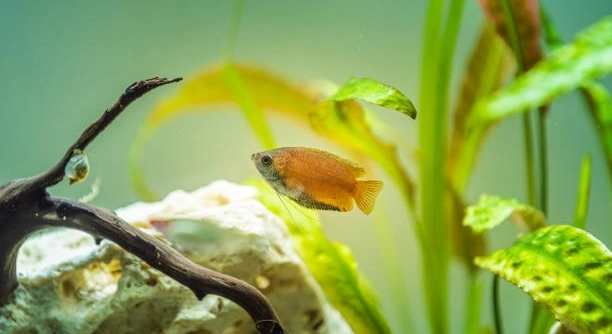
Gouramis are peaceful and delicate fish that need careful attention in their tanks. Cleaning their habitat is necessary for their health, but certain actions can easily stress or upset them, affecting their behavior and well-being.
During tank cleaning, gouramis dislike sudden water changes, rough handling, excessive disturbance of plants and substrate, strong water currents, harsh chemical cleaners, overcrowding, and loud noises. These factors can trigger stress responses, reduce feeding, and negatively impact their overall health and comfort.
Knowing what to avoid during maintenance will help keep your gouramis calm and healthy, ensuring their environment remains a safe and comfortable space.
Sudden Water Changes
Gouramis are sensitive to rapid changes in water conditions. When too much water is replaced at once, it can shock their system and cause stress. Even if the water is clean and properly treated, a sudden swap can alter temperature, pH, or hardness. I learned this the hard way when I replaced half the tank water in one go, and my gouramis became unusually sluggish and hid for hours. Small, gradual changes are much safer and help maintain their natural behavior. Adding new water slowly and monitoring temperature differences can prevent unnecessary stress. Even routine maintenance should be planned carefully, ensuring that water parameters remain stable. This approach keeps gouramis comfortable and helps them thrive, avoiding sudden shifts that can lead to illness. Observing their reactions after each small change also allows for quick adjustments, keeping their environment consistent and secure.
Frequent, gentle water adjustments reduce stress, keeping gouramis healthy and active while minimizing behavioral problems caused by sudden environmental shifts.
Gradual water changes also help preserve beneficial bacteria in the filter and substrate, maintaining a balanced ecosystem inside the tank. Rapid water replacement can disturb these bacteria, leading to spikes in ammonia or nitrite, which are harmful to fish. Using a siphon for partial water changes and adding new water slowly ensures stability. Temperature matching is crucial; even a small difference can make gouramis uncomfortable. By adopting careful cleaning routines, you can maintain a safe environment without upsetting the fish. Over time, this consistency builds trust in their habitat, reducing hiding or erratic swimming during maintenance. Planning ahead and preparing water in advance makes the process smoother. Gouramis respond better when changes are predictable, and their overall health improves. Keeping their tank stable also reduces the risk of secondary infections or stress-related issues. This approach balances cleanliness with comfort, ensuring a healthy, calm aquatic home for your gouramis.
Rough Handling
Gouramis do not tolerate being grabbed or moved roughly during tank cleaning. Even gentle attempts at relocation can startle them if done too abruptly.
Excessive handling can damage their delicate fins and scales, leading to infections or stress-related illnesses. Gouramis are naturally cautious, and sudden grabs can leave them hiding for hours. Using soft nets and minimal contact is essential to protect their health. Preparing all tools and planning movements before touching the fish helps reduce unnecessary stress. Observing their reactions during cleaning allows for adjustments, ensuring that each interaction is as calm as possible. Over time, consistent gentle handling fosters a calmer response to routine maintenance.
Stress from rough handling can compromise immunity and affect feeding habits. Gouramis that are frequently startled may refuse food or become lethargic, impacting growth and vitality. Minimizing contact and using careful techniques during cleaning preserves both their physical and mental well-being. Nets should be soft, and movements slow, reducing panic. Limiting handling to only essential actions prevents unnecessary strain. By creating a predictable routine, gouramis become more comfortable with maintenance procedures. Avoid squeezing or chasing them, as this increases cortisol levels and weakens their defenses. Observing and respecting their natural behavior while cleaning ensures a healthier and more vibrant tank population. Over time, careful handling makes the cleaning process smoother for both the fish and the keeper.
Excessive Disturbance of Plants and Substrate
Moving too many plants or stirring the substrate can stress gouramis. They rely on stable hiding spots and consistent territory to feel secure. Disturbing their environment too much can make them hide or swim erratically, showing signs of discomfort and stress.
Plants and substrate provide essential shelter and comfort. Uprooting plants or shifting decorations frequently disrupts their sense of territory. Gouramis use plants to feel safe and to reduce anxiety. Over-cleaning gravel or sand can release trapped debris and waste, affecting water quality. I noticed that even slight disturbances caused my gouramis to retreat to the corners for hours. Maintaining some stability during cleaning allows them to feel secure while still keeping the tank healthy. Limiting how much is moved helps maintain both their physical safety and mental comfort.
Gradual, careful rearrangement minimizes stress and keeps the tank balanced. Using gentle cleaning tools ensures debris is removed without uprooting plants completely. Keeping a consistent layout over time helps gouramis recognize their environment. Partial cleaning of the substrate in sections prevents large-scale disturbances that can upset them. Soft brushes or siphons can clean around plants without uprooting them. Observing fish behavior during cleaning allows adjustments if they show signs of stress. With patience and careful handling, the tank can stay clean while preserving the areas gouramis rely on for security.
Strong Water Currents
Gouramis prefer calm waters and are easily stressed by strong currents from filters or siphons. High flow can tire them and prevent normal swimming, creating frustration and agitation in the tank.
Rapid water movement can make gouramis struggle to maintain position, leading to exhaustion and stress. They are surface-oriented fish and need gentle currents to thrive. Excessive flow can also disturb plants and substrate, compounding stress during cleaning. I found that redirecting the filter output and using lower flow settings kept my gouramis calm. They resumed normal feeding and swimming behaviors much faster when water movement was gentle. Adjusting water flow before and after maintenance helps maintain a comfortable environment for these delicate fish.
Strong currents also impact oxygen distribution and can cause temperature fluctuations in smaller tanks. Reducing flow during cleaning ensures gouramis are not battling unnatural forces while trying to navigate their environment. Using baffles or sponge covers on filters can diffuse water output, creating a more even and gentle flow. Slow, controlled siphoning during water changes prevents sudden turbulence, keeping substrate and plants in place. Calm water allows gouramis to move naturally and reduces the risk of fin damage. Over time, maintaining moderate currents fosters a stress-free tank where fish can feed, explore, and interact with their habitat without strain or exhaustion.
Harsh Chemical Cleaners
Using strong chemicals or soaps during tank cleaning can harm gouramis. Residues left in the water may irritate their skin and gills, causing stress and potential illness. Even small amounts of detergent or disinfectant can be dangerous.
Rinsing decorations and tools thoroughly with water only is the safest method. Avoid bleach, antibacterial soaps, or any chemical cleaners inside the tank. I always soak ornaments in warm water and scrub gently to remove debris. This keeps the environment safe without exposing my gouramis to harmful substances.
Overcrowding
Too many fish in the tank increases stress during cleaning. Gouramis need space to swim and hide, and crowding can lead to aggression or panic.
Overpopulated tanks can complicate maintenance, making water changes and cleaning difficult without disturbing fish. I noticed my gouramis became territorial and stressed when the tank was too full. Proper stocking ensures they have room to move, reducing stress during routine care.
Loud Noises
Gouramis are sensitive to sudden or constant loud sounds near the tank. Vibrations from banging, music, or heavy footsteps can make them anxious and hide.
Excessive Feeding Before Cleaning
Feeding gouramis right before cleaning can create additional stress. Uneaten food can cloud water and stir up debris, making maintenance harder and affecting water quality.
How often should I clean my gourami tank?
A regular cleaning schedule helps keep gouramis healthy and stress-free. I clean my tank partially every week, removing debris, trimming plants, and siphoning the substrate. Full water changes are less frequent, about once a month, to avoid shocking the fish. Consistency is more important than frequency.
What is the safest way to change water?
Gradual water changes are essential. I replace only 20-30% of the water at a time, ensuring the new water matches temperature and pH. Using a siphon prevents strong currents, and slowly adding fresh water avoids stressing the gouramis. Sudden changes can cause hiding, lethargy, or even illness.
Can I move my gouramis during cleaning?
It is best to avoid moving them unless necessary. Rough handling or transferring them to a temporary container can increase stress. If relocation is required, use a soft net and minimal movement. Preparing the tank first and having water ready for the transfer helps reduce anxiety.
Are commercial tank cleaners safe for gouramis?
Most chemical cleaners are unsafe. Harsh detergents, bleach, or antibacterial soaps can leave harmful residues. I stick to warm water and gentle scrubbing for ornaments and tank walls. Rinsing thoroughly before placing items back ensures the gouramis’ environment remains safe and free of chemicals.
How do I clean substrate without disturbing gouramis?
Using a siphon in small sections helps remove debris while leaving some substrate untouched. I avoid stirring the gravel too much, which can stress the fish. Cleaning in stages keeps their hiding spots intact and maintains water clarity without causing panic.
Why are gouramis hiding after cleaning?
Hiding is usually a stress response. Sudden water changes, strong currents, loud noises, or moving decorations can make them feel unsafe. I noticed mine retreat to corners or plants when I cleaned too quickly. Patience and slow, gentle maintenance help them feel secure again.
Is it necessary to turn off the filter during cleaning?
Not always, but adjusting flow is important. I lower filter output during siphoning to reduce currents that stress gouramis. Keeping filtration running maintains oxygen levels and water circulation while preventing agitation from strong currents.
How do I reduce stress during cleaning?
Keeping movements slow and predictable helps. I plan the cleaning process in advance, handle fish minimally, and avoid loud noises. Gradual water changes, partial substrate cleaning, and careful plant trimming create a calm environment. Observing their behavior allows adjustments to keep stress low.
Can I feed gouramis before cleaning?
Feeding right before maintenance is not ideal. Uneaten food can cloud water and disturb cleanliness efforts. I feed them after completing cleaning, ensuring the tank is clear, water is stable, and the fish can eat without added stress.
How do I maintain a balance between cleanliness and comfort?
Maintaining their tank requires patience and planning. Gentle cleaning tools, partial water changes, minimal handling, and preserving hiding spots keep gouramis comfortable. I always check temperature, water parameters, and fish behavior throughout the process. A balanced approach ensures both a clean environment and a stress-free habitat.
What should I do if gouramis show signs of stress?
Signs like hiding, erratic swimming, or reduced appetite indicate stress. I reduce tank disturbances, ensure water quality is stable, and keep noise to a minimum. Gradually returning to a normal cleaning routine helps them recover. Observing their behavior over time confirms they feel secure again.
Are certain plants better for stress reduction?
Dense and tall plants provide safe hiding spaces. Floating plants or broad-leafed varieties give gouramis areas to retreat. I arrange plants so they have multiple shelters, especially during cleaning. This reduces panic and helps maintain normal swimming and feeding behaviors.
How do I clean decorations safely?
Soaking decorations in warm water and gently scrubbing prevents debris buildup without chemicals. I avoid soap and disinfectants, and rinse thoroughly before returning them to the tank. This keeps the environment safe while maintaining a visually appealing habitat for the gouramis.
Can overpopulation affect cleaning stress?
Yes, crowded tanks increase stress. I make sure the number of gouramis matches tank size, allowing room to swim and hide. Overcrowding makes routine maintenance harder and can lead to aggression or panic during cleaning, affecting fish health.
Is it okay to rearrange the tank often?
Frequent rearrangement upsets gouramis. I keep most decorations and plants in the same position, only adjusting as needed. Gradual changes are tolerated better, while sudden shifts can trigger hiding and stress behaviors, especially during cleaning.
How do I monitor water quality effectively?
Regular testing of ammonia, nitrite, nitrate, pH, and temperature is essential. I use reliable test kits and record readings consistently. Maintaining stable parameters prevents stress, supports immune health, and ensures gouramis thrive without disruption from sudden water changes or debris accumulation.
What tools are recommended for gentle cleaning?
Soft nets, siphons, and gentle brushes are ideal. I avoid metal scrapers or abrasive pads that can harm both fish and plants. Proper tools reduce effort while preventing damage and stress, ensuring the tank stays clean and gouramis remain safe.
Can lighting affect cleaning stress?
Bright lights during cleaning can startle gouramis. I dim the lighting or perform maintenance when lights are off to reduce panic. This approach helps them feel secure and minimizes frantic movements, making cleaning safer for both fish and keeper.
How do I handle emergencies during cleaning?
If a gourami shows distress, I pause cleaning and stabilize water conditions. Returning them to calm, undisturbed areas allows recovery. I always keep prepared containers with conditioned water ready, just in case, ensuring safety without introducing additional stress.
What is the best routine for long-term stress prevention?
Consistent, gentle care is key. Partial water changes, minimal handling, stable tank layout, and careful monitoring of water quality maintain a calm environment. I follow a predictable schedule, allowing gouramis to adjust gradually, which keeps them healthy, active, and comfortable over time.
Gouramis are sensitive fish that rely on a stable and calm environment to stay healthy and active. Their reactions during tank cleaning often reflect how comfortable they feel in their habitat. Stress from sudden water changes, strong currents, rough handling, or excessive disturbance of plants can cause hiding, erratic swimming, or reduced appetite. Over time, repeated stress can impact their immune system and overall health. Maintaining a careful, consistent approach to cleaning helps reduce these risks. Small, gradual water changes and partial substrate cleaning allow them to adjust without feeling threatened. Gentle handling, minimal movement, and slow adjustments to decorations or plants help gouramis remain calm throughout maintenance. Even simple changes in their environment, like strong filter currents or loud noises, can be unsettling, so attention to detail is important. Observing fish behavior during cleaning allows for immediate adjustments, ensuring a secure and comfortable environment.
Cleaning without chemicals is another important factor in maintaining gourami health. Harsh soaps, disinfectants, or detergents can leave harmful residues that irritate skin and gills. Using warm water and gentle scrubbing for decorations and tank surfaces prevents contamination while still removing debris effectively. Floating or dense plants provide natural hiding spaces, which reduce stress and create a sense of security during cleaning. Overcrowding should also be avoided, as it increases tension and makes it harder to complete maintenance without disturbing multiple fish at once. By maintaining proper stocking levels and keeping hiding spots intact, gouramis feel more confident and less likely to panic. Adjusting water flow and lighting during cleaning can also help reduce anxiety, making the process smoother for both the fish and the keeper.
Consistency is key to creating a safe and comfortable environment. Establishing a routine for partial water changes, substrate cleaning, and plant trimming ensures that gouramis know what to expect and reduces stress responses over time. Proper observation of behavior, careful handling, and avoiding loud noises all contribute to a calm habitat. Gradual introduction of any changes, whether in tank layout or water conditions, prevents shock and maintains balance within the ecosystem. Using soft tools and siphons keeps cleaning efficient while protecting the fish and plants. Over time, these practices build a healthy environment where gouramis thrive. Paying attention to their needs during every maintenance session not only preserves their physical health but also supports their natural behaviors and well-being. A careful, thoughtful approach to cleaning ensures that gouramis remain active, comfortable, and resilient in their home.

Hello,
If you enjoy the content that we create, please consider saying a "Thank You!" by leaving a tip.
Every little bit helps us continue crafting quality advice that supports the health, happiness, and well-being of pets around the world, for pets of all shapes, sizes, and species.
We really appreciate the kindness and support that you show us!