
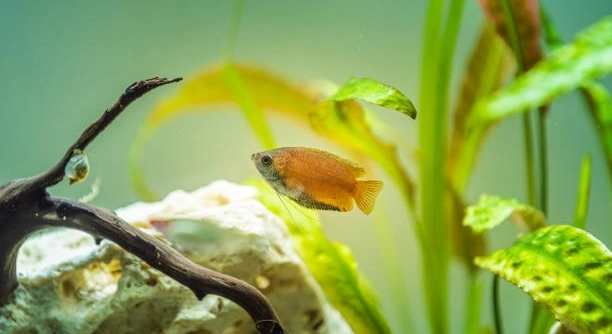
Gouramis are popular aquarium fish known for their vibrant colors and peaceful nature. Many owners enjoy feeding them treats as a way to bond and provide enrichment. Sometimes, these fish suddenly refuse treats, which can be puzzling and concerning.
Gouramis may refuse treats due to stress, illness, changes in water quality, or dietary preferences. Environmental factors and health issues often affect their appetite, making treat refusal a symptom that requires careful observation and appropriate action to ensure their well-being.
Understanding why your gourami rejects treats can help improve its care and comfort. This article explores common causes and solutions to restore your fish’s interest in feeding and maintain a healthy environment.
Common Reasons Gouramis Refuse Treats
Gouramis may stop eating treats for several reasons, many related to their environment or health. Stress is a primary factor that affects their appetite. Changes in water temperature, poor water quality, or overcrowding can make them uneasy and less interested in food. Illness is another common cause. If a fish feels unwell, it may refuse treats as a way to conserve energy or because eating causes discomfort. Additionally, gouramis sometimes reject treats if they are full or if their diet lacks variety. Overfeeding can lead to a lack of appetite, as well. Monitoring their behavior and the tank’s condition is essential for identifying the reason behind their refusal. Sometimes a simple water change or adjusting feeding habits can restore their interest.
Pay attention to signs of illness or environmental changes, as these often affect feeding behavior in gouramis.
Providing a balanced diet and maintaining stable tank conditions support your gourami’s appetite and overall health. Keeping stress low and water clean are key to encouraging treat acceptance.
How Water Quality Affects Appetite
Water quality is critical for the health of gouramis. Poor water conditions can stress fish and cause them to refuse food, including treats.
Water that contains high levels of ammonia, nitrites, or nitrates can irritate fish and damage their gills, reducing their desire to eat. Improper pH levels or sudden changes in water temperature may also contribute to appetite loss. Regular testing and maintenance of the aquarium help keep these factors in balance.
Filtration, regular partial water changes, and avoiding overcrowding all help maintain water quality. Clean water promotes a healthy environment, which is vital for your gourami’s well-being and feeding habits.
Maintaining stable and clean water conditions is a straightforward way to support your gourami’s appetite. Simple steps like checking parameters weekly and adjusting as needed can prevent many feeding problems. Avoiding toxic buildup and ensuring a comfortable habitat encourages gouramis to accept treats again and stay healthy in the long term.
Stress and Its Impact on Gourami Feeding
Stress can cause gouramis to lose interest in treats and food in general.
Common stress factors include sudden changes in tank environment, aggressive tank mates, and poor water quality. These conditions can make gouramis anxious, reducing their appetite. Stress affects their immune system, making them more vulnerable to illness and further appetite loss.
Reducing stress involves creating a stable and peaceful tank environment. Avoid sudden changes in water parameters or temperature, and keep compatible fish together. Providing hiding spots and plants helps gouramis feel secure. A calm environment encourages regular feeding habits and improves their overall health, leading to better acceptance of treats.
Illness and Appetite Loss in Gouramis
Illness often causes gouramis to refuse treats as they conserve energy and avoid discomfort. Signs of illness include lethargy, discoloration, and unusual swimming patterns.
Common illnesses like bacterial infections, parasites, or swim bladder issues can directly affect feeding behavior. When gouramis are sick, they may not recognize food or feel too weak to eat. Early detection and treatment are essential to prevent the condition from worsening.
If illness is suspected, isolate the affected fish to prevent spreading disease. Improve water quality and consult with an expert or vet for proper diagnosis and treatment. Supporting recovery with proper medication and clean conditions will help restore their appetite and interest in treats over time.
Dietary Preferences and Feeding Habits
Gouramis may refuse treats simply because they prefer other foods. Their tastes can change over time, especially if they get used to a certain diet.
Offering a variety of foods, including flakes, pellets, and live or frozen options, can help maintain their interest and ensure nutritional balance.
Overfeeding and Its Effects
Overfeeding reduces a gourami’s hunger and can lead to treat refusal. Excess food may also pollute the tank, harming water quality and fish health.
Feeding smaller amounts more frequently supports better appetite control. Remove uneaten food promptly to keep the environment clean and encourage regular feeding behavior.
Signs to Watch For
Changes in eating habits often indicate underlying health or environmental issues. Monitor your gourami’s behavior closely for early warning signs.
Why is my gourami ignoring treats but eating regular food?
Gouramis can be selective about what they eat. They may enjoy their staple diet but refuse treats if they are not hungry or if the treats don’t appeal to them. Sometimes, treats have different textures or smells that gouramis don’t like. It could also mean they are full from their regular feeding. Offering treats less frequently or trying different types might help regain their interest.
Can stress alone cause my gourami to stop eating treats?
Yes, stress is a common reason for loss of appetite in gouramis. Stress can come from tank changes, aggressive tank mates, or poor water conditions. When stressed, fish focus on survival rather than feeding. Reducing stressors, maintaining stable water quality, and creating hiding spots can improve feeding behavior.
How do I know if my gourami is sick and that’s why it won’t eat treats?
Signs of illness include lethargy, faded colors, clamped fins, or unusual swimming. If your gourami refuses all food, not just treats, it may be sick. Early intervention is important. Isolate the fish, check water parameters, and consider consulting a vet or expert for diagnosis and treatment.
Could water quality really affect treat acceptance?
Poor water quality stresses fish and damages their gills, making eating difficult or unpleasant. High ammonia or nitrite levels are toxic and reduce appetite. Keeping water clean through regular tests and changes is essential. Clear, stable water encourages normal feeding habits and interest in treats.
Is overfeeding the reason my gourami refuses treats?
Overfeeding is a common cause of reduced appetite. If your gourami’s stomach is always full, it won’t be hungry for treats. Overfeeding also leads to waste buildup, harming water quality. Feed small amounts, remove leftover food, and limit treats to avoid appetite loss.
What types of treats are best for gouramis?
Gouramis generally enjoy live or frozen foods like brine shrimp, bloodworms, or daphnia. Some also like freeze-dried options or small pellets made for tropical fish. Variety helps maintain interest and provides balanced nutrition. Always introduce new treats gradually to observe your gourami’s preference.
How often should I offer treats to my gourami?
Treats should be given sparingly, about once or twice a week. Frequent treats can lead to overfeeding or loss of interest. Treats are meant as supplements to their regular diet, not a replacement. Consistency helps maintain a healthy appetite and prevents nutritional imbalance.
Can tank mates cause my gourami to avoid treats?
Yes, aggressive or fast-feeding tank mates may intimidate your gourami or eat treats before it can. This competition can cause stress and reduce feeding opportunities. Observing tank dynamics and separating aggressive fish if needed can improve your gourami’s comfort and feeding behavior.
Is it normal for gouramis to refuse food sometimes?
Occasional refusal of food or treats can happen, especially during changes in environment or temperature. Short periods of fasting are generally not harmful. However, prolonged refusal should be checked for stress, illness, or other underlying issues. Regular monitoring is important.
What should I do if my gourami continues to refuse treats?
If refusal persists, first check water quality and tank conditions. Review diet variety and feeding amounts. Look for signs of illness and consider isolating the fish if necessary. Consulting with a fish health expert can help identify less obvious problems and guide treatment. Patience and observation are key.
Can changes in lighting or tank setup affect feeding habits?
Sudden changes in lighting or decorations can stress gouramis, affecting their appetite. Gouramis like stable, familiar environments with places to hide. Gradual changes and providing cover like plants can help reduce stress and encourage normal feeding.
Are homemade treats safe for gouramis?
Some homemade treats, like finely chopped vegetables or specially prepared protein, can be safe if made with care. Avoid anything with spices, oils, or harmful additives. Commercially made treats are generally safer and nutritionally balanced. Always research and introduce new foods slowly.
Can seasonal changes affect my gourami’s appetite?
Seasonal temperature shifts can influence gouramis’ metabolism and appetite. Cooler water slows digestion, reducing feeding interest. Maintaining consistent tank temperature minimizes this effect. Adjust feeding accordingly during seasonal changes to avoid overfeeding or stress.
How can I encourage a picky gourami to eat treats?
Try different types of treats to find preferences. Offer live or frozen foods that mimic natural prey. Feed at consistent times and reduce regular food slightly before treat time to increase hunger. Create a calm environment free from stress and competition during feeding.
Does tank size influence a gourami’s feeding behavior?
A cramped tank can stress gouramis and reduce appetite. Providing enough space for swimming and hiding helps reduce stress. Larger tanks with stable water conditions promote natural behavior and better feeding responses, including treat acceptance.
These answers address common concerns and provide practical steps to help restore your gourami’s interest in treats and maintain its health.
Gouramis may refuse treats for many reasons, ranging from stress and illness to dietary preferences and tank conditions. It is important to observe your fish closely and consider these factors when you notice a change in feeding behavior. Not every refusal means there is a serious problem, but paying attention early can prevent minor issues from becoming major ones. Keeping a clean and stable environment with proper nutrition plays a large role in supporting your gourami’s health and appetite. Small changes, such as improving water quality or adjusting feeding routines, can often encourage your gourami to accept treats again.
Monitoring your gourami regularly helps identify patterns and possible causes behind treat refusal. Stress is a common issue, so reducing disturbances and providing hiding spaces can make a big difference. Illness should not be ignored, and if your fish shows signs like lethargy or abnormal swimming, seeking expert advice is advisable. Overfeeding is another frequent cause of appetite loss, so feeding in moderation is key. A varied diet including live or frozen foods often appeals more to gouramis than repetitive meals. Offering treats less frequently keeps them special and more likely to be accepted.
Overall, understanding your gourami’s needs and natural behaviors is essential. Taking small, thoughtful steps in care will improve its well-being and feeding habits. Patience is important, as changes in appetite may take time to resolve. By maintaining good water quality, reducing stress, and providing a balanced diet, your gourami can stay healthy and interested in treats. These efforts support a longer, happier life for your fish and make caring for them more rewarding.

Hello,
If you enjoy the content that we create, please consider saying a "Thank You!" by leaving a tip.
Every little bit helps us continue crafting quality advice that supports the health, happiness, and well-being of pets around the world, for pets of all shapes, sizes, and species.
We really appreciate the kindness and support that you show us!