
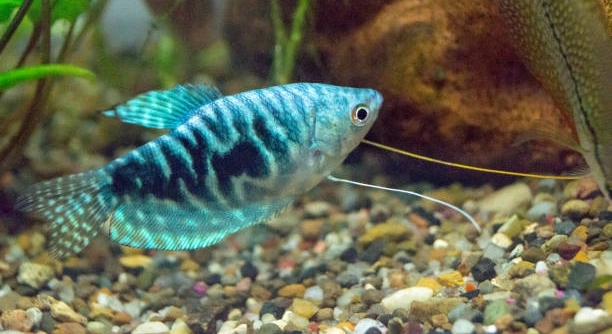
New gouramis often show noticeable changes in behavior when they enter a new environment. These changes can indicate how they are adjusting to their surroundings. Understanding these signs helps owners provide better care and ensure the fish’s well-being.
Behavioral changes in new gouramis include altered swimming patterns, increased hiding, reduced appetite, frequent surface breathing, territorial aggression, lethargy, and heightened sensitivity to water conditions. These behaviors reflect the fish’s response to stress and adaptation in a new habitat.
Recognizing these behaviors early allows for timely interventions to improve your gourami’s comfort and health. This article outlines the key changes to observe during the initial adjustment period.
Altered Swimming Patterns
New gouramis often change how they swim when placed in a new tank. They may swim erratically or stay near the surface more than usual. Sometimes, they appear to dart quickly across the tank or freeze in place for several seconds. These behaviors happen because the fish is trying to understand its new environment and feels uncertain. Over time, the swimming should become more steady as the gourami settles in. Observing these changes closely helps determine if the tank conditions are suitable or if stress is too high. Proper water quality, temperature, and hiding spots can support calmer swimming patterns and encourage normal activity levels.
Erratic swimming in new gouramis signals stress but typically lessens as the fish adapts. This behavior often shows in the first few days after introduction.
If swimming remains irregular for longer, water parameters should be checked immediately. High ammonia, nitrite levels, or sudden temperature shifts cause discomfort. A quiet tank area with enough plants or decorations can reduce anxiety. Regular observation allows prompt adjustments, supporting smoother transitions for the gourami. Ensuring stability in the tank environment promotes healthier swimming and reduces stress-related behaviors over time.
Increased Hiding Behavior
New gouramis tend to hide more often at first. This instinctive action helps them feel safe while adjusting. Hiding spots like plants, caves, or decorations are essential to provide comfort. Gouramis that feel exposed may stay out of sight for hours or even days. While increased hiding is normal during acclimation, it should decrease as the fish gains confidence. If hiding persists without improvement, it might indicate poor water conditions or illness. In such cases, testing water and observing for other symptoms is necessary.
Hiding reduces stress by allowing gouramis to avoid perceived threats during early adjustment.
Providing plenty of hiding spaces is key. Gouramis prefer environments where they can retreat easily. Plastic or live plants work well. The tank should offer a balance between open swimming areas and secure spots. A calm environment without frequent disturbances helps gouramis feel less threatened. Over time, the fish will explore more and hide less, showing signs of comfort. Patience and proper tank setup encourage this positive behavior change.
Reduced Appetite
New gouramis frequently eat less or refuse food shortly after introduction. This is a common reaction to stress and unfamiliar surroundings. Monitoring their eating habits helps assess their health during this period.
Stress from transport and a new environment can suppress a gourami’s appetite. The fish may hide more and avoid food for several days. Offering small amounts of familiar food at regular intervals encourages gradual eating. Avoid overfeeding, as uneaten food can pollute the water and cause further stress. Patience is important, as appetite usually improves once the fish feels secure and adjusts to the tank.
If reduced appetite lasts more than a week, it may indicate illness or poor water conditions. Testing water parameters and checking for disease symptoms, such as discoloration or lethargy, is crucial. Adjusting diet with high-quality or live foods can stimulate interest in eating. Consistent care and a calm environment will support recovery and normal feeding behavior.
Frequent Surface Breathing
Gouramis are labyrinth fish that breathe air from the surface, but increased surface breathing can signal problems. This behavior often indicates low oxygen levels or poor water quality.
When new gouramis spend excessive time at the surface gasping, it usually means the water lacks enough oxygen. Overcrowding, high temperatures, or insufficient filtration can reduce oxygen levels. Regular water testing for ammonia, nitrites, and nitrates is essential. Installing an air stone or increasing water movement improves oxygen circulation. Frequent water changes also help maintain a healthy environment. If surface breathing continues despite good water quality, illness or gill damage could be factors needing attention.
Territorial Aggression
New gouramis may display territorial aggression as they establish their space. This behavior includes chasing or nipping at other fish to defend their area.
Aggression often decreases once the gourami feels secure. Providing ample space and hiding spots can reduce conflicts and promote harmony in the tank.
Lethargy and Reduced Activity
Lethargy in new gouramis is a sign of stress or illness. The fish may rest at the bottom or hide for extended periods, showing less interest in their surroundings.
Consistent water quality checks and proper diet support recovery. Observing behavior closely helps identify when intervention is needed to prevent worsening conditions.
Heightened Sensitivity to Water Conditions
Gouramis are sensitive to changes in water quality, especially during adjustment. Sudden shifts in temperature or pH can trigger stress and behavioral changes.
Maintaining stable water parameters and regular testing is essential for their health and comfort in a new environment.
What causes behavioral changes in new gouramis?
Behavioral changes in new gouramis mainly result from stress caused by relocation. Moving to a new tank exposes them to unfamiliar surroundings, water parameters, and sometimes new tank mates. These changes disrupt their normal routine and can cause anxiety, which shows in altered swimming, hiding, and feeding patterns. Environmental factors such as water temperature, pH, and oxygen levels also influence their behavior. Adjusting these factors to closely match their previous environment helps reduce stress and encourages quicker adaptation.
How long do these behavioral changes usually last?
Most behavioral changes last between a few days to two weeks, depending on the individual fish and tank conditions. Some gouramis adapt faster, while others take longer to feel comfortable. Consistent water quality and minimal disturbance accelerate this process. If behaviors such as hiding or reduced appetite persist beyond two weeks, it may indicate a health issue or poor water conditions that require attention. Patience and careful monitoring are key during this period.
Why does my new gourami hide so much?
Hiding is a natural defense mechanism for gouramis under stress. In a new environment, they feel vulnerable and use hiding spots to avoid perceived threats. It helps them conserve energy and reduce anxiety. Providing plenty of plants, caves, or decorations gives them safe places to retreat. Gradually, as they grow more confident, hiding behavior decreases. Persistent hiding might suggest that the fish is not adjusting well or that water quality is inadequate.
Is it normal for my gourami to stop eating after moving?
Yes, it is common for new gouramis to reduce or stop eating temporarily after being introduced to a new tank. Stress lowers their appetite as they focus on adjusting to the environment. Offering familiar, high-quality food in small amounts encourages eating. Avoid overfeeding to prevent water pollution. Appetite should return within a few days. If it does not, further investigation into water quality or possible illness is necessary.
What should I do if my gourami shows aggression toward other fish?
Territorial aggression is typical when gouramis settle into a new tank. To reduce conflicts, ensure the tank is spacious enough and includes multiple hiding spots. Rearranging decorations can break established territories and lessen aggressive behavior. If aggression continues or worsens, consider separating the aggressive fish temporarily. Maintaining good water quality and limiting stressful stimuli helps keep aggression under control.
How can I improve oxygen levels if my gourami is gasping at the surface?
Increased surface breathing often signals low oxygen levels. To improve oxygenation, increase water movement with an air stone, filter output, or powerhead. Avoid overcrowding and keep water temperature stable, as warm water holds less oxygen. Regular water changes help maintain clean, oxygen-rich water. If these steps do not reduce surface gasping, test water quality for toxins or disease that may affect gill function.
Can poor water quality cause behavioral problems in gouramis?
Poor water quality is a leading cause of stress and behavioral changes in gouramis. High ammonia, nitrites, or nitrates can cause lethargy, erratic swimming, and loss of appetite. Sudden pH shifts or temperature fluctuations also disrupt their comfort. Regular testing and maintenance are essential to keep water parameters within safe ranges. Addressing water quality issues quickly prevents long-term health problems and supports normal behavior.
What are signs that my gourami might be sick rather than just stressed?
Signs of illness include persistent lethargy, faded colors, clamped fins, rapid breathing, or visible spots and lesions. Loss of appetite beyond two weeks also indicates possible disease. If behavioral changes do not improve with stable water conditions, a closer health examination is necessary. Quarantining the affected fish and consulting with a veterinarian or aquatic specialist may be required for diagnosis and treatment.
How can I help my gourami adjust faster to a new tank?
Creating a stable environment that mimics the original tank helps gouramis adjust faster. This includes matching water temperature, pH, and hardness. Providing hiding places reduces stress. Limiting loud noises and sudden movements near the tank also supports calm behavior. Feeding familiar foods in small portions encourages appetite. Avoid introducing new tank mates during this period to reduce competition and aggression.
Is it normal for new gouramis to be inactive or lethargic?
Yes, reduced activity is common as gouramis cope with stress from a new environment. Lethargy helps conserve energy during adjustment. However, if inactivity lasts more than a week or is accompanied by other symptoms like loss of appetite or abnormal breathing, it may indicate illness or poor water quality. Monitoring behavior closely and maintaining optimal tank conditions are important to support recovery.
Final Thoughts
Observing behavioral changes in new gouramis is a natural part of their adjustment to a new environment. Stress from relocation and unfamiliar surroundings often causes changes such as reduced appetite, hiding, aggression, and increased surface breathing. These behaviors usually subside as the fish become comfortable and familiar with their tank. Understanding that these reactions are normal helps in providing the right care during this initial period. Patience and consistent attention to tank conditions support their successful adaptation.
Maintaining stable water parameters is essential for the health and comfort of gouramis. Sudden changes in temperature, pH, or oxygen levels can worsen stress and prolong adjustment times. Regular water testing and proper filtration ensure a clean and healthy environment. Providing enough space, hiding spots, and minimal disturbances reduces anxiety and promotes natural behaviors. Addressing water quality and monitoring for signs of illness helps prevent long-term health issues and supports the fish’s well-being.
Behavioral changes can be a helpful indicator of a gourami’s condition. Watching how the fish eats, moves, and interacts with tank mates provides important information. If unusual behaviors persist beyond the usual adjustment phase, it may signal underlying problems such as illness or poor water quality. Early recognition and intervention can improve outcomes. Overall, careful observation, stable tank conditions, and appropriate care help new gouramis settle and thrive in their new home.

Hello,
If you enjoy the content that we create, please consider saying a "Thank You!" by leaving a tip.
Every little bit helps us continue crafting quality advice that supports the health, happiness, and well-being of pets around the world, for pets of all shapes, sizes, and species.
We really appreciate the kindness and support that you show us!