
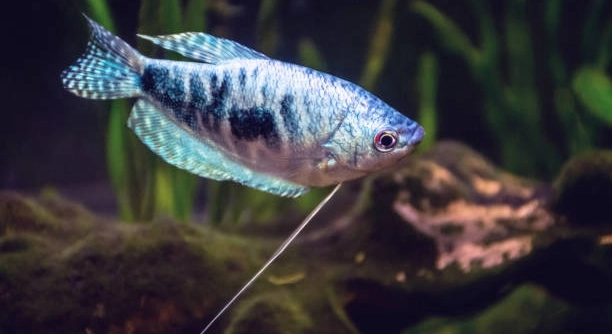
A healthy and happy gourami pair can bring beauty and harmony to your aquarium. Observing their behavior closely can provide valuable insights into their well-being. Identifying the signs of a happy pair helps maintain a peaceful and thriving tank.
A happy gourami pair shows several signs, including synchronized swimming, shared territory, mutual cleaning, and relaxed body posture. They also display social behaviors like lip-locking or gentle nipping. These signs indicate a strong bond and contentment within the pair.
Recognizing these behaviors will help you ensure the long-term happiness of your gourami pair and create a balanced aquatic environment.
Synchronized Swimming: A Sign of Bonding
One of the most noticeable signs of a happy gourami pair is synchronized swimming. When gouramis swim together in harmony, it often indicates that they are comfortable with each other. This coordinated movement strengthens their bond, allowing them to navigate their shared space more effectively. It’s a clear sign that both fish are at ease and feel secure with their environment and each other.
Synchronized swimming isn’t just about matching their movements; it shows a deeper connection. The two gouramis will often mirror each other, following each other’s pace. This behavior is particularly noticeable during feeding or when exploring the tank together.
This behavior is essential for gourami pairs, as it helps reduce stress and boosts their confidence. It also ensures that they are working together within their space, rather than feeling threatened by the presence of one another. Maintaining a calm and synchronized pair ensures a peaceful aquarium environment, which is essential for their health and happiness.
Shared Territory and Mutual Space
A happy gourami pair will often claim and share territory within the tank. This mutual space is important for them to feel secure.
Having a shared space where both fish can coexist without the need for constant competition helps reduce aggression. Gouramis that establish this bond will often spend most of their time near one another, navigating the same area of the tank. The closer they are, the more relaxed they feel in their environment. This shared space makes them feel less stressed and more connected, allowing them to thrive.
A gourami pair that shares territory is often a clear sign of a well-adjusted and peaceful pair. They no longer see each other as rivals but as partners in their habitat. This behavior reflects their mutual trust, making it easier for them to coexist in a tank without tension or conflict.
Mutual Cleaning and Grooming
Mutual cleaning is a clear indicator of a happy gourami pair. When gouramis clean each other’s bodies, fins, and gills, it shows a strong bond between them. This grooming ritual helps maintain their hygiene and fosters trust.
The cleaning process is a sign of affection and cooperation. Gouramis that engage in this behavior are less likely to exhibit aggressive tendencies, as they are actively helping one another stay clean. It can also be a form of communication, as one fish will approach the other with a calm, open posture.
This cleaning routine strengthens their relationship, making the pair feel safe and connected. When both gouramis are content with their environment and each other, they’ll frequently engage in these acts, contributing to their overall health and well-being.
Relaxed Body Posture
A relaxed body posture is essential for identifying a happy gourami pair. When they swim freely with calm, upright bodies, it indicates contentment.
Gouramis that exhibit a relaxed body posture are not stressed or intimidated by their surroundings. Their movements are smooth and fluid, and their fins remain open, which shows they feel comfortable in their shared space. This relaxed state is crucial for their physical and emotional health.
Stress can cause gouramis to alter their body posture, making them appear stiff or closed off. A happy pair, however, will display an open and relaxed demeanor. This behavior is often observed in pairs that have been together for a while and trust one another fully.
Gentle Nipping and Playful Behavior
Gentle nipping can be a sign of affection in a happy gourami pair. It often occurs as a form of communication or play between the two. This type of behavior is harmless and shows that the gouramis are comfortable with each other.
Unlike aggressive nipping, which is often linked to stress or territorial disputes, gentle nipping is more playful. It can happen when one fish gently nips at the other’s fins or body without causing harm. This light interaction helps to strengthen their bond and shows they are at ease.
Swimming in Close Proximity
Gouramis that swim closely together are generally happy and secure in their relationship. This behavior shows that both fish are comfortable sharing the same space.
When gouramis swim in close proximity, they are signaling that they trust one another. They don’t feel the need to separate or avoid each other. This close swimming also indicates that they are emotionally connected, sharing their environment without fear or tension.
Minimal Aggression Between the Pair
Minimal aggression is a good sign that your gourami pair is happy. If the pair rarely displays aggressive behavior, it shows they are in a healthy, balanced relationship.
Although occasional territorial disputes may occur, they should be brief and non-damaging. When your gouramis spend more time swimming peacefully and engaging in positive behaviors, it shows they have formed a strong bond. Excessive aggression or fighting can indicate stress, but minimal aggression is normal and should not be a cause for concern.
FAQ
What are the main signs of a happy gourami pair?
The main signs of a happy gourami pair include synchronized swimming, mutual cleaning, shared territory, relaxed body posture, and minimal aggression. These behaviors show that the fish are comfortable, connected, and not feeling stressed or threatened by one another.
How do I know if my gourami pair is stressed?
Stressed gouramis may exhibit behaviors such as hiding, rapid swimming, or excessive fin clamping. They might also stop eating or show signs of aggression, like chasing or biting. If you notice these signs, it’s important to check water quality, temperature, and tank mates.
Can gouramis live alone or do they need a pair?
While gouramis can live alone, they thrive better in pairs or small groups. A pair provides companionship and helps reduce stress, which is important for their overall well-being. However, if you have a single gourami, ensure it has plenty of hiding spots and enrichment.
How do I introduce a new gourami to an existing pair?
To introduce a new gourami, ensure the tank is large enough to provide sufficient space for each fish. Introduce the new gourami gradually, preferably during a time when the original pair is calm. Monitor their interactions closely for the first few days and be ready to intervene if aggression occurs.
Why do gouramis sometimes nip at each other?
Gouramis may nip at each other for various reasons, including playfulness, establishing dominance, or mating behavior. If the nipping is gentle and doesn’t cause harm, it is generally normal. However, if it becomes excessive or aggressive, it may indicate stress or territorial issues.
Can gouramis breed in a tank with other fish?
Yes, gouramis can breed in a tank with other fish, as long as the other fish are peaceful and not overly territorial. It’s important to ensure the breeding pair has a space to themselves where they feel secure. Provide plenty of plants or hiding spots to help reduce stress during breeding.
What should I do if my gourami pair fights?
If your gourami pair fights, it’s important to assess the cause. Fighting can happen if there is not enough space, if one fish is stressed, or if there is a lack of hiding spots. Try adding more plants or decorations to break up the line of sight and provide escape routes.
Do gouramis get along with other species of fish?
Gouramis are generally peaceful fish, but their compatibility with other species depends on the temperament of the other fish. They do well with peaceful tank mates, such as tetras, corydoras, and small catfish. Avoid aggressive or territorial fish that may stress them out.
How can I tell if my gouramis are ready to breed?
A gourami pair is typically ready to breed when they begin to show courtship behaviors. The male may start displaying vivid colors and perform bubble-nesting behavior, while the female may become rounder with eggs. Keep an eye on these signs and ensure water conditions are optimal for breeding.
Why do my gouramis sometimes chase each other?
Chasing can be a normal behavior in gouramis, especially during courtship or when establishing dominance. However, if chasing turns into aggression, it might indicate territorial issues. It’s important to monitor their interactions and ensure there are enough hiding spots for both fish.
Can I keep more than one pair of gouramis in the same tank?
Yes, you can keep more than one pair of gouramis in the same tank, but the tank should be large enough to prevent territorial disputes. Gouramis can be territorial, so providing plenty of plants, decorations, and hiding spots can help reduce conflict between pairs.
What size tank do gouramis need?
A minimum tank size of 20 gallons is recommended for a single pair of gouramis. Larger tanks are preferable if you plan to keep multiple pairs or additional fish. A larger tank provides more space, reducing stress and helping to maintain a balanced environment.
How often should I feed my gouramis?
Gouramis should be fed once or twice a day, offering only as much food as they can eat in a few minutes. Overfeeding can lead to water quality issues, so it’s best to provide small, frequent meals. Make sure to feed a varied diet, including pellets, flakes, and occasional live or frozen food.
What water conditions are ideal for gouramis?
Gouramis thrive in water with a temperature between 76-82°F (24-28°C), a pH of 6.0-7.5, and moderate hardness. Regular water changes are essential to maintain good water quality, as gouramis are sensitive to changes in water parameters. A stable environment is key to keeping them healthy and happy.
Why is my gourami staying at the surface of the water?
Gouramis are labyrinth fish, meaning they can breathe air from the surface. If your gourami is frequently at the surface, it may be looking for oxygen. However, if this behavior is accompanied by signs of distress or other health issues, check water parameters for problems like low oxygen levels or poor water quality.
How can I improve the health of my gourami pair?
To improve the health of your gourami pair, maintain stable water conditions, provide a varied and nutritious diet, and ensure they have enough space and hiding spots. Regular tank maintenance and monitoring their behavior for signs of stress or illness can help keep them happy.
Final Thoughts
When keeping a pair of gouramis, the key to their happiness lies in providing a stable and comfortable environment. Ensuring proper water conditions, such as temperature, pH, and oxygen levels, will help your gouramis feel secure and thrive. The right environment, along with a balanced diet and regular maintenance, plays a crucial role in promoting their well-being. Keeping the tank clean and free of toxins is essential for their overall health. A happy gourami pair will often display peaceful and affectionate behaviors, which reflect their contentment in their surroundings.
Observing your gourami pair can provide valuable insights into their health and emotional state. Pay attention to their interactions, such as gentle nipping or swimming closely together, as these are signs of a strong bond. Minimal aggression and shared territory show that they are comfortable with each other. However, if you notice any signs of stress, such as hiding, rapid swimming, or excessive fighting, it’s important to address the issue quickly. Stress can be caused by poor water quality, overcrowding, or incompatible tank mates, so regular tank checks and adjustments are necessary.
Overall, caring for a gourami pair requires attention, patience, and consistency. By understanding their behavior and meeting their needs, you can create a peaceful and thriving environment. A healthy pair of gouramis can be a joy to watch as they interact with each other in their tank. Ensuring that they feel safe and secure will help them live a long and happy life, making your aquarium a more vibrant and fulfilling place.

Hello,
If you enjoy the content that we create, please consider saying a "Thank You!" by leaving a tip.
Every little bit helps us continue crafting quality advice that supports the health, happiness, and well-being of pets around the world, for pets of all shapes, sizes, and species.
We really appreciate the kindness and support that you show us!