
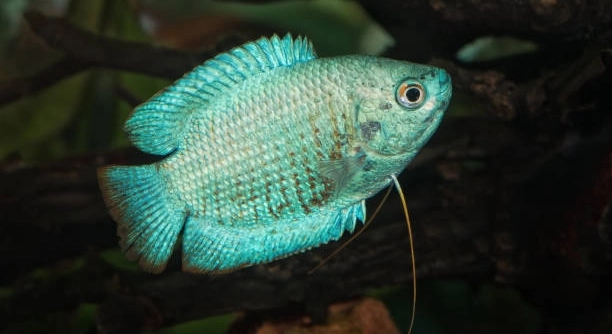
Many gourami owners notice their fish are most active during nighttime hours. This behavior can seem unusual if you expect your pet to swim around all day. Understanding why this happens helps improve their care and environment.
Gouramis are naturally crepuscular or nocturnal, meaning they are more active during low light conditions. Their behavior is influenced by instinct, feeding patterns, and habitat preferences, which often make them less active during bright daylight hours.
Knowing why your gourami prefers the night will help you create a better living space for it. This article explores common reasons behind their nocturnal activity and offers tips to support their natural rhythms.
Understanding Gourami Behavior Patterns
Gouramis are known for their unique behavior, which can sometimes puzzle their owners. These fish are more active at night because they have adapted to low-light environments in the wild. During the day, gouramis often rest or hide among plants and decorations to avoid predators and conserve energy. Their natural habitat typically includes slow-moving waters with dense vegetation, where staying still and blending in helps them survive. This instinct carries over to home aquariums, where bright lights and daytime activity can make them feel exposed or stressed. When the lights go off, gouramis feel safer to explore and feed. Knowing this pattern helps you better understand their needs. It’s important to provide places where they can retreat during the day. This encourages natural behavior and reduces stress, making your gourami healthier and happier.
Gouramis also adjust their activity based on feeding schedules and tank conditions. Nighttime activity often aligns with when they feel most comfortable searching for food.
Adjusting lighting and feeding routines can improve your gourami’s daily habits. Creating a calm environment helps them feel secure and balanced in their tank.
Creating a Comfortable Environment for Night-Active Gouramis
Providing a suitable tank setup is key to supporting your gourami’s natural rhythms. Soft lighting or dimmed conditions during the day can mimic their preferred environment and encourage daytime activity. Adding plenty of plants, rocks, or decorations gives them places to hide and feel safe. These elements reduce stress and make your fish more likely to explore during daylight hours. Avoid strong, direct lighting as it can cause your gourami to become more reclusive. Consistent water temperature and clean conditions also contribute to their comfort. Watching how your gourami behaves when you make small changes helps you understand what works best. A peaceful, stable environment ensures your fish thrives and shows more balanced activity patterns throughout the day and night.
Lighting and habitat adjustments help your gourami feel more secure, encouraging healthier behavior overall.
When you provide the right conditions, your gourami’s activity will become more predictable. They will feel safe enough to explore during the day and rest properly at night. This balance improves their health and your enjoyment of watching them. Regular tank maintenance, stable water parameters, and a thoughtful setup create a home that respects their natural instincts. Understanding these needs can prevent stress-related problems and support a long, happy life for your fish.
Feeding Habits and Nighttime Activity
Gouramis often feed more actively at night because they feel safer under low light. Their natural feeding patterns include searching for food when there is less risk from predators.
Feeding your gourami at night or during dim lighting can encourage more natural behavior. Gouramis tend to be hesitant during bright daylight, which can make them less interested in food. Providing live or frozen foods during evening hours can stimulate their appetite and activity. It’s also helpful to avoid overfeeding during the day, which can reduce their need to be active at night. Keeping a consistent feeding schedule that matches their natural habits supports their health and energy levels.
Understanding their feeding rhythm lets you adjust your care routine. Feeding times aligned with their natural activity can reduce stress and improve overall well-being. Watching when they eat most comfortably helps you create a better feeding plan. This simple adjustment can make a noticeable difference in their behavior.
Tank Lighting and Its Effects
Too much light during the day can stress gouramis, causing them to hide or be inactive. Dim or adjustable lighting is better suited for their comfort.
Using a timer for your aquarium lights helps maintain a natural day-night cycle. Gradual dimming in the evening mimics sunset, which encourages gouramis to become more active as darkness approaches. Red or blue lights can also be less stressful and allow you to observe your fish without disturbing them. Too bright or constant lighting can disrupt their sleep and cause stress-related behaviors. Balancing light intensity helps your gourami feel secure and behave naturally.
Proper lighting creates a calm atmosphere, making your gourami feel safe enough to explore during the day. When their environment feels right, they develop healthier activity patterns. This also benefits other tank inhabitants by promoting a stable ecosystem. Adjusting light levels is an easy but effective way to support your gourami’s natural habits and overall happiness.
Stress and Night Activity
Stress can cause gouramis to become more active at night as a survival response. They feel safer moving when it’s dark and less exposed.
Common stress factors include poor water quality, sudden changes in environment, or aggressive tank mates. Reducing these stressors helps gouramis feel secure.
Water Quality and Its Impact
Maintaining clean water with stable parameters is essential for gourami health. Poor water quality causes stress and can change their activity patterns, making them more restless at night. Regular water changes and testing help keep conditions stable. Ammonia, nitrite, and nitrate levels should be monitored closely, as high levels can disturb fish behavior. Keeping temperature steady and avoiding overcrowding also supports a calm environment. When water quality is good, gouramis are more likely to have balanced activity during both day and night, showing natural behavior and improved overall health.
Tank Size and Movement
A cramped tank limits your gourami’s movement, often causing them to be more active at night when they feel less pressured.
Why is my gourami only active at night?
Gouramis are naturally more active during low light or nighttime hours. This behavior is linked to their wild instincts where being active in dim conditions reduces the risk of predators. In home aquariums, bright daylight may cause them to hide and rest more, so they come out when the lights go off. Adjusting lighting and feeding times to fit this natural rhythm can help support their health and comfort.
Can I encourage my gourami to be more active during the day?
Yes, adjusting your tank environment can help. Use softer or dimmable lights and add plenty of hiding spots to reduce stress. Feeding during daylight hours with appropriate foods also encourages activity. However, remember that gouramis naturally prefer dim conditions, so it’s normal if they stay calmer during the day.
Is it normal for gouramis to hide most of the time?
Yes, especially during bright light or if they feel stressed. Gouramis often hide to feel safe. Providing plants, caves, or decorations gives them refuge. If hiding is excessive, check water quality and tank mates, as stress or aggression might cause this behavior.
Could stress be causing my gourami’s nighttime activity?
Stress is a common reason gouramis become more active at night. Factors like poor water conditions, sudden changes, aggressive tank mates, or improper lighting can increase stress. Ensuring stable water parameters, a peaceful environment, and proper lighting reduces stress and helps balance their activity.
How does water quality affect gourami behavior?
Poor water quality causes discomfort and stress, which can change your gourami’s usual behavior. High ammonia, nitrites, or nitrates often lead to restlessness or hiding. Regular water testing and maintenance keep your fish healthy and calm, promoting natural activity patterns.
What kind of lighting is best for gouramis?
Soft, indirect lighting works best. Avoid bright or harsh lights that can scare your gourami. Using a timer to simulate natural day-night cycles and possibly adding blue or red LED lights during nighttime lets you observe without disturbing them. Gradual dimming in the evening encourages natural activity shifts.
Should I feed my gourami at night if it is more active then?
Feeding during the evening or low light times aligns with their natural habits and encourages healthy activity. Offer a balanced diet including live, frozen, or flake foods. Avoid overfeeding during the day to keep them motivated to eat at night.
Can tank size affect my gourami’s activity levels?
Yes, small or overcrowded tanks limit movement and can increase stress, making gouramis more restless at night. Providing enough space and proper tank mates reduces stress and encourages healthier behavior throughout the day.
Are there signs that my gourami is unhealthy if it’s only active at night?
Nighttime activity alone isn’t a sign of illness. But if combined with loss of appetite, clamped fins, rapid breathing, or discoloration, it may indicate health issues. Regular tank checks and proper care help prevent problems.
How often should I clean my gourami’s tank?
Partial water changes of about 25% once a week are ideal. This keeps water quality high and stable. Cleaning decorations and substrate periodically prevents buildup of waste and toxins, helping your gourami feel comfortable and safe.
Understanding why your gourami is only active at night helps you take better care of your fish. Gouramis are naturally more comfortable moving around in low light or darkness because that is how they behave in the wild. Bright daytime lighting can make them feel exposed or stressed, so they hide and rest during the day. When the lights go off, they feel safer and more willing to swim and explore. This is normal behavior and shows how much their natural instincts affect their daily routine. Knowing this helps you adjust their environment to fit their needs better.
Creating a tank environment that suits your gourami’s natural habits is important. Using soft or dim lighting, adding plenty of plants or decorations, and setting feeding times around their active hours can make a big difference. These small changes help your fish feel safe and comfortable. Keeping water clean and stable also reduces stress, which supports healthy behavior. When gouramis feel secure, they show more natural activity and are easier to enjoy watching. Paying attention to their needs and habits allows you to provide a better home and a happier life for your pet.
It is important to remember that every gourami is different. Some may be more active during the day, while others prefer nighttime. Their behavior can also change with age, health, or tank conditions. Watching your gourami carefully helps you understand its unique preferences and adjust care accordingly. Being patient and providing a calm, stable environment will encourage a healthy routine. Overall, accepting that your gourami’s nighttime activity is normal makes caring for them easier and more rewarding. With the right setup and attention, your fish will thrive and bring enjoyment for a long time.

Hello,
If you enjoy the content that we create, please consider saying a "Thank You!" by leaving a tip.
Every little bit helps us continue crafting quality advice that supports the health, happiness, and well-being of pets around the world, for pets of all shapes, sizes, and species.
We really appreciate the kindness and support that you show us!